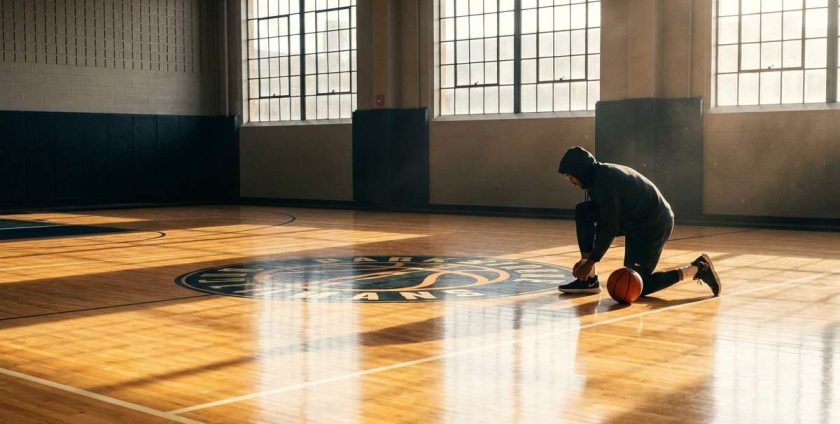
Whether it’s a school gym, university sports hall, professional training center, or community recreation facility, the quality of the flooring plays a major role in athletic performance and safety. While many sports surfaces are available today, wood remains one of the most trusted materials because of its durability, comfort, and timeless appearance. A well-designed gymnasium wood flooring system not only enhances the playing experience but also helps reduce fatigue and the risk of injuries for athletes.
Choosing the right sports floor involves much more than selecting an attractive hardwood species. Facility owners should also consider shock absorption, ball response, maintenance requirements, and the types of sports or events the venue will host. A floor designed for basketball may have different performance characteristics from one intended for multi-purpose recreational use, making it important to understand the available options before making an investment.
Modern sports flooring systems combine advanced engineering with premium hardwood materials to deliver consistent performance over many years. Proper installation, regular maintenance, and selecting the right flooring partner all contribute to maximizing the lifespan of a sports facility. Whether you’re constructing a brand-new gymnasium or upgrading an existing venue, understanding how sports wood flooring works can help you make a smarter decision.
What is Gymnasium Wood Flooring?
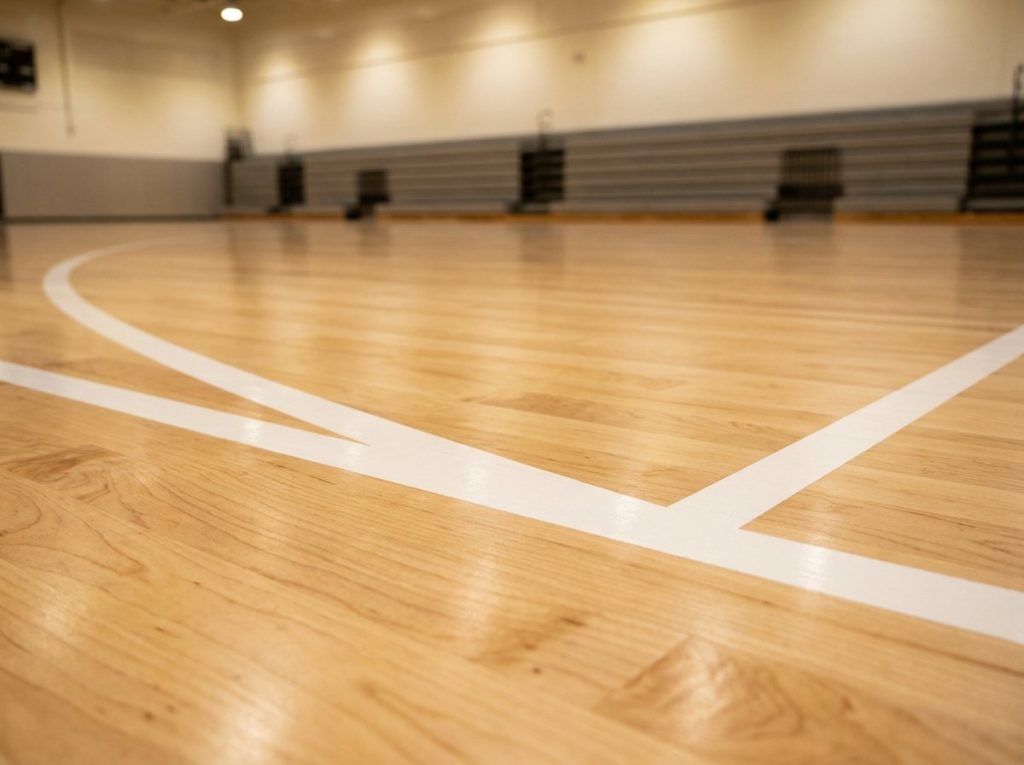
Gymnasium wood flooring is a specialized hardwood flooring system designed specifically for indoor sports facilities. Unlike ordinary hardwood floors used in homes or offices, sports flooring is engineered to provide excellent shock absorption, stability, traction, and durability under heavy athletic activities.
A complete sports flooring system consists of more than just hardwood planks. Beneath the visible surface lies an engineered structure that includes sleepers, resilient pads, moisture barriers, and subfloor components. Together, these layers create a floor capable of absorbing impact while maintaining excellent ball bounce and athlete comfort.
Hardwood species commonly used for sports flooring include maple, oak, beech, and Hevea rubberwood. Each material offers different advantages, although maple has traditionally been the preferred choice for professional basketball courts due to its dense grain and uniform appearance. In recent years, Hevea rubberwood has become increasingly popular as a sustainable alternative that offers impressive durability and attractive aesthetics.
International sports organizations establish performance standards for sports flooring to ensure safety and consistency. High-quality gymnasium floors are tested for factors such as:
- Shock absorption
- Vertical deformation
- Surface friction
- Ball rebound
- Rolling load resistance
- Durability
Meeting these standards helps athletes perform at their best while minimizing the risk of injuries caused by excessive impact on joints and muscles.
Besides performance, appearance is another reason why hardwood continues to dominate indoor sports facilities. Natural wood creates a warm, professional atmosphere that enhances the overall experience for players and spectators alike. Custom court markings, logos, and finishes can also be incorporated to reflect a school’s identity or a sports club’s branding.
Today’s sports facilities are often designed to accommodate multiple activities beyond basketball or volleyball. Schools may use their gymnasiums for assemblies, examinations, cultural performances, and community events. Modern wood flooring systems are therefore engineered to withstand varying levels of foot traffic while maintaining their structural integrity.
When planning a sports facility, selecting suitable sports flooring materials is one of the most important decisions. Understanding the characteristics of different materials can help ensure the floor meets performance expectations while remaining durable over decades of use.
Sprung Flooring vs Traditional Sports Floors
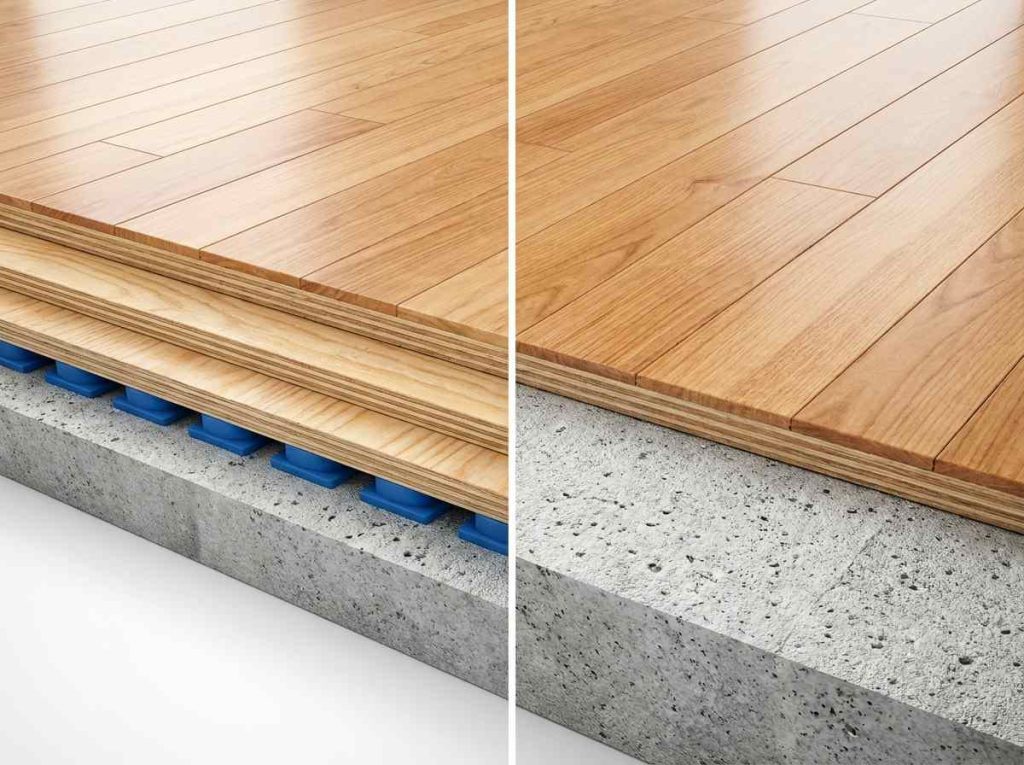
One of the most important decisions when selecting a sports floor is choosing between a sprung flooring system and a traditional sports floor. While both can be used for indoor sports, they differ significantly in terms of comfort, performance, and athlete protection.
A sprung floor is designed with resilient pads or cushioning layers beneath the hardwood surface. These components absorb impact whenever athletes run, jump, or land, helping reduce stress on the knees, ankles, and other joints. As a result, players experience greater comfort, less fatigue, and a lower risk of injury during training or competition. This type of flooring is commonly used in basketball courts, volleyball courts, badminton halls, dance studios, gymnastics facilities, and other multi-purpose sports venues where frequent movement and jumping occur.
Traditional sports floors, by comparison, are typically installed directly over a concrete slab or a rigid subfloor without any built-in cushioning system. Although they still provide a durable playing surface, they absorb much less impact. This means athletes may experience greater strain on their joints, especially during high-intensity activities that involve repeated running and jumping.
Another key difference is long-term performance. Sprung flooring generally delivers more consistent ball bounce, improved playing comfort, and better overall sports performance. While it usually requires a higher initial investment than traditional flooring, many facility owners consider it worthwhile because it enhances athlete safety and remains reliable for many years.
For schools, sports centers, and professional venues that regularly host competitive games or intensive training sessions, sprung flooring is often the preferred choice. Its combination of comfort, durability, and performance makes it a long-term investment that supports both athletes and facility operators.
Where Gymnasium Wood Flooring Is Commonly Used
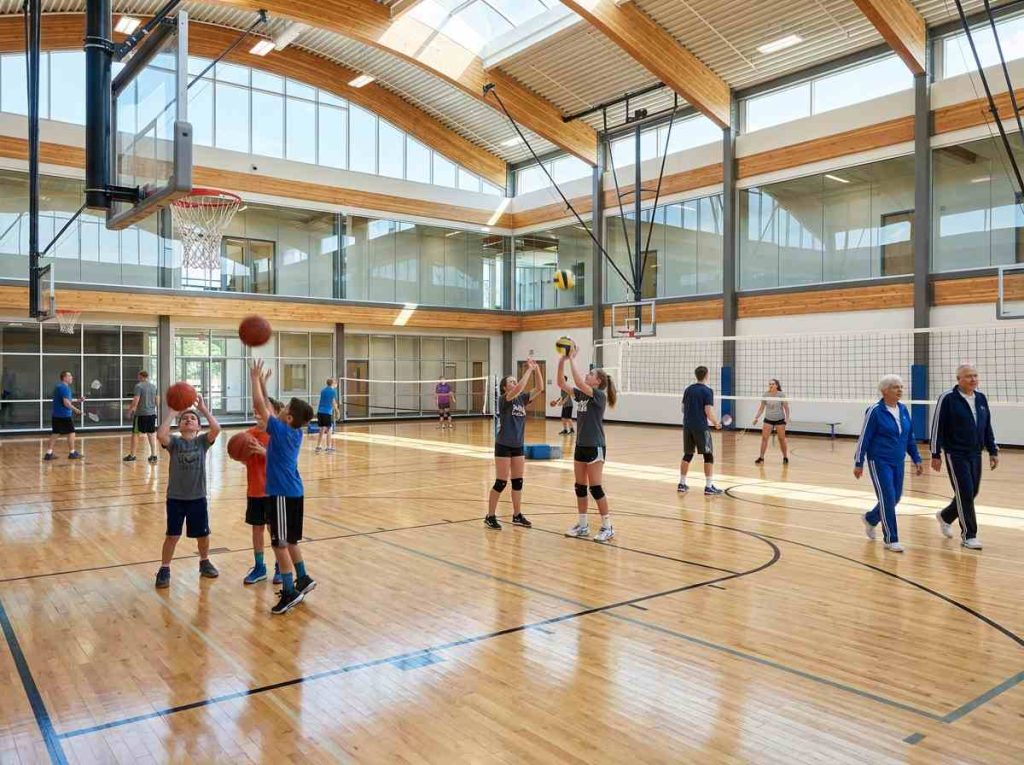
Although many people associate hardwood sports floors primarily with basketball courts, they are actually used in a wide variety of indoor facilities. Modern gymnasium wood flooring systems are designed to support multiple sports and recreational activities while maintaining excellent durability.
1. Schools and Universities
Educational institutions represent one of the largest users of wood sports flooring. School gymnasiums often serve multiple purposes throughout the year. Besides physical education classes, they host basketball tournaments, volleyball matches, graduation ceremonies, student performances, examinations, and community gatherings. Because of this versatility, schools require flooring systems capable of handling both athletic activities and everyday foot traffic.
2. Professional Sports Facilities
Professional arenas demand flooring that meets strict performance standards. Athletes competing at high levels rely on consistent ball response, reliable traction, and superior shock absorption. Even small variations in floor performance can affect gameplay and increase injury risks. Professional facilities also prioritize appearance since televised sporting events showcase the flooring to audiences worldwide.
3. Community Recreation Centers
Community centers often accommodate people of all ages. Their sports halls may host:
- Youth basketball
- Adult volleyball leagues
- Fitness classes
- Martial arts
- Badminton
- Recreational events
A durable hardwood floor provides the flexibility needed to support diverse activities without sacrificing performance.
3. Fitness and Wellness Centers
Many modern fitness facilities include hardwood sports floors for functional training, aerobics, dance, yoga, and group exercise classes. The natural resilience of wood offers a comfortable surface while maintaining an attractive interior design that complements wellness-focused environments.
4. Multi-Purpose Event Halls
Today’s gymnasiums frequently serve as community gathering spaces beyond sports. Portable seating, exhibition booths, concerts, ceremonies, and indoor events place different demands on flooring systems. High-quality hardwood sports flooring is engineered to withstand these varying loads while preserving its appearance.
Facilities looking for sustainable solutions increasingly choose Hevea rubberwood because of its environmental benefits, dimensional stability, and attractive grain patterns. You can learn more about this environmentally responsible option by exploring hevea sports flooring in our website.
Likewise, selecting the best flooring for indoor sports depends on factors such as facility usage, athlete safety, maintenance requirements, and long-term budget planning. Understanding these considerations before installation helps maximize the return on investment.
Maintenance and Long-Term Performance
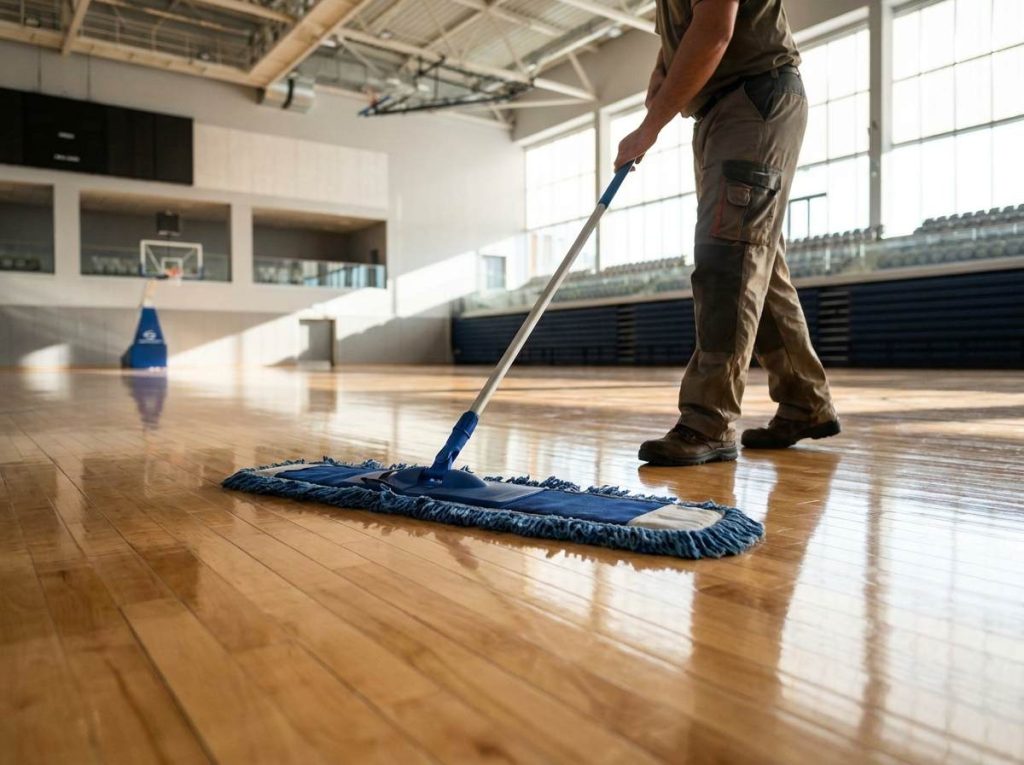
Investing in a high-quality sports floor is only the first step. To maximize its value and ensure consistent performance, regular maintenance is essential. A properly maintained hardwood sports floor not only looks professional but also provides a safe playing surface for athletes year after year.
One of the biggest advantages of hardwood sports flooring is its longevity. Unlike many synthetic surfaces that may require complete replacement after years of intensive use, hardwood floors can often be refinished multiple times. This allows facility owners to restore the floor’s original appearance without replacing the entire system, making wood an economical long-term investment.
- Daily Cleaning
Daily maintenance should focus on removing dust, dirt, and debris that can scratch the floor finish. Soft microfiber dust mops are commonly used because they effectively capture fine particles without damaging the surface. Spills should always be cleaned immediately to prevent moisture from penetrating the wood. Standing water can affect the finish and may lead to swelling or warping if left untreated. Avoid using harsh household cleaners, excessive water, or abrasive brushes. Instead, use cleaning products specifically formulated for hardwood sports floors.
- Routine Inspection
Regular inspections help identify minor issues before they become costly repairs. Facility managers should monitor the floor for:
- Surface scratches
- Loose boards
- Finish wear
- Moisture damage
- Expansion gaps
- Damaged game lines
Early maintenance prevents small imperfections from affecting athlete safety or reducing the floor’s lifespan.
- Environmental Control
Wood naturally expands and contracts as humidity changes. Maintaining stable indoor temperature and humidity levels helps minimize seasonal movement and preserve the flooring system. Most sports flooring manufacturers recommend maintaining indoor relative humidity between 35% and 55%. Installing HVAC systems and humidity controls helps achieve these conditions throughout the year.
Periodic Recoating
Over time, the protective finish gradually wears due to heavy foot traffic, sports equipment, and routine cleaning. Many facility owners schedule periodic recoating before the wood becomes exposed. Reapplying the finish restores surface protection while preserving court markings and reducing the need for major refinishing.
Refinishing the Floor
Eventually, even the best-maintained sports floor will show signs of wear. Fortunately, hardwood flooring can usually be sanded and refinished several times during its lifespan. The process removes the old finish, repairs minor surface damage, reapplies game lines if necessary, and adds fresh protective coatings, extending the floor’s service life.
Long-Term Value
When installed correctly and maintained properly, gymnasium wood flooring can provide reliable performance for several decades. Many school gymnasiums and sports arenas continue using the same hardwood flooring system for 30 to 50 years, with periodic refinishing keeping the surface in excellent condition.
Choosing the right wood species also contributes to long-term performance. Different hardwoods offer varying levels of hardness, durability, and sustainability. Learning about the types of wood sports flooring can help facility owners select the most suitable option for their needs. Similarly, understanding the benefits of solid sports floors highlights why solid hardwood remains a preferred choice for many professional and educational facilities.
FAQ
- Why Is Hardwood Commonly Used for Gymnasium Wood Flooring?
Hardwood is widely used because it offers an excellent balance of durability, resilience, and aesthetic appeal. Dense hardwood species provide consistent ball bounce, reliable traction, and long-lasting performance. In addition, hardwood floors can be refinished multiple times, extending their lifespan and reducing long-term replacement costs.
- What Is the Difference Between Sprung and Area-Elastic Sports Flooring?
Sprung flooring uses resilient components beneath the wood surface to absorb impact, reducing stress on athletes’ joints during running and jumping.
Area-elastic flooring distributes impact over a larger surface area rather than only at the point of contact. Both systems improve comfort and safety, but their structural designs differ depending on facility requirements.
- How Long Does Gymnasium Wood Flooring Typically Last?
With proper installation and routine maintenance, gymnasium wood flooring can last 30 to 50 years or more. Regular cleaning, humidity control, periodic recoating, and refinishing help preserve its appearance and performance.
- How Do You Maintain a Wood Sports Floor?
Proper maintenance includes daily dust removal, immediate cleanup of spills, routine inspections, humidity control, and scheduled recoating or refinishing. Using cleaners designed for hardwood sports floors also helps protect the finish.
- Can Gymnasium Wood Flooring Be Used for Multiple Activities?
Yes. Modern gymnasium wood flooring supports a wide range of activities beyond basketball and volleyball. Many schools, universities, recreation centers, and community halls also use it for badminton, fitness classes, dance performances, assemblies, exhibitions, graduation ceremonies, and other multi-purpose events. Choosing the appropriate flooring system helps maintain long-term performance and appearance.
Choosing the right sports flooring is an investment in athlete safety, performance, and the long-term quality of your facility. By selecting a durable hardwood flooring system and maintaining it properly, you can create a sports environment that delivers reliable performance for decades.
Whether you’re building a new gymnasium or renovating an existing sports hall, Jati Luhur Agung offers premium wood sports flooring solutions tailored to schools, universities, sports centers, and commercial facilities. With high-quality materials and professional installation, every project is built to meet the demands of modern sports.
Visit our official website to explore the complete range of sports flooring solutions and consult with the experts to find the ideal flooring system for your next project. A quality sports floor is more than just an investment, it lays the foundation for safer play and lasting performance.
-
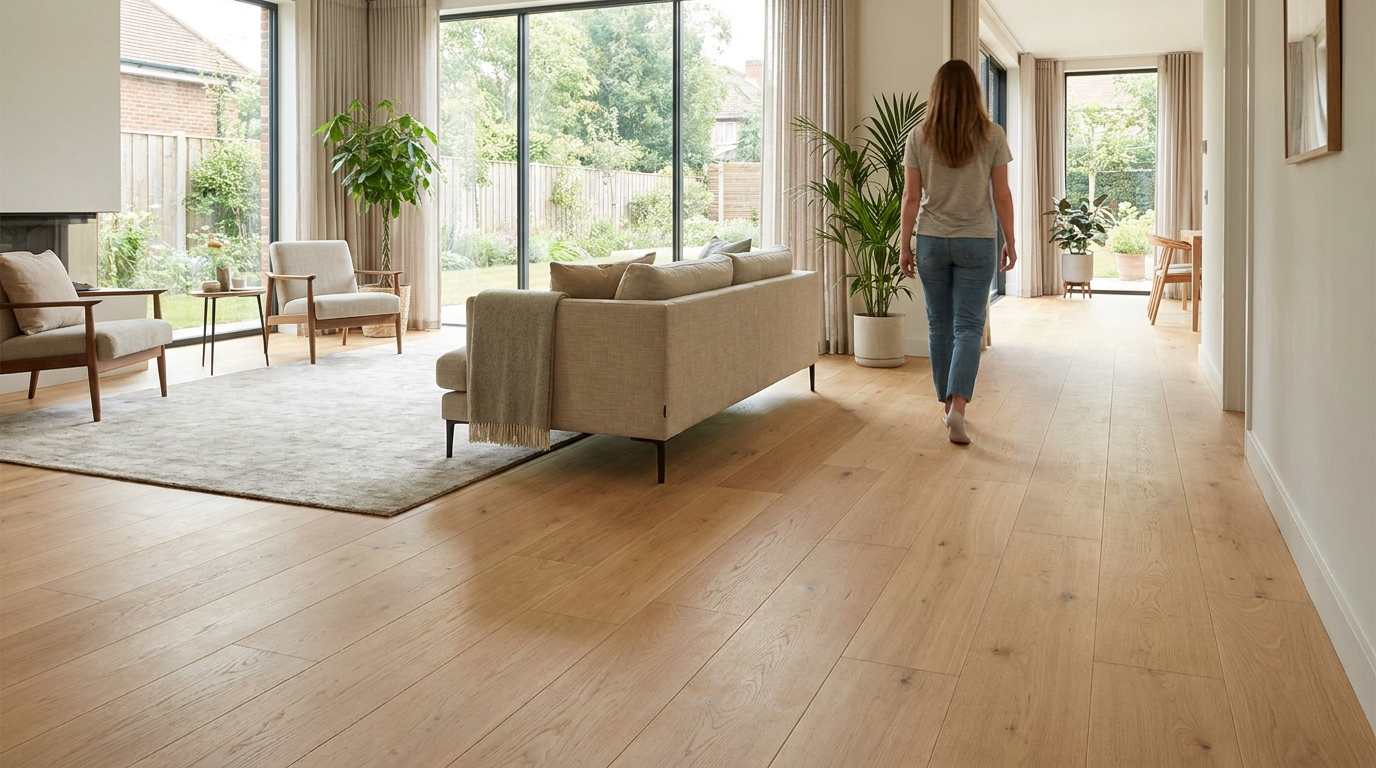
Hevea Engineered Flooring Tips for Better Performance and Longevity
Hevea engineered flooring can bring a warm, natural character to an interior while offering the practical structure needed for everyday use. Made with a real wood surface and engineered construction, this flooring can be a suitable choice for homes, offices, hospitality spaces, and other interiors where appearance and stability both matter. However, good performance does…
-
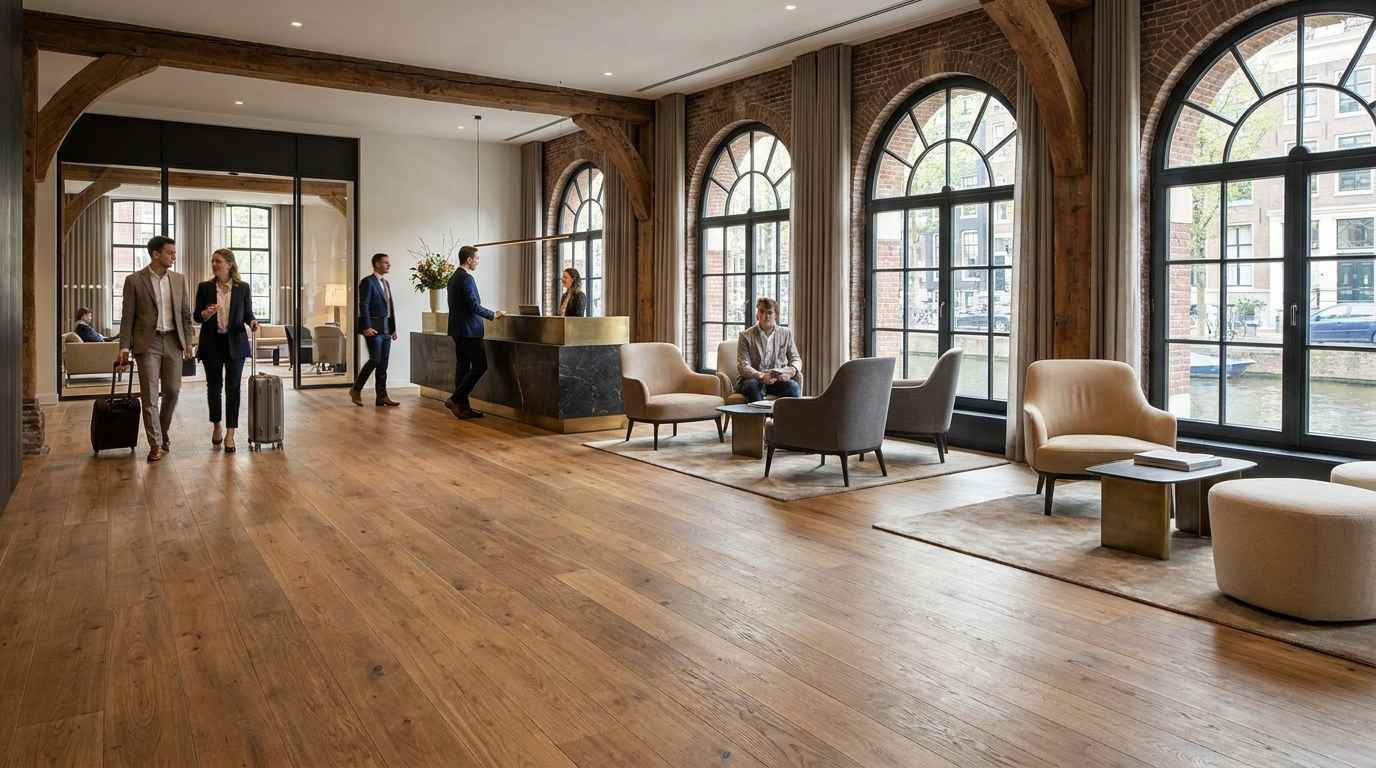
Amsterdam Engineered Wood Flooring for Commercial Projects
Amsterdam combines historic architecture with modern offices, hotels, restaurants, and retail spaces. Each setting has a different atmosphere, but flooring has to serve a common purpose: it should look good, cope with daily use, and remain practical to maintain. For designers exploring natural timber, Amsterdam engineered wood can offer a balance between visual character and…
-
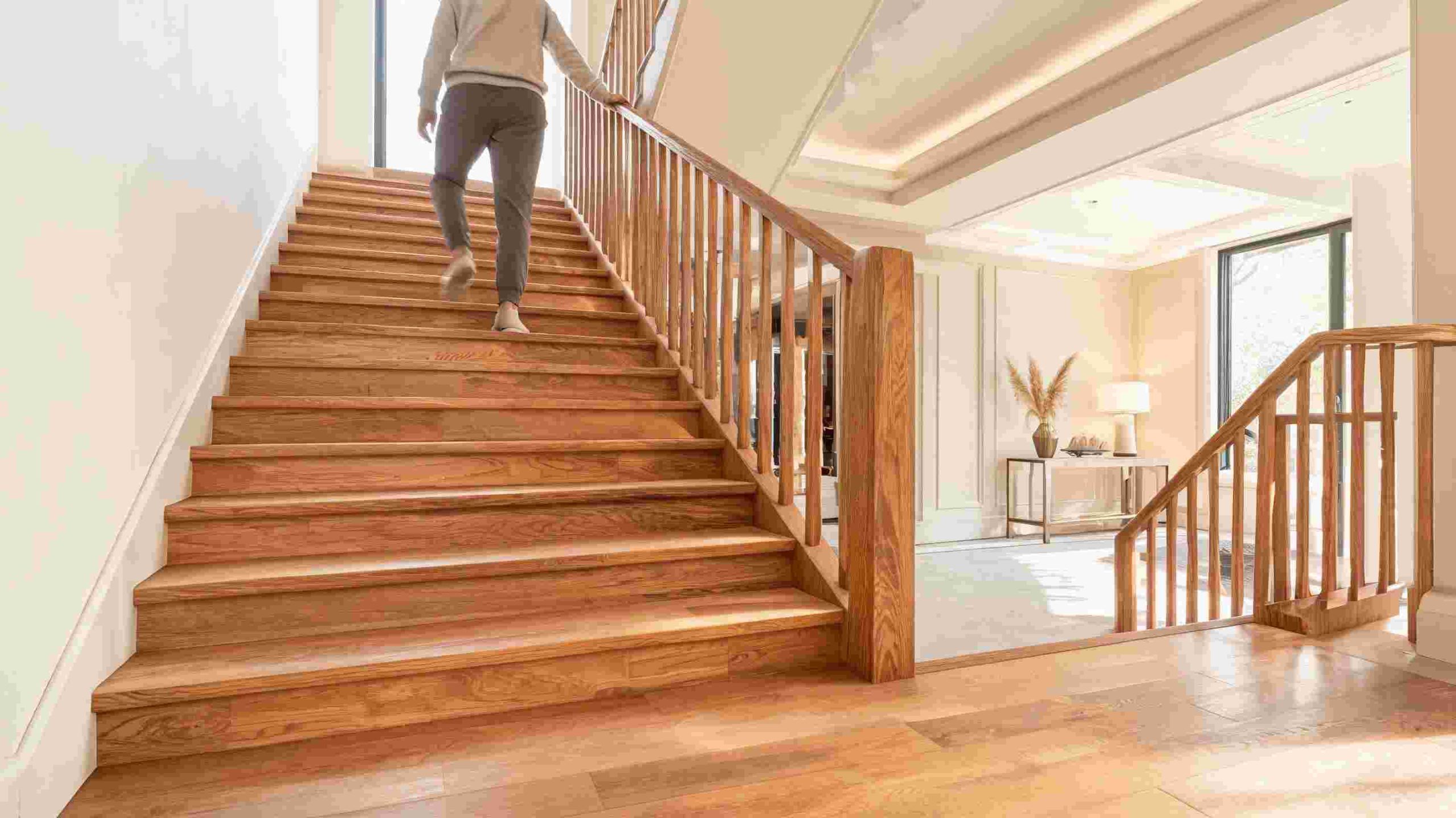
Is Engineered Wood Flooring Suitable for Stairs?
Stairs are more than a way to move between floors. They are a visible part of an interior and become architectural details people notice. Because they are used every day, the material chosen for a staircase needs to balance appearance, durability, safety, and maintenance. Natural wood remains a popular option because it brings warmth and…
- By:PT. Jati Luhur Agung
- Tags: gymnasium, sport floor, wood flooring
- Category: Sports Floor
- 0 comment