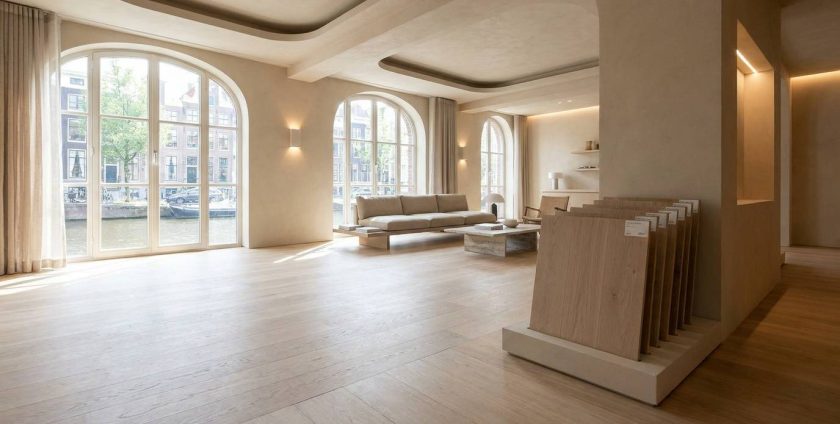
Selecting flooring for a commercial property involves more than choosing an attractive color. Businesses must consider durability, maintenance, installation conditions, long-term appearance, and the demands of daily use. For hotels, offices, retail spaces, apartments, and hospitality developments, flooring also shapes the impression a property creates for visitors, tenants, and customers.
Amsterdam white oak engineered hardwood flooring appeals to projects seeking contemporary European style alongside the warmth of natural timber. White oak offers distinctive grain, versatile coloring, and a sophisticated appearance that works across many interior concepts.
For commercial buyers, appearance is only one part of the decision. Product specifications, manufacturing consistency, installation requirements, supplier reliability, and delivery schedules all influence project outcomes. Understanding these factors before ordering helps developers, contractors, and distributors make informed sourcing decisions.
Why White Oak Is a Popular Choice for Engineered Hardwood Flooring
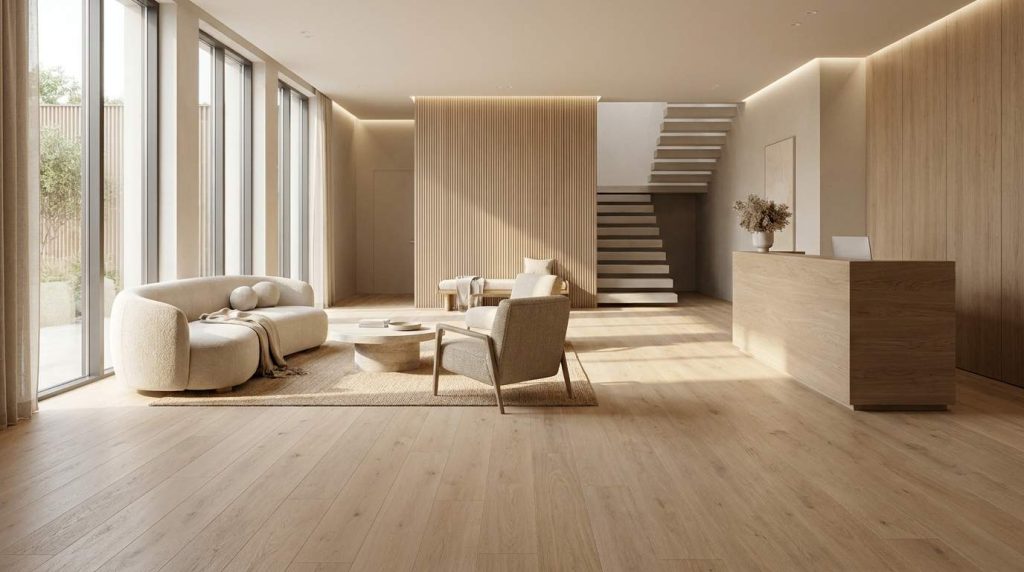
White oak is valued in interior design for its natural character and versatility. Its grain is often relatively straight, although cathedral patterns, mineral streaks, and other markings can occur. Depending on the cut and finish, the surface may look understated and modern or more expressive and traditional. This adaptability is useful in commercial interiors. A hotel may need a welcoming atmosphere, while an office may call for a clean, professional appearance. Retail spaces also benefit from materials that complement changing displays, furniture, and lighting.
White oak can suit these environments without overwhelming the design. However, engineered flooring is not immune to moisture or environmental changes. Performance still depends on core construction, adhesive quality, manufacturing precision, installation methods, and indoor conditions. Commercial buyers should assess the complete product rather than assume all engineered flooring performs equally.
Another reason amsterdam white oak engineered hardwood flooring appeals to commercial projects is its compatibility with different architectural styles. It can suit minimalist apartments, boutique hotels, contemporary offices, and upscale retail environments. Its neutral appearance also allows furniture and decorative elements to remain the visual focus.
White oak is not the only option worth considering. Acacia engineered wood flooring can introduce more pronounced grain patterns and rich color variation, making it suitable for interiors that need a distinctive natural appearance. Meanwhile, Hevea engineered wood flooring may appeal to projects seeking an alternative wood species, depending on its available finishes, construction, and technical specifications. Comparing these options with white oak helps buyers identify the most appropriate balance of appearance, performance, and budget. Ultimately, white oak’s appeal comes from combining natural beauty with design flexibility. When its technical specifications match the intended application, it can become a valuable part of a well-planned commercial interior.
Understanding White Oak Grain, Color, and Natural Variations
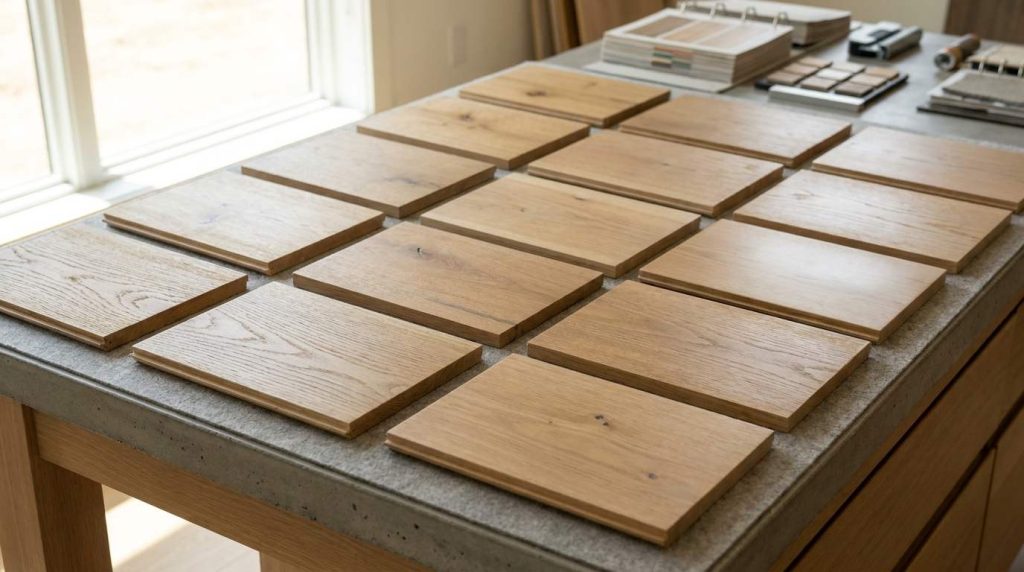
Natural timber is never completely uniform, and white oak is no exception. Grain direction, color differences, mineral streaks, knots, and other markings vary with the wood and its processing. These differences contribute to the material’s appeal, but they require attention when sourcing flooring for a large development. The grading system is a useful starting point. Depending on the manufacturer’s classification, selected grades may offer a relatively consistent appearance with fewer prominent markings. Other grades may include more variation, creating a rustic or character-rich finish.
Buyers should request actual grading definitions rather than rely only on labels such as select, natural, or rustic, because terminology varies between manufacturers and markets. Lighting can significantly influence the final appearance. Daylight, warm artificial lighting, and cool LED fixtures may make the same boards look different. Review large samples under lighting conditions similar to those expected in the finished building.
When evaluating amsterdam white oak engineered hardwood flooring, buyers should consider variation between production batches. Natural wood can differ even when the species, grade, and finish remain the same. These differences may be acceptable, but the expected range should be agreed before manufacturing begins. A practical approach is to approve a reference sample representing the desired color, grain, texture, and finish. For large orders, buyers may also request samples from the intended production batch when feasible. Written acceptance criteria help align expectations among the manufacturer, project manager, architect, and installation team.
Surface treatments affect both appearance and maintenance. Brushed finishes emphasize texture, while smoother surfaces create a refined look. Matte finishes suit understated interiors, whereas higher-sheen surfaces reflect more light. Each option should be assessed for cleaning needs, scratch visibility, and suitability for expected traffic. The goal is not to eliminate every natural difference. It is to determine which variations support the design and which could create unacceptable inconsistency. Clear approval procedures help preserve the intended aesthetic across multiple rooms, floors, or buildings.
White Oak Engineered Flooring Specifications for Commercial Projects

Commercial flooring procurement requires detailed specifications because small differences can affect installation, cost, durability, and maintenance. Buyers should define the required construction and performance characteristics before comparing quotations. Start with total board thickness. It affects floor height, transitions between materials, and compatibility with doors or adjoining surfaces. However, thickness alone does not determine quality. Wear-layer thickness, core composition, adhesive system, and manufacturing precision matter as well.
The wear layer is important because it determines how much real wood is available at the surface. Products vary in wear-layer dimensions, and the right specification depends on intended use and the manufacturer’s maintenance guidance. Buyers should not assume every engineered board can be sanded or refinished repeatedly.
Moisture management is essential. Wood responds to humidity changes, and excessive moisture can cause swelling, gaps, cupping, or other problems. Subfloor condition, moisture testing, acclimatization, and indoor climate management should be addressed before installation. The specification should identify board dimensions, installation profiles, surface finishes, allowable tolerances, and packaging requirements. Depending on the project, buyers may also need documentation covering formaldehyde emissions, adhesive safety, fire performance, or other regulatory requirements. Standards vary by destination market and building type, so compliance must be verified.
Confirm installation compatibility before ordering. Depending on construction, engineered flooring may support approved floating, glue-down, or other methods. Not every product supports every method, so the manufacturer’s instructions should determine the approach.
Buyers considering amsterdam white oak engineered hardwood flooring should examine sample approval, inspection procedures, and quality documentation. Define acceptable limits for dimensions, finish defects, color variation, and packaging damage to reduce disputes at delivery. Finally, compare quotations using equivalent specifications. A lower-priced product may have a thinner wear layer, different core construction, or less comprehensive documentation. Reviewing the full technical package provides a more useful basis for commercial decisions than comparing unit prices alone.
Choosing White Oak Engineered Hardwood Flooring for Amsterdam Interiors
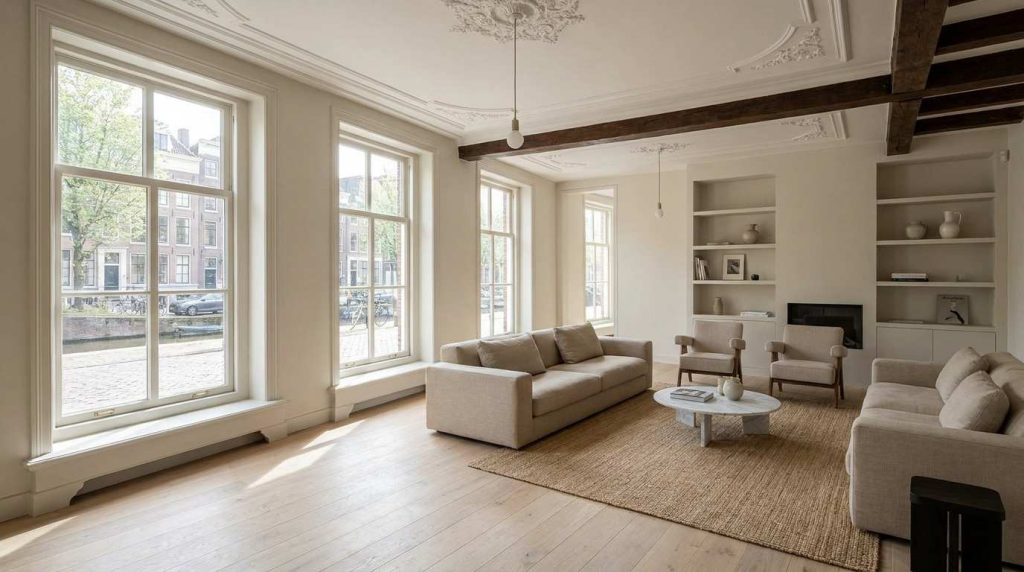
Amsterdam’s architectural character includes historic canal houses, renovated industrial buildings, contemporary apartments, creative offices, and modern hospitality spaces. Each setting presents different design needs, making flooring an important part of the interior concept. In modern apartments and residential developments, light white oak can create a brighter, more open atmosphere. Its natural grain adds texture without making a room feel crowded. Wider boards and restrained finishes may complement minimalist furniture, neutral walls, and simple architectural details.
Hospitality projects need a balance between visual appeal and practical operation. Boutique hotels may favor warm tones that make guest rooms feel comfortable. Reception areas, lounges, and dining spaces may require finishes that coordinate with lighting, furniture, and decorative materials. Retail environments benefit from careful coordination, too. Flooring should complement displays and brand colors without competing for attention. Depending on the layout and expected foot traffic, buyers may need to prioritize surface maintenance, entrance protection, and an appropriate cleaning plan.
The appeal of amsterdam white oak engineered hardwood flooring lies in its ability to support different interior concepts. However, a style name alone does not establish technical suitability. Buyers must verify construction, installation requirements, and performance characteristics. Climate and building conditions should influence the specification. Seasonal humidity, heating systems, ventilation, and indoor temperature can affect timber flooring. Before installation, the project team should confirm that the building and subfloor meet the manufacturer’s requirements. Budget planning should include more than the purchase price. Installation, subfloor preparation, waste allowances, trims, transitions, protective coverings, and maintenance may contribute to total cost. A clear specification helps contractors estimate accurately and reduces last-minute substitutions.
What to Look for in a White Oak Engineered Flooring Supplier

Choosing a manufacturer is as important as choosing the flooring. Commercial buyers need a supplier that provides consistent products, communicates clearly, and supports procurement from specification approval through delivery. Start by reviewing production capabilities. Ask about available dimensions, wear-layer options, finishes, grading choices, and customization services. For projects involving several buildings or recurring orders, confirm whether the supplier can maintain agreed specifications and plan future production.
Quality control should be transparent. A reliable manufacturer should explain how raw materials are inspected, moisture content is monitored, boards are processed, and finished products are checked. Ask how defects are recorded and how corrective actions are handled when products do not meet requirements. Assess lead times realistically. Manufacturing schedules may depend on raw-material availability, production capacity, finishing, sample approval, and shipping. International orders can also involve customs procedures and inland transportation. Written schedules and clear delivery responsibilities reduce uncertainty.
Review commercial terms carefully. Quotations should identify specifications, quantities, packaging, payment conditions, delivery terms, and additional charges. Understand minimum order quantities and the cost of custom finishes before approving a purchase order.
For businesses sourcing amsterdam white oak engineered hardwood flooring, supplier communication can significantly affect project coordination. Timely updates about production progress or delays allow contractors and developers to adjust schedules before installation is affected.
Discussing requirements directly can help determine whether its products, capabilities, and commercial arrangements align with a project’s sourcing needs. Before committing to a large order, request samples and clarify acceptance criteria. Where appropriate, arrange inspections before shipment. These steps provide a clearer basis for evaluating quality and ensure that expectations are understood by both parties. A strong supplier relationship depends on transparent communication, documented specifications, realistic commitments, and consistent follow-through. These qualities support smoother procurement and help businesses manage commercial flooring projects with greater confidence.
FAQ
- What makes white oak a good choice for engineered hardwood flooring?
White oak offers distinctive grain, versatile colors, and a look that suits many interiors. Properly manufactured engineered construction can also improve dimensional stability.
- Is white oak engineered hardwood flooring suitable for commercial projects?
Yes, when its construction, finish, and installation requirements suit the environment. Traffic, moisture, and maintenance needs should be assessed first.
- What specifications should buyers check when sourcing white oak engineered flooring?
Check total and wear-layer thickness, core construction, dimensions, finish, installation profile, tolerances, and relevant compliance documents.
- How do businesses choose a reliable engineered hardwood flooring supplier?
Assess manufacturing capacity, quality control, documentation, lead times, commercial terms, and communication. Samples and written specifications help verify suitability before bulk purchasing.
For commercial projects, a good flooring decision begins with a clear understanding of design goals and operational demands. White oak can provide a refined, adaptable appearance, but long-term suitability depends on choosing the right construction, verifying specifications, and following appropriate installation and maintenance procedures. Businesses sourcing amsterdam white oak engineered hardwood flooring should look beyond attractive samples and competitive quotations. Consistent quality, realistic delivery schedules, clear documentation, and dependable communication are equally important for large developments and ongoing distribution. Comparing products, establishing written acceptance criteria, and discussing requirements with potential manufacturing partners before ordering can help reduce sourcing challenges. Businesses should also consider whether a supplier can accommodate specific dimensions, preferred finishes, bulk quantities, and future replenishment needs.
For companies exploring hardwood flooring options, Jati Luhur Agung is worth considering as a potential manufacturing partner. The Indonesian wood flooring company specializes in hardwood flooring and related components, making it a relevant option to explore for commercial developments and distribution requirements. Visit Jati Luhur Agung to learn more about its products and discuss your project needs. Sharing your specifications, estimated order volume, target market, and customization preferences can help establish whether its offerings align with your business objectives.
Taking the time to evaluate product quality, manufacturing capabilities, and communication before placing an order can support a more dependable procurement process. With clear expectations and the right supplier relationship, businesses can create attractive commercial interiors while building a stronger foundation for future projects and long-term growth.
-
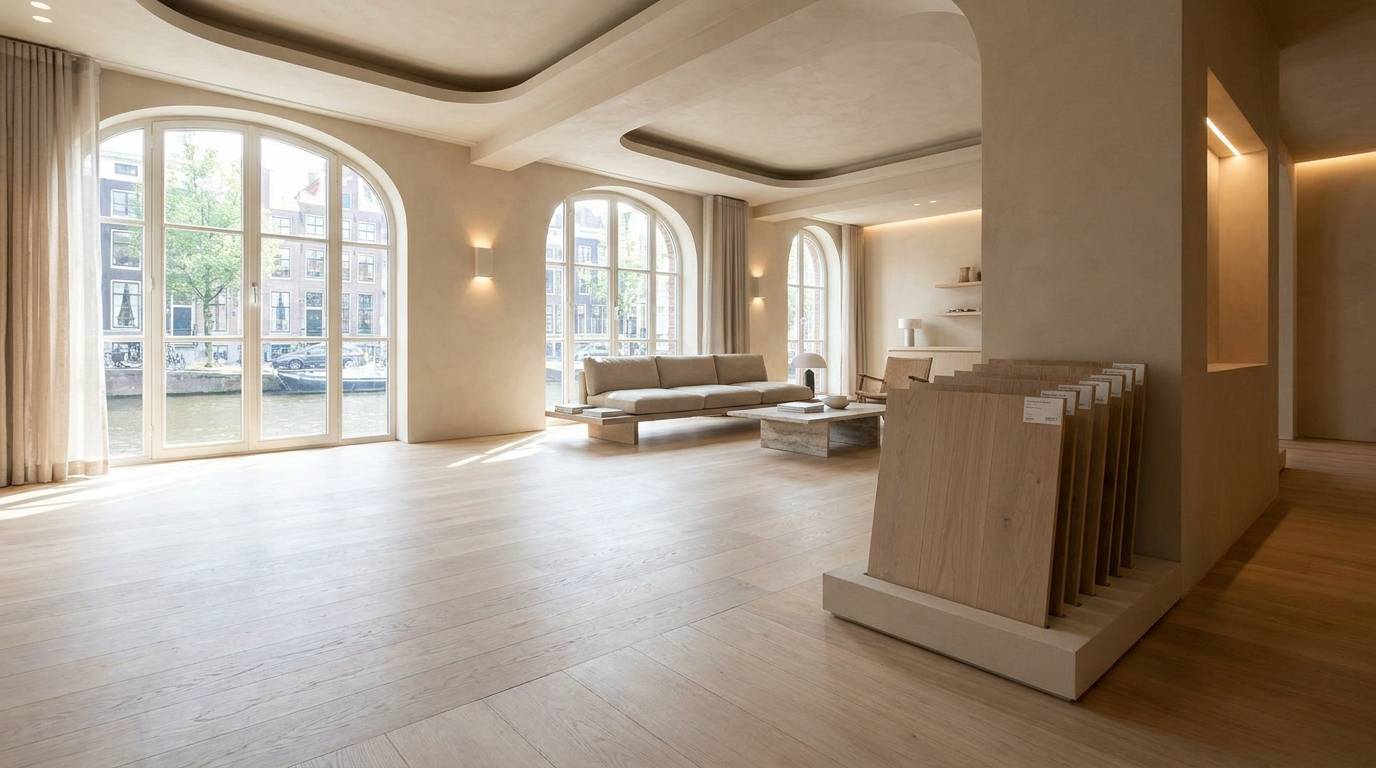
Amsterdam White Oak Engineered Hardwood Flooring for Commercial Projects
Selecting flooring for a commercial property involves more than choosing an attractive color. Businesses must consider durability, maintenance, installation conditions, long-term appearance, and the demands of daily use. For hotels, offices, retail spaces, apartments, and hospitality developments, flooring also shapes the impression a property creates for visitors, tenants, and customers. Amsterdam white oak engineered hardwood…
-
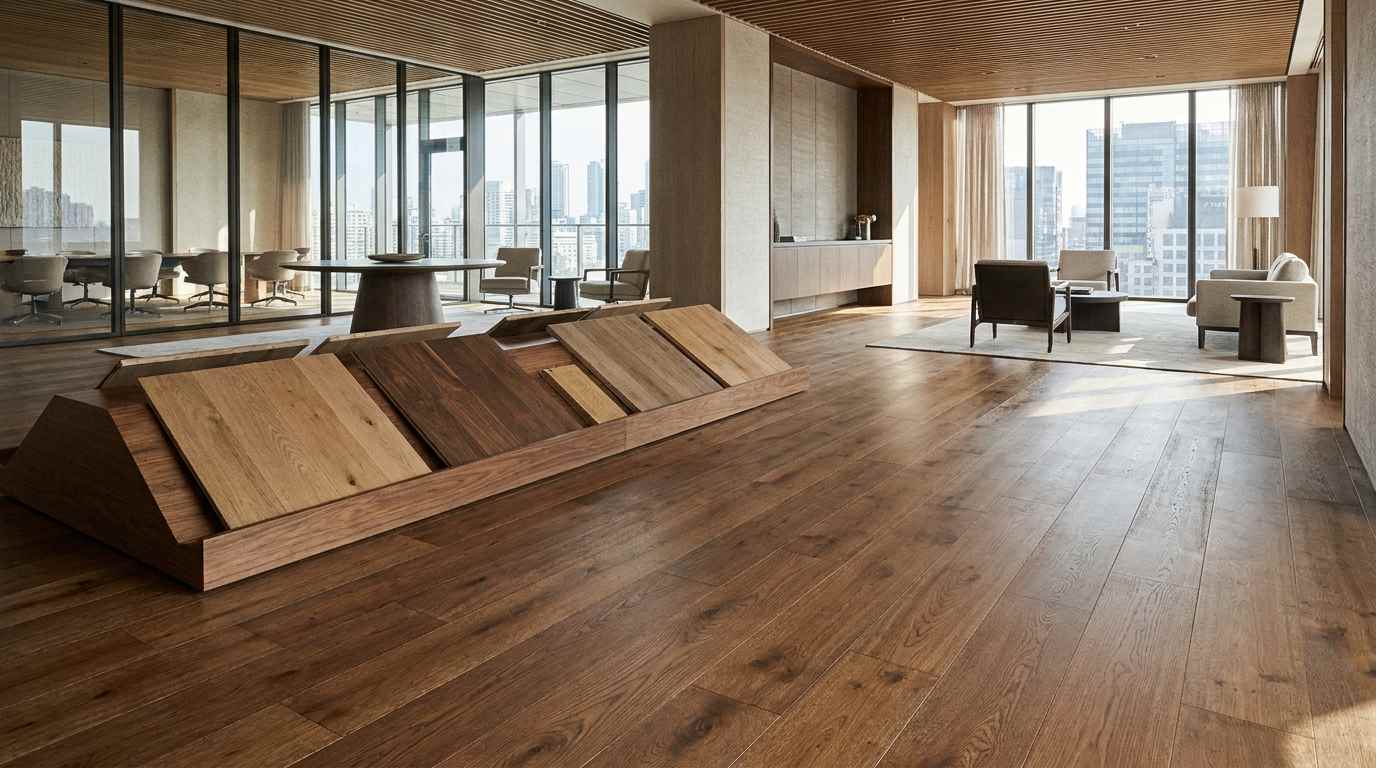
What B2B Buyers Should Look for in an Engineered Wood Flooring Supplier
Selecting the right flooring manufacturer is an important decision for businesses involved in construction, property development, interior design, and wholesale distribution. For B2B buyers, flooring procurement involves more than finding an attractive product at a competitive price. Every order must meet agreed specifications, arrive within the required timeframe, and deliver consistent quality across the entire…
-
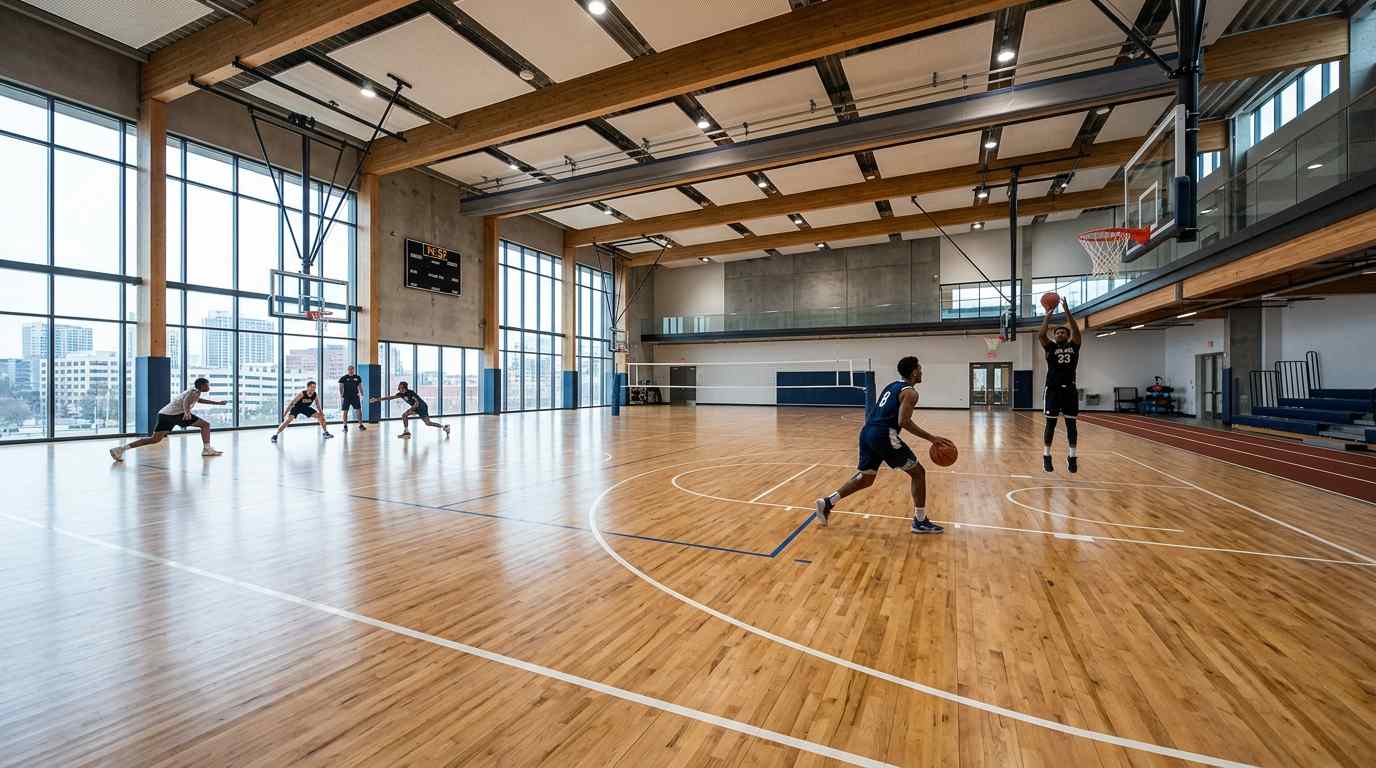
What Is a Wood Gym Floor? Expert Guide for Sports Facilities
The floor is one of the most important elements in an indoor sports facility. It affects how athletes move, stop, jump, land, and change direction. It also influences comfort, maintenance, and the appearance of the venue. For basketball courts, school gyms, training centers, and multipurpose halls, choosing suitable flooring is an important part of the…
- By:PT. Jati Luhur Agung
- Category: Wood Flooring
- 0 comment