When homeowners talk about renovating their living space, the basement often becomes a challenging yet exciting area to design. In recent years, basements are no longer considered dark, damp, and unused spaces; instead, they have transformed into home offices, gyms, cozy entertainment rooms, or even guest suites. This trend has sparked an important question what type of flooring works best in basements?
Among the many options available, engineered wood flooring has gained popularity due to its durability, stability, and natural beauty. Specifically, many design experts highlight the practicality of using engineered wood floor in basement settings where conditions are often less than ideal for traditional hardwood.
Unique Conditions of a Basement

Basements present very different environmental challenges compared to upper-level rooms. Factors like moisture, humidity, and fluctuating temperatures play a crucial role in determining the right type of flooring. Unlike living rooms or bedrooms, a basement is typically located below ground level. This means it is more susceptible to water seepage, condensation, and limited airflow.
Concrete subfloors are another defining feature. While they provide stability, concrete can also trap cold and create dampness if not managed properly. Using flooring that cannot withstand these conditions often leads to warping, swelling, or mold growth.
This is where engineered wood floor in basement environments demonstrates its advantages. Thanks to its layered construction, engineered wood resists expansion and contraction much better than solid hardwood. Its stability under changing humidity makes it suitable for areas where traditional wood would likely fail.
Homeowners should also consider the lifestyle purpose of their basement. A basement transformed into a family entertainment hub will demand flooring that not only looks great but also holds up against daily use. Meanwhile, a home gym or office in the basement benefits from flooring that feels comfortable underfoot yet provides stability. Engineered wood meets these diverse needs without compromising design appeal.
Pros and Considerations Engineered Wood Flooring in Basements

Choosing flooring for a basement is not just about aesthetics, it’s about performance. When reviewing the pros and considerations of usingengineered wood floor in basement projects, it becomes clear that this option offers unique advantages compared to solid hardwood or other materials. The following points highlight why many homeowners are turning to engineered wood for their lower-level living spaces:
- Moisture Resistance
The plywood or high-density fiberboard core of engineered wood provides dimensional stability. This layered structure minimizes the risk of warping, unlike solid hardwood that reacts dramatically to moisture changes.
- Natural Beauty
Even though it is engineered, the surface layer is real wood veneer. This gives basements the same warm, elegant look as traditional wood floors without compromising functionality.
- Ease of Installation
Engineered wood can be installed as a floating floor, glued, or stapled down. Many homeowners appreciate this flexibility, especially when dealing with concrete subfloors in basements.
- Durability
High-quality options are designed to withstand heavy foot traffic, making them ideal for basements converted into game rooms, home gyms, or living spaces.
- Design Variety
Another benefit is the wide range of species, finishes, and textures available. From rustic oak to sleek walnut, engineered wood gives basements a stylish touch that aligns with the overall aesthetic of the home.
Of course, there are considerations to keep in mind. Proper moisture barriers are essential to prevent long-term damage. Regular maintenance, such as cleaning spills promptly and using dehumidifiers, can extend the life of the flooring. Homeowners should also remember that while engineered wood is more moisture-resistant than solid hardwood, it is not waterproof. Careful planning and installation are key to ensuring it lasts for decades.
But there is a question: Will you compare several types of wood such as Solid, Laminate, and Engineered Wood Flooring?
During this stage of planning, many homeowners turn to reliable suppliers to ensure quality and proper installation guidance. We are with decades of expertise in wood craftsmanship, provides premium engineered flooring solutions designed to perform beautifully even in demanding spaces like basements. Partnering with experts ensures you not only get high-quality products but also professional insight on how to manage the environment of your basement effectively.
Think of it this way, investing in engineered flooring is not just about the material it’s about gaining peace of mind that your basement will stay comfortable, attractive, and functional over the years.
Why Engineered Wood is a Smart Choice for Basements

When weighing the options, it’s clear that engineered wood flooring offers a balance of durability, beauty, and practicality. Its unique construction is specifically designed to address environmental challenges, which is why designers often recommend engineered wood floor in basement renovations.
Unlike vinyl or tile, engineered wood creates a warm and inviting atmosphere that feels like an extension of the main living space rather than a cold storage room. The real wood veneer allows you to choose from a variety of species, stains, and finishes, ensuring that your basement reflects your personal style.
Another reason why it stands out is long-term value. Basements renovated with engineered wood flooring not only provide comfort and utility but also increase property appeal. For homeowners who want to transform their basements into functional living areas, this type of flooring is a smart investment that combines both style and strength.
Imagine a family basement redesigned with engineered oak floors, suddenly, the space feels cozy and refined rather than utilitarian. Or picture a modern home office set against engineered walnut flooring that exudes professionalism and elegance. These design choices show how basements can evolve into valuable, livable areas.
Consider how today’s homes are evolving flexible, multifunctional spaces are in demand. From cozy lounges to fitness areas, engineered wood provides the adaptability needed for modern lifestyles. And because basements often require careful design choices, going for a product that thrives in such conditions is simply logical.
Beyond design and durability, engineered wood also represents a more sustainable choice. Many manufacturers, such as Jati Luhur Agung, prioritize eco-friendly sourcing and responsible forestry practices, ensuring that every plank is produced with respect for the environment. This means you’re not only improving the comfort and style of your basement but also contributing to a greener future. It’s truly a win-win decision, where your home gains elegance and resilience while the planet benefits from conscious resource management.
By selecting engineered wood floor in basement renovations, homeowners become part of a system that values natural resources and promotes responsible manufacturing. The layered construction of engineered wood uses timber more efficiently, reducing waste without compromising the authentic beauty of real wood. In the long run, this thoughtful choice provides warmth, character, and long-lasting value for today’s homes while leaving a positive legacy for future generations.
So, what are you waiting for? Still looking for an expert consultation that understands your needs? You know where to go. Click the button below to get the best consultant!
-
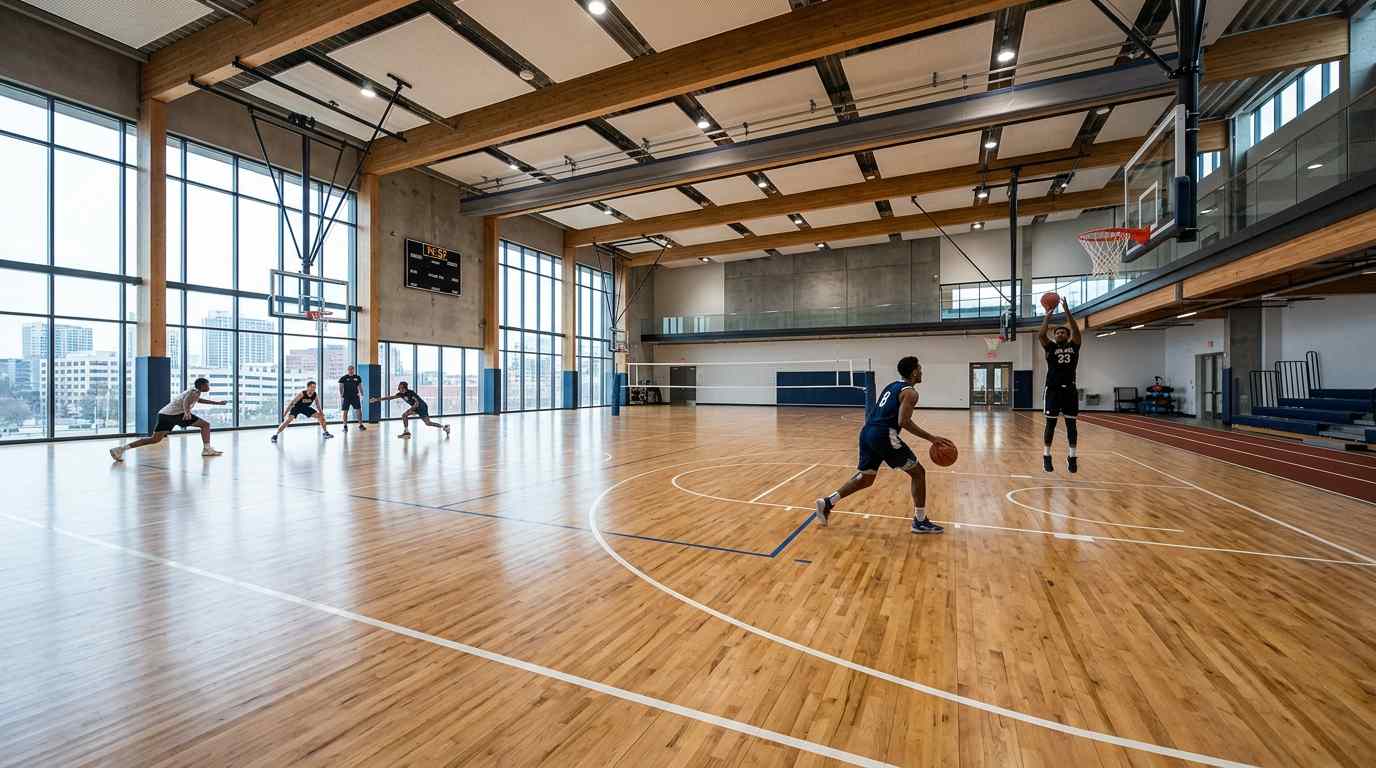
What Is a Wood Gym Floor? Expert Guide for Sports Facilities
The floor is one of the most important elements in an indoor sports facility. It affects how athletes move, stop, jump, land, and change direction. It also influences comfort, maintenance, and the appearance of the venue. For basketball courts, school gyms, training centers, and multipurpose halls, choosing suitable flooring is an important part of the…
-
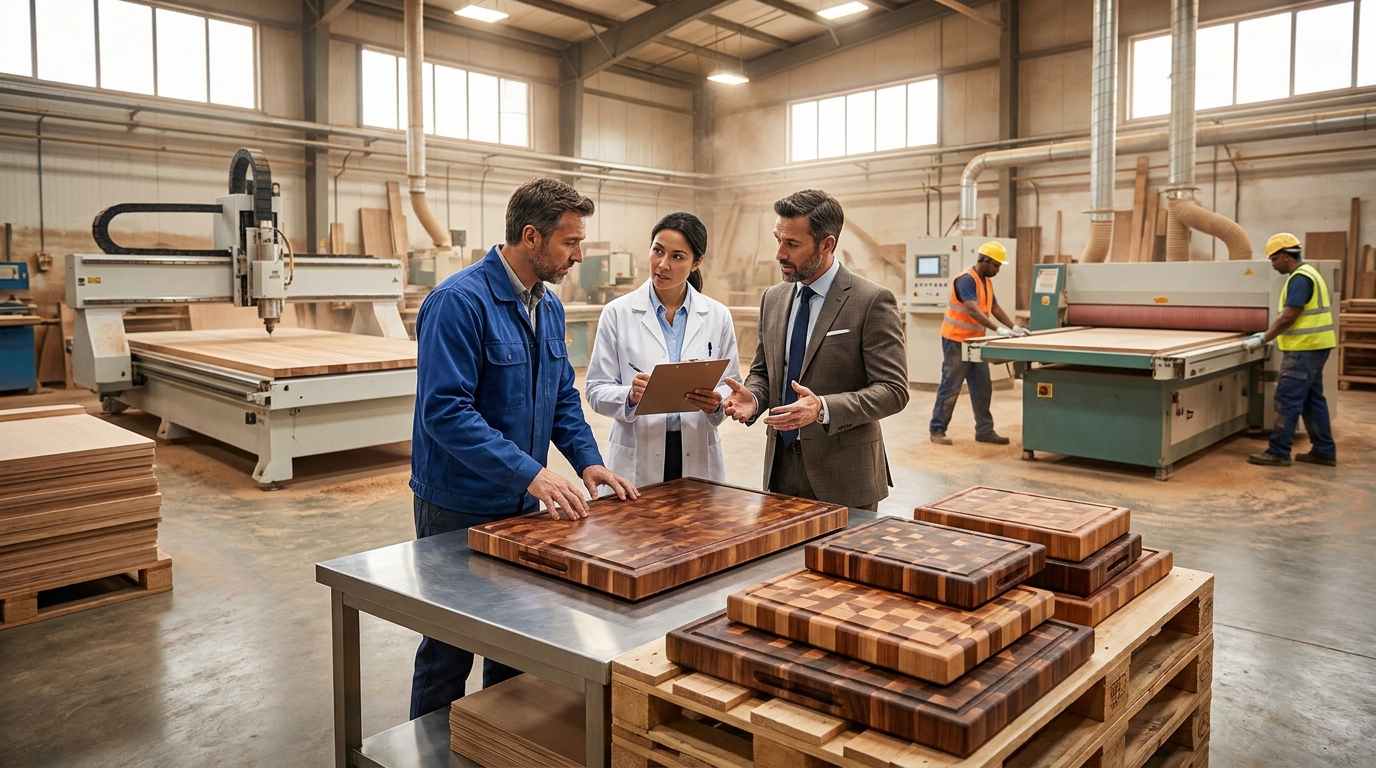
What to Look for in an End Grain Cutting Board Manufacturer
Choosing the right cutting board manufacturer can be more important than it first appears. For retailers, distributors, restaurant suppliers, and kitchenware brands, the manufacturer behind a product directly influences its consistency, appearance, durability, and overall customer experience. A cutting board may look simple, but producing one that performs well requires careful material selection, precise processing,…
-
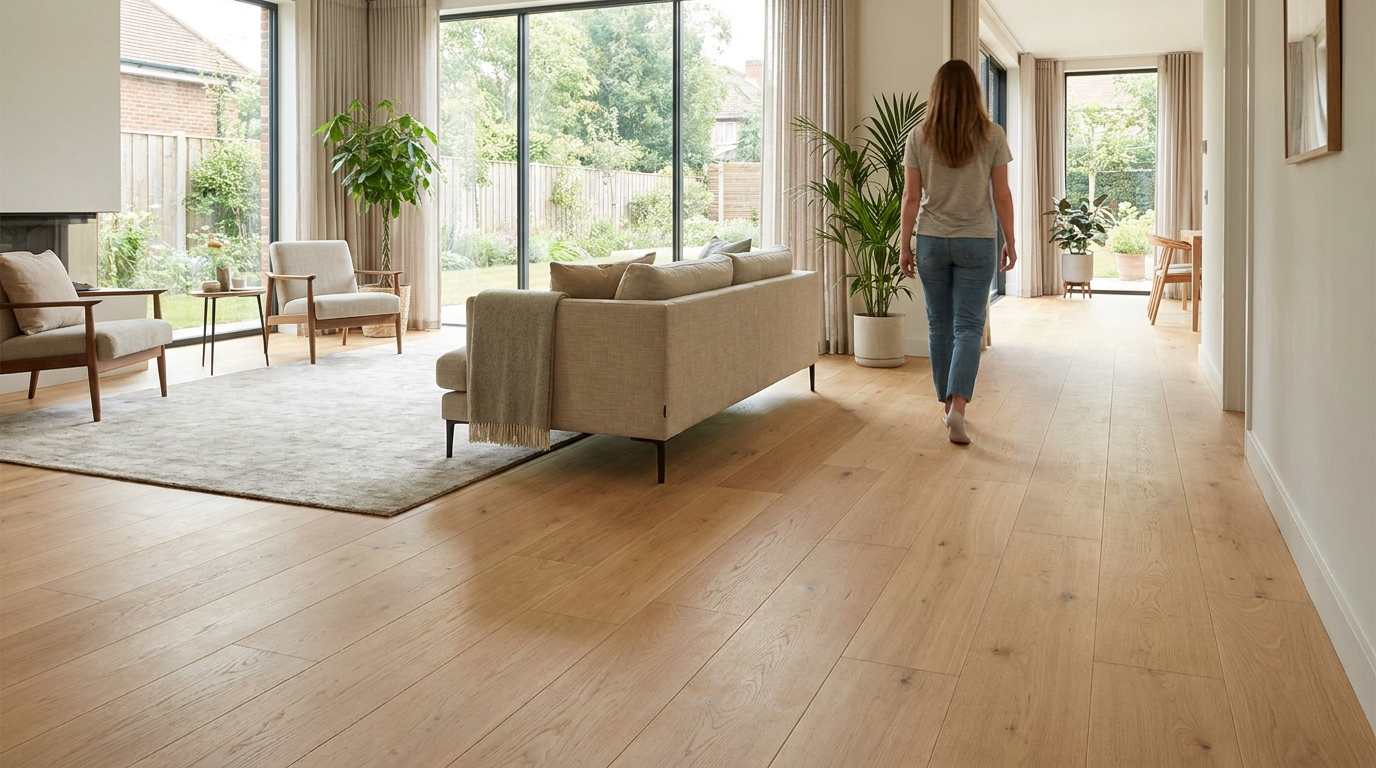
Hevea Engineered Flooring Tips for Better Performance and Longevity
Hevea engineered flooring can bring a warm, natural character to an interior while offering the practical structure needed for everyday use. Made with a real wood surface and engineered construction, this flooring can be a suitable choice for homes, offices, hospitality spaces, and other interiors where appearance and stability both matter. However, good performance does…
- By:PT. Jati Luhur Agung
- Tags: engineered wood, flooring basement
- Category: Wood Flooring
- 0 comment