Flooring choices play a major role in how a home looks, feels, and functions over time. Homeowners today are not only focused on appearance but also durability, comfort, and long-term value. One flooring option that continues to attract attention is engineered hardwood planks, a material designed to balance natural beauty with modern performance. This type of flooring has gained popularity because it adapts well to different living environments while maintaining the charm of real wood.
Unlike traditional wood flooring options that can be sensitive to moisture and temperature changes, this flooring solution is designed to offer greater structural stability. It suits homeowners who want the warmth of wood without the common limitations associated with solid timber. Understanding how it is made, where it works best, and how it compares to other materials can help buyers make confident decisions for their homes.
How Engineered Hardwood Planks Are Constructed

The construction process is what gives this flooring its unique strength and versatility. Instead of being milled from a single piece of timber, it is built using multiple layers of wood bonded together. The top layer is a real hardwood veneer, carefully selected to showcase natural grain patterns, color variation, and texture. This surface layer is what gives the floor its authentic wood appearance.
Beneath the veneer lies a core made from several layers of plywood or high-density fiberboard. These layers are arranged in a cross-grain pattern, meaning each layer runs in a different direction.
This structure minimizes expansion and contraction caused by humidity or temperature changes. As a result, the flooring remains more stable than traditional wood flooring, even in challenging indoor conditions.
The bottom layer acts as a balancing layer. It reinforces the overall structure and helps prevent warping over time. Adhesives used in the bonding process are designed to provide long-term strength while meeting modern indoor air quality standards. Precision cutting ensures each plank fits tightly with the next, creating a smooth and seamless surface once installed. Because of this layered design, manufacturers can use less slow-growing hardwood while still delivering a premium surface. This efficient use of materials is one reason why engineered hardwood planks are often considered a practical and forward-thinking flooring solution for modern homes.
Engineered Hardwood vs Solid Wood: Which One Is Actually Right for You
This comparison gets framed badly in most flooring guides. Solid wood is often positioned as the premium, aspirational choice and engineered hardwood as the practical compromise. That framing misses the point. For many American homeowners and many installation environments, engineered hardwood is not the compromise. It is the better choice. The question is understanding which situations call for which product.
Where Solid Wood Has the Edge
Solid wood flooring can be sanded and refinished more times than any engineered product. A thick solid plank can go through eight or more refinishing cycles over its lifetime, which means a well-maintained solid wood floor can genuinely last a century. For buyers in dry, climate-controlled environments with stable humidity, who want a floor they will keep for decades and refinish every ten to fifteen years, solid wood makes sense. It also has a solidity underfoot that some buyers prefer, particularly in formal living spaces.
Where Engineered Hardwood Performs Better
Engineered hardwood handles moisture variation better, installs in more locations, and works over subfloor types where solid wood cannot go. Concrete subfloors are common in American homes, particularly in newer construction in Texas and the Southwest, and in finished basements across the Midwest. Solid wood should not be installed over concrete. Engineered hardwood can be. Similarly, if you want wood flooring in a kitchen, a finished basement, or a space with radiant floor heating, engineered hardwood is the appropriate product. Solid wood in those environments is a gamble that rarely ends well.
How Engineered Hardwood Planks Are Built and Why It Matters
Most buyers know that engineered hardwood has a real wood surface. Fewer understand why the construction underneath that surface makes such a meaningful difference in real-world performance. The layered design is not a cost-cutting shortcut. It is an engineering solution to a genuine problem: solid wood moves, and in the varied climates and living conditions of American homes, that movement causes real headaches.
An engineered hardwood plank is built from three functional layers. The top layer is a slice of real hardwood veneer, typically ranging from 2mm to 6mm in thickness depending on the quality tier. This is the layer you see, walk on, and refinish. It can be any species: oak, walnut, hickory, maple, or tropical hardwoods like teak. Beneath the veneer is the core, built from multiple layers of plywood or high-density fiberboard arranged in a cross-grain pattern. Each layer runs perpendicular to the one above it, and this cross-laminated structure is what gives engineered planks their dimensional stability. The bottom layer is a balancing layer that mirrors the top and prevents the plank from cupping or warping over time.
The practical result of this construction is a plank that responds far less dramatically to changes in humidity and temperature than solid wood. In a Seattle home where humidity shifts significantly between a wet winter and a dry summer, or in a Denver property with forced-air heating that drops indoor humidity in the cold months, solid wood will expand and contract noticeably across those seasons. Engineered planks do move, but the degree of movement is much smaller and far less likely to produce the gapping, crowning, or buckling that plagues solid wood in challenging environments.
Don’t Confuse Engineered Hardwood with Solid Wood

At first glance, engineered flooring and solid wood flooring may look almost identical. Both showcase real wood surfaces, natural textures, and rich tones. However, their internal structure sets them apart in important ways that affect performance, maintenance, and installation.
Solid wood flooring is made from a single piece of timber throughout its thickness. While it offers timeless appeal, it is more sensitive to moisture and temperature shifts. In humid environments, solid wood may expand, while in dry conditions it can shrink or crack. These natural movements often limit where solid wood can be installed safely.
In contrast, engineered hardwood planks are designed to handle environmental changes more effectively. Their layered construction reduces movement, making them suitable for a wider range of spaces. They can be installed over concrete subfloors and even in areas where solid wood is not recommended.
Another difference lies in installation methods. Solid wood typically requires nail-down installation, which can increase labor time and costs. Engineered options can be installed using floating, glue-down, or nail-down methods, offering greater flexibility for different projects.
Refinishing potential also differs. Solid wood can be sanded and refinished multiple times over its lifespan. Engineered flooring may also be refinished, depending on the thickness of the top veneer. High-quality options allow for several refinishing cycles, extending their usable life while preserving the original look.
Where You Can Use Engineered Hardwood Planks in Your Home?

One of the most appealing features of this flooring type is its versatility. It works well in many areas where traditional wood flooring may struggle. Living rooms and bedrooms are popular choices, as the material provides warmth, comfort, and visual appeal without sacrificing durability.
Kitchens are another common location. While wood flooring in kitchens was once discouraged, engineered hardwood planks handle occasional spills and fluctuating humidity better than solid wood. When properly sealed and maintained, they can perform reliably in these busy spaces.
Basements and lower-level rooms also benefit from this flooring option. Because these areas often experience higher moisture levels, solid wood flooring is typically avoided. Engineered construction offers improved resistance to moisture-related issues, making it a practical alternative for finished basements and home offices.
Hallways and entryways experience heavy foot traffic, which demands a durable surface. High-quality finishes applied to engineered flooring provide resistance to wear and scratches, helping the floor maintain its appearance over time. With proper care, it can withstand daily use in active households.
Even apartments and condominiums with concrete subfloors can accommodate this type of flooring. Its adaptable installation methods allow homeowners and designers to achieve a wood look without extensive subfloor modifications.
An Honest Comparison Engineered Hardwood vs Vinyl Plank
This is one of the most searched flooring comparisons in the US right now, and it reflects a genuine dilemma. Luxury vinyl plank has improved dramatically over the past decade. It is waterproof, durable, inexpensive, and increasingly convincing in its wood-look finishes. For some buyers and some spaces, it is the right answer. But there are meaningful differences that matter over time, and understanding them helps you make a decision you will not regret five years from now.
The Case for Engineered Hardwood
The surface of an engineered hardwood plank is real wood. That distinction matters in ways that are hard to quantify in a spec sheet but immediately apparent when you live with the floor. Real wood has natural variation in grain and tone that synthetic products replicate well at launch but that tends to look more artificial over time as the floor shows wear. Real wood can be refinished, which means surface scratches and dullness can be reversed. Vinyl plank cannot be refinished. When it looks worn, it needs to be replaced.
Engineered hardwood also adds measurable resale value to a home. Real estate data consistently shows that hardwood flooring is a positive factor in home valuation, and buyers in competitive markets in cities like Nashville, Portland, and Austin respond well to it. Vinyl plank, however realistic its appearance, is not hardwood and does not carry the same weight in a buyer’s perception of quality.
The Case for Vinyl Plank
If your priority is full waterproofing, maximum scratch resistance, and the lowest possible installed cost, vinyl plank is a legitimate choice. It is the better option for bathrooms, for households with young children where spills are constant, and for rental properties where the floor needs to withstand heavy use and be easy to clean. For those use cases, the fact that it cannot be refinished is less relevant because the floor is not expected to have a 30-year lifespan anyway.
Environmental Impact of Engineered Hardwood Planks
Sustainability has become an important consideration in modern home design, and flooring materials play a significant role in environmental impact. Engineered hardwood planks are often viewed as a more resource-efficient option compared to traditional solid wood flooring.
Because only a thin layer of hardwood is used on the surface, manufacturers can maximize the yield from each tree. This approach reduces the demand for slow-growing hardwood species and helps conserve forest resources. The core layers often utilize fast-growing wood species or recycled wood fibers, further improving material efficiency.
Many manufacturers follow responsible forestry practices and source wood from certified forests. These certifications ensure that trees are harvested in a way that supports forest regeneration and biodiversity. Additionally, advances in manufacturing technology have reduced waste and improved energy efficiency during production.
Indoor air quality is another environmental factor. Modern adhesives and finishes used in engineered flooring are designed to emit low levels of volatile organic compounds. This contributes to healthier indoor environments, especially for families with children or individuals sensitive to air quality.
Longevity also plays a role in sustainability. Flooring that lasts longer reduces the need for frequent replacement, which in turn lowers material consumption and waste. With proper maintenance, engineered hardwood planks can remain attractive and functional for decades, supporting a more sustainable approach to home improvement.
In the end, flooring should feel like a natural extension of the home itself, comfortable, dependable, and visually timeless. It is not simply a surface to walk on, but a foundational element that supports daily routines, personal style, and long-term comfort. When flooring performs well, it quietly enhances the atmosphere of a space without demanding constant attention or maintenance.
Understanding how different materials respond to wear, moisture, temperature changes, and everyday use makes it easier to choose a solution that aligns with both lifestyle and design goals. A well-informed choice helps homeowners avoid common frustrations such as warping, excessive noise, or premature aging. Instead, it allows each room to feel cohesive, balanced, and welcoming from the moment someone enters.
The Disadvantages of Engineered Hardwood: What You Need to Know Before You Buy
Any flooring guide that only covers the positives is not giving you the full picture. Engineered hardwood has real advantages, but it also has limitations that are worth understanding before you commit. These are not dealbreakers for most buyers, but they are factors that should shape how you specify the product and what you expect from it over time.
Limited Refinishing Compared to Solid Wood
This is the most frequently cited disadvantage, and it is a real one. Because the top layer is a veneer rather than a full-thickness plank, there is a limit to how many times the surface can be sanded before the veneer is exhausted. A 2mm veneer cannot be refinished at all without risking damage to the core. A 4mm to 6mm veneer can typically be refinished two to four times. For buyers accustomed to solid wood floors that can be renewed repeatedly over decades, this is a meaningful constraint. The practical implication is that veneer thickness should be a non-negotiable specification point when purchasing, not an afterthought.
Not Fully Waterproof
Engineered hardwood handles moisture variation better than solid wood, but it is not waterproof. Standing water left on the surface will eventually penetrate the seams and damage the core. This rules it out for bathrooms and makes it a careful choice for kitchens and laundry areas where large spills or appliance leaks are a realistic risk. In those spaces, prompt cleanup and proper sealing are essential. If you want wood-look flooring in a bathroom or want genuine peace of mind in a kitchen with young children, luxury vinyl plank is the more appropriate choice.
Quality Varies Significantly Across Price Points
The term ‘engineered hardwood’ covers an enormous range of product quality. A budget engineered plank at three dollars per square foot and a premium plank at twelve dollars per square foot are both marketed with the same label, but they will perform very differently. The difference is almost entirely in the veneer thickness and the quality of the core construction. Thin veneers over low-quality cores delaminate, cup, and show wear quickly. Investing in a product with a minimum 3mm veneer and a certified plywood core is the single most effective way to avoid buyer’s remorse with this category.
Cannot Be Installed in All Conditions
While engineered hardwood is more versatile than solid wood, it still has installation requirements that need to be respected. The subfloor must be flat, dry, and within acceptable moisture content levels. In homes with significant subfloor moisture issues, even engineered hardwood will eventually fail. Crawl space homes in humid parts of the Southeast, or basements with known water infiltration problems, need those issues resolved before any wood-based flooring is installed regardless of how it is constructed.
How Much Does Engineered Hardwood Flooring Cost in the US
Cost is one of the first questions buyers ask, and it is also one of the most variable. Engineered hardwood spans a wider price range than almost any other flooring category because the quality gap between the bottom and top of the market is so significant. Understanding what drives cost helps you make a smarter decision than simply choosing the lowest price per square foot.
Material Cost by Quality Tier
Budget engineered hardwood typically runs from $2 to $4 per square foot for materials. These products almost always have thin veneers of 2mm or less, lower-quality core construction, and limited finish warranties. They will look acceptable at installation but show wear relatively quickly and cannot be refinished. For a rental property or a short-term installation, they serve their purpose. For a home you plan to live in for years, they are rarely the best value.
Mid-range engineered hardwood falls between $4 and $8 per square foot. This tier includes products with 3mm to 4mm veneers, solid plywood cores, and factory finishes with meaningful warranties. This is where most residential buyers should be shopping. The performance-to-cost ratio at this tier is strong, and the products are durable enough to last 20 to 30 years with proper maintenance.
Premium engineered hardwood runs from $8 to $15 or more per square foot. These products feature thick veneers of 4mm to 6mm, multi-ply Baltic birch or hardwood cores, and factory finishes with aluminum oxide or similar hard-wearing topcoats. They are refinishable multiple times, carry long warranties, and are the appropriate specification for high-use spaces or buyers who want a floor that will serve the home for 30 to 40 years.
Installation Cost
Professional installation of engineered hardwood adds $3 to $8 per square foot depending on the method, regional labor rates, and project complexity. Floating installation is at the lower end of that range. Glue-down over concrete, or installations requiring significant subfloor preparation, sit at the higher end. In high cost-of-living markets like Seattle or Portland, labor costs will be at or above the top of that range. For a standard 500 square foot living area at mid-range specification with professional floating installation, a total installed cost of $4,000 to $7,000 is a realistic expectation.
How to Maintain Engineered Hardwood Planks and Make Them Last
Engineered hardwood is not a zero-maintenance floor, but the care it requires is straightforward and takes very little time when done consistently. The most common reason engineered floors fail prematurely is not product quality but neglect of basic maintenance routines. Following a simple schedule will keep your floor looking good and performing well for the full extent of its intended lifespan.
Daily and Weekly Care
Sweep or dry dust mop daily in high-traffic areas to remove grit and dirt before it has a chance to scratch the finish. Grit tracked in from outside is the primary cause of finish wear on wood floors and is entirely preventable with consistent dry mopping. For a deeper clean, use a damp microfiber mop with a cleaning product specifically formulated for engineered or hardwood floors. Never use a wet mop, a steam mop, or a general-purpose floor cleaner. Steam and excess moisture are the two things most likely to cause lasting damage to an engineered wood floor, and steam mops will void the warranty of virtually every product on the market.
Protecting the Surface
Place felt pads under the legs of all furniture. A chair or table leg dragged across an engineered hardwood floor without protection leaves a scratch that goes through the finish and into the veneer. In entryways and at exterior doors, use rugs or mats to capture grit before it reaches the floor. In the kitchen, clean up spills immediately. Engineered hardwood handles incidental moisture well, but water left standing will work its way into the seams over time and cause swelling or delamination at the edges.
Refinishing
The timing and method for refinishing depends on the veneer thickness. A 4mm to 6mm veneer floor can be screened and recoated every three to five years to refresh the surface finish without full sanding. A full sand and refinish, which removes more material and addresses deeper scratches or staining, can typically be done once or twice on a mid-range veneer and two to four times on a premium thick-veneer product. Always have a flooring professional assess the veneer thickness before scheduling a refinish, as sanding a veneer that is too thin risks cutting through to the core layer and ruining the floor entirely.
For those seeking guidance and high-quality flooring solutions that reflect both craftsmanship and reliability, we are here as your trusted partner. With our experience, attention to detail, and a commitment to lasting value, Jati Luhur Agung helps transform living spaces into environments that feel complete and enduring. Take the next step toward a refined and dependable interior by connecting with us and exploring flooring options designed to elevate your home for years to come.
-
What Is a Wood Gym Floor? Expert Guide for Sports Facilities
The floor is one of the most important elements in an indoor sports facility. It affects how athletes move, stop, jump, land, and change direction. It also influences comfort, maintenance, and the appearance of the venue. For basketball courts, school gyms, training centers, and multipurpose halls, choosing suitable flooring is an important part of the…
-
What to Look for in an End Grain Cutting Board Manufacturer
Choosing the right cutting board manufacturer can be more important than it first appears. For retailers, distributors, restaurant suppliers, and kitchenware brands, the manufacturer behind a product directly influences its consistency, appearance, durability, and overall customer experience. A cutting board may look simple, but producing one that performs well requires careful material selection, precise processing,…
-
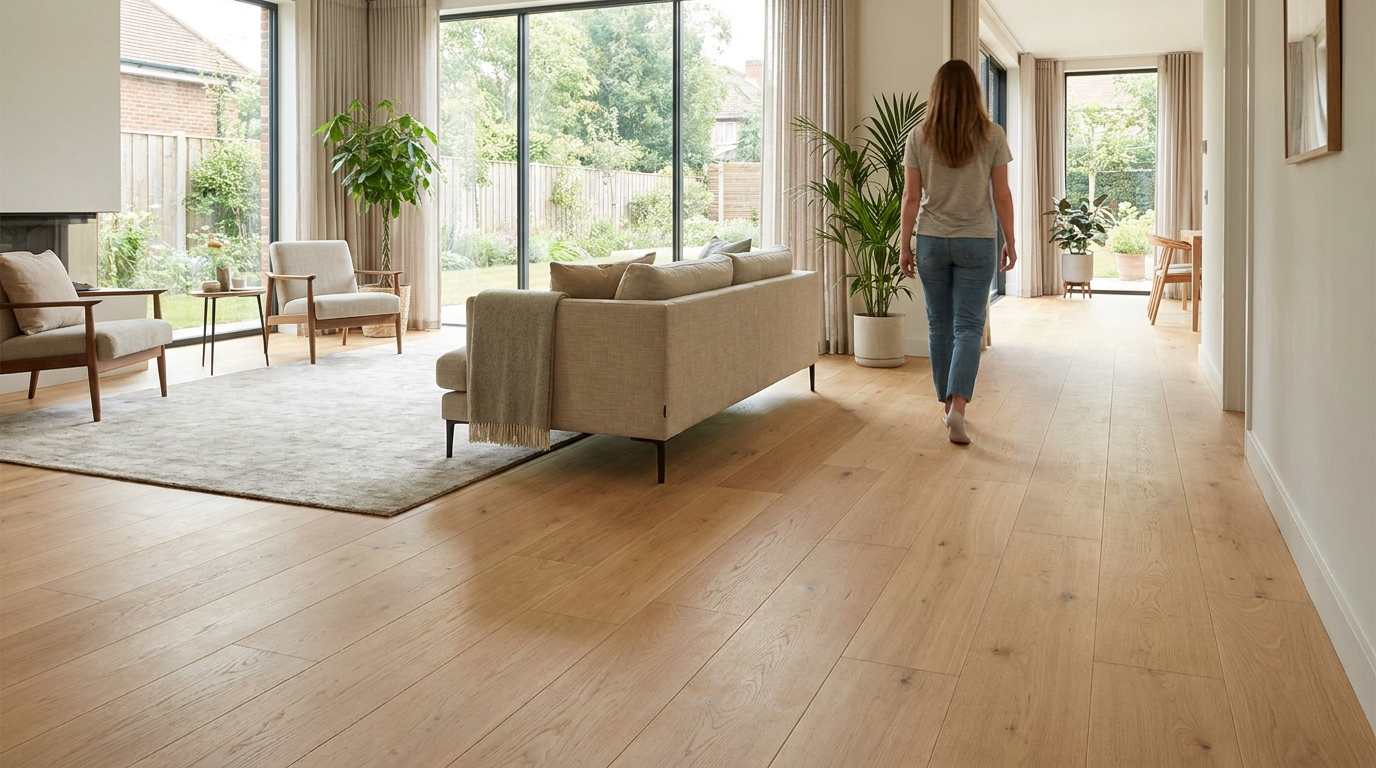
Hevea Engineered Flooring Tips for Better Performance and Longevity
Hevea engineered flooring can bring a warm, natural character to an interior while offering the practical structure needed for everyday use. Made with a real wood surface and engineered construction, this flooring can be a suitable choice for homes, offices, hospitality spaces, and other interiors where appearance and stability both matter. However, good performance does…
- By:PT. Jati Luhur Agung
- Tags: engineered wood, wood plank
- Category: Engineered Wood
- 0 comment