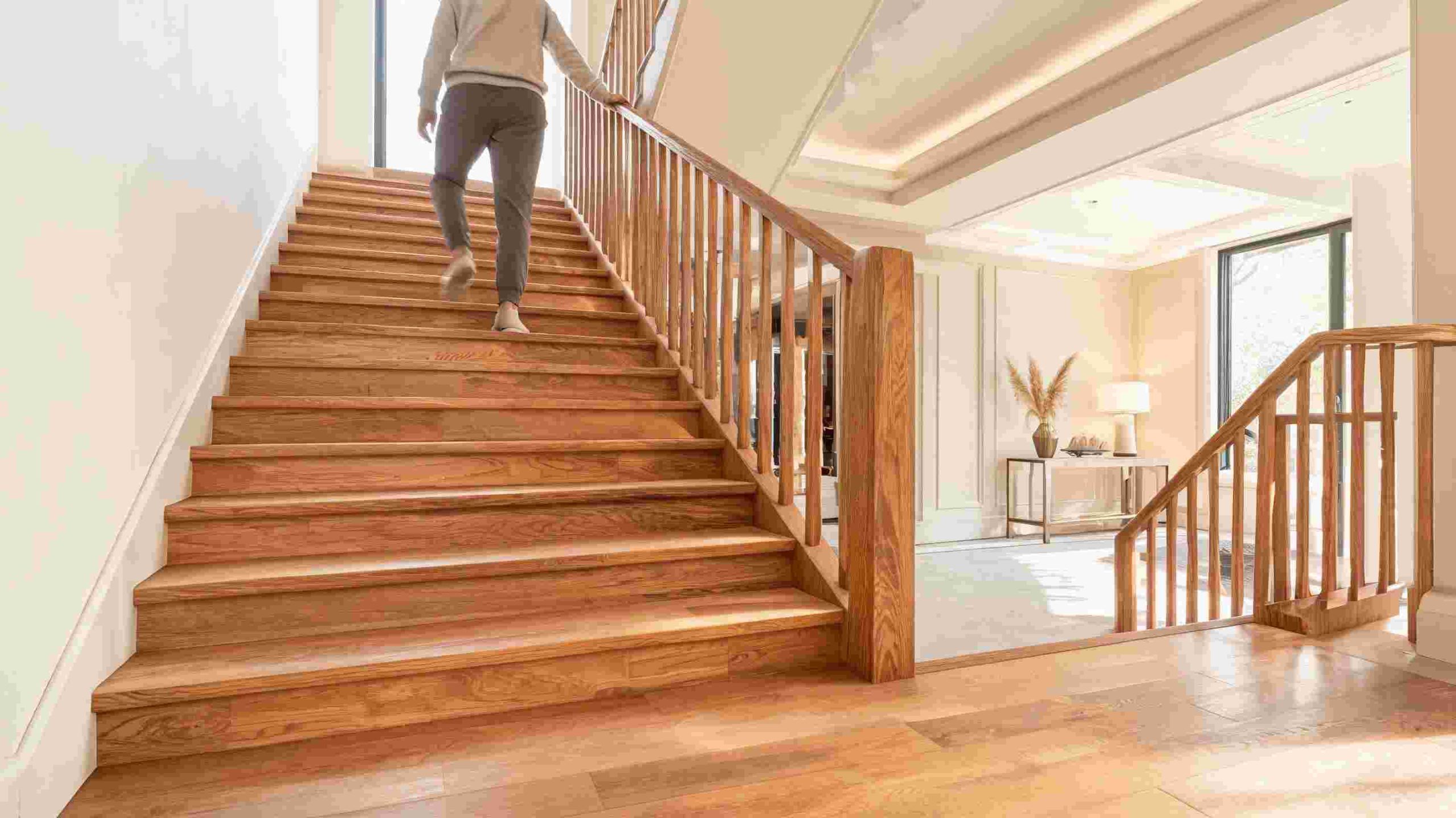
Staircases are no longer just functional passages between floors, they have become central features that define a home’s personality. In many modern interiors, homeowners are treating staircases like canvases where design, material, and craftsmanship meet. One of the most impressive ways to elevate a staircase is through cladding, and one of the best materials for this task is engineered wood. Using engineered wood flooring on stairs has become a trend in both contemporary and traditional homes because it blends durability with elegance.
Interior designers have noticed how much of an impact staircases can make. A beautifully clad staircase often becomes the first thing guests notice when they enter a home. It can change the atmosphere of a hallway, tie together different floors, and add sophistication without the need for expensive reconstruction. With the rise of engineered wood products, it is now easier to transform old or plain stairs into something that looks stylish and feels solid underfoot.
Engineered wood flooring offers a balance between form and function. It is manufactured with multiple layers, giving it stability against changes in temperature and humidity. At the same time, it has a top veneer of real hardwood, which provides the authentic grain, color, and texture people love. This makes it an excellent option for flooring throughout the house and especially for staircases, which demand both strength and beauty.
What is Staircase Cladding?

Staircase cladding is the process of upgrading an existing staircase by covering it with a new surface. Instead of rebuilding from scratch, the existing structure is kept as the base. New materials, such as engineered wood, are applied to the risers and treads. When done correctly, the old staircase is completely transformed into a fresh, elegant, and durable feature.
Homeowners appreciate cladding because it saves both time and money compared to total replacement. A staircase that looks worn, outdated, or mismatched can be rejuvenated simply by adding engineered wood flooring on stairs. Beyond improving the look, this method adds warmth underfoot, absorbs noise, and creates a more welcoming atmosphere.
Cladding also allows homeowners to unify the design of their home. For instance, if the downstairs living area is finished with engineered wood, extending that same look onto the staircase creates visual continuity. Instead of feeling like separate spaces, the floors flow seamlessly together. This design trick is often used by architects to give homes a more cohesive and upscale appearance.
Choosing The Right Engineered Wood for Staircase Cladding

While engineered wood is versatile, choosing the right type for staircase use is essential. Stairs endure more stress than flat floors, so not every option is suitable. Here are some critical factors that make the difference:
Durability is the top priority. Since stairs handle constant foot traffic, you need engineered wood with a thick wear layer ideally between 4 to 6 mm. This ensures longevity and makes refinishing possible down the line.
Safety cannot be ignored. A staircase should be beautiful but also practical to use every day. Glossy finishes may look sleek but can become slippery. Choosing a hand-scraped, brushed, or textured surface provides better grip, which is especially important for households with children or elderly members.
Design and color play a huge role. The stairs often act as a transition between two different levels of flooring. Matching shades create a unified look, while choosing a contrasting tone can make the staircase stand out as a design centerpiece. Darker woods bring formality and richness, while lighter woods make spaces feel open and airy.
Maintenance matters too. Staircases are prone to scuffs, dirt, and scratches. Engineered wood with a durable finish can withstand daily cleaning and resist staining. A matte or satin finish also helps disguise small imperfections that naturally occur over time.
Homeowners often rely on trusted suppliers to guide them through these choices. For example, we offers premium engineered wood designed not only for floors but also for specialty uses like stair cladding. Jati Luhur Agung range of colors, finishes, and thickness options makes it easier to find the right fit while ensuring durability and elegance. We manufacture and supply wood flooring and engineered wood that you can compare with solid and laminate flooring.
How to Install Engineered Wood Flooring on Stairs
Installing engineered wood flooring on stairs requires precision and careful planning. Unlike flat areas, stairs involve both vertical and horizontal surfaces, which means every step must be cut and measured individually. The process usually begins with preparation. The existing staircase must be stable. Any loose boards or uneven surfaces are fixed before installation. Cleaning the base thoroughly is also important to make sure adhesives bond properly.

Next is measurement and cutting. Each tread and riser is measured separately, as stairs are rarely perfectly uniform. Engineered wood planks are then trimmed to match the exact dimensions. This stage is time-consuming but ensures the final finish looks seamless and professional. Once the pieces are ready, installation starts with the risers, followed by the treads. Adhesives, combined with nails or screws, secure the engineered wood firmly to the base.
Special care is taken to align each plank so there are no gaps or uneven edges. Adding stair nosing is the next important step. This rounded edge at the front of each tread not only enhances safety by reducing wear but also gives the staircase a polished, finished appearance. Engineered wood nosing can be matched to the planks for consistency. Finally, the project ends with finishing touches. The stairs may be lightly sanded, sealed, or coated depending on the chosen wood finish. The result is a staircase that looks and feels brand new.
That is why choosing engineered wood flooring on stairs should be seen as more than a surface upgrade. It is an investment in design, durability, and everyday functionality. A staircase clad in engineered wood is no longer just a connector between floors, it becomes a design statement that enhances the entire home and adds lasting value. With the right material and the expertise of our service, any staircase can be transformed into a feature that is both timeless, elegant, and perfectly aligned with modern interior expectations.
Ready to transform a mere staircase into a timeless design statement that enhances your entire home’s value? Invest in the lasting beauty and durability of engineered wood.
-
Hevea Engineered Flooring Tips for Better Performance and Longevity
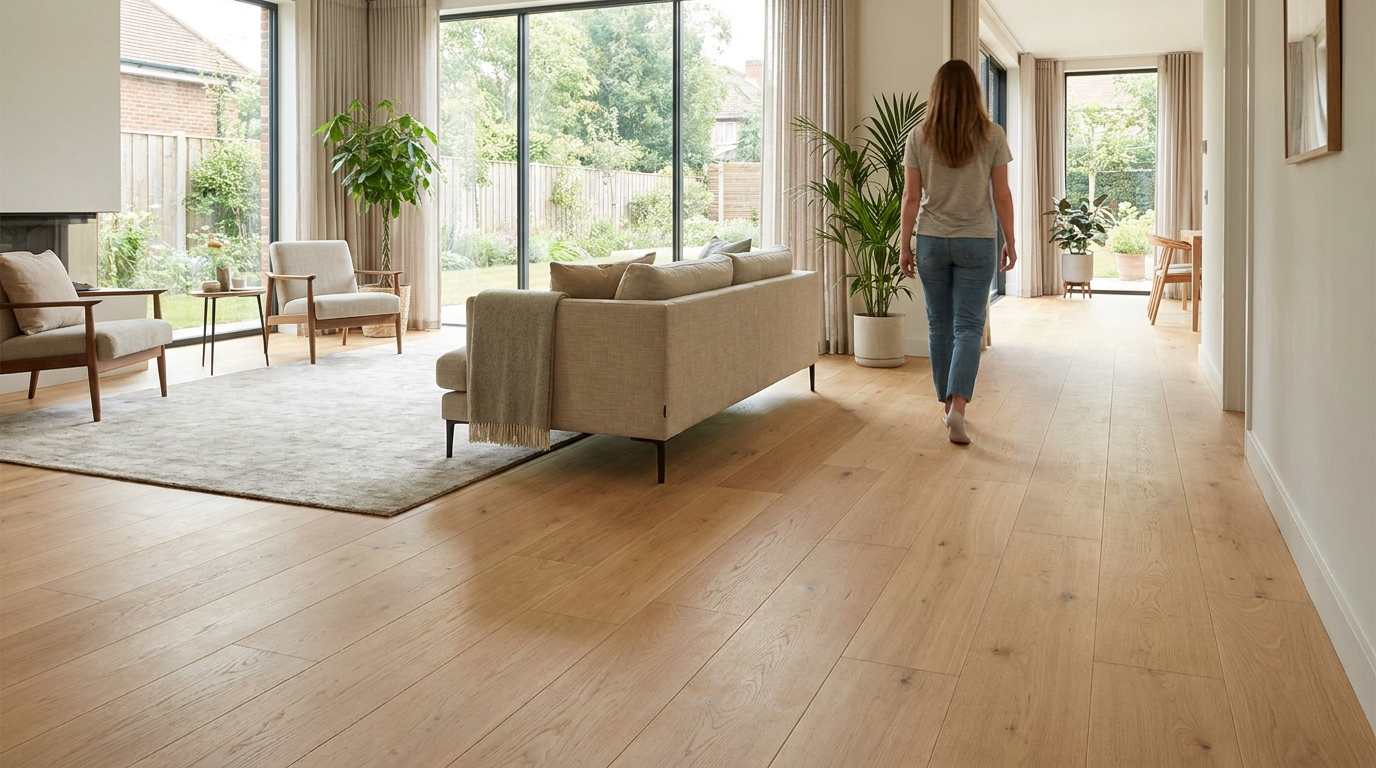
Hevea engineered flooring can bring a warm, natural character to an interior while offering the practical structure needed for everyday use. Made with a real wood surface and engineered construction, this flooring can be a suitable choice for homes, offices, hospitality spaces, and other interiors where appearance and stability both matter. However, good performance does…
-
Amsterdam Engineered Wood Flooring for Commercial Projects
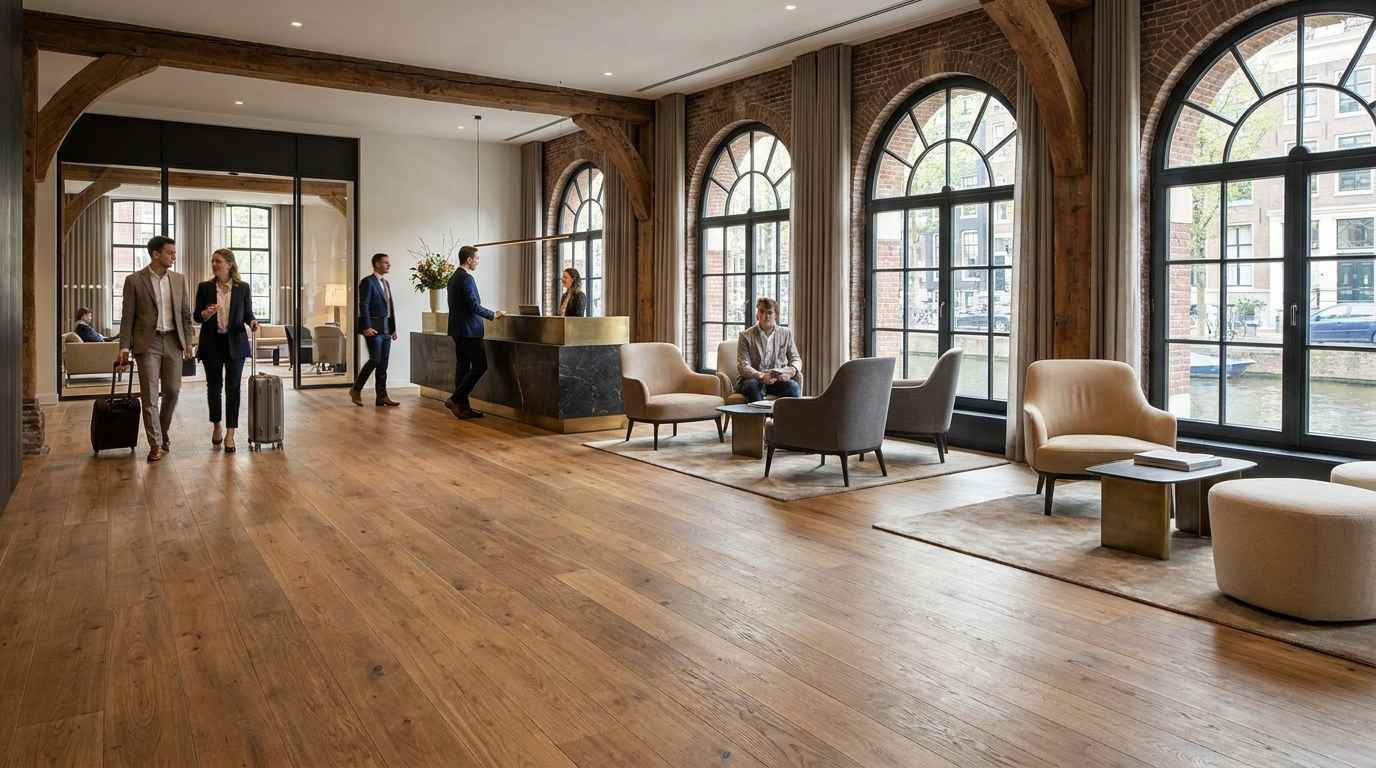
Amsterdam combines historic architecture with modern offices, hotels, restaurants, and retail spaces. Each setting has a different atmosphere, but flooring has to serve a common purpose: it should look good, cope with daily use, and remain practical to maintain. For designers exploring natural timber, Amsterdam engineered wood can offer a balance between visual character and…
-
Is Engineered Wood Flooring Suitable for Stairs?
Stairs are more than a way to move between floors. They are a visible part of an interior and become architectural details people notice. Because they are used every day, the material chosen for a staircase needs to balance appearance, durability, safety, and maintenance. Natural wood remains a popular option because it brings warmth and…
- By:PT. Jati Luhur Agung
- Tags: engineered wood
- Category: Wood Flooring
- 0 comment