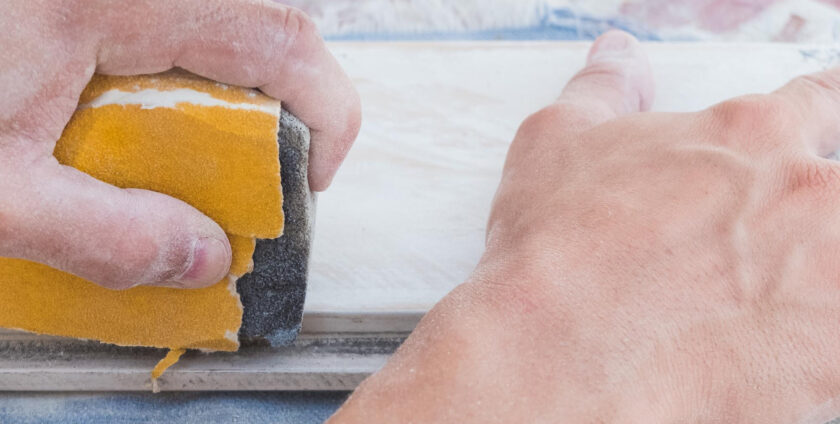
A wooden cutting board is one of the most frequently used kitchen utensils. From chopping fresh vegetables, preparing meat, bread or fruit, this board is a constant presence in every daily cooking process. Because wooden boards come into direct contact with various types of food, maintaining their cleanliness is crucial. One effective way to implement the method is washing wood cutting boards. It ensures they remain hygienic and free from the risk of bacterial contamination that can endanger your family’s health. Caring for wooden boards is certainly different from plastic boards, which can be washed with a dishwasher or regular detergent. Wooden boards require special care because excessive exposure to water or soap can damage their structure. If not careful, wooden boards can crack, warp, or become a breeding ground for bacteria. This leaves many people confused about how to properly care for wooden boards. Leading them to seek alternative methods that are both more practical and safer for the wood.
As stated above, an increasingly popular solution is the washing wood cutting technique, which emphasizes gentler cleaning. They use minimal water and light cleaning, plus regular maintenance with a coating of oil or wax. Specifically designed for wooden boards. This method keeps the board clean, odor-free and durable without the need for excessive washing after each use. It not only keeps the wooden board clean but also makes it more durable and comfortable to use. Here, we’ll cover the steps for caring for a wooden board in detail. From how to remove unpleasant odors, when to oil or wax, to tips for dealing with boards that are starting to warp or crack. With the right understanding, a wooden board can be a safe and practical kitchen utensil for the long term.
How Long Will It Take?
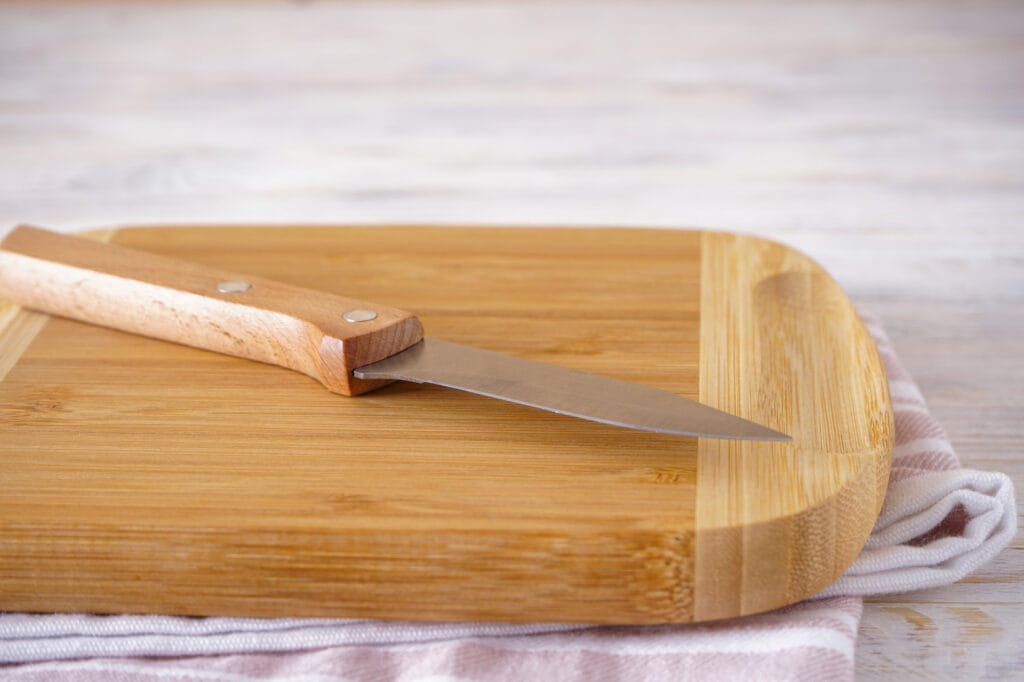
One question that often arises when discussing wood cutting board care is, “How long does it take to clean?” The answer, of course, depends on the method you use to regularly care for your board. Unlike plastic boards, which only require a quick wash with hot water and soap, wood boards take longer, but the process is still simple and easy to do. The basic process for washing wood cutting boards usually begins with wiping the board with a damp cloth. Some people also use a soft sponge to thoroughly clean the board’s surface. Afterward, you can add a little natural soap if necessary for stubborn stains. Avoid harsh fragrances or bleaches, as they can damage the wood.
The next step is to thoroughly dry the board to prevent moisture or mold. It’s important to remember that every wood board has a different thickness and type. This means that the drying time for boards also varies, depending on the size and thickness of the wood. Thicker wood boards may require several hours to dry completely and be safe to use. Thinner wood boards can dry naturally in just one to two hours. It’s crucial to ensure the board is completely dry before using or storing it again. The goal is to prevent bacterial growth while protecting the wood from rotting.
The routine cleaning process usually only takes about 5-10 minutes each time we use it. While it may seem longer than a plastic board, the results are much safer for your health. Furthermore, a properly cared-for board is more durable and comfortable for daily use. With the right routine, this process can become an easy part of your kitchen routine without being overwhelming.
Removing Unpleasant Smells
Another common problem with wooden cutting boards is the lingering unpleasant odor. This is especially true after using the board to cut strong-smelling foods. For example, onions, fish, or meat, whose odors tend to easily penetrate the wood. Wooden boards have natural pores that can absorb food odors if not properly cared for. If not properly cared for, these odors can linger and make the board feel less hygienic. Fortunately, there are several simple methods for removing odors without damaging the wood.

The most popular method for washing wood cutting boards involves using natural ingredients. For example, lemon juice and coarse salt, which are readily available in everyday kitchens. The process is simple: first, sprinkle coarse salt evenly over the surface of the wooden board. Then, rub the board with half a lemon, pressing gently to release the juice. The acid from the lemon juice helps neutralize strong odors that cling to the wooden board. Meanwhile, the coarse texture of the salt helps lift dirt and food residue. After scrubbing, rinse the board with a little water and dry it with a clean cloth.
Besides lemon, baking soda is also effective at absorbing lingering odors. Sprinkle baking soda, let it sit for a few minutes, then wipe and rinse with warm water. Users should understand that wooden boards should not be soaked in water for too long. Excess water can damage the wood’s structure and cause the board to crack quickly. With regular maintenance and these natural odor-removal techniques, the board will stay fresh. The wooden board is ready to use anytime without the risk of odor or food contamination. This is a simple example of how washing wood cutting keeps a board clean. This method cleans the board without aggressive washing that can damage the wood.
Utilizing these natural odor removal methods is a great way to maintain your current board’s hygiene. However, the best defense against persistent odors, warping, and cracking begins with choosing a high-quality board in the first place, as certain woods and finishes are naturally more resistant to absorbing smells and moisture. If you are considering upgrading or replacing your board soon, make sure you know all the criteria for selecting the best wood cutting board in Indonesia and where to buy it to ensure long-term durability and easy maintenance.
Frequently Re-Oil or Re-Wax Your Board
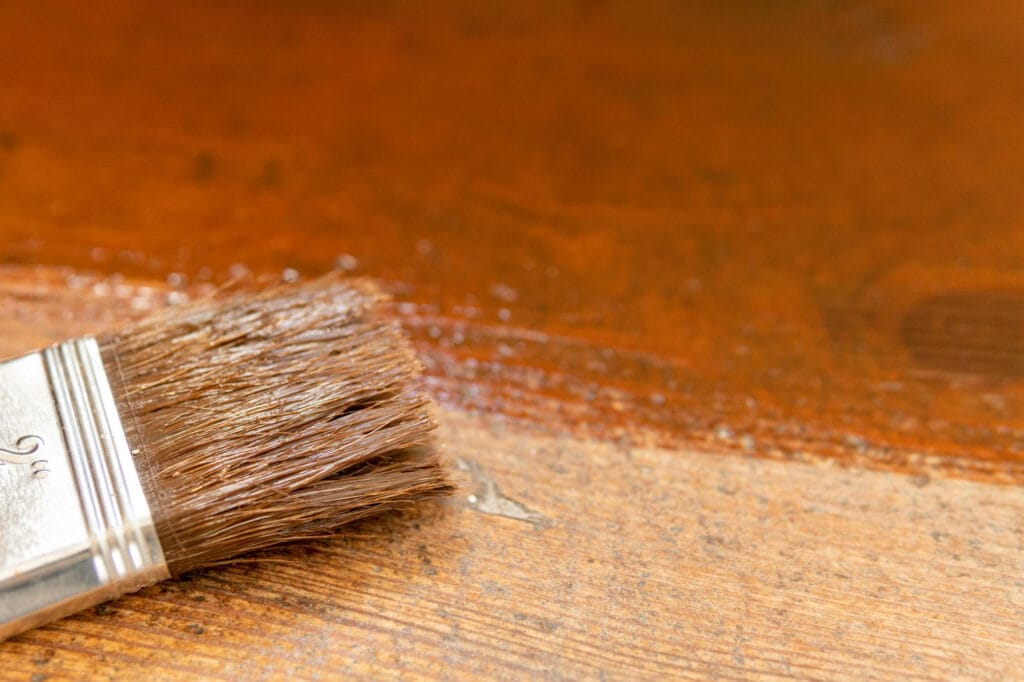
Washing wood cutting boards isn’t just about cleaning the surface regularly every day. It’s also important to maintain the wood’s moisture to prevent cracking or warping. One important step is to regularly apply a special wood oil or wax to the board. This treatment helps the wood remain durable and comfortable for long-term use. The frequency of oiling depends on how often the board is used. For boards that are used daily, ideally once a week. For boards that are rarely used, applying oil or wax once a month is sufficient. This routine keeps the wood smooth, moist, and more water-resistant.
Commonly chosen oils are food-grade mineral oil or a mixture of mineral oil and beeswax. The oil helps seal the wood’s pores, preventing water from easily penetrating the board. The additional wax provides an extra protective layer, making the board easier to clean. It also makes the board’s surface shinier and more attractive to use.
The oiling process is quite simple and can be done at home. First, clean the board of any food residue, then dry it thoroughly. Apply the oil or wax evenly with a clean cloth, ensuring the entire surface is covered. Let it sit for a few hours or overnight to allow the oil to penetrate the wood grain optimally. If using wax, rub it on lightly, then polish the surface to a perfect shine. With this regular care, your wooden board will not only be durable but also hygienic and comfortable. This simple step goes a long way in maintaining the quality of your wooden board, ensuring longevity and safety.
What About Warped or Cracked Boards?
Even with proper routine maintenance, wooden boards can often warp or even crack over time. Boards can warp or even crack, especially if exposed to excessive water, excessive heat, or extreme temperature changes. These changes not only detract from the board’s aesthetics but also significantly reduce its functionality. A warped board is difficult to use for cutting food, unlike a flat, stable surface. A cracked board can harbor bacteria, making it less safe to use. That’s why it’s important to understand the proper and effective treatment for damaged wooden boards.
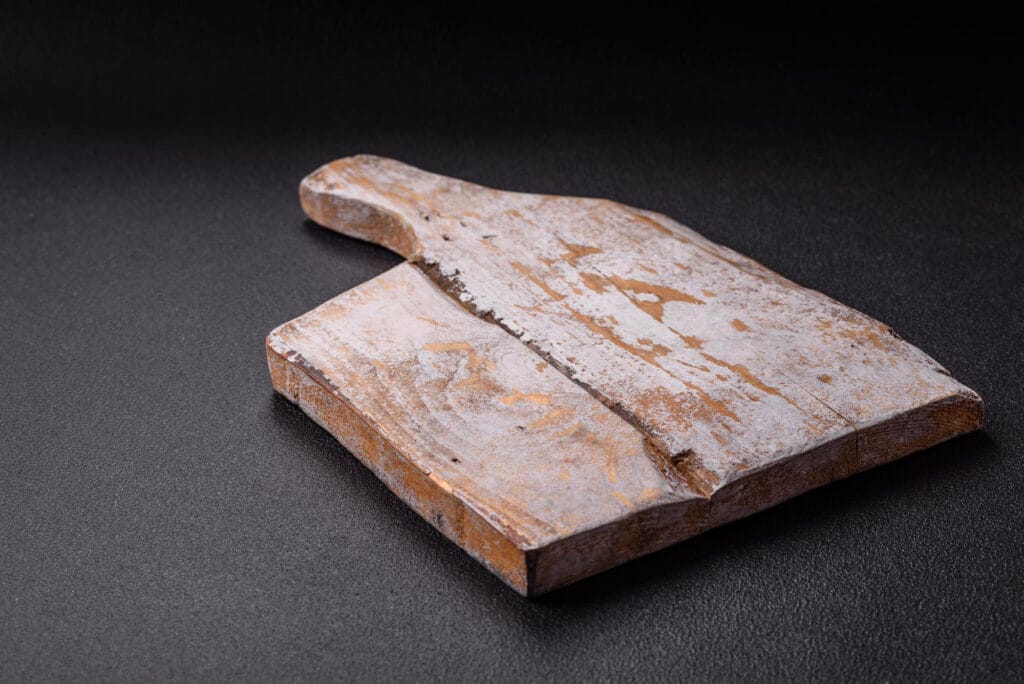
Using the washing wood cutting boards method, slightly warped boards can be repaired at home. One method involves pressing the board with a heavy, flat object on its surface. Leave the board in this position for several hours to allow it to slowly return to its original shape. This technique also helps maintain the board’s appearance and comfort for daily use.
However, severely cracked boards should be replaced, as cracks are difficult to clean. Furthermore, cracks can harbor germs and make the board unsafe for food. To prevent damage, avoid soaking the board or washing it with excessive water. Regularly applying oil or wax also helps maintain the wood’s moisture. This makes the board more resistant to cracking, warping, and loss of its natural color. Regular maintenance ensures optimal functionality of wooden boards. The wood retains its luster, the surface is smooth, and the board is more enjoyable for cooking a variety of foods. With proper care, wooden boards can last for years without losing function or aesthetic appeal. Even aging boards remain safe and comfortable to use if they are maintained consistently.
By applying the washing methods for wood cutting boards and regular maintenance as described above, your tools will remain reliable. They can serve as an environmentally friendly alternative to plastic boards. Frequent washing with excessive water is not necessary, light cleaning, natural odor removal and periodic oiling or waxing are sufficient. With these steps, your wooden boards will stay beautiful and long-lasting. For the best quality and easiest washing wood cutting boards, consider choosing a product from us. We are a trusted maker of high-quality wooden boards designed for durability, hygiene and ease of care. Upgrade your kitchen today and enjoy the perfect blend of beauty and functionality.
- By:PT. Jati Luhur Agung
- Tags: cutting board, washing wood, wood cutting board
- Category: Cutting Board
- 0 comment