Outdoor basketball is no longer just a casual pastime played on cracked asphalt under the scorching sun. What was once viewed as a simple recreational activity has transformed into a global lifestyle statement, where sport meets design, branding, and community engagement. Across major cities, luxury resorts, and modern urban developments, professional outdoor basketball courts are emerging as signature features, hosting international 3×3 events, private training sessions, and high-visibility public games that extend the reach of basketball beyond traditional indoor arenas.
The rise of social media has accelerated this transformation. Striking images of outdoor courts set against city skylines, coastal landscapes, or architectural landmarks capture attention instantly and create powerful visual narratives. Yet beyond the visuals lies a critical challenge that often goes unnoticed: real outdoor conditions are unforgiving. Rainfall, humidity, intense heat, and prolonged sun exposure place continuous stress on materials, quickly revealing whether a court is built to last or merely built to impress. In these environments, performance can no longer be separated from durability.
As expectations continue to rise, athletes, developers, and facility owners are rethinking what defines quality in an outdoor setting. Professional standards are no longer measured only at launch, but over years of consistent use. Surfaces that fade, crack, or lose traction undermine both safety and experience, shifting the focus from short-term savings to long-term performance. In this evolving landscape, selecting the right basketball court surface becomes a strategic decision, one that directly shapes how the court performs, feels, and endures over time.
Popular Types of Basketball Court Surfaces
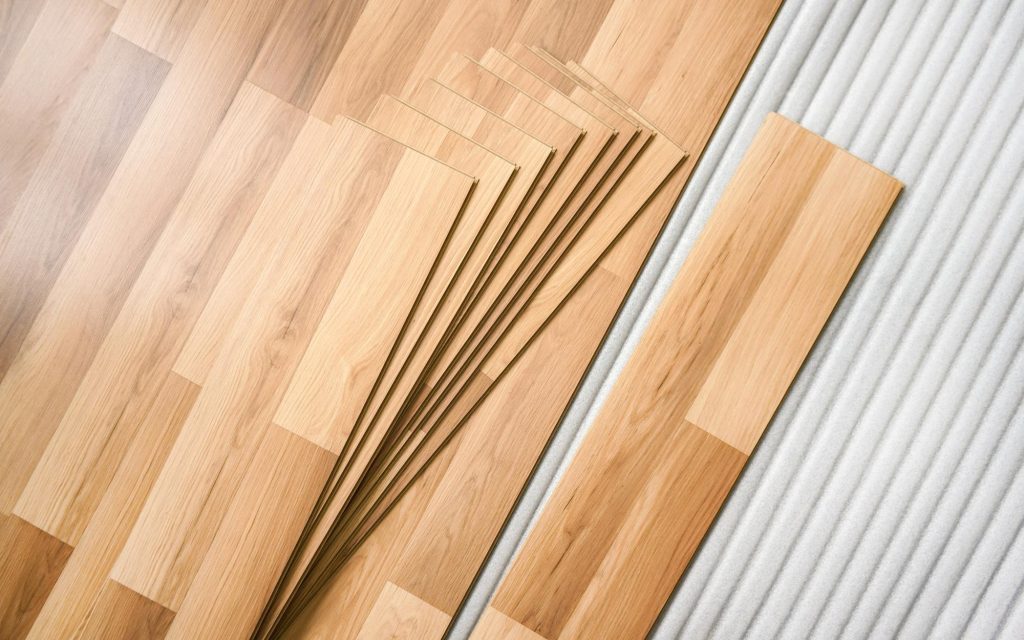
Each outdoor court begins with a material decision that shapes how the game is played and how the facility ages. Understanding the most common systems helps clarify which basketball court surface aligns with professional expectations. Hardwood courts are widely recognized as the gold standard in basketball. Known for their precise ball response and athlete-friendly shock absorption, hardwood surfaces dominate professional indoor arenas. When adapted for outdoor or semi-outdoor use supported by proper roofing, ventilation, and moisture management, hardwood maintains its superior performance characteristics. For projects aiming to deliver elite-level play in an outdoor setting, hardwood remains unmatched in feel and consistency.
Concrete courts are valued for their structural strength and affordability. They are often used in permanent outdoor installations where durability is prioritized over comfort. However, concrete is rigid and unforgiving, placing higher stress on joints during repetitive play. Over time, exposure to heat and moisture can lead to surface cracking, making long-term maintenance a growing concern for facility managers.
MultiSport courts typically use modular synthetic tiles designed for flexibility and quick drainage. These systems are popular in schools, recreational areas, and shared-use facilities. While they perform reasonably well under various weather conditions, their playing characteristics differ from professional standards. Ball bounce and traction may vary, which limits their appeal for high-level training or competition.
Asphalt courts remain common in public outdoor spaces due to ease of installation and low initial cost. Despite this, asphalt absorbs heat, becomes slick after rain, and degrades faster under UV exposure. For facilities seeking long-term reliability and refined playability, asphalt often proves insufficient as a professional-grade basketball court surface.
Specifications for High-End Outdoor Courts
High-end outdoor courts demand a more sophisticated approach, one that blends material science with athletic performance. Solid hardwood systems, when properly specified, offer an exceptional solution for premium outdoor environments. The success of these systems lies in careful wood selection, advanced treatment processes, and engineered substructures that manage moisture and movement.
However, for all sophisticated needs, one that blends material science with athletic performance, Jati Luhur Agung can provide several recommendations for solid hardwood.
Dense hardwood species with stable grain structures are essential. Through controlled kiln-drying and precision milling, the wood achieves dimensional stability that reduces expansion and contraction. When paired with elevated subfloor systems and proper airflow, solid hardwood can adapt to environmental changes without compromising performance. This makes it ideal for outdoor courts designed for professional training and competitive play.
Surface finishing further defines quality. High-performance coatings protect the wood from UV exposure while preserving traction and ball response. These finishes ensure the basketball court surface remains visually consistent and functionally reliable, even after prolonged exposure to sunlight and humidity. Unlike generic coatings, professional-grade finishes are tested to meet athletic safety standards.
Another defining specification is impact absorption. Solid hardwood systems incorporate layered constructions that reduce stress on players’ bodies. This feature is critical for intensive use, allowing athletes to train longer with less fatigue and lower injury risk. Compared to rigid surfaces, hardwood delivers a balanced combination of responsiveness and comfort.
Maintenance considerations also favor hardwood. While it requires professional care, maintenance is predictable and restorative rather than corrective. Refinishing renews the surface without structural replacement, preserving both performance and appearance. In the long run, this approach enhances the value and reputation of the basketball court surface.
Is Your Court Ready for All-Weather Performance?
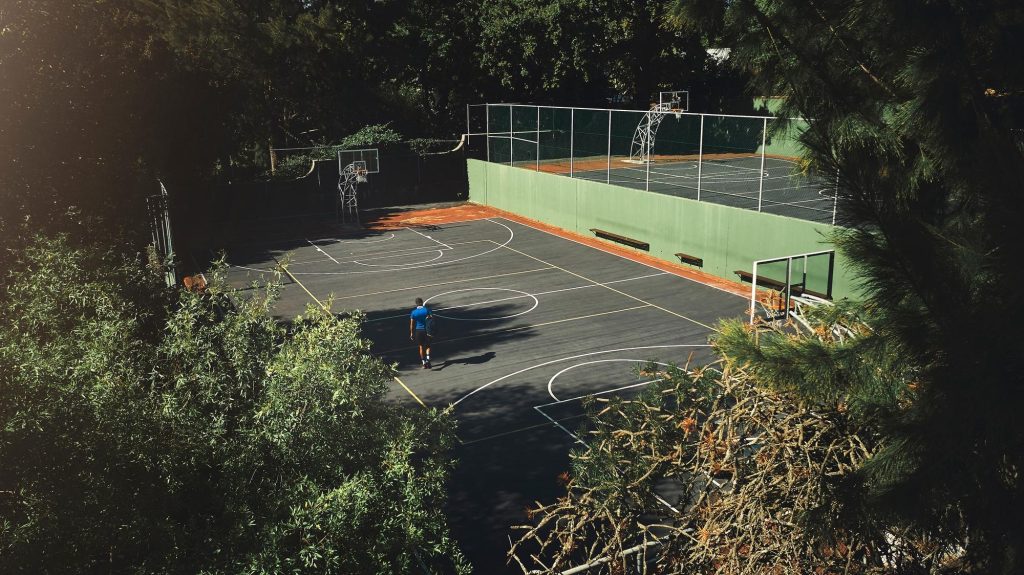
A visually impressive court does not always translate into true all-weather readiness. Performance is tested when rain falls unexpectedly, temperatures spike, or humidity lingers. Drainage efficiency, surface grip, and thermal stability all determine whether a court can remain playable throughout the year. Poor drainage leads to standing water, which not only disrupts play but accelerates surface degradation. Inconsistent traction after rainfall increases injury risk and limits usability. A well-designed system ensures water disperses quickly, allowing the basketball court surface to recover without compromise.
Thermal movement is another critical factor. Materials that expand unevenly develop surface irregularities over time. These subtle changes affect ball bounce and player confidence, often before visible damage appears. Choosing a surface engineered for environmental adaptation prevents these issues from escalating. Beyond technical performance, user perception matters. Athletes instinctively recognize surface quality through movement and impact response. Courts that feel harsh or inconsistent discourage repeat use, while high-quality surfaces foster engagement and trust. Readiness, therefore, is not just about endurance it is about delivering a consistently professional experience. Investing in a surface designed for all-weather performance transforms the court into a long-term asset rather than a recurring maintenance burden. The right basketball court surface supports both athletic ambition and operational sustainability.
Speak to Us
Choosing the right outdoor basketball system goes far beyond visual appeal, it is a long-term investment that directly affects performance consistency, operational efficiency, and asset value. We brings proven expertise in solid hardwood solutions, combining carefully selected materials with precise engineering to meet the real demands of outdoor environments. Every project is approached with a comprehensive understanding of climate behavior, structural load performance, and professional playing standards, ensuring that each court delivers reliable results season after season.
By working with us as a manufacturer solid wood and engineered wood, you gain more than a supplier, you secure a strategic partner committed to helping you make informed, performance-driven decisions that reduce long-term maintenance, enhance usability, and strengthen the overall value of your facility. From early-stage consultation and system evaluation to fully customized hardwood court solutions, the team focuses on aligning technical performance with your project vision, usage intensity, and long-term operational goals, ensuring the court continues to perform at a professional level as expectations evolve.
What challenges are you currently facing in your outdoor basketball project, and what level of performance do you expect it to achieve over time? Discover how a professionally engineered outdoor court can elevate your investment by visiting our website and explore solutions designed for durability, reliability, and lasting impact.
-
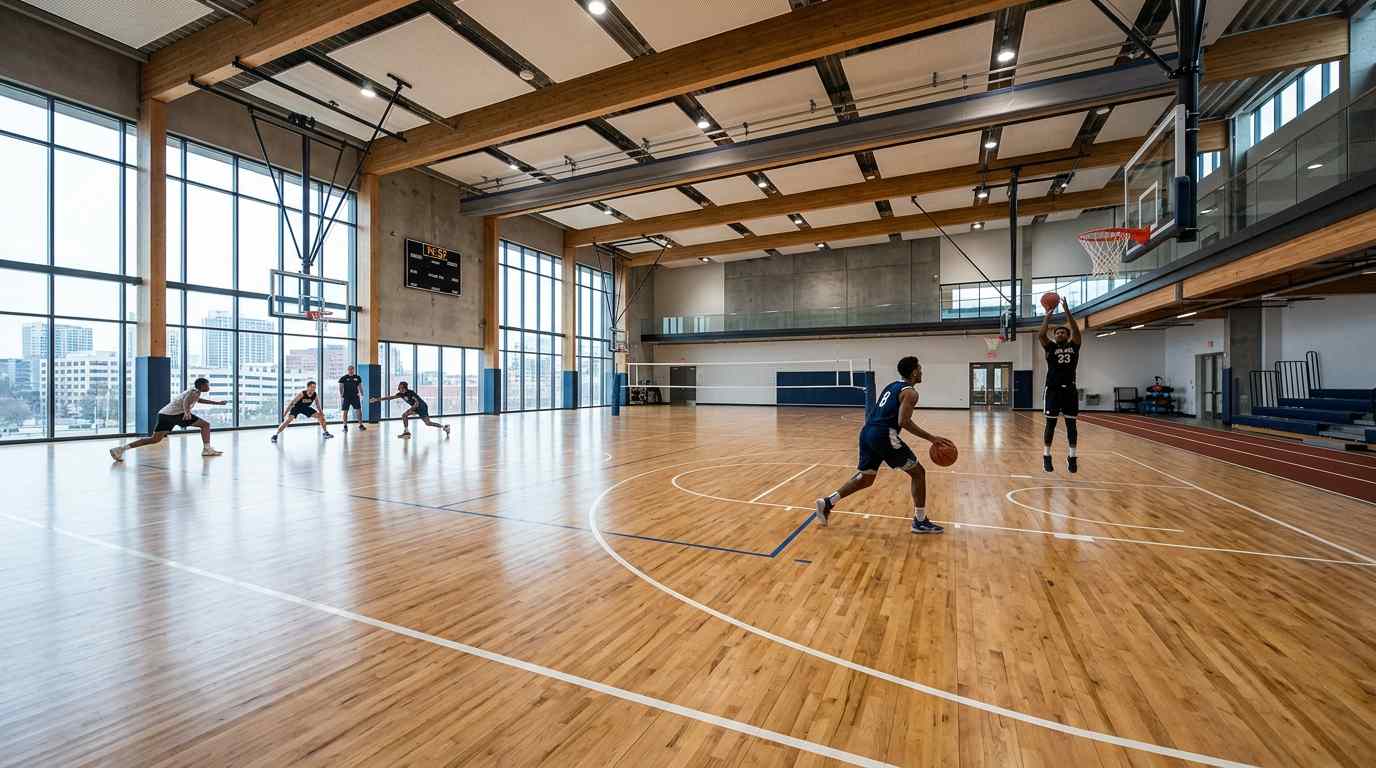
What Is a Wood Gym Floor? Expert Guide for Sports Facilities
The floor is one of the most important elements in an indoor sports facility. It affects how athletes move, stop, jump, land, and change direction. It also influences comfort, maintenance, and the appearance of the venue. For basketball courts, school gyms, training centers, and multipurpose halls, choosing suitable flooring is an important part of the…
-
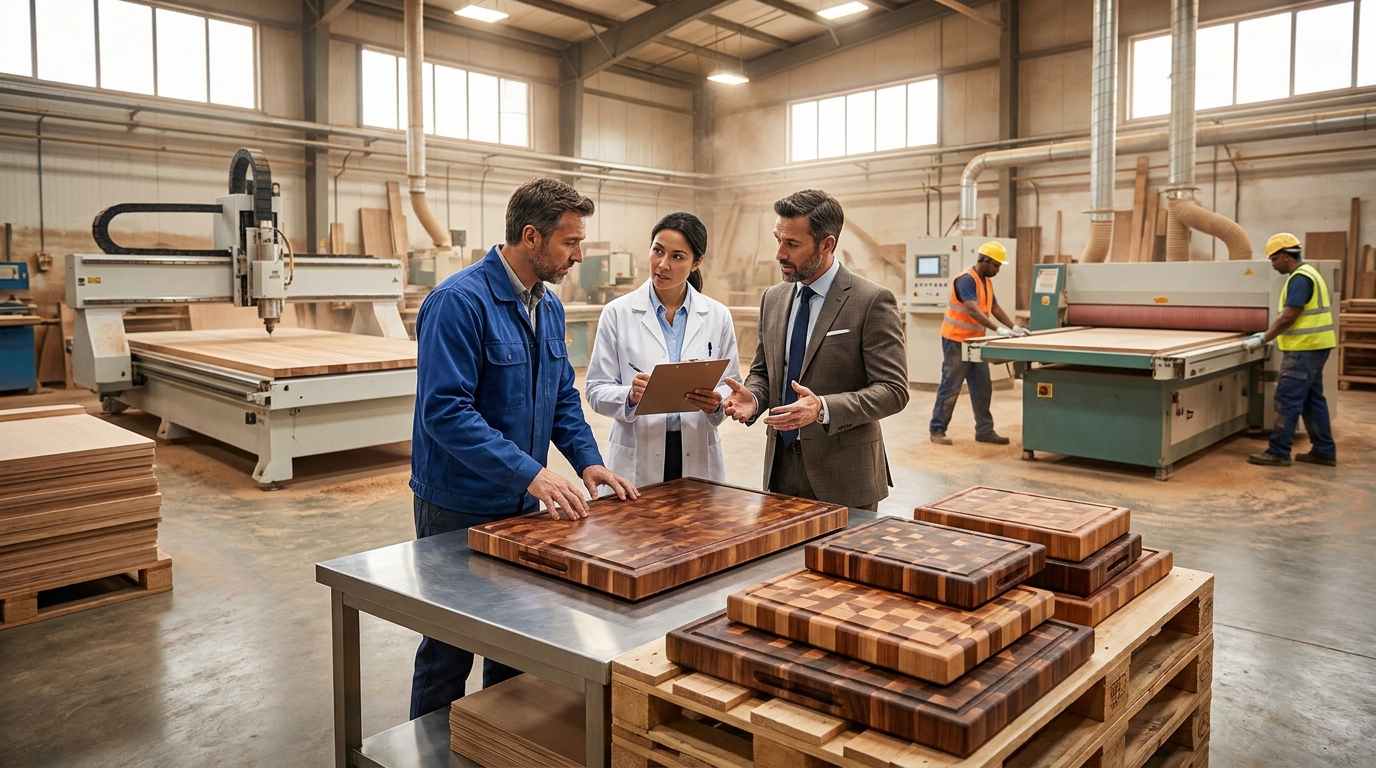
What to Look for in an End Grain Cutting Board Manufacturer
Choosing the right cutting board manufacturer can be more important than it first appears. For retailers, distributors, restaurant suppliers, and kitchenware brands, the manufacturer behind a product directly influences its consistency, appearance, durability, and overall customer experience. A cutting board may look simple, but producing one that performs well requires careful material selection, precise processing,…
-
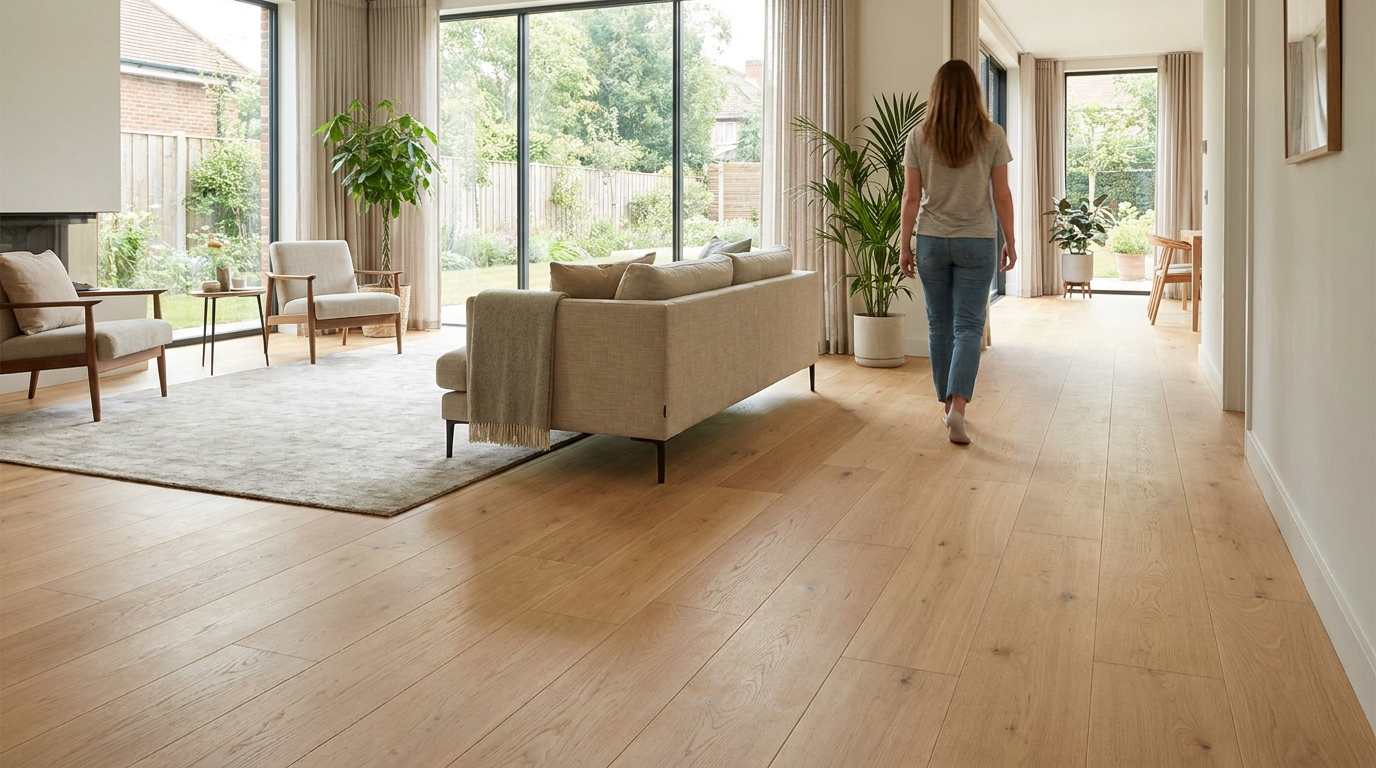
Hevea Engineered Flooring Tips for Better Performance and Longevity
Hevea engineered flooring can bring a warm, natural character to an interior while offering the practical structure needed for everyday use. Made with a real wood surface and engineered construction, this flooring can be a suitable choice for homes, offices, hospitality spaces, and other interiors where appearance and stability both matter. However, good performance does…
- By:PT. Jati Luhur Agung
- Tags: basketball court surface, sport floor
- Category: Sports Floor
- 0 comment