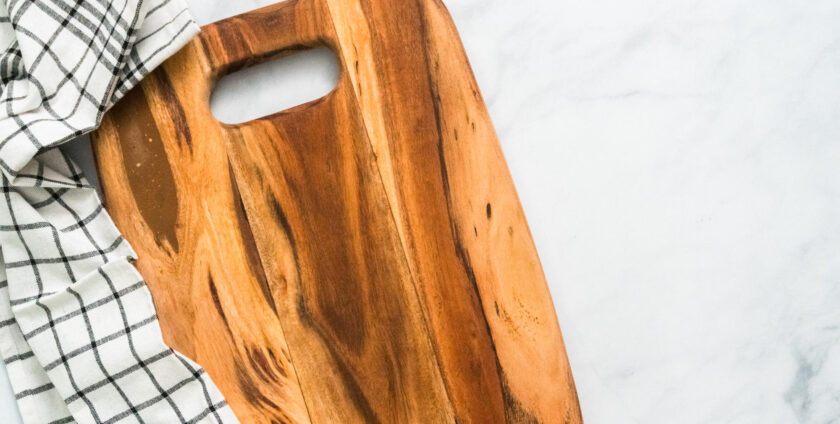
Essentially, a cutting board is more than just a kitchen utensil. It’s also a crucial tool for easier and faster cooking. Among the various types of cutting boards, end grain cutting boards are a premium choice, widely used by professional chefs and culinary enthusiasts.
End-grain boards are widely chosen for their durability and ability to maintain knife sharpness. So, why are these cutting boards so popular? How are they different from other cutting boards?
Why End Grain Cutting Boards Deliver Superior Durability
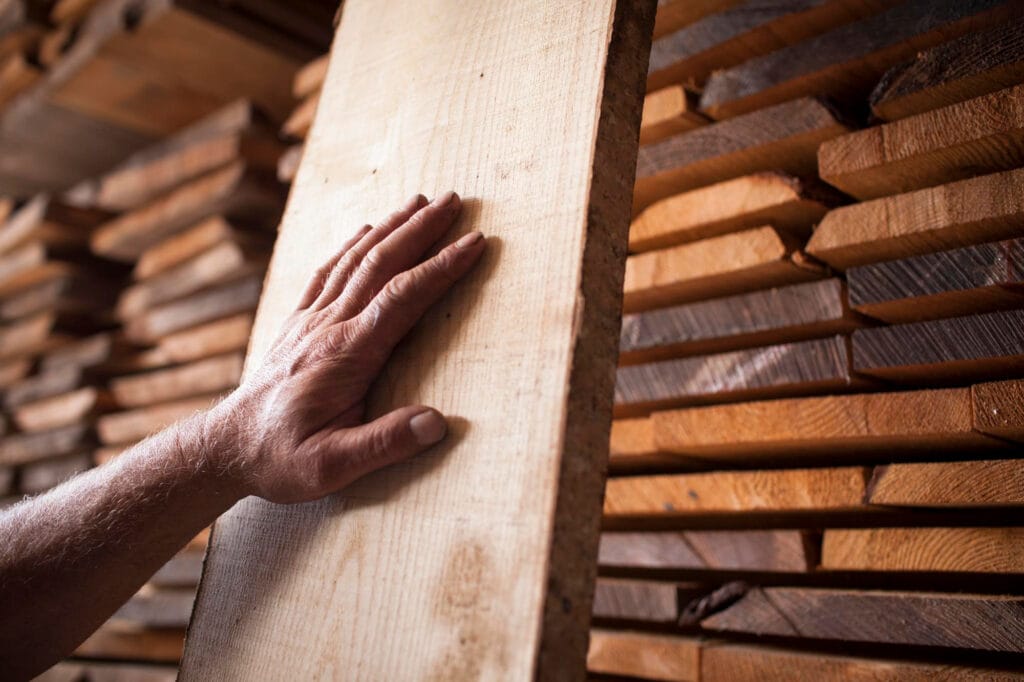
End-grain board is a type of board with the grain facing upwards. More precisely, the wood grain on this cutting board is aligned perpendicular to the cutting surface.
At first glance, the cut surface may appear to have the ends of the wood grain. This isn’t just the exposed grain pattern seen on conventional cutting boards. Based on the grain pattern and the material from which it’s made, end-grain board offers various advantages, as follows:
1. Maximum Durability
The end-grain board boasts high strength and durability. This is because the grain orientation of the cutting board allows it to absorb cutting impacts. Interestingly, the grain orientation of the cutting board absorbs impacts without significant damage. This makes it an ideal choice for intensive use, both in professional and home kitchens.
2. Reduces Blade Wear
When cutting ingredients on a cutting board, the wood grain on the board separates and closes smoothly. This reduces blade wear, allowing kitchen knives to stay sharp for longer.
3. Prevents Bacteria Buildup
The end grain cutting board has fibers that can close, helping prevent bacteria buildup around the cutting grooves. Interestingly, many cutting boards are now coated with natural oils and waxes, which effectively repel moisture and bacteria. This further enhances the cutting board’s ability to maintain cleanliness in the kitchen and while cutting food.
4. Distinctive and Attractive Appearance
The end-grain board has a very distinctive and attractive appearance. This is because cutting boards generally show the growth rings of the wood. This makes it a popular choice that is not only functional but also suitable as a decorative element in the kitchen area. As a recommendation, users can maintain the aesthetics of cutting boards with special care. For example, using wax and oil treatments to disguise cuts from knives used daily.
Premium Wood Choices: Acacia and Mahogany Compared
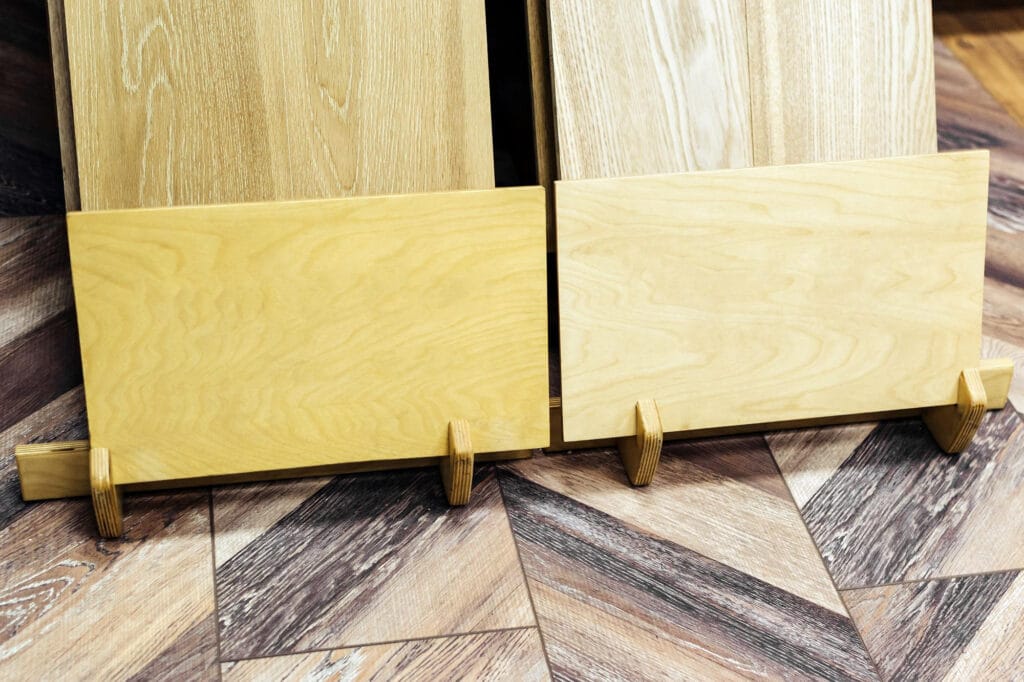
On the market, users can find two of the most popular cutting board materials: acacia and mahogany. Acacia is a durable hardwood with a unique appearance, a medium to dark brown color. This wood typically displays a complex grain pattern. Meanwhile, mahogany is a classic hardwood with a rich, luxurious feel. This wood has a reddish-brown hue with straight grain. So, how do the two compare as end grain cutting board materials? Following is the complete discussion.
Acacia vs Mahogany Appearance
Acacia wood has quite an attractive color, ranging from light brown to dark brown. Sometimes, the grain has a patterned character. Australians often use the term “ringed” to describe this wood pattern. Meanwhile, mahogany has a reddish hue. Although initially pale, mahogany’s color darkens over time. The wood grain is straight with a natural luster. However, some areas exhibit interlocking or circular grain patterns. Mahogany has a unique characteristic known as “chatoyancy,” where the wood changes color when light falls at a certain angle. In this condition, the wood surface appears pale and emits a pearl-like shimmer.
Durability of Acacia vs Mahogany
In general, acacia is the strongest wood in the world. In fact, many boat builders use this wood as the primary material for their vessels. Acacia also has good moisture resistance, making it suitable for a variety of applications, even for outdoor use. Mahogany, on the other hand, offers varying degrees of tensile strength, ranging from 800 lbf to 3,840 lbf. This strength depends on the wood species used. Typically, the wood’s growing conditions can also affect its hardness and durability. Thus, it can be concluded that acacia vs. mahogany are two popular types of wood that offer unique advantages. Therefore, the final choice depends on the preferences and specific needs of each user.
Then, if you are going to buy several types of wood for cutting purposes, you can check out this article that explains How to Choose the Best Wood Cutting Board in Indonesia and Where to Buy It.
What to Look for in a High-Quality End Grain Board
Finding high-quality end grain cutting boards can be challenging. Therefore, it’s a good idea to pay attention to several important features of a cutting board, as follows:
1. Cutting Board Porosity
Note how tightly the wood grain is arranged on the cutting board. Identify whether the pores are large and visible to the naked eye.
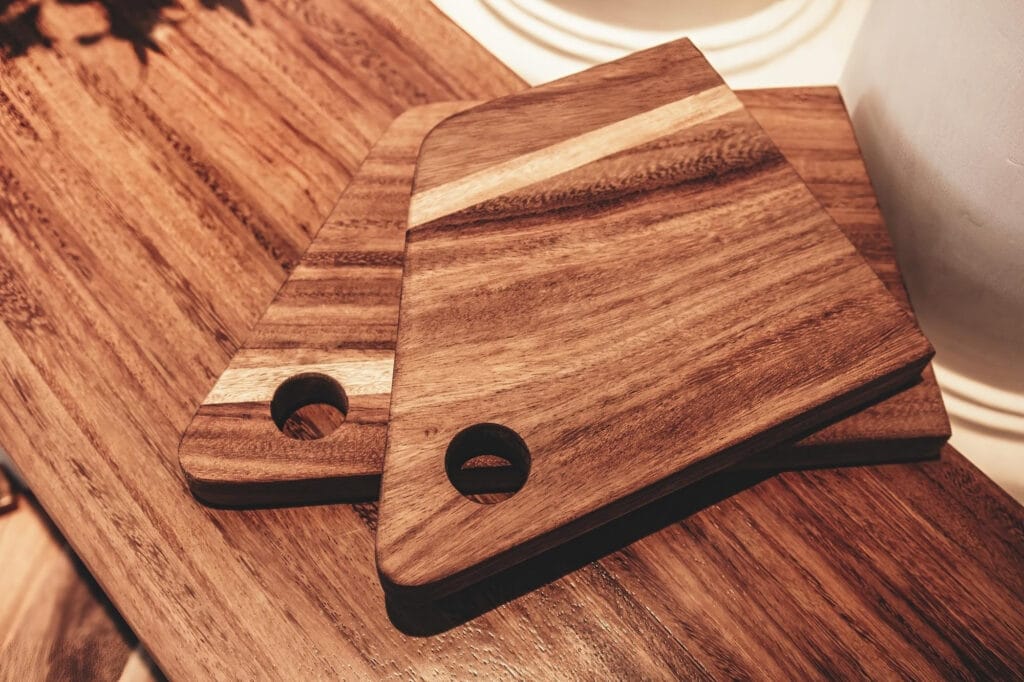
If so, the cutting board is made of open-grain, highly porous board, which is unsuitable for use. Low porosity makes the board vulnerable to water damage. As a result, the cutting board can experience repeated shrinkage and swelling. This can cause the cutting board to crack, warp, and lose its visual appeal.
2. High Janka Hardness Score
The Janka hardness test is crucial for measuring wood’s resistance to dents and wear. This test involves pressing a steel ball into a wood sample until it is embedded halfway into its diameter. The force used to insert the ball is then measured and scored. This score indicates the level of end-grain hardness. A higher score indicates a stronger wood specimen.
As a recommendation, users can choose a cutting board with a Term score of at least 1000. This score ensures the cutting board is highly resistant to dents, scratches, and warping.
3. Cutting Board Thickness
Thick cutting boards are generally resistant to sharp knives and meat mallet attacks. The extra grain in the wood makes the cutting board resistant to dents, scratches, and warping. A thick cutting board also minimizes the risk of warping or splitting. This is because cutting boards take a long time to absorb moisture, especially closed-grain cutting boards. Also, be careful not to use a cutting board that’s too thick. Thick cutting boards tend to be heavy and difficult to move around the kitchen. Their extra weight can also be dangerous if dropped. We recommend choosing an end grain cutting board that’s two inches thick. This size provides stability while working, durability, and ease.
4. Consider Cutting Board Size
Users should choose the largest cutting board possible. This provides sufficient surface area for working without the risk of ingredients rolling away. Furthermore, a larger cutting board offers greater capacity for cutting ingredients in one area. Furthermore, a larger cutting board is more stable and won’t wobble when used to pound chicken breasts or cut meat. This is crucial, as a wobbly board can wear out quickly and potentially cause fatal accidents. As a recommendation, choose a multi-purpose cutting board with a minimum size of 15 x 20 inches. You can also determine the appropriate size for the cutting board by placing a knife diagonally. Then, measure how large a board is needed to maneuver safely. There should be about 1 inch (2.5 cm) of space on either side of the knife. So, if the knife is 25 cm (10.5 inches), the user will need about 12 inches (30 cm).
End Grain vs. Edge Grain: Is the Upgrade Worth It?
At first glance, end grain seems significantly more expensive. This higher cost is due to the increased labor and materials involved in manufacturing end grain boards. However, end grain cutting boards are much softer when struck by a knife blade. They are also less likely to be damaged when used for slicing. End grain is superior in durability to edge grain. When cutting with edge grain, the wood fibers are also cut. This repeated cutting can cause cracks, roughness, and scarring on the cutting board. These problems lead to food particles and bacteria becoming trapped in the scratches, making the cutting board difficult to clean and disinfect.
Our Recommended End Grain Cutting Boards for Your Kitchen
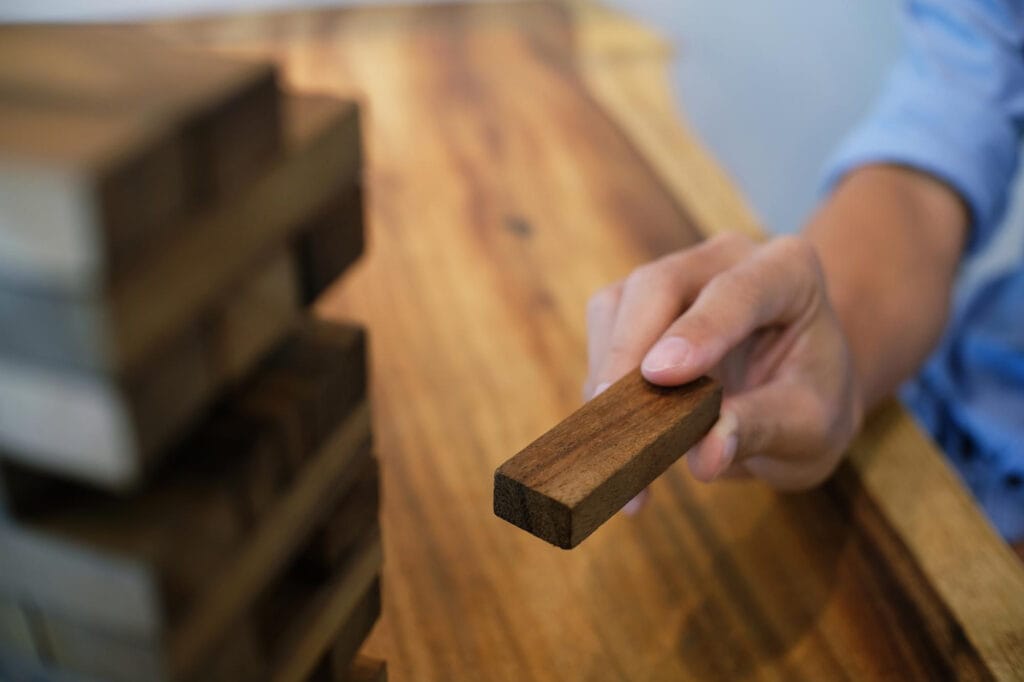
No need to worry about choosing the best end-grain board for your cooking needs. Jati Luhur Agung is ready to recommend the best products that are attractive, durable, hygienic, and can reduce knife blade wear. With over 50 years of industry experience, PT. Jati Luhur Agung has produced various products from high-quality wood. The company continues to integrate technology to create superior products while maintaining environmentally friendly practices. As a recommendation,Jati Luhur Agung provides quality cutting boards made from acacia and mahogany wood. The acacia and mahogany cutting boards are finished with food-grade oil. The cutting boards are 32mm/18mm thick, 305mm/250mm wide, and 406mm/460mm long. The combination of high-quality materials, proven production techniques, and safety standards makes cutting boards from our services is an ideal choice. This product can be relied upon for intensive use in the kitchen over the long term.
Overall, end grain cutting boards can be the right choice for both professional and home kitchens. The material’s superior durability, hygienic properties, and unique pattern make it a perfect choice for kitchens. For more information about quality end grain, click the button below.

The Performance and Value of Engineered Hardwood Flooring for Your Home
Choosing the right flooring is one of the most significant investments you will make in your home. It’s the literal foundation of your interior design, influencing everything from acoustic quality to property value. For decades, solid wood was the undisputed king, but modern innovation has shifted the spotlight. Homeowners today are increasingly asking, “is engineered…
Comparing 3 Ply and Multi Ply Engineered Wood Flooring Performance, Which One Should You Choose?
The world of interior design and architectural engineering often feels like a balance between aesthetic purity and structural pragmatism. When it comes to hardwood flooring, the choice is no longer just about the species of wood or the stain color, it is about the very anatomy of the plank beneath your feet. For decades, solid…
The Complete Guide to Choosing Between Solid and Engineered Wood Floors
Imagine walking into a room where the floor doesn’t just support your furniture, but actually tells a story. There is a specific, undeniable magic in the grain of natural timber, the way it catches the morning light, the warmth it holds under your bare feet, and that faint, earthy scent that makes a house feel…
- By:PT. Jati Luhur Agung
- Tags: end grain cutting board, wood cutting board
- Category: Cutting Board
- 0 comment