As the global conversation around environmental stewardship intensifies, one natural material continues to stand out for its beauty, durability, and renewability: hardwood. When managed properly, hardwood forests represent a vital, sustainable hardwood resource that can support both economic development and environmental conservation.
Understanding the long-term viability of hardwood begins with an appreciation for how wood is harvested, processed, and integrated into everyday use. In many countries, especially those rich in tropical and temperate forests, the balance between harvesting and reforestation is key to sustaining the supply of this invaluable natural material. It’s no longer just about cutting trees, it’s about protecting the future of forests while meeting modern construction and design needs.
Sustainable Wood Products

The journey toward sustainability begins with responsible sourcing. Hardwood products that come from well-managed forests ensure that for every tree harvested, several more are planted or naturally regenerated. This method allows the forest to remain healthy, diverse, and productive over time. Sustainable forestry practices not only minimize environmental degradation but also preserve biodiversity, protect watersheds, and capture carbon.
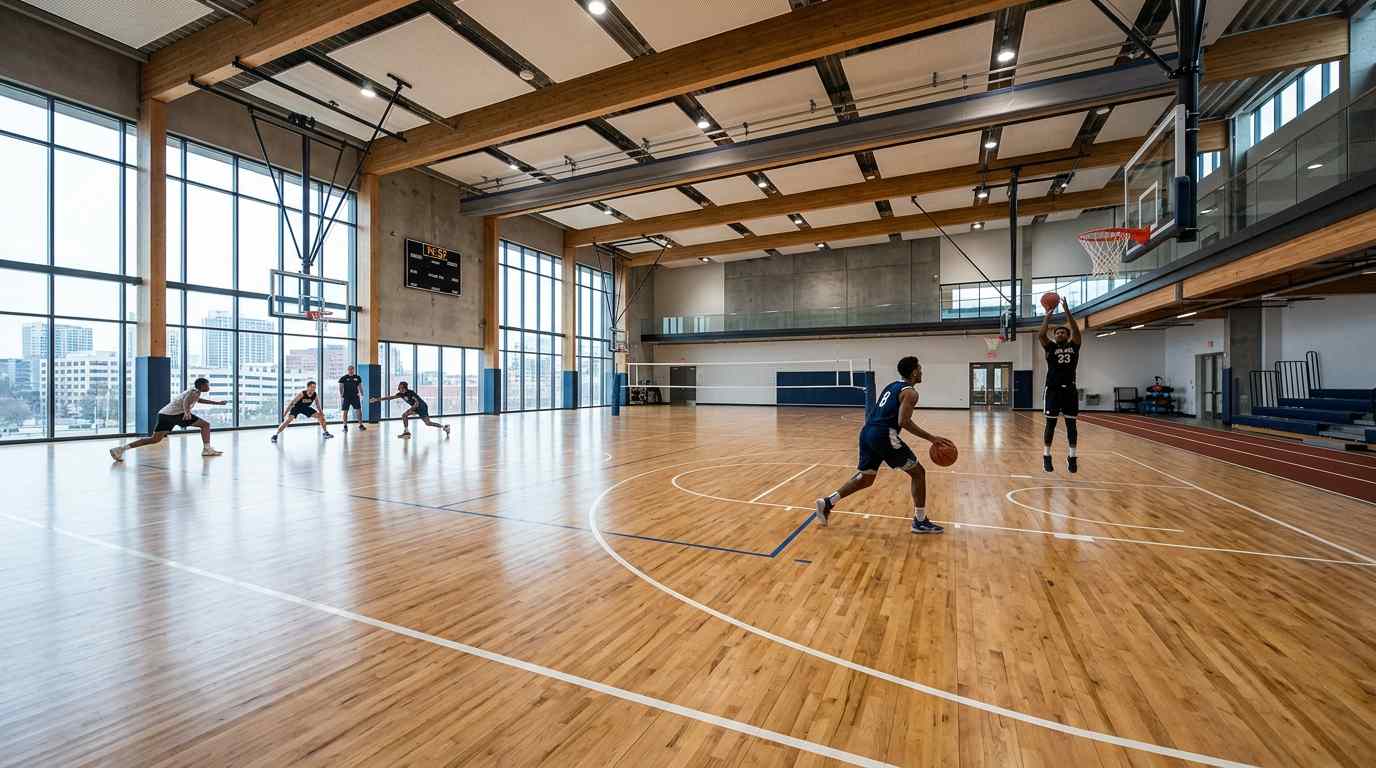
Among the most recognized certifications in this area are FSC (Forest Stewardship Council) and PEFC (Programme for the Endorsement of Forest Certification). These certifications verify that wood products come from responsibly managed forests, ensuring the traceability and transparency of every step from forest to final product. Incorporating sustainable wood into architecture and interior design is more than a style choice, it’s a statement. Designers and builders around the world are increasingly specifying materials that support a low-carbon lifestyle, and hardwood plays a vital role. Whether used in flooring, furniture, cabinetry, or cladding, wood sourced sustainably can store carbon, reduce reliance on fossil fuels, and perform better in terms of lifecycle impact compared to synthetic materials.
Significantly, there is a rising worldwide interest in eco-friendly wood-based materials. Consumers are more aware than ever, and brands are under pressure to demonstrate a genuine commitment to sustainability. This growing awareness reinforces the need to protect and enhance every hardwood resource for future generations.
Contributing to The National Economy

Beyond its environmental value, hardwood is also a key player in the economic stability of many nations. The hardwood industry from forest management to product export, supports millions of jobs globally. In countries like Indonesia, Malaysia, United States, and Brazil, hardwood production is deeply intertwined with national development strategies.
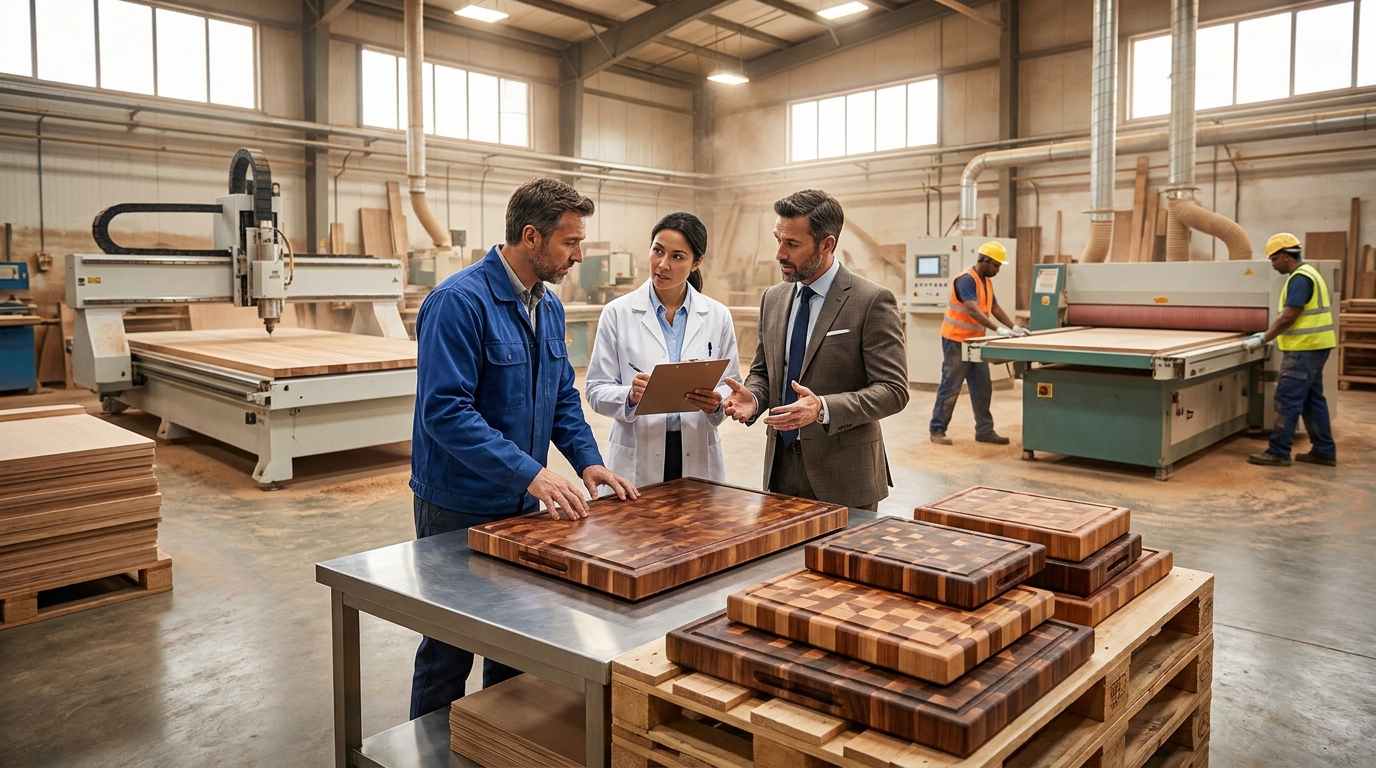
The process of transforming timber into valuable goods such as flooring, paneling, and structural components, fuels both local employment and international trade. Sustainable management ensures that these jobs and opportunities are not short-lived. Rather than depleting natural capital, sustainable forestry creates a renewable cycle of economic benefit. Forests that are managed with long-term goals in mind offer more consistent income to communities than destructive short-term exploitation. In addition to wood production, forests contribute indirectly to tourism, ecosystem services, and agricultural stability. For smallholder farmers and indigenous groups, sustainably managed forests can offer a source of income while respecting traditional land-use practices.
In addition, supporting the growth of sustainable hardwood sources can drive innovation and encourage further research efforts. Companies are now exploring new techniques for engineered wood, cross-laminated timber, and modular wood-based systems—expanding the market while maintaining ecological integrity. All of this translates into a stronger, more diverse economy rooted in a renewable foundation.
If you’re looking for a trusted partner in responsible hardwood production in standar USA, Jati Luhur Agung leads by example. With our decades of experience in supplying quality wood from sustainably managed forests, we remains committed to balancing environmental care with industrial excellence. Visit our website to explore sustainable hardwood options that combine craftsmanship with conscience.
Our Sustainable Hardwood Practices
At Jati Luhur Agung, sustainability is not a trend, it’s a foundation of everything we do. Every step, from forest selection to final delivery, is measured against strict environmental and ethical benchmarks. Above all, our approach to forest stewardship prioritizes selective harvesting methods. We avoid clear-cutting and instead practice low-impact harvesting, ensuring that only mature trees are removed while younger trees and the surrounding ecosystem are preserved. This approach supports natural regeneration and helps maintain the ecological balance of the forest.

We also prioritize the use of fast-growing and renewable hardwood species that adapt well to controlled environments without depleting native forest stands. By choosing species that are both strong and adaptable, we reduce pressure on old-growth forests and help protect wildlife habitats.
Reforestation is an integral part of our commitment. Each time a tree is removed, multiple new ones are planted to restore the balance. These plantations are regularly monitored to ensure proper growth, soil health, and water retention. Our nurseries supply thousands of seedlings each year to replenish forests and strengthen our local ecosystems.
Technology also plays a role in our sustainable efforts. GPS tracking, drone monitoring, and real-time data collection allow us to trace every log back to its origin, offering full transparency for our clients. These tools help prevent illegal logging and ensure compliance with international environmental standards. Training and education are equally important. We work closely with local communities, providing them with the knowledge and resources needed to participate in sustainable forestry. From harvest planning to biodiversity conservation, our partnerships empower locals to become stewards of the land. All of these practices align with our goal to maintain a resilient and renewable hardwood resource that supports people, planet, and prosperity. It’s not enough to meet today’s demand, we must also ensure that future generations inherit forests that are richer and more vibrant than ever before.
Sustainability is not a finish line, it is a continuous journey. As demand grows and environmental challenges intensify, the role of hardwood as a renewable, eco-friendly, and economically vital resource becomes even more critical. Through conscious sourcing, innovative practices, and unwavering dedication to forest health, the hardwood industry can thrive without compromise. Every plank, beam, or panel sourced responsibly contributes to a greener future. And when choosing wood that’s good for both homes and habitats, there is no better choice than working with those who see the forest, not just the trees.
To discover sustainable hardwood solutions built on integrity and innovation, visit us and where craftsmanship meets conservation, and every choice helps shape a better tomorrow.
- By:PT. Jati Luhur Agung
- Tags: hardwood resource, sustainable environment, sustainable wood
- Category: Wood Flooring
- 0 comment