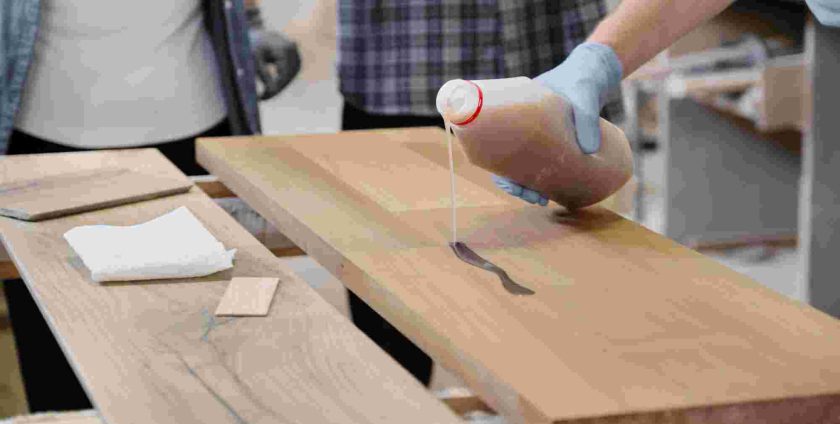
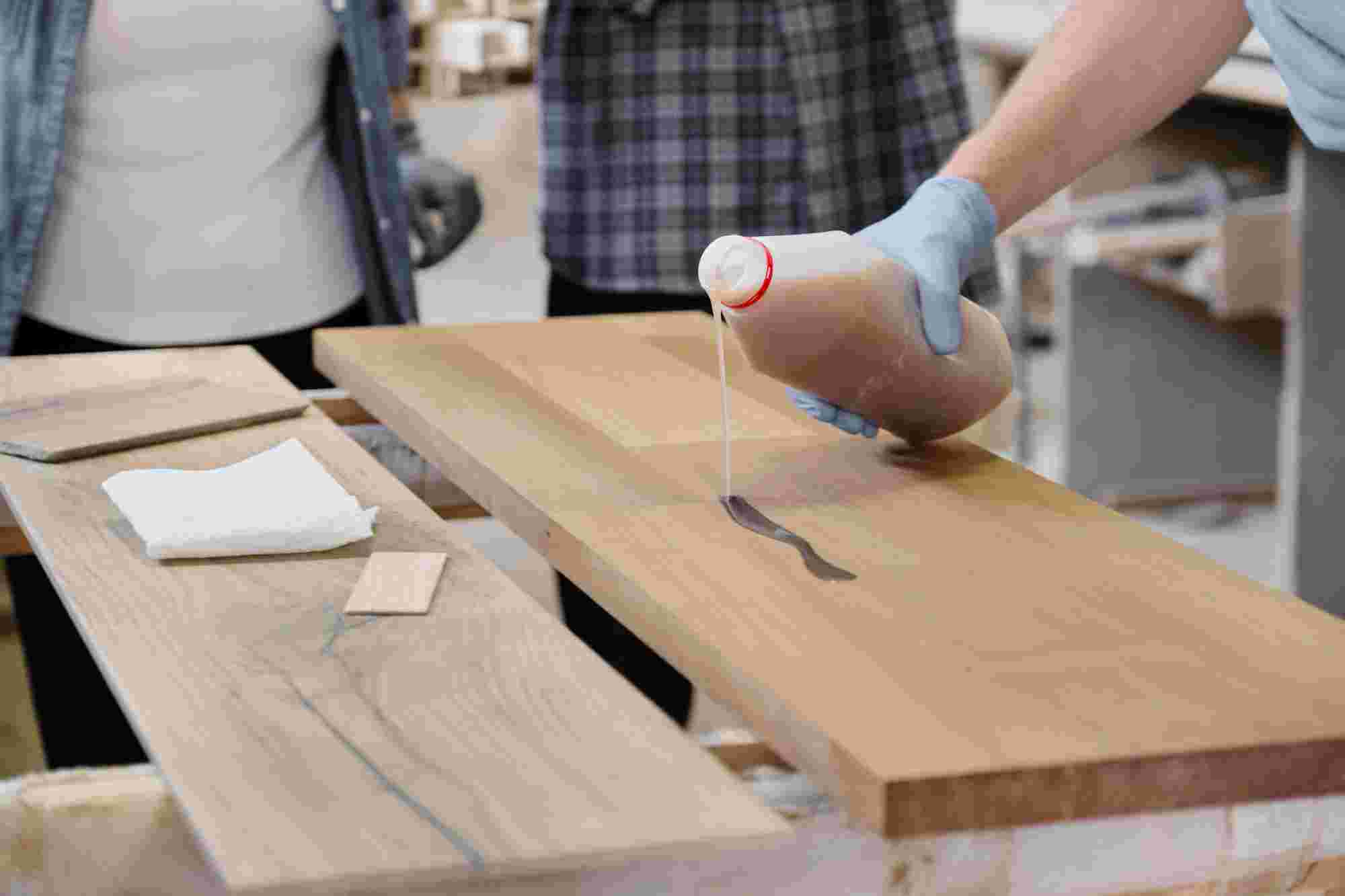
Natural wood has a way of transforming a space like nothing else. Its warmth, texture, and organic character bring a sense of life into every corner of a home. Whether it’s a rustic dining table, elegant flooring, or a custom-built countertop, wood tells a story through its grains and tones. It creates a connection between indoor living and the natural world, making any space feel more inviting and timeless.
Beyond its visual appeal, wood also carries a sense of craftsmanship and authenticity that manufactured materials often struggle to replicate. However, as beautiful as it is, natural wood is also vulnerable. Exposure to moisture, heat, scratches, and daily wear can slowly diminish its charm. That’s why understanding the process of sealing wood is essential if you want your investment to last for years if not decades.
Sealing wood isn’t just about aesthetics. It’s about preservation, protection, and enhancing the natural beauty that makes each piece unique. When done properly, it creates a barrier that guards against damage while highlighting the richness of the material. More importantly, sealing helps maintain structural integrity, preventing issues like warping, cracking, or discoloration over time. With the right techniques and consistent care, sealed wood can retain its original elegance while adapting to the demands of everyday use. Let’s explore how you can achieve long-lasting durability through the right approach.
Understanding Why Your Natural Wood Needs Protection
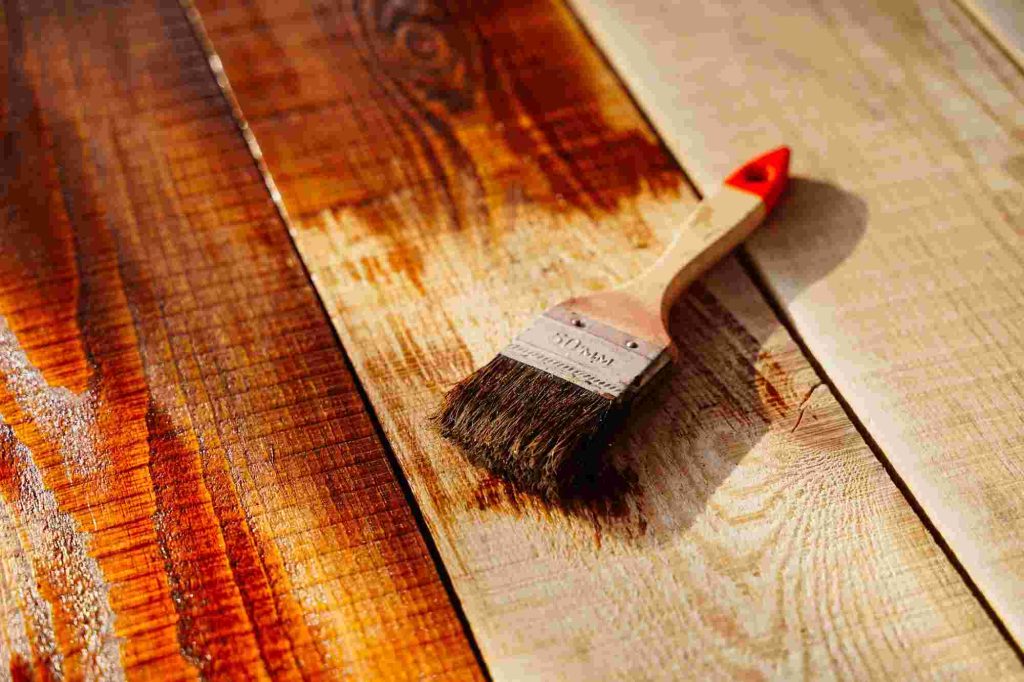
Natural wood is a living material, even after it has been processed and installed in your home. It expands and contracts with changes in humidity and temperature, making it highly sensitive to environmental conditions. Without proper protection, wood can absorb moisture, leading to warping, swelling, or even mold growth.
One of the biggest threats to untreated wood is water. Spills, humidity, and even cleaning routines can cause gradual damage. Over time, this can weaken the structure and leave permanent stains. Sunlight is another factor that can alter the color of wood, causing fading or uneven tones.
This is where sealing wood plays a critical role. A good sealant acts as a protective layer that prevents liquids from penetrating the surface. It also minimizes the effects of UV exposure and reduces the risk of scratches and dents. More importantly, sealing helps maintain the natural grain patterns, ensuring the wood continues to look vibrant and polished.
Beyond protection, sealing also enhances functionality. Surfaces like kitchen countertops, dining tables, and flooring endure daily use. A properly sealed surface becomes easier to clean and maintain, making it more practical for everyday living.
Finding the Perfect Shield for Every Wood Species

Not all wood is created equal. Different species have varying levels of density, porosity, and natural oils, which means they respond differently to sealants. Choosing the right type of finish is essential to achieve the best results.
Hardwoods like teak, oak, and walnut are generally more durable, but they still benefit greatly from sealing wood. Teak, for example, contains natural oils that provide some resistance to moisture, yet sealing can further enhance its longevity and maintain its rich color. On the other hand, softer woods like pine or cedar are more porous and require a stronger protective layer to prevent damage.
There are several types of sealants available, each offering unique benefits:
- Polyurethane: Known for its durability, it provides a strong protective layer ideal for high-traffic areas like floors.
- Varnish: Offers excellent resistance to water and UV rays, making it suitable for both indoor and outdoor applications.
- Oil-based sealers: Penetrate deep into the wood, enhancing its natural appearance while providing moderate protection.
- Water-based sealers: Dry quickly and emit less odor, making them a popular choice for indoor projects.
The key is to match the sealant with the wood type and its intended use. For example, a dining table may require a food-safe finish, while flooring needs a tougher, more resilient coating. Outdoor furniture, on the other hand, often demands sealants with UV protection and water resistance to withstand changing weather conditions.
When selecting products for sealing wood, always consider durability, ease of application, and the final look you want to achieve. Some finishes provide a glossy sheen, while others maintain a more natural, matte appearance. It’s also worth considering maintenance requirements, as certain finishes may need periodic reapplication to keep the wood looking its best over time.
A Professional Step-by-Step Sealing Process
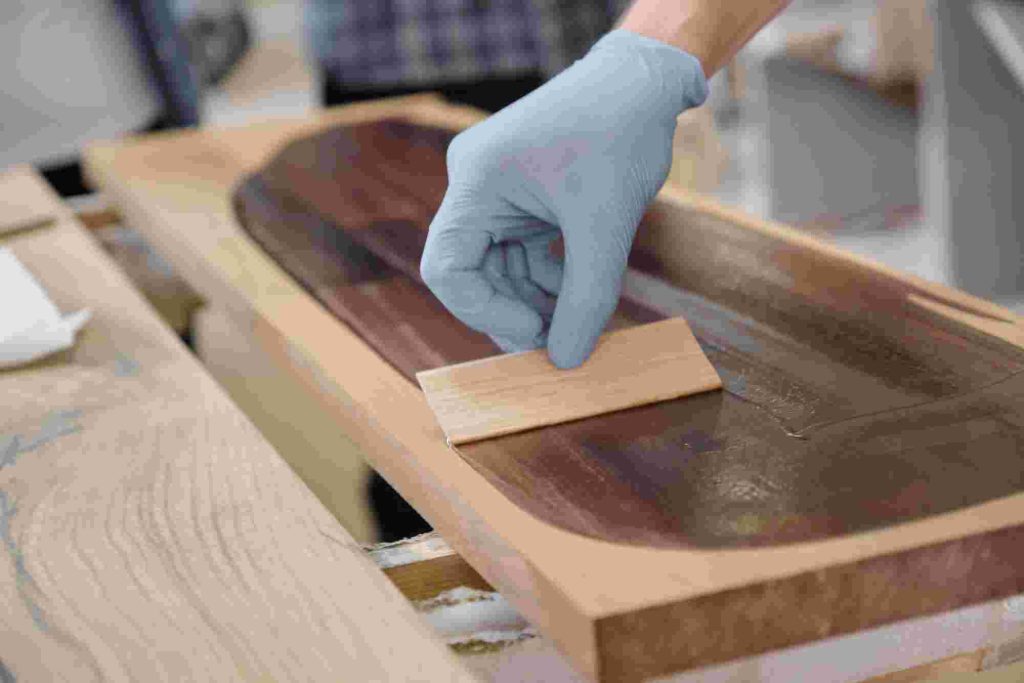
Achieving a flawless finish requires more than just applying a sealant. It involves careful preparation, proper technique, and attention to detail. Here’s a step-by-step approach to ensure professional-quality results:
- Surface Preparation
Start by cleaning the wood thoroughly. Remove dust, dirt, and any previous finishes if necessary. Sand the surface evenly to create a smooth base. This step is crucial because it allows the sealant to adhere properly.
- Sanding and Smoothing
Use fine-grit sandpaper to refine the surface. Always sand in the direction of the grain to avoid scratches. After sanding, wipe the surface with a damp cloth to remove any remaining dust.
- Applying the First Coat
Begin sealing wood by applying a thin, even coat of your chosen sealant. Use a brush, roller, or cloth depending on the product type. Avoid overloading the surface, as this can lead to uneven drying.
- Drying Time
Allow the first coat to dry completely. Drying time may vary depending on the type of sealant and environmental conditions. Patience is key here, rushing can compromise the finish.
- Light Sanding Between Coats
Once the first coat is dry, lightly sand the surface again. This helps remove imperfections and ensures better adhesion for the next layer.
- Applying Additional Coats
Repeat the process for two to three coats, depending on the level of protection required. Each layer enhances durability and improves the overall finish.
- Final Curing
After the last coat, allow the wood to cure fully before using it. This step ensures maximum hardness and longevity.
Following this process ensures that sealing wood is done effectively, resulting in a smooth, durable, and visually appealing finish.
Expert Tips for Long-Term Wood Maintenance
Even after sealing, proper maintenance is essential to keep your wood surfaces in excellent condition. A well-sealed surface can last for years, but regular care will extend its lifespan even further.
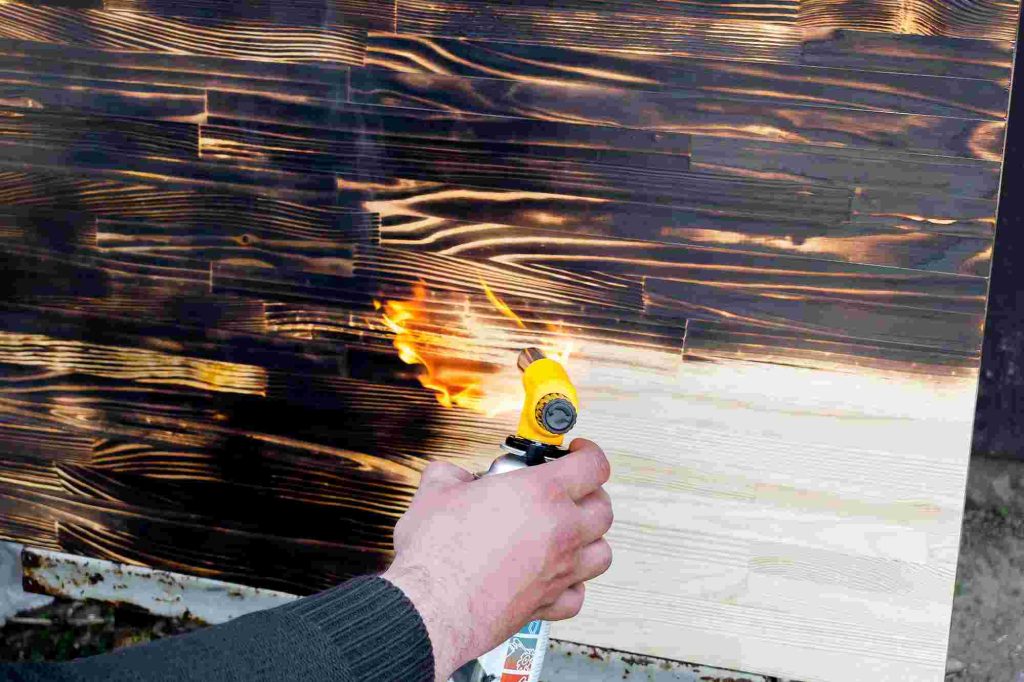
- First, avoid excessive exposure to water. While sealing provides protection, it doesn’t make wood completely waterproof. Always wipe spills immediately to prevent potential damage.
- Second, use gentle cleaning methods. Harsh chemicals can degrade the sealant over time. Instead, opt for mild soap and a soft cloth to maintain cleanliness without compromising the finish.
- Third, protect surfaces from heat and scratches. Use coasters, placemats, and protective pads to minimize direct contact with hot objects or sharp items. These small habits make a big difference in preserving the integrity of the wood.
Another important aspect of sealing wood maintenance is periodic inspection. Over time, the sealant may wear down, especially in high-use areas. Look for signs such as dullness, discoloration, or rough texture. When these appear, it may be time to reapply a protective layer.
Humidity control also plays a significant role. Maintaining a stable indoor environment helps prevent wood from expanding or contracting excessively. This is particularly important in regions with fluctuating climates.
Lastly, consider professional support for larger or more complex projects. Working with experienced suppliers ensures that you use high-quality materials and achieve optimal results. Reliable sources can also provide guidance tailored to your specific needs.
If you’re looking for premium wood materials and expert guidance you can truly rely on, we stands out as a trusted partner for both residential and commercial projects. Backed by years of experience in the wood industry, consistently delivers high-quality wood products that are carefully selected, processed, and finished to meet the highest standards. Every piece is designed not only to elevate the visual appeal of your space but also to ensure long-lasting performance, making it a smart investment for the future.
What sets Jati Luhur Aourgung apart is not just the quality of its materials, but also its commitment to helping customers make informed decisions. Whether you are working on a small home improvement project or a large-scale interior design concept, having access to the right expertise can make all the difference. From choosing the right type of wood to understanding the best sealing techniques, we provides insights that help you achieve optimal results with confidence.
By exploring the full range of offerings available at our official website, let’s open the door to a wide selection of premium wood solutions tailored to various needs and styles. From elegant flooring to durable countertops and custom wood applications, each product reflects a balance of craftsmanship, sustainability, and innovation. This ensures that your project not only looks exceptional today but continues to perform beautifully for years to come.
Now is the perfect time to take your project to the next level. Don’t settle for ordinary materials when you can work with a trusted supplier that understands both the art and science of wood. Visit our website today and discover how our team can help you bring your vision to life with precision, quality, and timeless elegance.
-

What Is a Wood Gym Floor? Expert Guide for Sports Facilities
The floor is one of the most important elements in an indoor sports facility. It affects how athletes move, stop, jump, land, and change direction. It also influences comfort, maintenance, and the appearance of the venue. For basketball courts, school gyms, training centers, and multipurpose halls, choosing suitable flooring is an important part of the…
-

What to Look for in an End Grain Cutting Board Manufacturer
Choosing the right cutting board manufacturer can be more important than it first appears. For retailers, distributors, restaurant suppliers, and kitchenware brands, the manufacturer behind a product directly influences its consistency, appearance, durability, and overall customer experience. A cutting board may look simple, but producing one that performs well requires careful material selection, precise processing,…
-
Hevea Engineered Flooring Tips for Better Performance and Longevity
Hevea engineered flooring can bring a warm, natural character to an interior while offering the practical structure needed for everyday use. Made with a real wood surface and engineered construction, this flooring can be a suitable choice for homes, offices, hospitality spaces, and other interiors where appearance and stability both matter. However, good performance does…
- By:PT. Jati Luhur Agung
- Tags: kitchen wood, sealing wood
- Category: Kitchen Wood
- 0 comment