Wood has remained one of the most dependable building materials throughout history. Despite the rise of concrete, steel, and various engineered materials, wood continues to be a preferred choice for residential, commercial, and industrial construction projects. Its versatility, natural beauty, workability, and structural performance make it an essential material in the construction industry. However, selecting the right wood is not always straightforward. Every species offers unique characteristics that affect strength, durability, appearance, and long-term performance. Choosing the wrong material can lead to higher maintenance costs, reduced lifespan, and structural concerns. This is why understanding the different types of wood for construction is crucial before starting any building project.
Why Wood Strength Matters
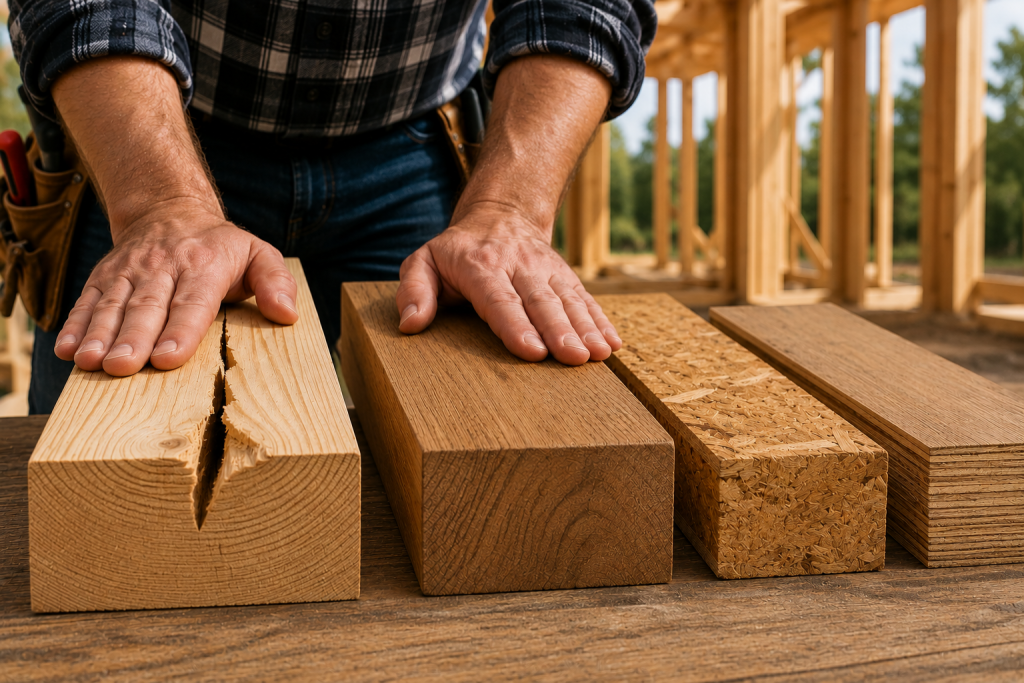
Strength is one of the most important considerations when choosing wood for construction. A building depends on reliable materials that can withstand weight, pressure, movement, and environmental stress over time. Strong wood contributes directly to the safety, stability, and longevity of a structure. Wood strength is influenced by several factors, including density, grain pattern, moisture content, and species characteristics. Generally, denser woods offer greater resistance to bending, compression, and impact. These qualities become particularly important in structural applications where the material must support significant loads.
When evaluating types of wood for construction, it is important to understand that not every project requires the same level of strength. For example, support beams and framing members need high load-bearing capacity, while decorative wall panels may prioritize appearance over structural performance. Wood strength also affects durability. Stronger wood species are often better equipped to resist wear, deformation, and damage caused by daily use. This makes them ideal for flooring, staircases, and other high-traffic areas. Environmental conditions further highlight the importance of strength. Buildings located in regions with high humidity, heavy rainfall, strong winds, or fluctuating temperatures require materials capable of maintaining structural integrity under changing conditions. Selecting appropriate types of wood for construction can help prevent issues such as warping, cracking, or excessive movement.
In addition, stronger wood often delivers better long-term value. Although premium species may involve a higher initial investment, their extended lifespan and reduced maintenance requirements frequently offset those costs over time. This makes strength not only a technical consideration but also an economic one.
Hardwood vs Softwood for Construction
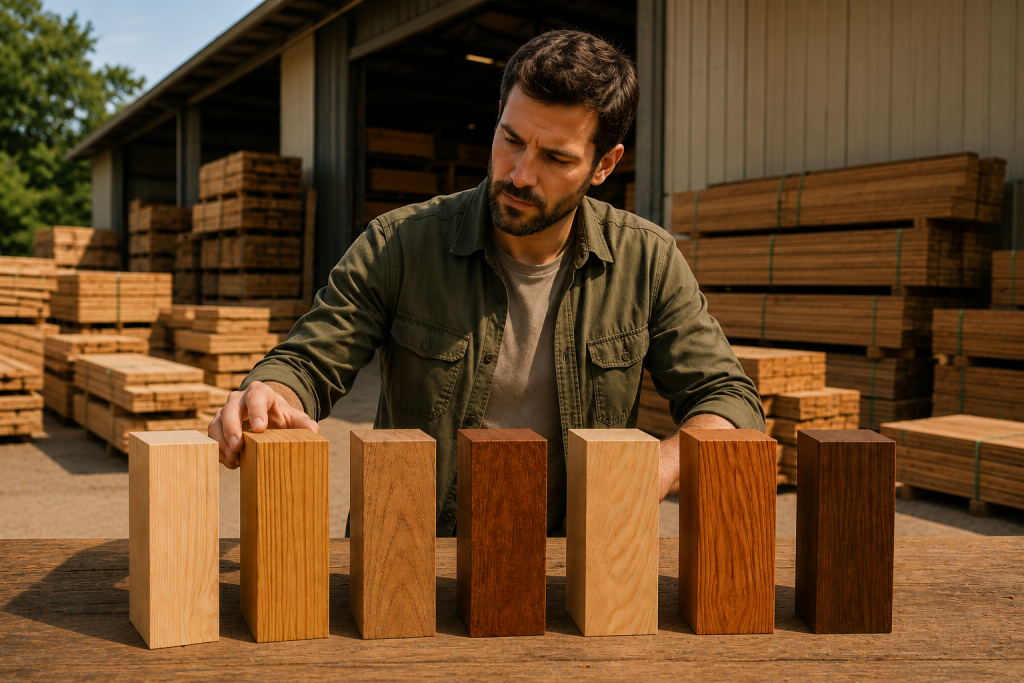
One of the most common questions in construction involves choosing between hardwood and softwood. While many people assume hardwood is always stronger and better, the reality is more complex. Both categories offer advantages depending on the intended application. Hardwoods come from deciduous trees, which shed their leaves seasonally. These woods generally grow more slowly, resulting in denser fibers and greater hardness. Common hardwood species include teak, oak, mahogany, merbau, and walnut. Softwoods originate from coniferous trees such as pine, spruce, cedar, and fir. These trees typically grow faster, making softwoods more readily available and often more affordable. Despite their name, some softwoods can be remarkably strong and suitable for structural applications.
When comparing types of wood for construction, hardwoods are often selected for projects requiring exceptional durability, longevity, and aesthetic appeal. Their dense structure makes them highly resistant to wear and damage, making them ideal for flooring, staircases, doors, and exposed architectural features. Softwoods dominate the framing industry because of their excellent strength-to-weight ratio and ease of handling. Builders commonly use softwood for wall framing, roof structures, trusses, and general construction components. Their lighter weight simplifies transportation and installation, reducing labor costs on many projects.
Another consideration is workability. Softwoods are generally easier to cut, shape, and fasten, making them attractive for large-scale construction. Hardwoods, while more durable, often require specialized tools and additional labor due to their density. Sustainability also plays a role in material selection. Many softwood plantations are managed specifically for timber production, providing a renewable source of building materials. Meanwhile, responsibly sourced hardwoods continue to offer excellent environmental and performance benefits when obtained from certified suppliers. Ultimately, there is no universal winner between hardwood and softwood. The best choice depends on the project’s structural requirements, design goals, environmental conditions, and budget.
The Strongest Woods for Framing and Structural Use
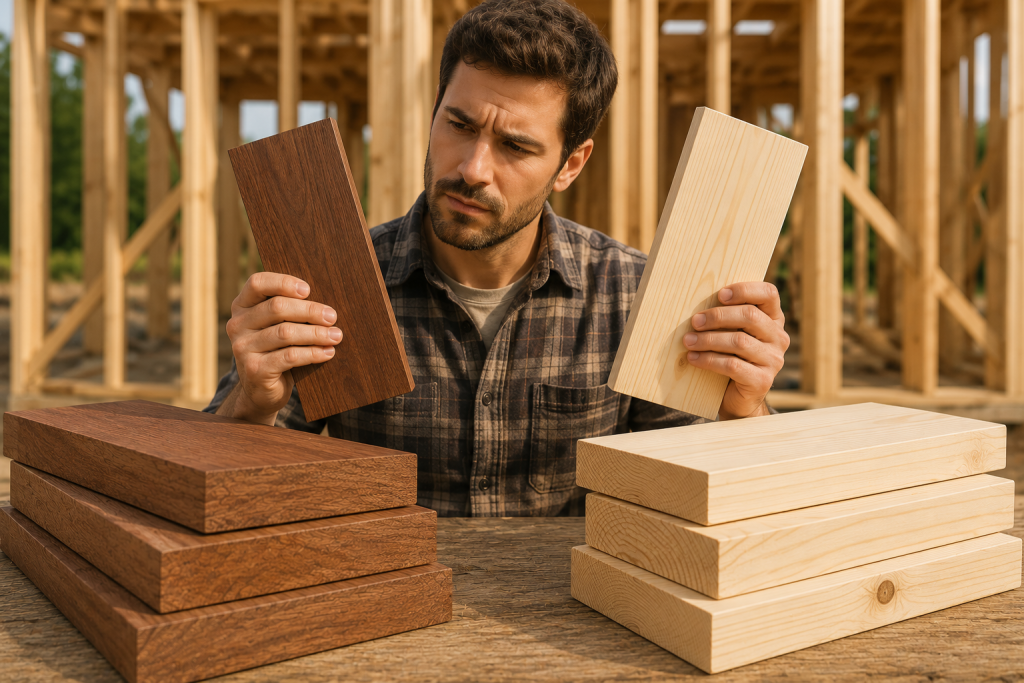
Certain species consistently stand out for their strength and reliability in construction applications. These woods have earned their reputation through decades of proven performance in demanding structural environments.
- Teak
Teak is often considered one of the most valuable woods in the construction industry. Known for its remarkable strength, stability, and resistance to moisture, teak performs exceptionally well in both structural and decorative applications. Its natural oils help protect against insects, decay, and weather exposure, making it one of the most reliable types of wood for construction available today.
- Oak
Oak is widely respected for its density and mechanical strength. It offers excellent resistance to compression and impact, making it suitable for beams, columns, flooring, and structural elements. Oak’s durability has made it a favorite among builders for centuries.
- Douglas Fir
Douglas fir is one of the most commonly used structural softwoods worldwide. It possesses an impressive strength-to-weight ratio, allowing it to support substantial loads without excessive weight. This characteristic makes it ideal for framing, roof systems, and engineered wood products.
- Merbau
Merbau combines strength, durability, and natural resistance to moisture. Its dense structure allows it to withstand demanding environments while maintaining dimensional stability. This makes it suitable for structural applications as well as premium flooring and decking projects.
- Engineered Timber
Modern construction increasingly relies on engineered timber products such as glued laminated timber and cross-laminated timber. These materials are designed to maximize strength, consistency, and performance while reducing natural defects commonly found in solid wood.
Understanding the performance characteristics of various types of wood for construction allows builders to choose materials that meet both safety requirements and project expectations. Structural wood selection should always prioritize reliability, durability, and compliance with engineering specifications.
Durable Wood for Exterior and Interior
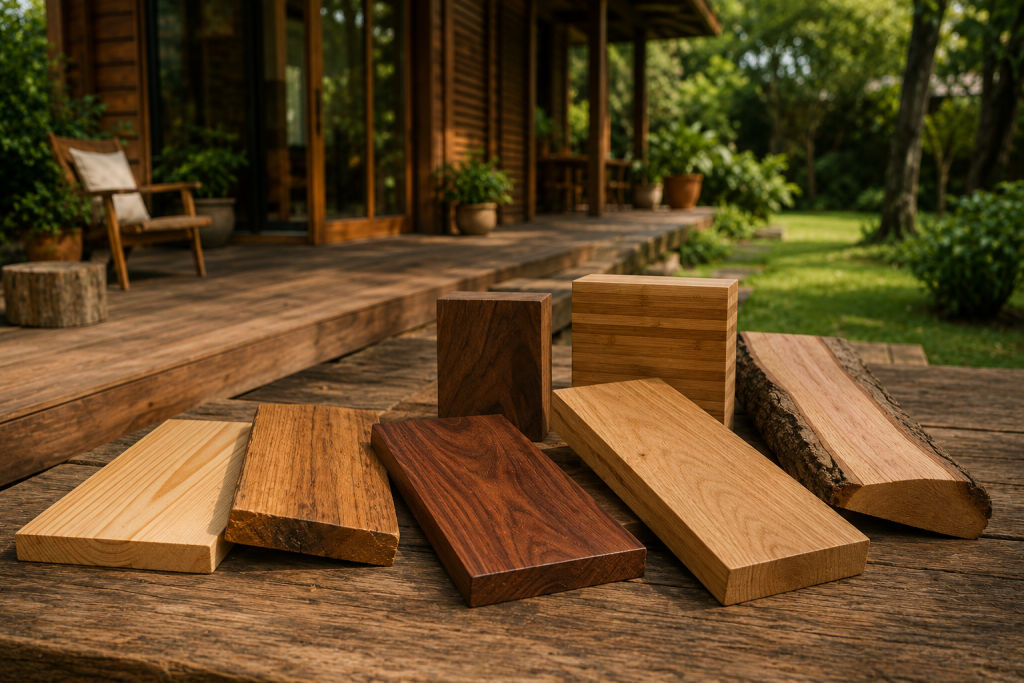
Durability is just as important as strength when selecting construction materials. Wood must be capable of resisting moisture, insects, fungal growth, temperature changes, and everyday wear to ensure long-term performance. Exterior applications often face the harshest conditions. Decks, pergolas, cladding, fences, and outdoor structures are constantly exposed to rain, sunlight, humidity, and fluctuating temperatures. Choosing durable wood species helps reduce maintenance requirements and extends service life. Teak remains one of the leading choices for outdoor construction because of its natural resistance to weather and biological threats. With proper care, it can withstand daily use in active households.
Cedar is also highly regarded for its stability and insect resistance, while merbau offers outstanding durability in challenging environments. Interior applications focus on a slightly different set of priorities. Flooring, wall panels, staircases, cabinetry, and decorative features require materials that can withstand daily use while maintaining their appearance. Hardwood species such as teak, oak, and walnut are popular choices because of their combination of durability and visual appeal. Maintenance requirements should also influence material selection. Some woods require regular sealing, staining, or treatment to preserve their appearance and performance, while others naturally resist deterioration with minimal upkeep.
Every construction project starts with choosing the right materials, and wood remains one of the most important decisions in the building process. By understanding wood strength, recognizing the differences between hardwood and softwood, and considering durability for both structural and finishing applications, builders can make more confident choices that support long-term performance. With so many types of wood for construction available, selecting the right species can help improve structural stability, enhance aesthetics, and minimize future maintenance. For those looking for dependable timber solutions backed by industry expertise, Jati Luhur Agung offers a wide selection of premium wood products to support various construction and building needs. Visit official website to discover quality timber options and find the right material for your next project.
-
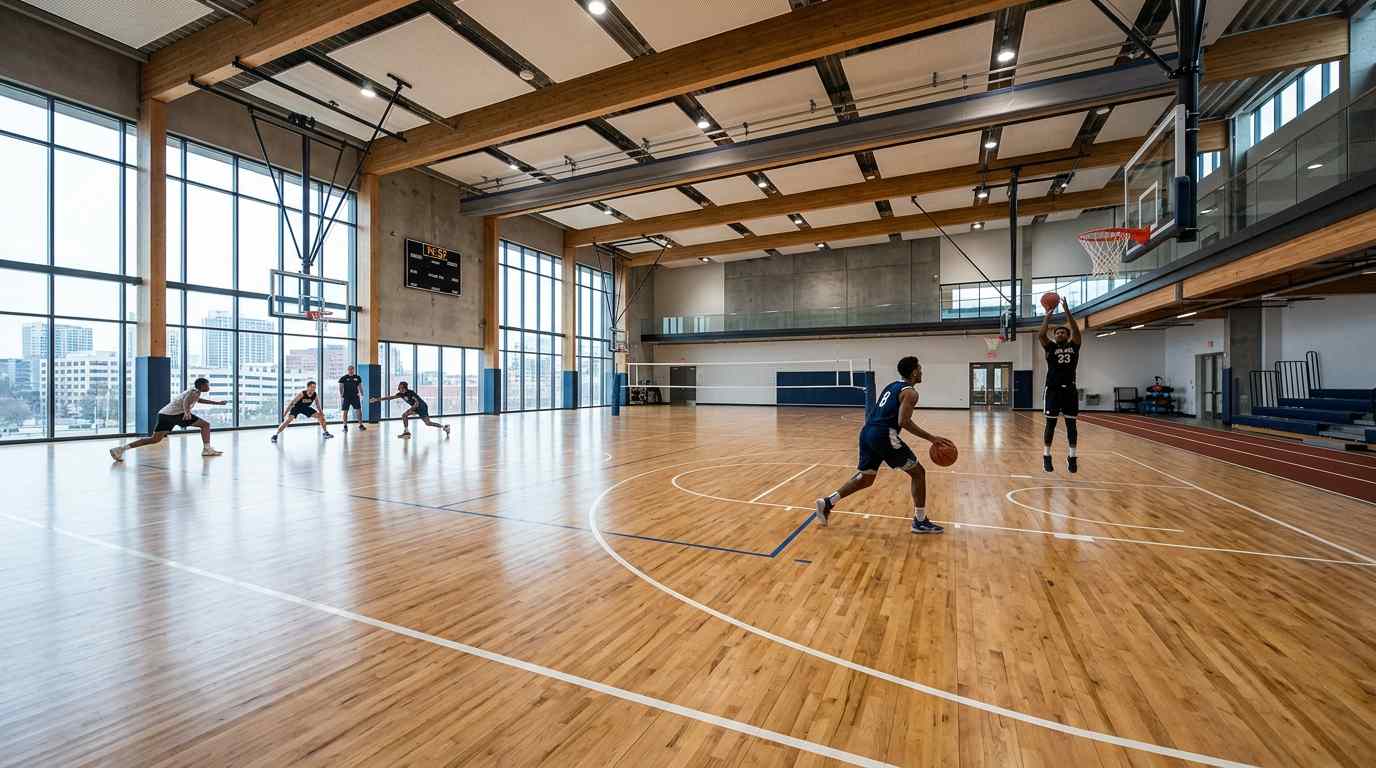
What Is a Wood Gym Floor? Expert Guide for Sports Facilities
The floor is one of the most important elements in an indoor sports facility. It affects how athletes move, stop, jump, land, and change direction. It also influences comfort, maintenance, and the appearance of the venue. For basketball courts, school gyms, training centers, and multipurpose halls, choosing suitable flooring is an important part of the…
-
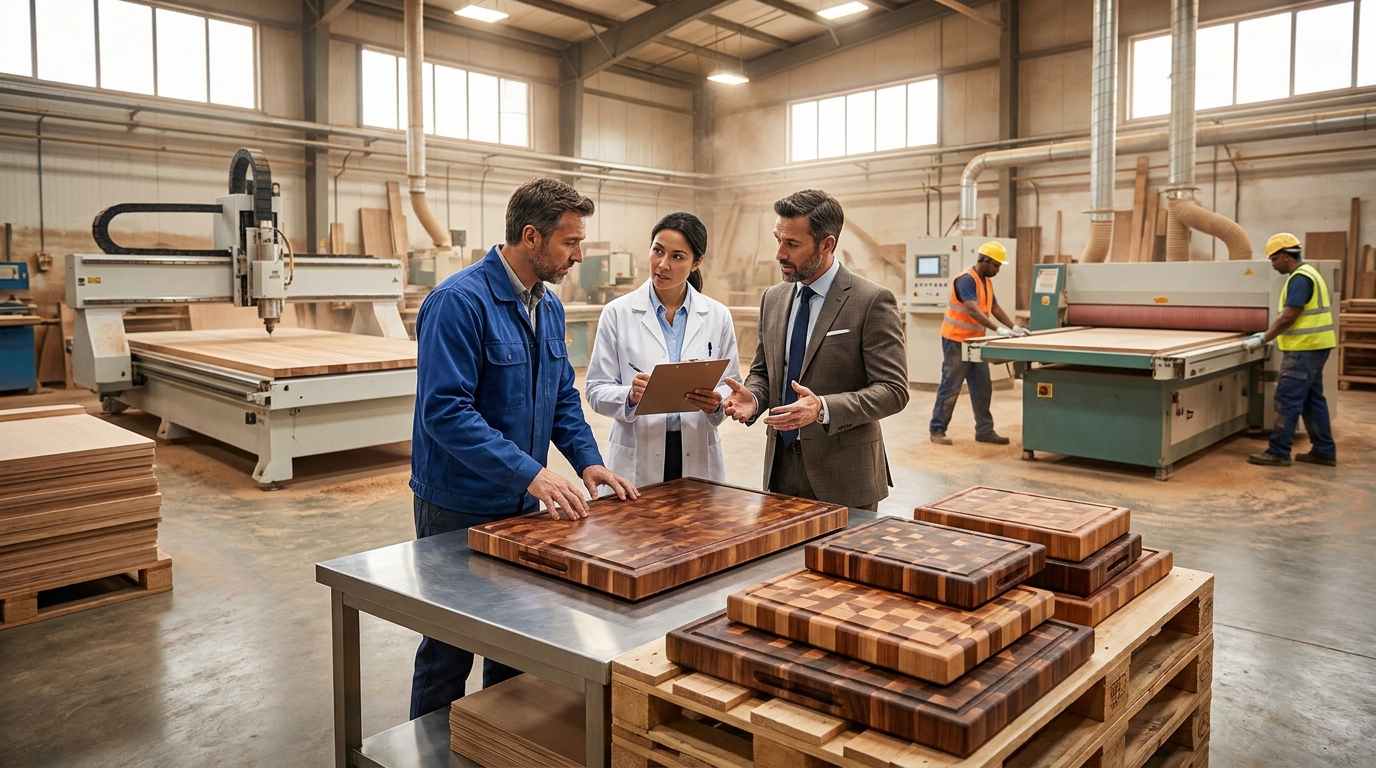
What to Look for in an End Grain Cutting Board Manufacturer
Choosing the right cutting board manufacturer can be more important than it first appears. For retailers, distributors, restaurant suppliers, and kitchenware brands, the manufacturer behind a product directly influences its consistency, appearance, durability, and overall customer experience. A cutting board may look simple, but producing one that performs well requires careful material selection, precise processing,…
-
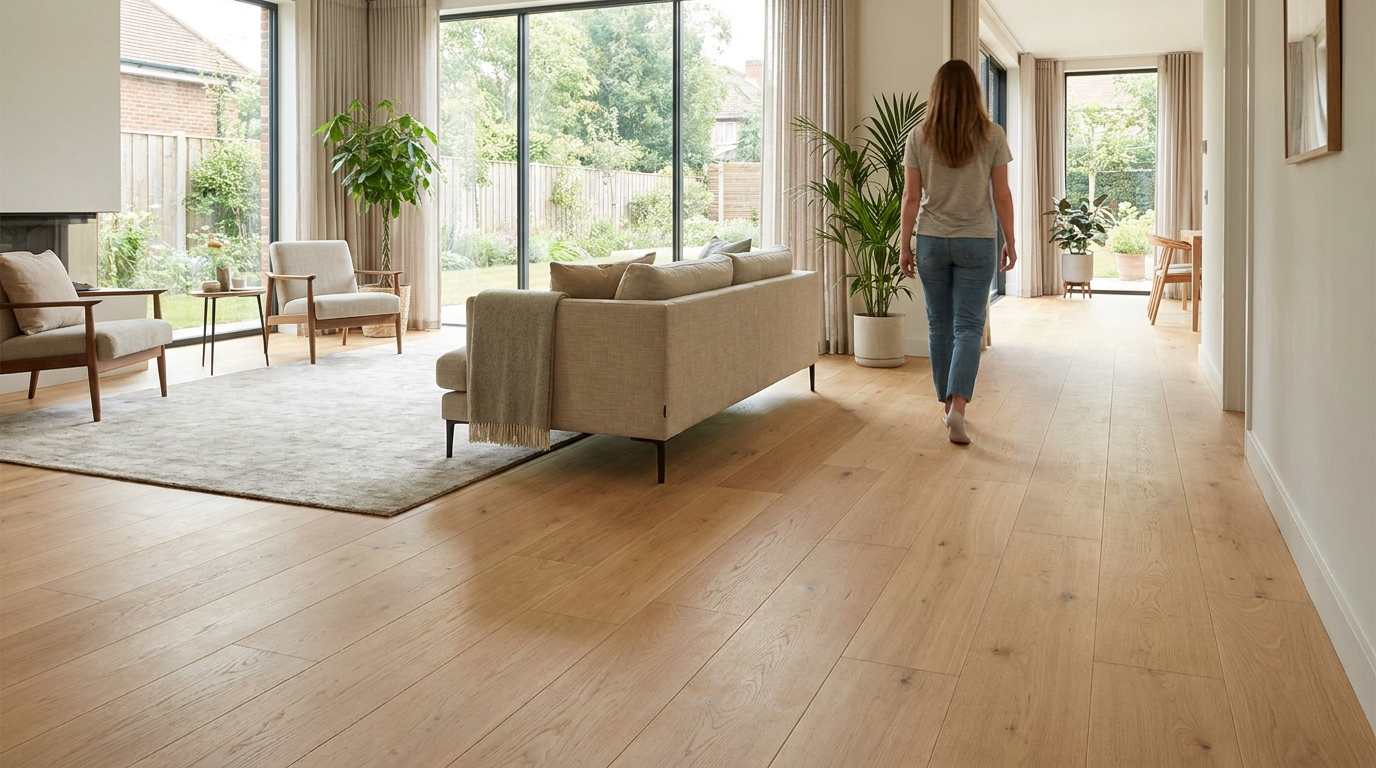
Hevea Engineered Flooring Tips for Better Performance and Longevity
Hevea engineered flooring can bring a warm, natural character to an interior while offering the practical structure needed for everyday use. Made with a real wood surface and engineered construction, this flooring can be a suitable choice for homes, offices, hospitality spaces, and other interiors where appearance and stability both matter. However, good performance does…
- By:PT. Jati Luhur Agung
- Tags: best wood for construction, building projects, wood materials
- Category: Wood Flooring
- 0 comment