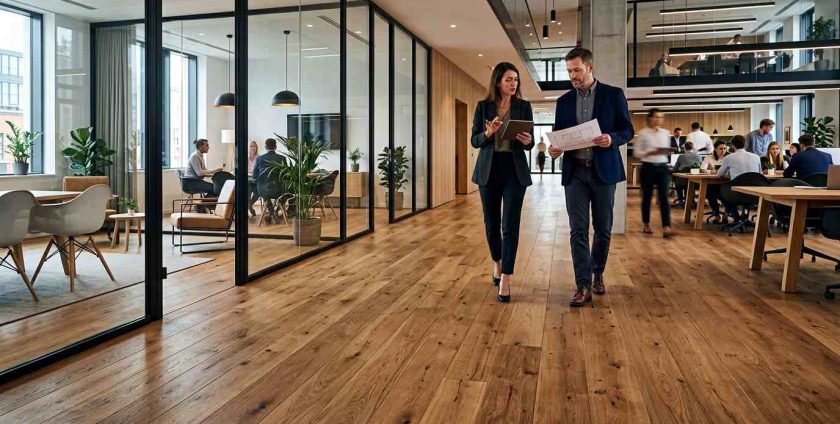
When you step into a high-end boutique hotel, a sleek corporate office, or a bustling upscale restaurant, the flooring is often the silent anchor of the entire design. It sets the tone, communicates brand prestige, and impacts the daily experience of every person who walks through the door. For business owners, interior designers, and project managers, finding a balance between breathtaking natural aesthetics and heavy-duty durability is the ultimate goal. This is where commercial engineered wood flooring truly shines as a premier architectural choice.
Unlike traditional solid hardwood, which can react heavily to shifting indoor climates and heavy foot traffic patterns, engineered wood is engineered at its core to withstand the demands of modern business environments. Navigating the vast market of architectural products requires a strategic approach. Making the right investment means understanding how core construction, surface finishes, wear layers, and environmental factors intersect to protect your bottom line while elevating your interior spaces.
Why Choose Engineered Wood Flooring for Commercial Spaces?
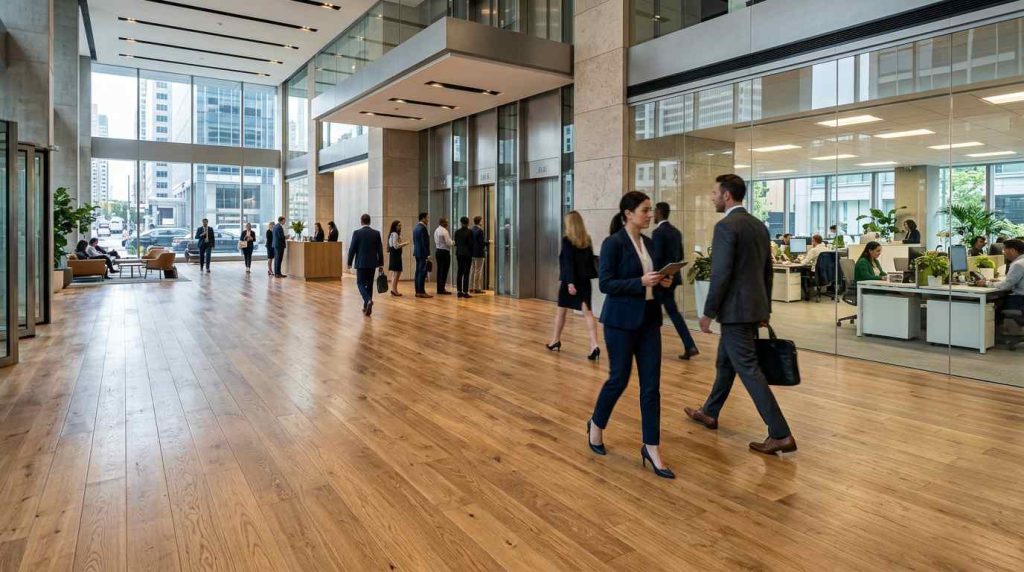
Commercial interiors demand flooring solutions that can take a beating without losing their sophisticated visual appeal. Retail stores experience rolling shopping carts, high heels, and thousands of footfalls daily. Corporate offices face rolling desk chairs, heavy furniture rearrangements, and seasonal humidity fluctuations from centralized HVAC systems. Traditional solid wood can warp, cup, or gap under these intense conditions, leading to costly premature replacements.
The multi-layered cross-ply construction of commercial engineered wood flooring changes the game entirely. By stacking layers of high-density fiberboard or cross-grained lumber beneath a genuine hardwood lamella, the planks neutralize natural wood movement. When humidity rises or drops, the core layers counteract expansion and contraction. This structural stability makes it an ideal selection not just for standard offices, but also for hospitality venues and retail outlets where structural integrity is non-negotiable.
Furthermore, investing in premium commercial engineered wood flooring brings the authentic warmth, grain patterns, and biophilic design benefits of real timber into commercial architecture. Employees, clients, and customers instantly respond to the organic luxury of natural wood underfoot. It fosters a welcoming, grounded atmosphere that synthetic alternatives like luxury vinyl tile or laminate simply cannot replicate. By choosing a product designed specifically for rigorous environments, businesses secure an interior foundation that balances enduring beauty with structural resilience.
Choosing the Right Plank Width and Wear Layer
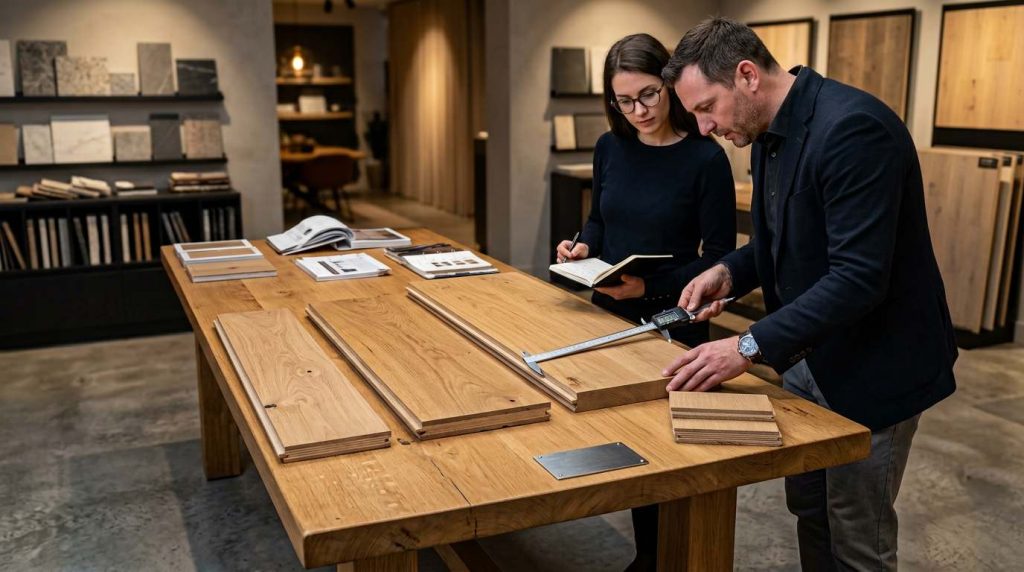
Once you have decided on an engineered product, the physical dimensions and top layer specifications will dictate both the visual impact and the lifespan of your floor. Selecting the correct plank width and wear layer thickness is a critical technical step that requires balancing aesthetic trends with practical durability.
You might be inteterest: Choosing a Trusted Hevea Engineered Hardwood Flooring Manufacturer
Wide planks have dominated commercial interior design trends for years, creating expansive, clean sightlines that make rooms feel larger and more luxurious. However, in high-traffic commercial settings, extremely wide boards can sometimes be more susceptible to surface tension if not properly manufactured. Partnering with reputable Engineered Hardwood Floor Manufacturers ensures that wide-format planks are engineered with balanced multi-ply cores that maintain dimensional stability under heavy daily stress.
Equally important is the wear layer—the actual slice of genuine hardwood on top of the core. For residential settings, a thin veneer is often sufficient. For a busy commercial environment, however, you must look for a thicker wear layer, typically ranging from 3mm to 6mm. A thicker wear layer allows the floor to be professionally sanded and refinished multiple times over its lifecycle. This capability transforms your flooring from a short-term consumable into a long-term capital asset, ensuring that minor scratches or heavy scuffs can be buffed away during routine building maintenance cycles.
Colours and Finishes for Commercial Interiors
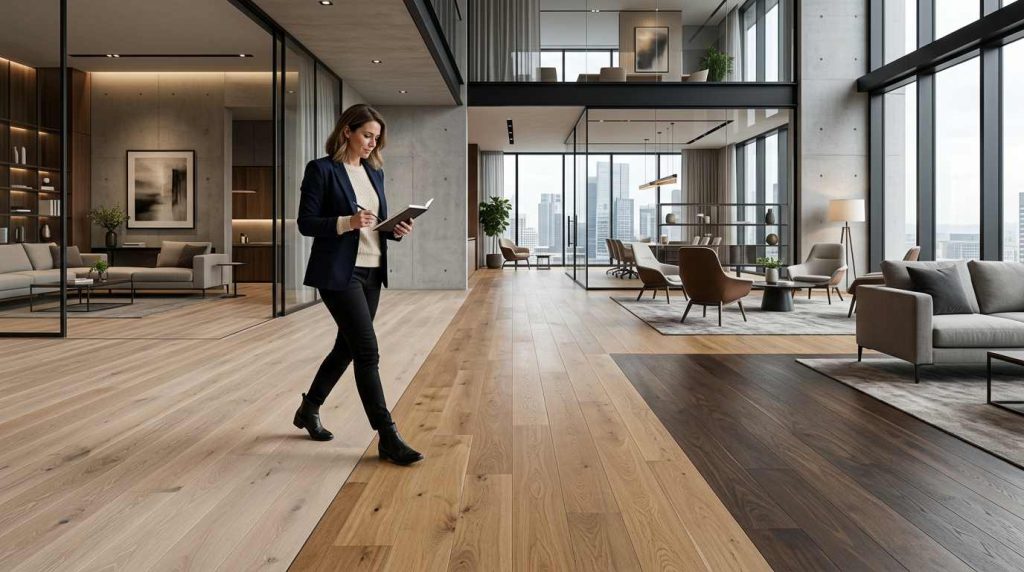
The color palette and surface finish of your flooring do much more than just look pretty—they actively shape the psychological perception of your commercial space and influence daily maintenance routines. Light neutral tones like bleached oak, white ash, and blonde teak expand light, making compact retail boutiques feel airy and inviting. On the other hand, rich, deep hues like dark walnut or smoked espresso convey authority, luxury, and intimacy, making them perfect for executive boardrooms, law offices, and upscale lounge bars.
Beyond color, the factory finish applied to commercial engineered wood flooring dictates how well the surface resists stains, moisture, and micro-scratches. Modern UV-cured polyurethane and aluminum oxide finishes offer incredible protection, sealing the wood pores against spilled coffee, cleaning chemicals, and dirt tracked in from the street.
Matte and low-sheen finishes are currently favored in modern commercial design because they diffuse light gracefully, masking minor dust footprints and scuffs much better than high-gloss alternatives. Choosing a brushed or wire-brushed texture also adds tactile depth while naturally disguising the minor wear and tear inevitable in high-traffic zones.
What to Consider When Sourcing Commercial Wood Flooring
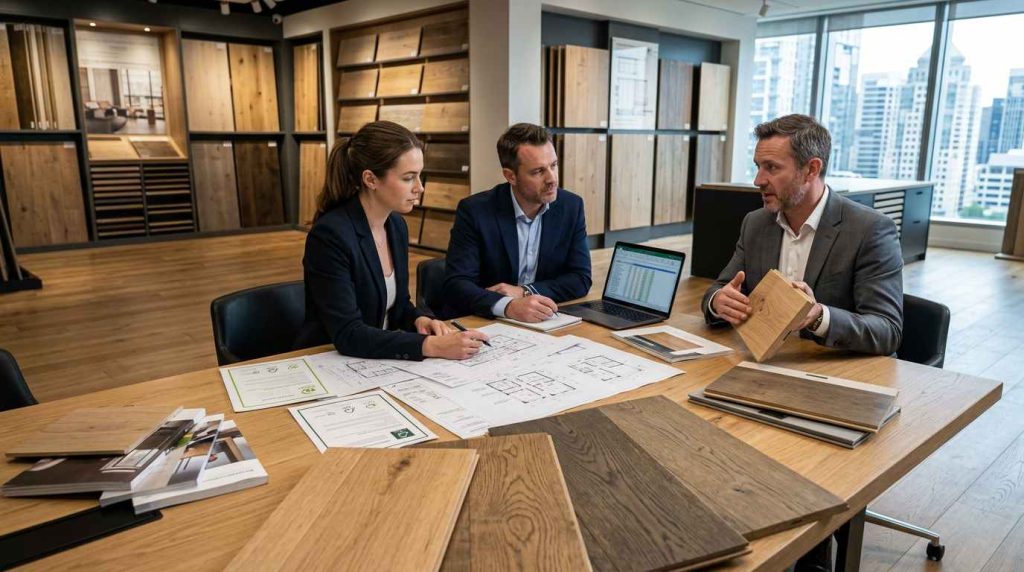
Sourcing building materials for a commercial project involves a complex matrix of logistics, compliance, and budget considerations. Rushing into a purchase without vetting your supply chain can lead to project delays, code compliance failures, and compromised installation results. First and foremost, verify the environmental certifications and origin of the timber. Modern commercial building standards, such as LEED and WELL certifications, heavily emphasize sustainable forestry, low-VOC emissions, and indoor air quality.
Ensure that your chosen commercial engineered wood flooring complies with CARB Phase 2 or TSCA Title VI formaldehyde emission standards to guarantee a safe, healthy indoor environment for building occupants.
Next, evaluate the structural compatibility of the subfloor and the installation method. Depending on whether your project involves a concrete slab in a high-rise office building or a wooden subfloor in a retail renovation, you may need a glue-down installation method rather than floating systems to minimize hollow sounds under heavy foot traffic.
Finally, always calculate a waste factor of 7% to 10% to account for cutting, pattern matching, and perimeter fitting. Sourcing from experienced Engineered Hardwood Floor Manufacturers can streamline shipping logistics, ensure regional warranty support, and provide technical documentation that architects and general contractors require for seamless project sign-off.
FAQ
- Is Engineered Wood Flooring Suitable for Commercial Use?
Yes, absolutely. When specified with an appropriate wear layer and a high-density structural core, commercial engineered wood flooring easily handles the intense, everyday demands of bustling retail stores, corporate offices, and high-end hospitality venues while retaining its warm natural charm. Unlike traditional solid timber, which is highly vulnerable to fluctuating indoor humidity and heavy foot traffic, modern engineered structures provide superior dimensional stability. This makes it an exceptional choice for business environments looking to merge long-term structural reliability with a sophisticated, premium aesthetic.
- What Thickness Is Best for Commercial Engineered Wood Flooring?
For commercial spaces subject to continuous movement, a total board thickness of 1/2 inch to 3/4 inch with a top hardwood wear layer of at least 4mm is generally recommended. This robust build allows the floor to withstand heavy foot traffic, rolling equipment, and shifting furniture loads without buckling or compromising its core integrity. Furthermore, having a thicker top layer ensures that the material can be professionally sanded and refinished multiple times over its lifecycle, maximizing your capital investment.
- How Long Does Commercial Engineered Wood Flooring Last?
With proper professional installation, consistent routine maintenance, and high-grade manufacturing, premium commercial engineered wood flooring can easily last between 20 to 30 years or even longer in heavy-traffic environments. Because commercial spaces experience accelerated wear compared to residential homes, investing in top-tier construction and protective surface finishes ensures that the flooring resists premature scuffing, fading, and structural degradation over decades of continuous use.
- Can Commercial Engineered Wood Flooring Be Customized?
Yes, many industry-leading producers offer extensive customization options, including custom plank sizing, specialized wood grading, bespoke staining, and unique surface textures like hand-scraping or wire-brushing. These tailored options allow interior designers and corporate brand managers to create one-of-a-kind spaces that seamlessly align with unique interior design concepts and distinct corporate brand identities.
- How Do You Maintain Commercial Engineered Wood Flooring?
Routine maintenance involves daily dust mopping or careful vacuuming to remove abrasive dirt and grit, followed by periodic cleaning using a pH-neutral wood cleaner specifically formulated for finished hardwood surfaces. To preserve the factory finish and prevent moisture damage, staff should strictly avoid using excessive water, puddles, or harsh steam mops during daily upkeep.
Selecting the ideal foundation for your commercial property is a vital investment in your brand’s identity, client experience, and long-term asset value, making premium commercial engineered wood flooring a smart choice for any forward-thinking business that refuses to compromise on style or substance. In today’s competitive architectural landscape, creating an environment that instantly resonates with sophistication and reliability can heavily influence client trust and employee productivity.
By partnering with experienced Engineered Hardwood Floor Manufacturers, project managers and interior designers gain direct access to industry-leading expertise, rigorous quality control standards, and sustainable timber sourcing that aligns with modern building regulations and eco-friendly corporate mandates. Furthermore, investing in superior craftsmanship ensures that your interiors withstand the relentless daily demands of heavy foot traffic while maintaining their breathtaking visual appeal for decades to come.
If you are ready to elevate your commercial interior with world-class craftsmanship, authentic natural beauty, and unmatched structural durability, look no further than Jati Luhur Agung to bring your architectural vision to life with exceptional wood flooring solutions meticulously tailored to your exact specifications, ensuring your commercial space stands out as a true masterpiece of design and engineering.
Ready to create a commercial interior that combines lasting performance with premium design? Jati Luhur Agung provides engineered wood flooring solutions tailored to the specific requirements of offices, hospitality venues, retail spaces, and other high-traffic commercial environments. Talk to our team to discuss your project specifications, material requirements, and custom flooring solutions for your next development.
-
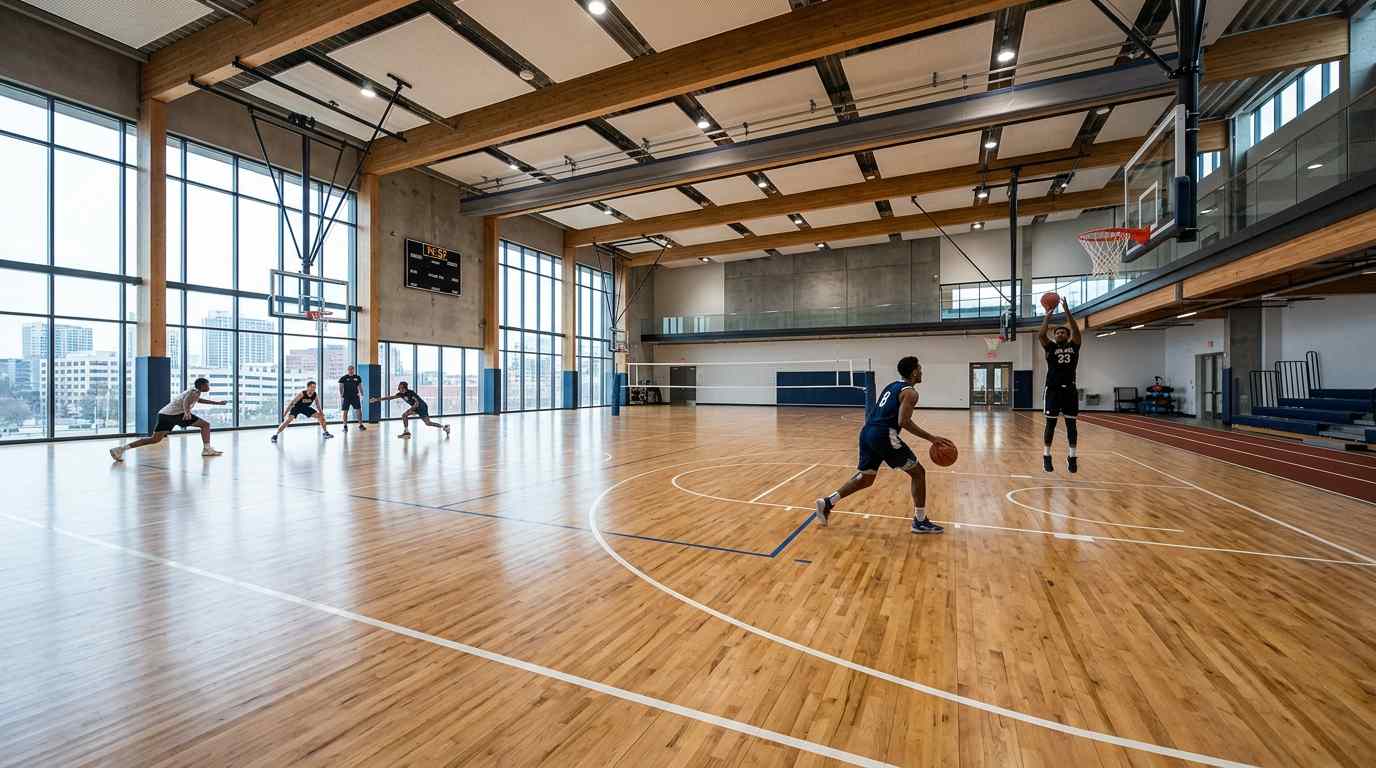
What Is a Wood Gym Floor? Expert Guide for Sports Facilities
The floor is one of the most important elements in an indoor sports facility. It affects how athletes move, stop, jump, land, and change direction. It also influences comfort, maintenance, and the appearance of the venue. For basketball courts, school gyms, training centers, and multipurpose halls, choosing suitable flooring is an important part of the…
-
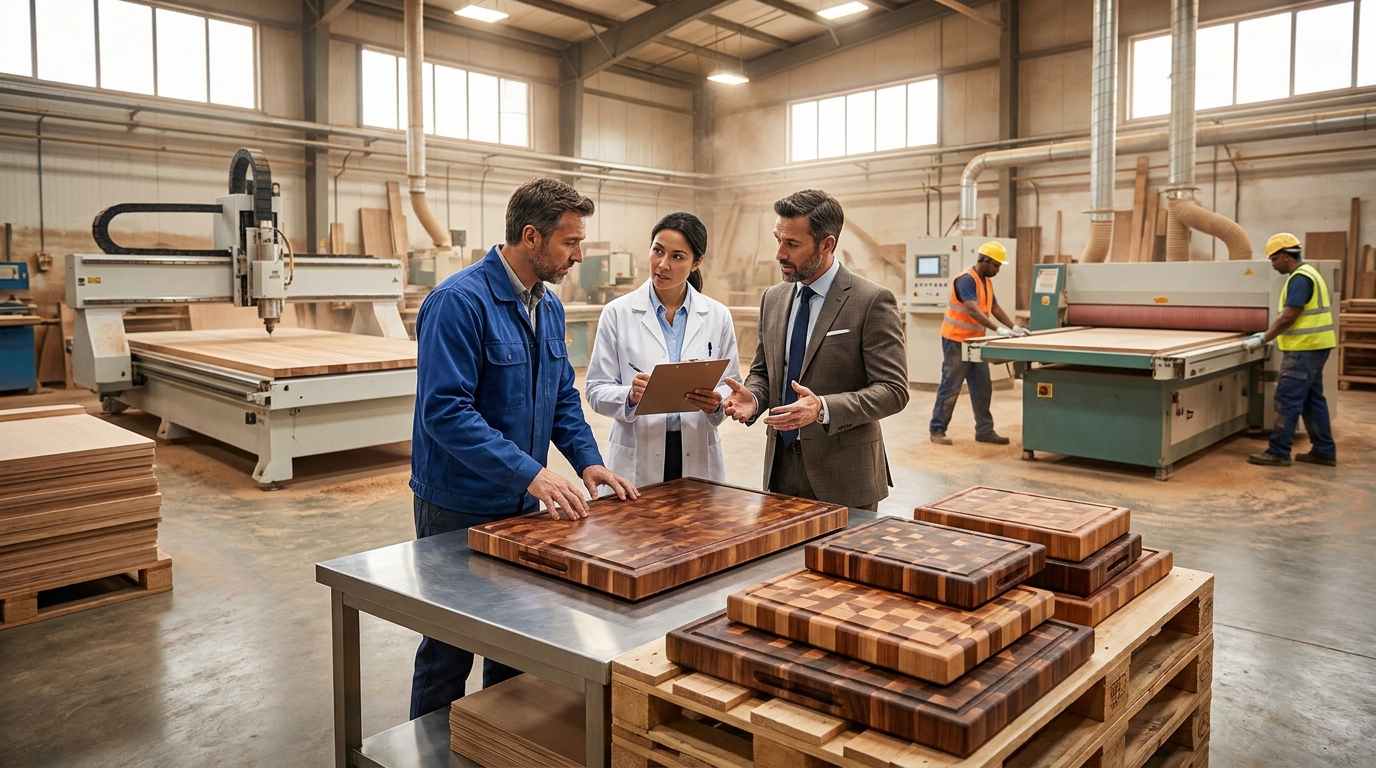
What to Look for in an End Grain Cutting Board Manufacturer
Choosing the right cutting board manufacturer can be more important than it first appears. For retailers, distributors, restaurant suppliers, and kitchenware brands, the manufacturer behind a product directly influences its consistency, appearance, durability, and overall customer experience. A cutting board may look simple, but producing one that performs well requires careful material selection, precise processing,…
-
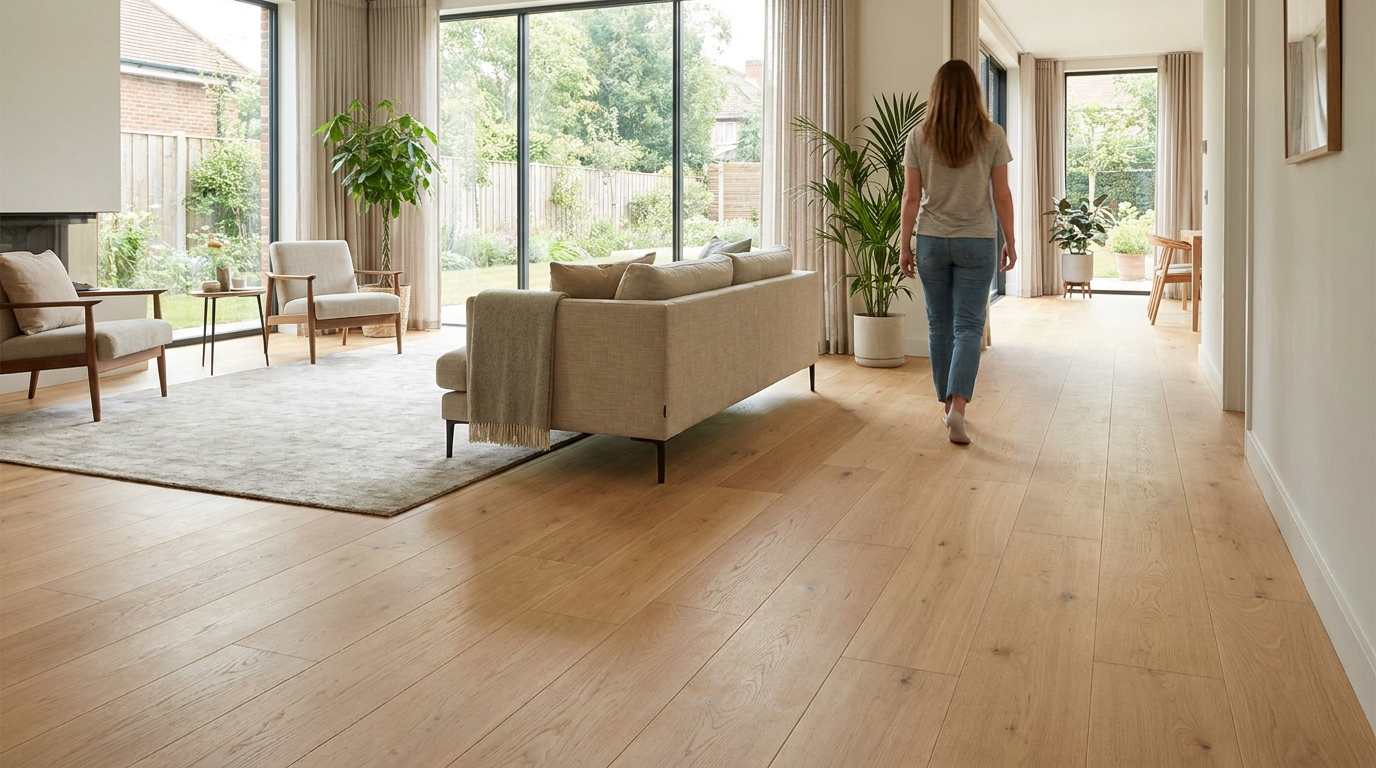
Hevea Engineered Flooring Tips for Better Performance and Longevity
Hevea engineered flooring can bring a warm, natural character to an interior while offering the practical structure needed for everyday use. Made with a real wood surface and engineered construction, this flooring can be a suitable choice for homes, offices, hospitality spaces, and other interiors where appearance and stability both matter. However, good performance does…
- By:PT. Jati Luhur Agung
- Tags: commercial engineered wood flooring, engineered wood
- Category: Engineered Wood
- 0 comment