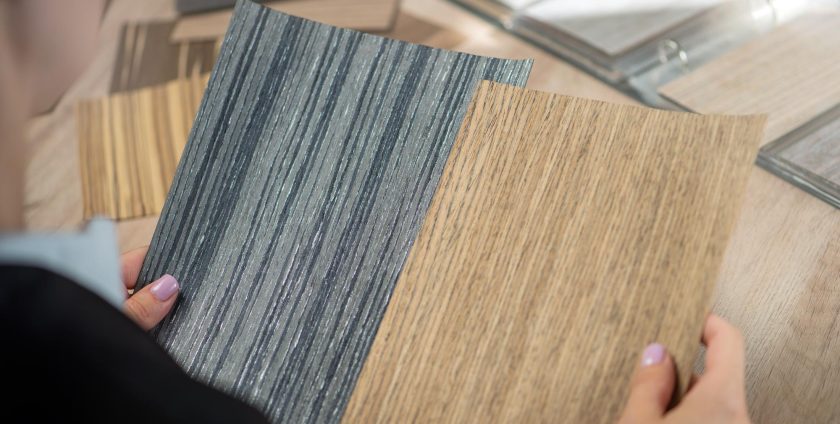
The world of interior design and architectural engineering often feels like a balance between aesthetic purity and structural pragmatism. When it comes to hardwood flooring, the choice is no longer just about the species of wood or the stain color, it is about the very anatomy of the plank beneath your feet. For decades, solid hardwood was the gold standard, but the evolution of the 3 ply engineered wood floor and its multi-ply counterpart has revolutionized how we think about stability and longevity. These products are not “fake” wood they are a sophisticated evolution of timber technology designed to overcome the natural limitations of solid planks specifically their tendency to warp, cup, or gap when exposed to environmental changes. Choosing between these two structural philosophies requires a deep dive into how they are built, how they react to the air around them, and how they will age over half a century of foot traffic.
Whether you are a homeowner in a humid coastal region or an architect designing a skyscraper in a dry continental climate, the internal construction of your flooring is the silent engine that drives performance. The debate between a 3 ply engineered wood floor and a multi-ply system is one of the most significant discussions in the modern timber industry. Each has its loyalists, and each serves a specific purpose in the diverse landscape of global construction.
The Structural Design of 3 Ply and Multi Ply Wood Floors
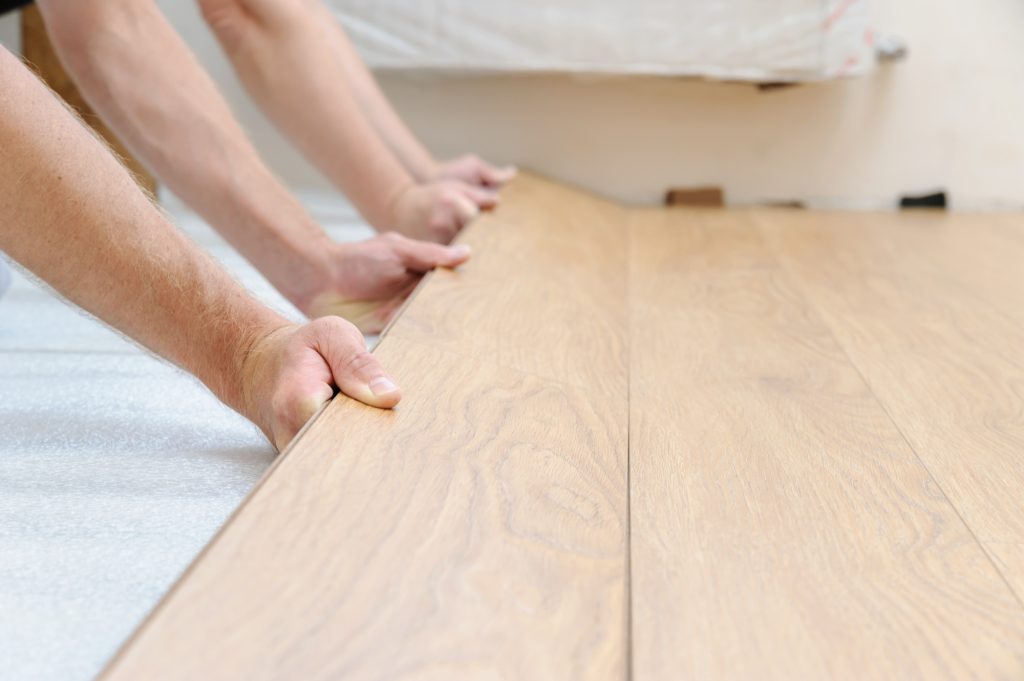
To understand why one floor might outperform another, we must first look at the blueprint of the plank itself. The 3 ply engineered wood floor is a masterpiece of minimalist engineering. It follows a “sandwich” philosophy, a top wear layer of premium hardwood, a middle core layer (usually made of solid wood strips like spruce, pine, or hevea), and a bottom backing layer. The genius lies in the orientation. The grain of the middle core runs 90 degrees perpendicular to the top and bottom layers. This creates a balanced tension; as the top layer tries to expand with humidity, the core layer pulls in the opposite direction, neutralizing the physical stress. This simplicity often allows for a thicker top layer, as the structure is less cluttered with adhesives and thin veneers.
In contrast, multi-ply engineered flooring utilizes a “layered strength” approach. Instead of three distinct sections, it consists of multiple thin layers of plywood, anywhere from 5 to 11 layers, stacked in a cross-grain pattern and bonded under extreme pressure. This creates a very dense, rigid, and heavy plank. While a 3 ply engineered wood floor feels more like a traditional solid plank due to its thicker internal wood components, a multi-ply plank feels more like a high-tech composite. The structural design of the 3-ply variant is often favored in Europe for its breathability and natural movement, whereas the multi-ply design gained massive popularity in North America for its perceived “tank-like” rigidity. Understanding these two different “DNAs” is the first step in deciding which material will harmonize with your specific building’s requirements.
Strength and Stability Comparison for America Climates
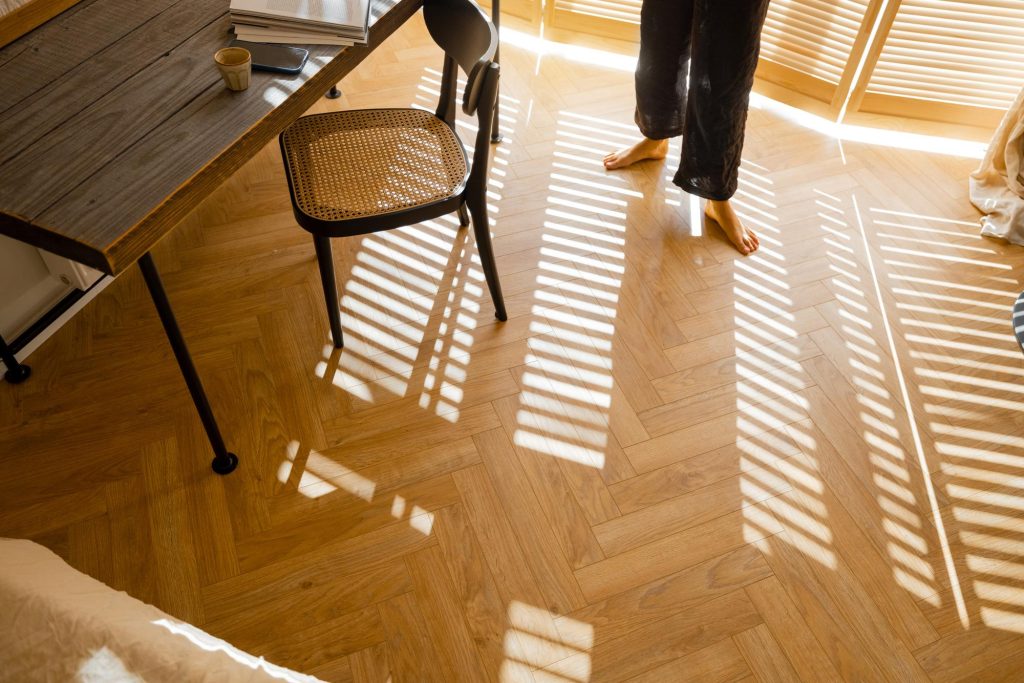
The North American continent presents some of the most aggressive climate challenges for wood. From the sweltering, moisture-heavy summers of the Southeast to the arid, heater-driven winters of the Northeast, wood flooring is in a constant state of expansion and contraction. In these environments, dimensional stability is the metric that matters most. A 3 ply engineered wood floor excels in environments where temperature fluctuations are common but humidity is somewhat managed. Because the core is made of solid wood fillets, there is a certain “give” to the floor that prevents it from becoming brittle.
Interestingly, the 3 ply engineered wood floor is the industry favorite for installations over radiant heating systems. Radiant heat can dry out wood planks significantly, and the 3-layer construction allows for better heat conductivity and a more natural response to the rising warmth. Multi-ply flooring, while extremely stable against cupping, can sometimes suffer from internal stresses if the plywood layers are not of the highest quality. For American homes that experience wide seasonal swings, the choice often comes down to the subfloor type and the local micro-climate. If you are installing over concrete in a high-rise, the rigidity of multi-ply is a benefit; if you are installing over a wooden subfloor with underfloor heating, the 3-ply structure is often the superior technical choice.
Please Read This: Solid, Laminate, Engineered Wood Flooring. Which One is Better?
Making the right decision also means partnering with a manufacturer that understands both the science of wood stability and the artistry of natural timber. This is where Jati Luhur Agung brings real value to interior projects. With a strong commitment to precision, quality control, and sustainable wood processing, Jati Luhur Agung delivers engineered flooring solutions that combine traditional craftsmanship with modern technology. If you are planning a flooring project that demands durability, elegance, and long-term performance, explore our website and discover how expertly crafted flooring can elevate the character of your space for years to come.
Core Material Selection and Its Impact on Flooring Durability

The longevity of your floor is largely dictated by its core structure. In a 3 ply engineered wood floor, the core is typically crafted from fast-growing, sustainable softwoods or high-density fibers carefully selected for their balance of strength and flexibility. These materials are valued for their elastic modulus, their ability to return to their original shape after being stressed or compressed. This elasticity plays a critical role in maintaining structural integrity over time. Wood is naturally hygroscopic, meaning it constantly absorbs and releases moisture depending on environmental conditions.
Because of this, flooring materials must be able to adapt without compromising their structure. A 3-ply core works like a natural shock absorber, allowing the floor to flex slightly with humidity and temperature changes while protecting the expensive top wear layer from cracking or splitting.
This structure also helps distribute pressure across the plank. Daily foot traffic, moving furniture, and subtle structural shifts within a home can gradually stress flooring materials. With a well-constructed 3-ply core, these forces are absorbed and dispersed throughout the layers, helping preserve the integrity of the surface over time. The balance between flexibility and strength is one reason many architects and flooring specialists recommend this structure for projects that demand long-term durability.
Multi-ply cores, on the other hand, usually rely on birch or eucalyptus plywood stacked in several cross-grain layers. These hardwood plywood structures are extremely dense and provide high impact resistance, making them stable in demanding environments. However, they also require a significant amount of adhesive to bond the 7 to 11 layers together. This leads to an important consideration: the quality of the glue. In a 3 ply engineered wood floor, there are only two glue lines, which significantly reduces the potential for VOC (Volatile Organic Compound) off-gassing and lowers the risk of delamination.
Durability is not defined solely by hardness, but also by the chemical stability and structural reliability of the bonding system. When adhesives are poorly formulated, even strong plywood layers can eventually separate. For this reason, the simpler construction of the 3 ply engineered wood floor is often viewed as a more “honest” approach, where the natural strength of the wood plays the primary role in ensuring long-term performance.
Thickness and Refinishing Potential for Different Projects
Perhaps the most practical consideration for any property owner is the “life cycle” of the floor. Can it be sanded? Can it be changed if the color goes out of style? Here, the 3 ply engineered wood floor often holds a distinct advantage. Because the construction is less congested, manufacturers can afford to put a thicker “lamella” (the top hardwood layer) on the plank. It is common to find 3-ply floors with a 4mm or even 6mm wear layer. This allows the floor to be professionally sanded and refinished up to four or five times over its lifespan. In essence, a high-quality 3-ply floor is a lifetime floor.
Multi-ply floors are often designed to be thinner overall to accommodate specific architectural needs, such as matching the height of existing tile or fitting under low-clearance doors. However, this often means a thinner wear layer sometimes as little as 1mm or 2mm. Such floors are essentially “disposable” once the surface is scratched or worn through, as they cannot survive the friction of a sanding machine. When planning a high-end residential project or a heritage renovation, the 3 ply engineered wood floor provides the necessary substance to ensure that the floor can be rejuvenated decades down the line. It offers the soul and “refinish-ability” of solid wood with the technical peace of mind that only engineered construction can provide.
In conclusion, the decision between these two types of flooring should not be made on price alone. It is a decision based on the specific “stressors” of your environment, be it the heat from your floors, the humidity in your air, or the literal weight of your lifestyle. The 3 ply engineered wood floor remains a pinnacle of balanced design, offering a sustainable, breathable, and deeply durable option for those who value the long-term integrity of their living spaces. By choosing a structure that respects the natural properties of wood while enhancing them through smart engineering, you ensure that your floors remain as stable as they are stunning. So, have you found the wood of your dreams after reading this? Let’s discuss it with our team!
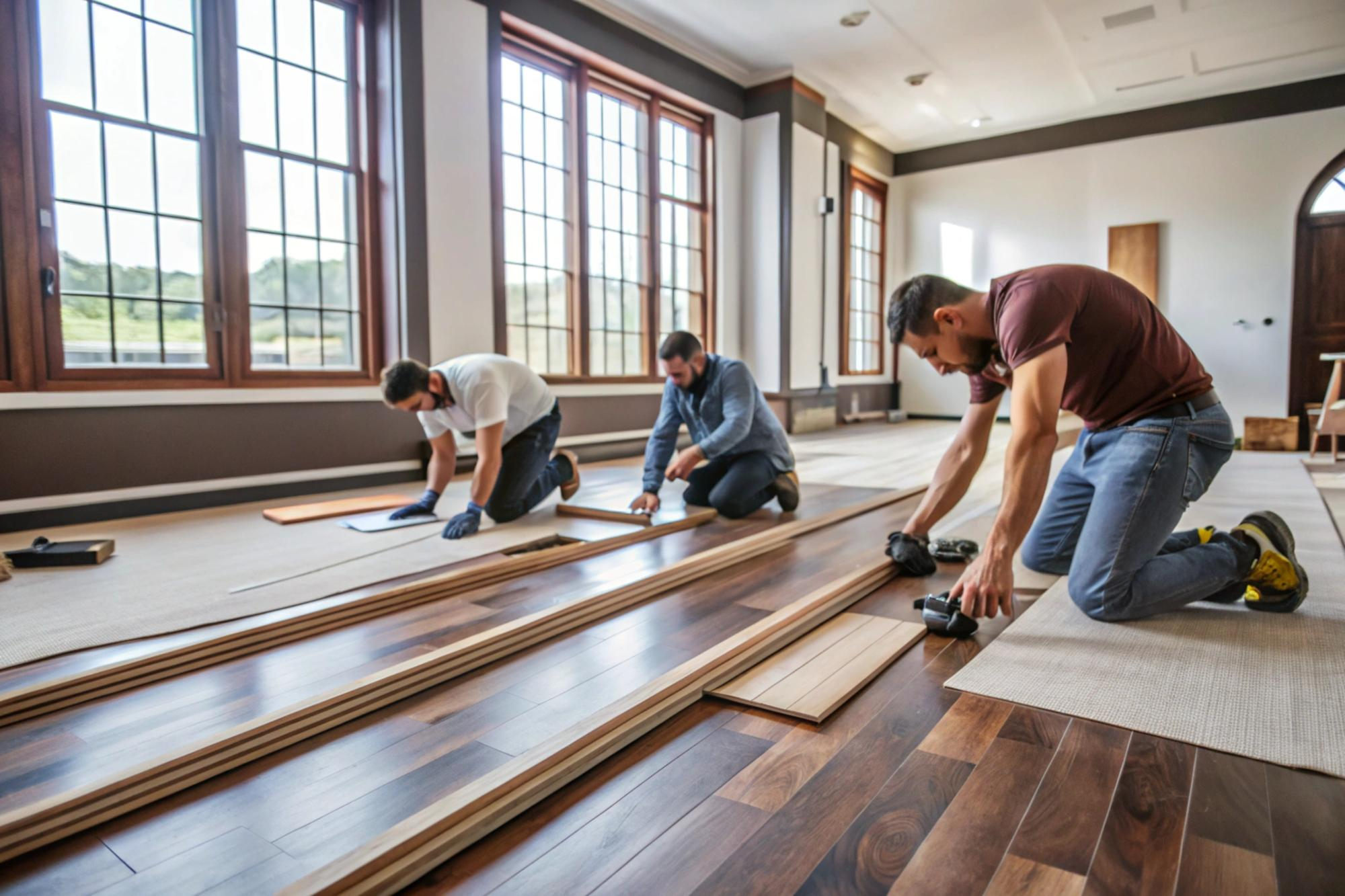
The Performance and Value of Engineered Hardwood Flooring for Your Home
Choosing the right flooring is one of the most significant investments you will make in your home. It’s the literal foundation of your interior design, influencing everything from acoustic quality to property value. For decades, solid wood was the undisputed king, but modern innovation has shifted the spotlight. Homeowners today are increasingly asking, “is engineered…
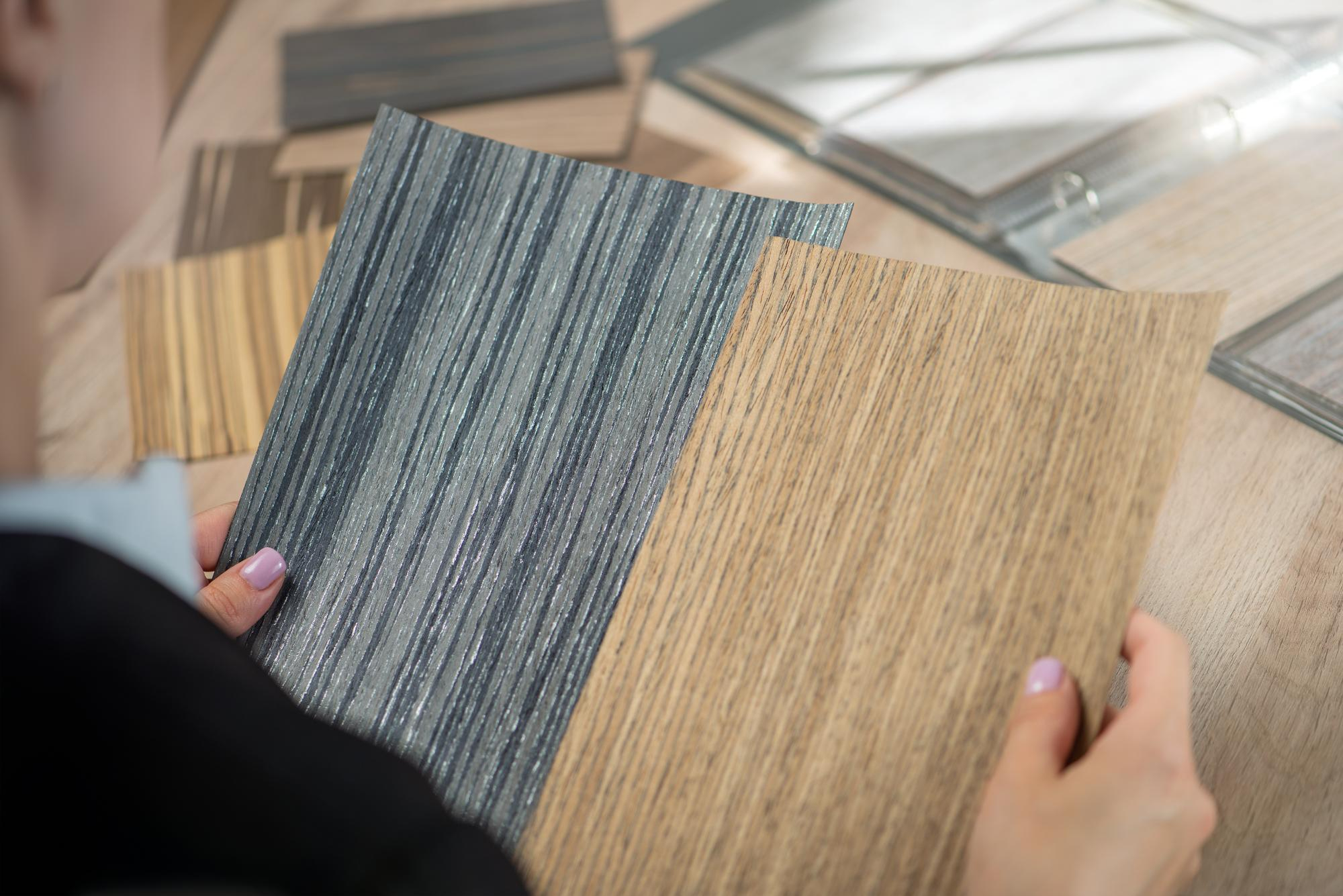
Comparing 3 Ply and Multi Ply Engineered Wood Flooring Performance, Which One Should You Choose?
The world of interior design and architectural engineering often feels like a balance between aesthetic purity and structural pragmatism. When it comes to hardwood flooring, the choice is no longer just about the species of wood or the stain color, it is about the very anatomy of the plank beneath your feet. For decades, solid…
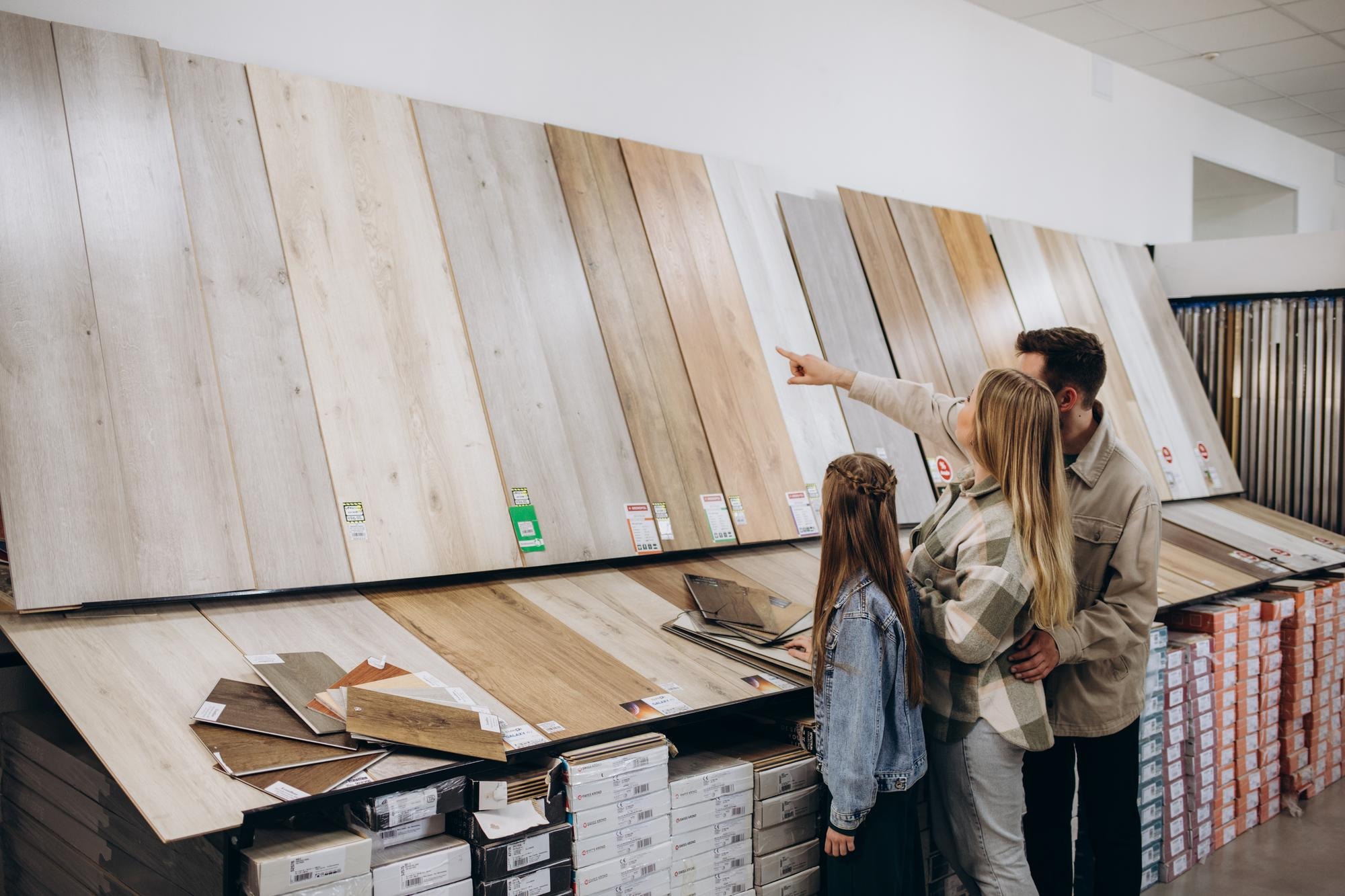
The Complete Guide to Choosing Between Solid and Engineered Wood Floors
Imagine walking into a room where the floor doesn’t just support your furniture, but actually tells a story. There is a specific, undeniable magic in the grain of natural timber, the way it catches the morning light, the warmth it holds under your bare feet, and that faint, earthy scent that makes a house feel…
- By:PT. Jati Luhur Agung
- Tags: engineered wood floor, multi ply engineered, wood flooring
- Category: Engineered Wood
- 0 comment