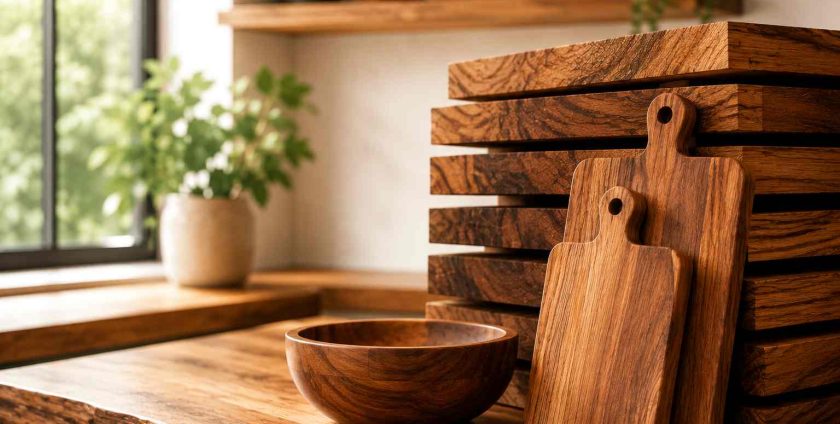
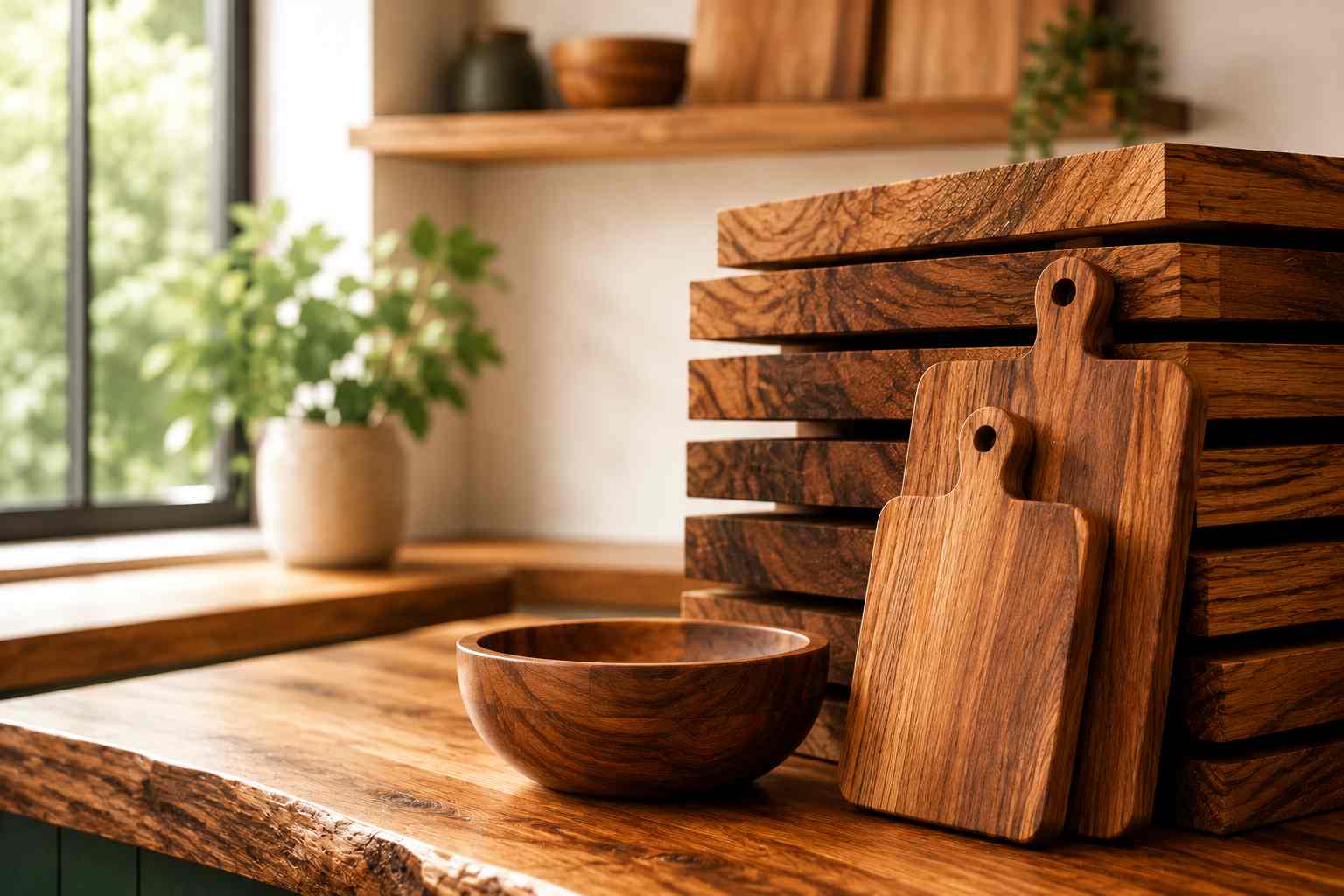
A beautiful kitchen is never only about visual appearance. Behind every elegant countertop, durable chopping board, or premium wooden kitchen surface, there is a long process that determines how strong and reliable the timber will become over time. One of the most important stages in woodworking is seasoning kitchen timber. Without proper seasoning, even the most luxurious wood species can crack, warp, shrink, or become unsafe for kitchen use.
Today, more homeowners, chefs, and interior designers are paying attention to the quality behind wooden kitchen materials. They want kitchen timber that not only looks premium but also survives humidity, heat, spills, and everyday cooking activities. That is exactly why seasoning kitchen timber has become an essential part of modern woodworking. Premium kitchen timber requires precision, patience, and expert craftsmanship. It is not simply about drying wood quickly.
The process involves controlling moisture, preserving structural integrity, and maintaining the natural beauty of the timber itself. From exotic hardwoods to reclaimed timber collections, the success of kitchen wood applications depends heavily on how the wood is prepared before installation. Understanding the science and art behind seasoning kitchen timber can help homeowners make smarter decisions while ensuring their kitchen investment lasts for many years.
Why Proper Seasoning is Matters More Thank You Think?
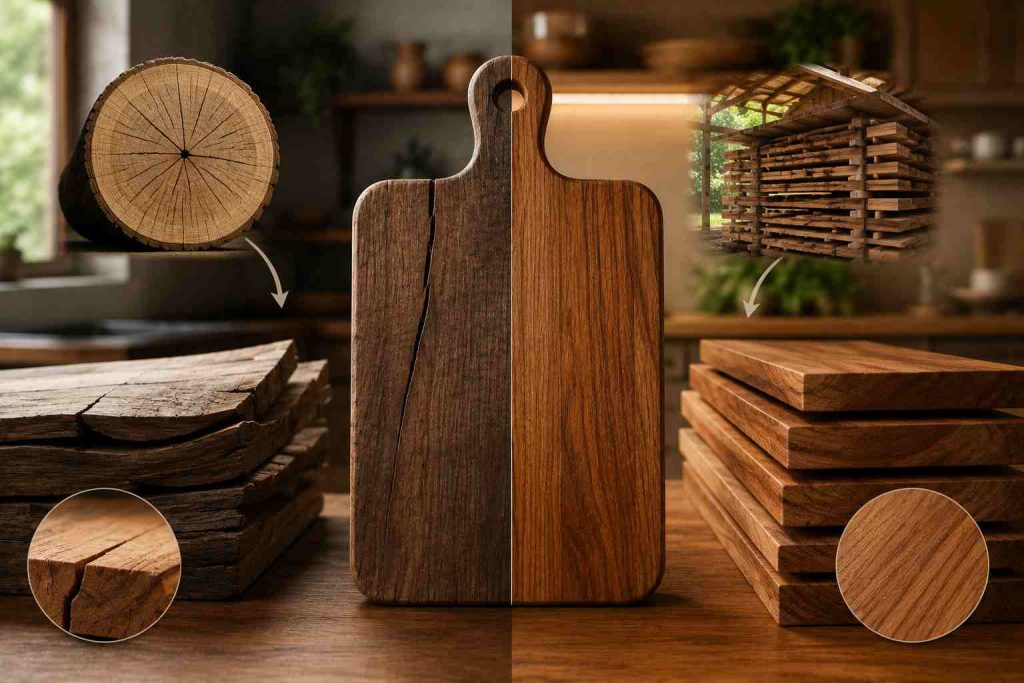
Many people assume wood is ready to use immediately after cutting. In reality, freshly harvested timber contains a high level of moisture trapped inside its fibers. If the moisture is not reduced properly, the wood becomes unstable and vulnerable to serious damage. This is where seasoning kitchen timber becomes incredibly important. The main purpose of seasoning is to reduce moisture content to a balanced level suitable for indoor kitchen environments. Properly seasoned timber becomes more durable, more hygienic, and far more resistant to environmental changes.
Kitchen spaces are naturally exposed to steam, temperature fluctuations, oil splashes, and water exposure. Poorly seasoned wood reacts negatively to these conditions. Over time, cabinets may expand, countertops may bend, and wooden surfaces can develop cracks that ruin both appearance and functionality. The process of seasoning kitchen timber also improves the strength of the wood itself. Lower moisture levels make timber denser and more capable of handling daily kitchen pressure. This is especially important for butcher blocks, kitchen islands, dining surfaces, and custom cabinetry.
Another major advantage is appearance. Proper seasoning helps preserve the natural grain patterns and rich colors of premium wood species. Exotic woods often contain unique textures that become even more attractive after professional seasoning treatment. That is why experienced manufacturers like us, Jati Luhur Agung prioritize detailed timber seasoning procedures before transforming wood into premium kitchen products. In modern luxury kitchens, quality matters beyond surface aesthetics. Homeowners increasingly recognize that seasoning kitchen timber directly affects durability, hygiene, and overall performance. Choosing professionally seasoned timber ultimately reduces maintenance costs while improving kitchen comfort for years ahead.
Harnessing Nature to Stabilize Exotic Woods
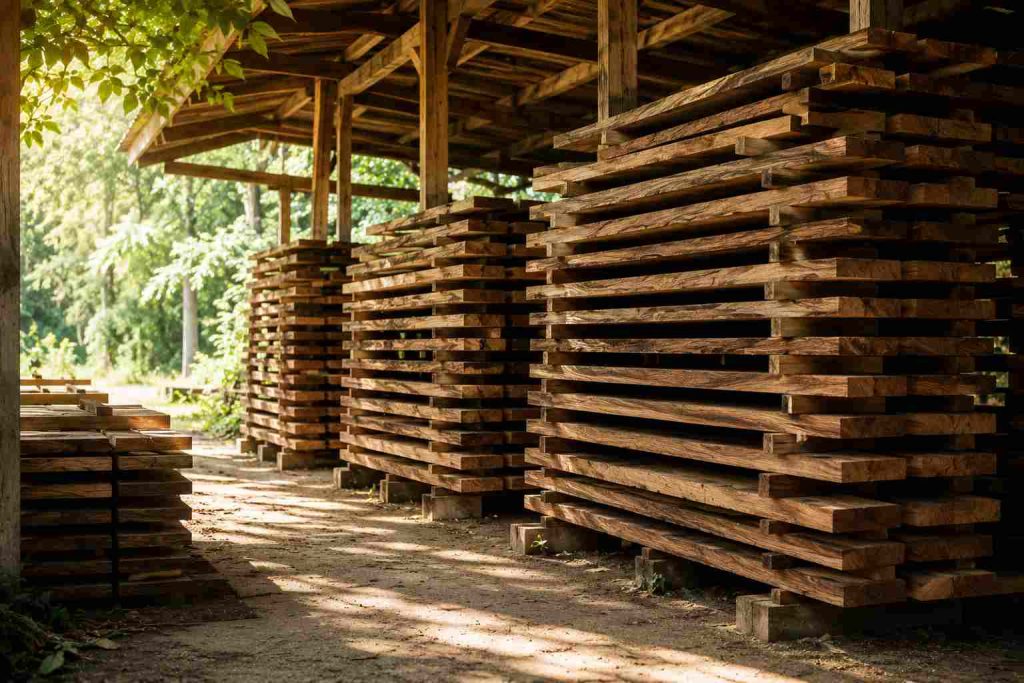
Natural seasoning techniques have been practiced for centuries across many woodworking traditions. Although modern technology has evolved rapidly, nature still plays an important role in stabilizing exotic kitchen timber. Air-drying remains one of the oldest methods of seasoning kitchen timber. During this process, timber is stacked carefully in open spaces where natural airflow gradually removes internal moisture. The method may take months or even years depending on the wood species and climate conditions.
Exotic hardwoods like teak, oak, walnut, and hevea often benefit from slower seasoning methods because gradual drying minimizes internal stress. Rapid moisture loss can create uneven shrinkage, leading to cracks or deformation inside the wood structure. The beauty of natural seasoning kitchen timber lies in its gentle process. Wood fibers adapt slowly to environmental conditions, helping maintain the timber’s original character and texture. Many premium woodworkers prefer this approach for high-end kitchen applications where visual perfection matters deeply. Humidity control is another essential factor. Timber exposed to uncontrolled weather may absorb moisture again, which can reverse the seasoning progress. Professional manufacturers carefully monitor airflow, spacing, and storage conditions to achieve stable results.
Accelerating Stability Without Compromising Quality
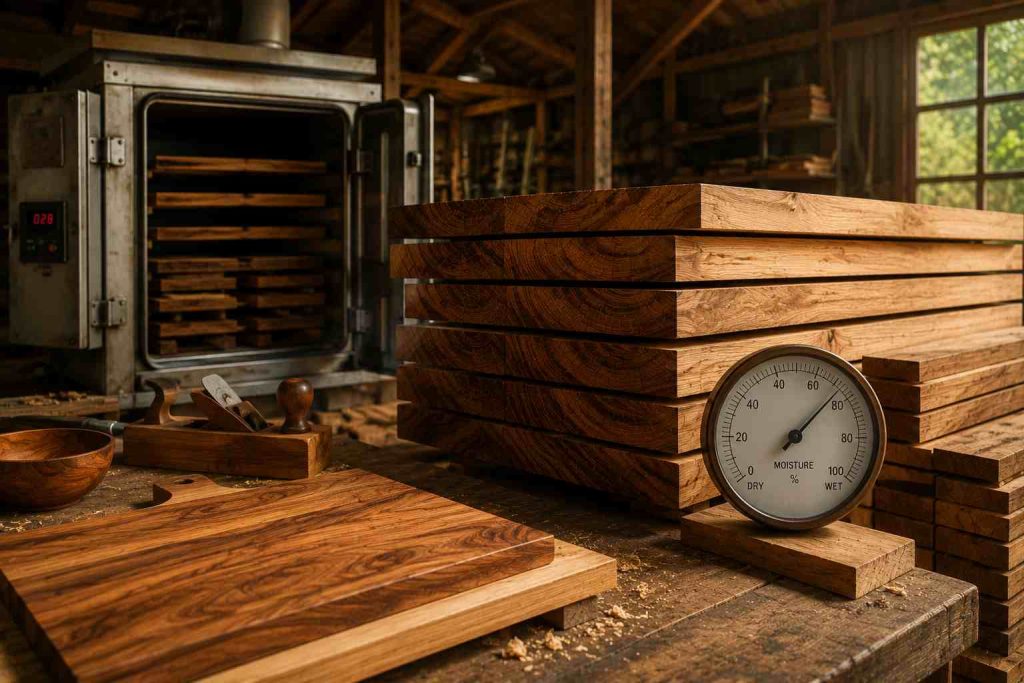
While natural seasoning offers many advantages, modern production timelines often require faster methods. This is where kiln drying technology becomes a major innovation in seasoning kitchen timber. Kiln drying uses controlled heat and humidity systems to reduce wood moisture content efficiently. Unlike uncontrolled heating, professional kiln systems carefully regulate temperature changes to avoid damaging the wood structure. The biggest advantage of kiln-based seasoning kitchen timber is consistency. Every timber batch can achieve similar moisture levels, making the final products more stable and predictable for kitchen installations.
Kitchen timber requires precision because indoor environments demand balanced moisture content. If wood remains too wet, it may shrink after installation. If it becomes overly dry, it may absorb surrounding humidity aggressively and expand. Proper kiln seasoning helps achieve optimal equilibrium. Modern kiln technology also reduces the risk of fungal growth and insect infestation. Heat treatment eliminates many biological threats hidden inside raw timber, making the wood safer and cleaner for kitchen applications.
However, speed alone should never become the main priority. Poorly managed kiln drying can create internal tension that weakens the wood permanently. That is why experienced manufacturers combine technical knowledge with careful monitoring throughout the seasoning kitchen timber process. Another important benefit of professional kiln seasoning is dimensional stability. Cabinets, shelves, and countertops made from properly seasoned timber maintain their shape more effectively over time. This reduces the likelihood of gaps, loose joints, or uneven surfaces developing later.
This article will introduce: How to Choose Best Wood Cutting Board in Indonesia and Where to Buy
How Seasoning Impacts Your Food Stay Safety?
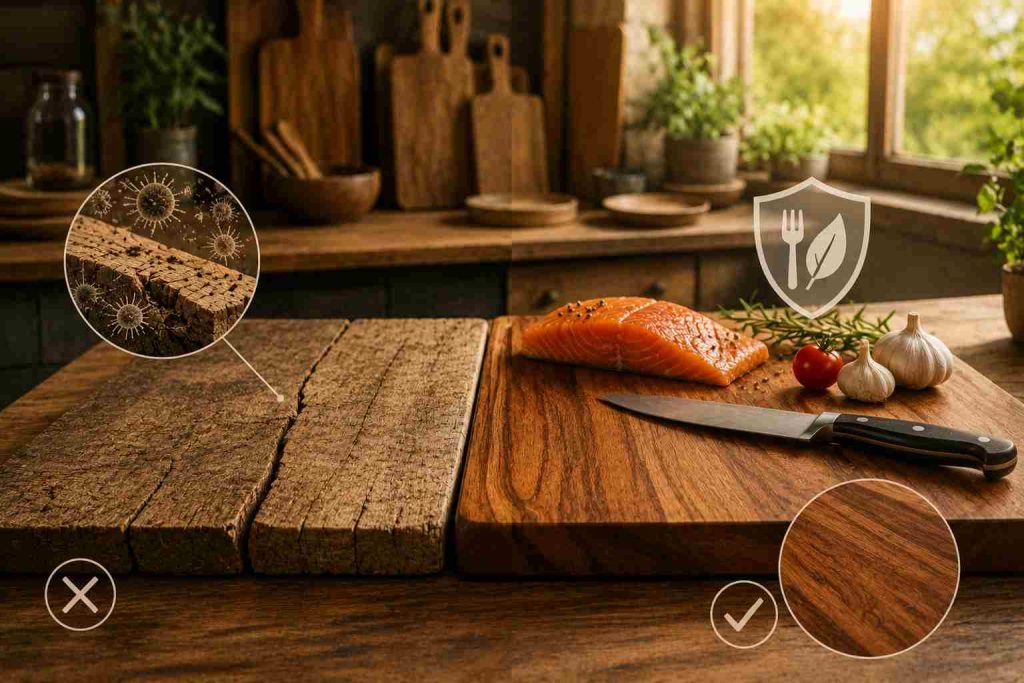
Many people focus only on durability and aesthetics when discussing kitchen wood. Yet one critical factor often overlooked is food safety. Proper seasoning kitchen timber directly contributes to cleaner and safer kitchen surfaces. Unseasoned or poorly seasoned wood tends to trap excessive moisture inside its fibers. Damp conditions encourage mold growth, bacterial development, and unpleasant odors. In kitchen environments where food preparation occurs daily, this becomes a serious concern.
Seasoned timber performs differently. Reduced moisture content creates a more stable surface that dries faster after cleaning and resists microbial growth more effectively. This is particularly important for cutting boards, serving trays, butcher blocks, and wooden countertops.
Another issue involves wood cracking. Timber that has not undergone proper seasoning kitchen timber may split over time, creating tiny crevices where bacteria and food particles accumulate. These hidden spaces become difficult to sanitize properly. Premium seasoning methods help minimize this risk by stabilizing the wood structure before manufacturing begins. Stable timber maintains smoother surfaces that are easier to clean and maintain. Professional finishing also plays a major role. Properly seasoned wood absorbs protective finishes more evenly, improving resistance against stains, oil penetration, and moisture exposure. This helps preserve hygienic conditions inside the kitchen.
Simple Steps for Re-Seasoning Your Kitchen Timber
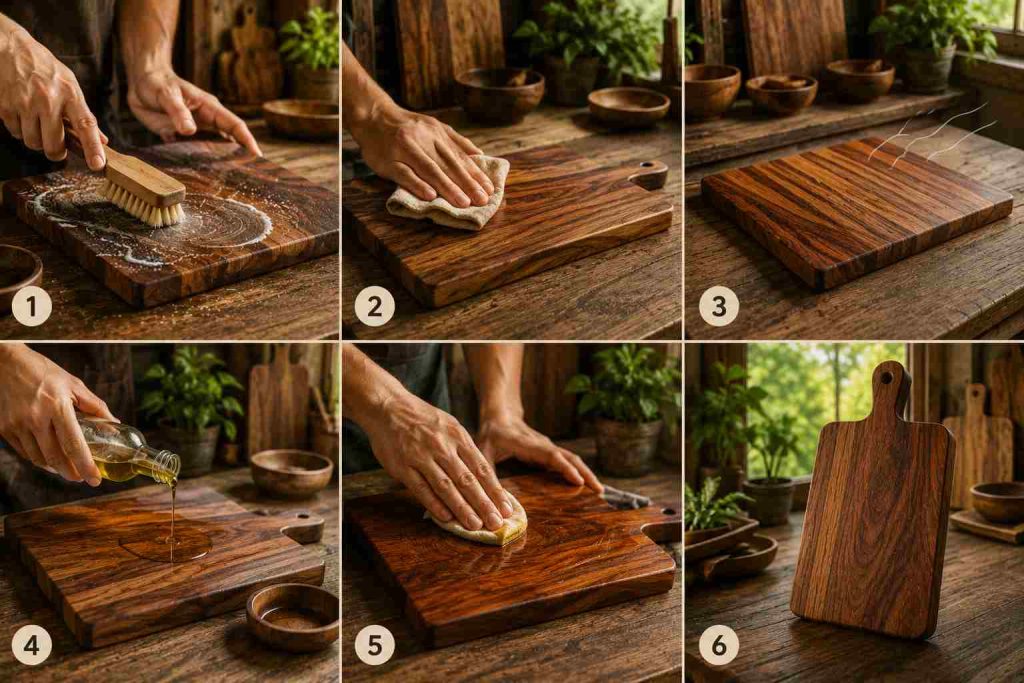
Even premium kitchen timber requires maintenance over time. Continuous exposure to heat, water, and kitchen activity gradually affects the wood surface. Fortunately, re-seasoning can help restore protection and extend the lifespan of kitchen timber products. The first step in re-seasoning kitchen timber is cleaning the surface thoroughly. Remove food residue, grease, and moisture using mild soap and a soft cloth. Avoid harsh chemicals because they may damage the wood fibers. After cleaning, allow the timber to dry completely.
Moisture trapped inside the wood can interfere with the re-seasoning process and reduce the effectiveness of protective oils. Next, apply food-safe mineral oil or specialized wood conditioner evenly across the timber surface. The oil helps nourish the wood while restoring moisture balance and preventing excessive dryness.
Leave the oil to absorb naturally for several hours. Some kitchen timber products may require multiple coating layers depending on their condition and age. This simple maintenance step supports the long-term effectiveness of seasoning kitchen timber. Light sanding can also help revive worn surfaces. Using fine-grit sandpaper removes minor scratches while reopening the wood pores for better oil absorption. Always sand gently following the natural grain direction. Routine care significantly extends the life of kitchen timber products. Monthly maintenance often prevents severe drying, cracking, or discoloration from developing later.
For homeowners and interior designers looking for premium timber materials, our team in Jati Luhur Agung understands that proper seasoning kitchen timber is one of the most essential foundations behind durable and elegant kitchen products. Every timber selection is processed through careful seasoning methods to help maintain structural stability, minimize the risk of cracking, and preserve the natural beauty of the wood grain. Through years of experience in the wood manufacturing industry, Jati Luhur Agung consistently prioritizes quality, precision, and long-term performance in every timber production process.
As a trusted supplier of premium wood products in the world, we are Jati Luhur Agung pays close attention to important factors such as moisture control, environmental conditions, and the characteristics of each wood species before the timber is transformed into kitchen applications. This detailed process allows the timber to perform better in humid and high-activity kitchen environments while maintaining its elegant appearance for many years. From custom kitchen cabinetry and premium countertops to decorative wooden panels and luxury kitchen accents, professionally seasoned timber from Jati Luhur Agung is designed to combine timeless aesthetics with exceptional durability for both residential and commercial projects.
-

Why Hevea Sports Flooring Is Gaining Global Recognition
What makes a sports floor truly good? Is it the way it looks, the way it feels underfoot, or how well it performs after years of daily use? For athletes, the answer is usually simple. A good sports floor should support movement without getting in the way. Every jump, sprint, landing, pivot, and sudden change…
-
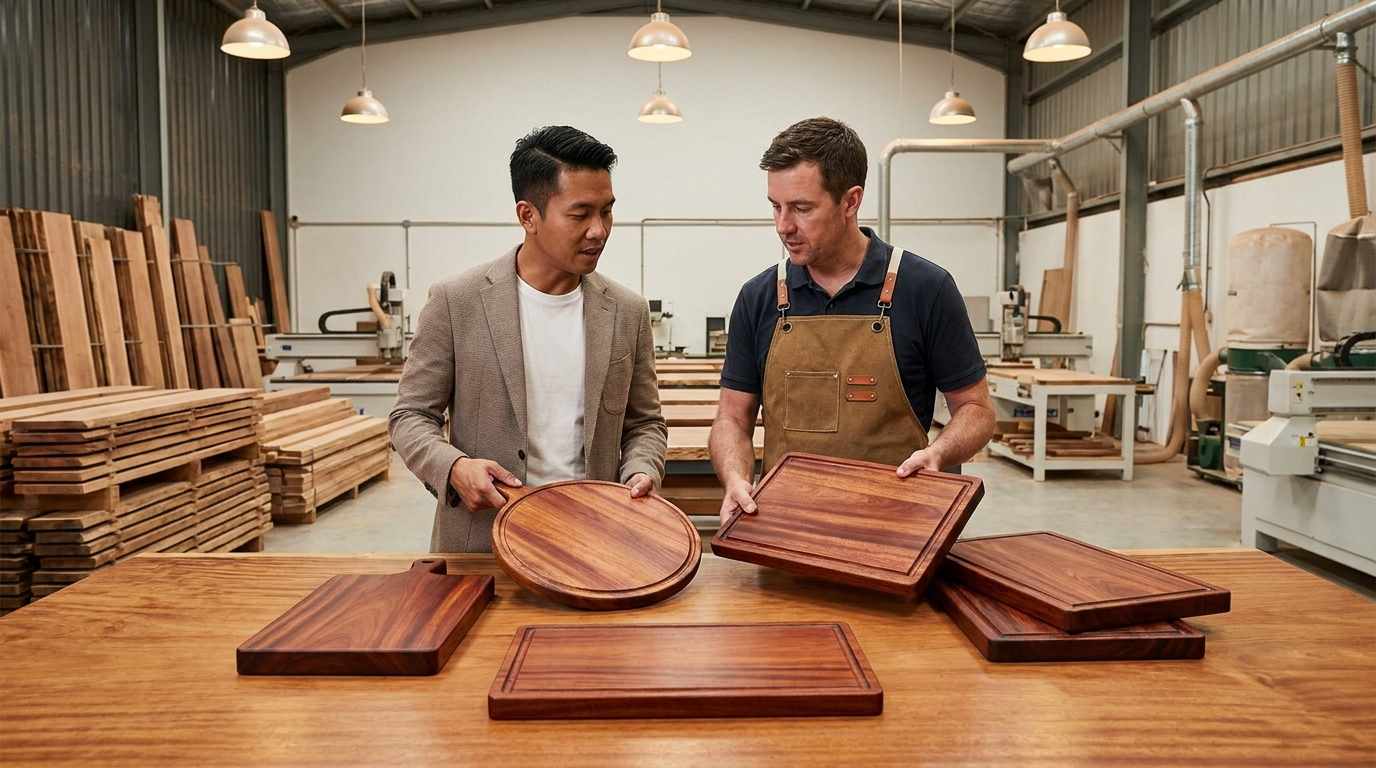
How to Choose a Mahogany Wood Cutting Board Manufacturer
A cutting board may seem like a simple kitchen product, but for restaurants, hotels, retailers, and kitchenware brands, it can represent much more than a basic cooking tool. Material quality, craftsmanship, appearance, and durability can all influence how customers perceive a product. For businesses purchasing in bulk, choosing the right Mahogany Wood Cutting Board Manufacturers…
-

How to Choose a Teak Engineered Hardwood Floor Manufacturer
A beautiful wood floor can instantly change the atmosphere of a space. It adds warmth, character, and a natural sense of elegance that can make a room feel more inviting. Among the many timber options available, teak remains a popular choice because of its distinctive grain, warm color, and well-known durability. However, choosing the right…
- By:PT. Jati Luhur Agung
- Tags: kitchen timber, kitchen wood
- Category: Kitchen Wood
- 0 comment