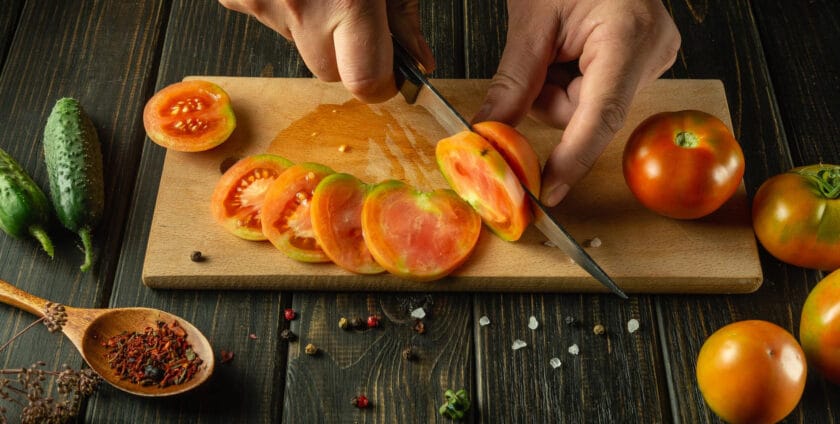
High quality cutting boards are increasingly becoming a necessity in modern kitchens because their quality significantly impacts hygiene, comfort, and cooking safety. While many people used to choose cutting boards solely based on price or shape, awareness is now growing about the importance of wood material, size, and structure. Cutting boards are no longer simply cutting boards, but part of a kitchen system that determines the efficiency and durability of cooking equipment. With the right quality, cutting boards can last for years without deteriorating.
In recent years, public interest in wooden cutting boards has increased rapidly. The 2023 Global Kitchenware Insight Survey noted that demand for premium wooden cutting boards has increased by 24% globally, especially in households focused on a healthy lifestyle and home cooking. Wood is preferred not only for its appearance, but also for its gentler knife handling, greater stability, and natural antibacterial properties. These factors make high-quality cutting boards an essential investment for any kitchen. Not only at home, but professional restaurants are increasingly relying on quality wooden cutting boards. Professional chefs value the right cutting board for improved cutting consistency and longer knife sharpness.
Finding the Right Cutting Board Size
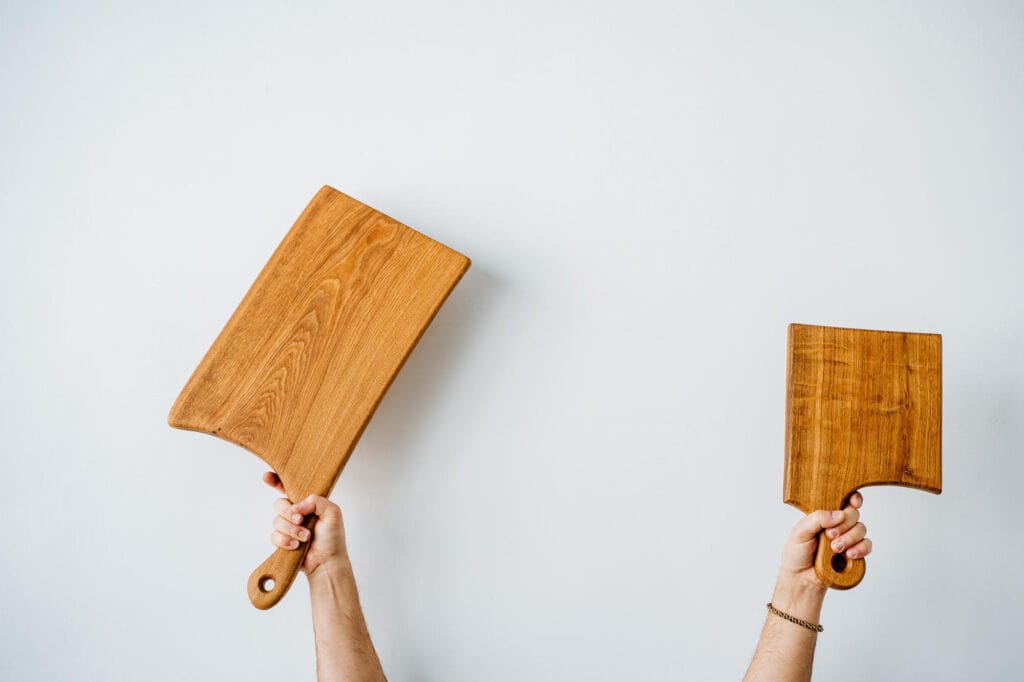
Determining the right size is an important step in choosing the best high quality cutting boards for your kitchen. Many people buy cutting boards solely based on their attractive shape, but an inappropriate size can compromise cooking comfort. A cutting board that’s too small can cause food to fall onto the counter, while a cutting board that’s too large can be heavy and difficult to clean. The ideal cutting board size for household use is usually between 30–40 cm for general use. If you frequently cook large dishes or prepare meat, a 45–50 cm size provides more room to maneuver. A larger cutting board also makes it easier to separate raw and ready-to-cook ingredients without having to use additional containers. Thickness also affects the stability of the cutting board. Thicker cutting boards are more stable and durable, while thin cutting boards tend to warp more easily when exposed to water.
In addition to size, you also need to consider weight. A cutting board that’s too light can easily shift and be dangerous when cutting hard ingredients. Conversely, a cutting board that’s too heavy can be difficult to wash or move. The best choice is a cutting board with a balanced weight: heavy enough to be stable but still easy to handle. By choosing the right size, thickness, and weight, you can significantly improve your cooking experience.
What Really Matters When Choosing a Quality Wooden Cutting Board Wood Type Matters
Wood type is the main factor that differentiates high quality cutting boards in Indonesian from ordinary cutting boards. Not all woods are suitable for cutting boards, as some are too soft, too porous, or too hard. Quality wood should be able to withstand the pressure of knives without breaking quickly, and should have a tight grain to prevent excessive water absorption.

Maple is one of the most popular woods due to its ideal hardness level. Knives don’t dull quickly, and the cutting board’s surface remains stable even with frequent use. Walnut offers a different experience with its softer texture and attractive dark color. Acacia offers a balanced blend of strength and aesthetics. This wood is suitable for users who want a durable yet affordable cutting board.
Understanding wood types helps you choose the right cutting board for your kitchen needs. Do you frequently cut hard materials? Do you want a cutting board that’s safe for your expensive knives? These questions are important to ensure that your cutting board is not only beautiful but also performs optimally in the long term. Choosing the right wood makes high-quality cutting boards a true investment in cooking comfort.
However, the question is what type of high-quality wood will you choose for your project? Here are some recommendations on how and where to buy it: How to Choose Best Wood Cutting Board in Indonesia and Where to Buy
The Criteria: What to Look for in a Wooden Cutting Board
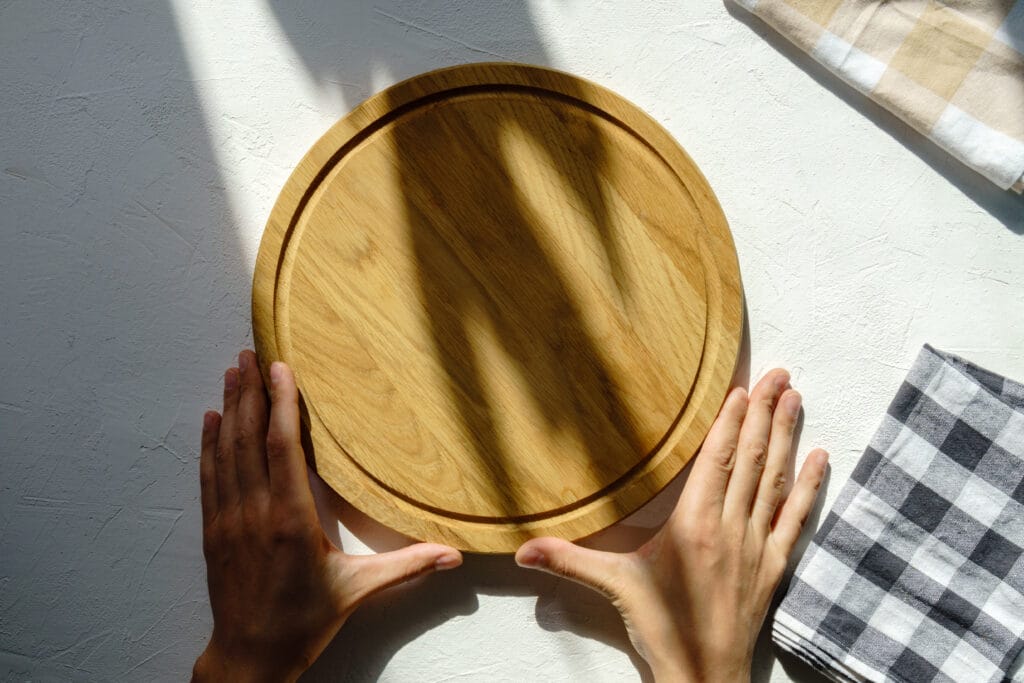
Before purchasing the best premium cutting boards, you need to understand the key criteria that determine their quality. The first criterion is the hardness of the wood. Wood that is too soft will scratch easily, while wood that is too hard can damage knives. This is why woods like teak, acacia, maple, and walnut are the gold standard. The next criterion is the grain structure. The grain should be dense, neat, and free of large pores that can absorb excess liquid. Cutting boards with poor grain tend to deteriorate more quickly and become a breeding ground for bacteria.
The next criterion is the safety of the finishing material. Quality cutting boards do not use harmful chemicals, but rather food-grade mineral oil that is safe for food and helps maintain a smooth surface. Equally important are stability and comfort of use. The cutting board should be heavy enough to stay in place while remaining easy to move. The surface should be smooth but still provide good grip on food to prevent slipping. By understanding these criteria, you can choose a cutting board that qualifies as a high quality cutting boards.
Our Favorite Wooden Cutting Boards
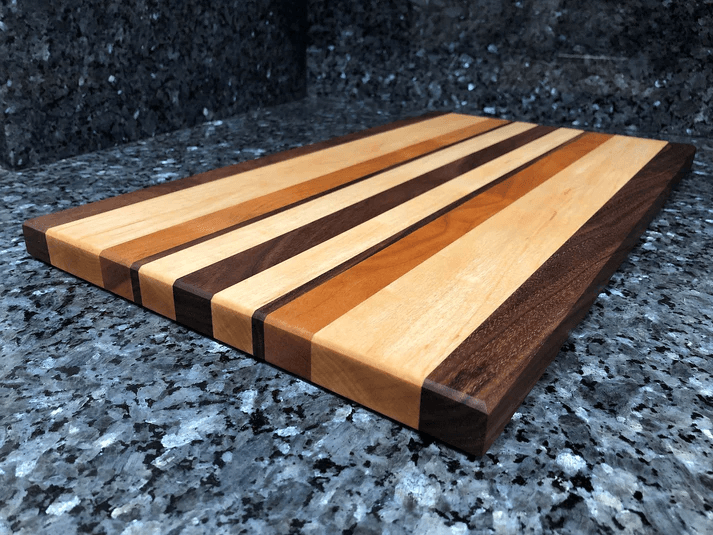
A variety of wooden cutting boards are available on the market, but some types stand out for their proven durability. Teak cutting boards are one of the best choices because they are stable, moisture-resistant, and contain natural oils. Teak can withstand a variety of kitchen conditions, including high humidity and intensive daily use. Acacia is also popular for its beautiful appearance and more affordable price. Its distinctive grain pattern makes it suitable for both modern and traditional kitchens. Mahogany offers a beautiful, recognizable color and adds a warm touch to the room.
On the other hand, maple and walnut are premium-grade cutting boards often used by professional chefs. Maple is known for its knife-friendly nature, while walnut offers a luxurious feel and comfortable cutting experience. These five woods represent the best qualities that deserve to be called high quality cutting boards. By choosing the right type for your needs, you’ll not only get a strong cutting board but also a beautiful kitchen decor element that enhances your space.
If you’re looking for a cutting board that is durable, safe, and aesthetically pleasing, you’ve come to the right place. With more than five decades of experience, we consistently delivers high-quality wood products from engineered wood flooring to premium wooden cutting boards, each crafted with strict standards for long-term strength and reliability. Every production stage is handled with careful attention to detail, safety, and overall product stability. A wide selection of wood species such as Hevea, Teak, Sungkai, Acacia, and Mahogany is processed using modern technology and consistent quality control. The combination of carefully selected materials and precise workmanship produces wood products that are strong, stable, and environmentally responsible. For cutting boards specifically, each piece is finished with food-safe coatings and assembled to meet high safety standards for everyday kitchen use.
Choosing a high-quality cutting board isn’t just about completing your kitchen essentials, it directly enhances cooking comfort and maintains better food safety. By understanding wood types, ideal dimensions, and grain structures, you can more easily select a cutting board that fits your needs perfectly. Premium boards also help maintain knife sharpness and elevate the visual appeal of your kitchen. And if you’re ready to upgrade your cooking quality and kitchen comfort with premium wooden cutting boards, visit our official website to discover expertly crafted wood solutions made to last.
- By:PT. Jati Luhur Agung
- Tags: cutting board, high quality cutting boards
- Category: Cutting Board
- 0 comment