Small rooms often come with big design challenges. Whether it is a compact apartment, a small office, a studio unit, or a cozy family home, making the space feel open and comfortable requires thoughtful planning. Many homeowners focus on wall colors, furniture placement, and lighting when trying to create the illusion of a larger room. However, one of the most influential design elements is often overlooked: the floor.
Flooring serves as the foundation of every interior. It affects how light moves throughout a room, how visual boundaries are perceived, and how spacious an area feels. The right flooring can help create a seamless, airy atmosphere, while the wrong choice can make a room feel crowded and confined. Because of this, choosing the best flooring for small spaces is an important step in maximizing both function and aesthetics.
In many cases, flooring covers a larger surface area than any other design element in the room. This means its color, texture, pattern, and installation direction can significantly influence how people perceive the available space. A carefully selected floor can visually expand a room, improve overall brightness, and create a stronger sense of continuity between different areas. Even relatively small flooring upgrades can have a noticeable impact on the atmosphere of an interior, making the space feel more balanced, comfortable, and inviting for everyday use.
By understanding how flooring interacts with light, furniture, materials, and room layout, homeowners can make smart decisions that enhance the feeling of openness without major renovations.
1. Let Natural Light Work Together with Your Flooring
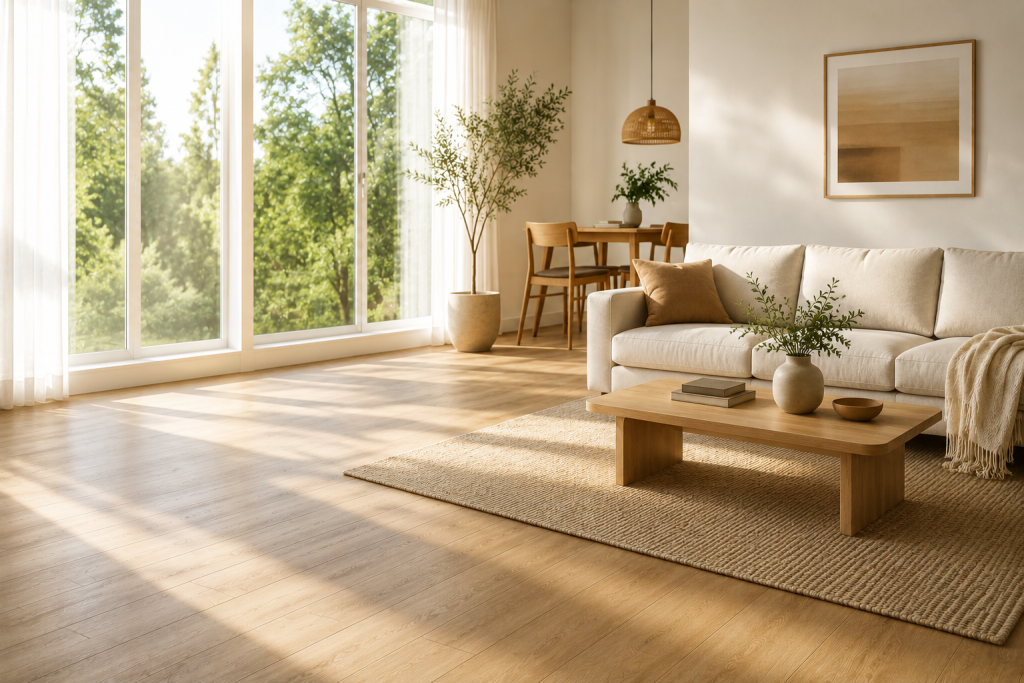
Natural light has a strong influence on how spacious a room feels. Spaces filled with daylight often appear larger, fresher, and more welcoming. Flooring can enhance this effect or diminish it depending on the color and finish chosen.
Light-toned flooring is a popular choice for smaller interiors because it reflects more light throughout the room. Woods such as oak, ash, maple, and light teak help brighten the space and soften shadows that can make a room feel enclosed. The result is a cleaner, more open appearance.
Lighter flooring also creates a visual connection between different parts of the room, allowing the eye to move more freely without being interrupted by dark surfaces or strong contrasts. This subtle effect can make even a modest-sized room feel more expansive.
Floor finishes also matter. A matte or low-sheen finish allows light to spread naturally without creating excessive glare. This helps maintain a comfortable atmosphere while maximizing brightness. In addition, flooring with a consistent tone can help distribute natural light more evenly throughout the room, reducing the appearance of dark corners that often make small spaces feel restricted.
Another effective strategy is coordinating flooring tones with wall colors and window placement. When these elements work together, the room feels more connected and visually open, creating a greater sense of depth. Homeowners can further enhance this effect by choosing simple window treatments that allow sunlight to enter freely and illuminate the flooring surface throughout the day.
When selecting flooring for small spaces, considering how the flooring interacts with natural light can significantly improve the perception of size. Even compact rooms can feel noticeably larger when light moves freely across the floor surface.
2. Create Visual Continuity Throughout the Room
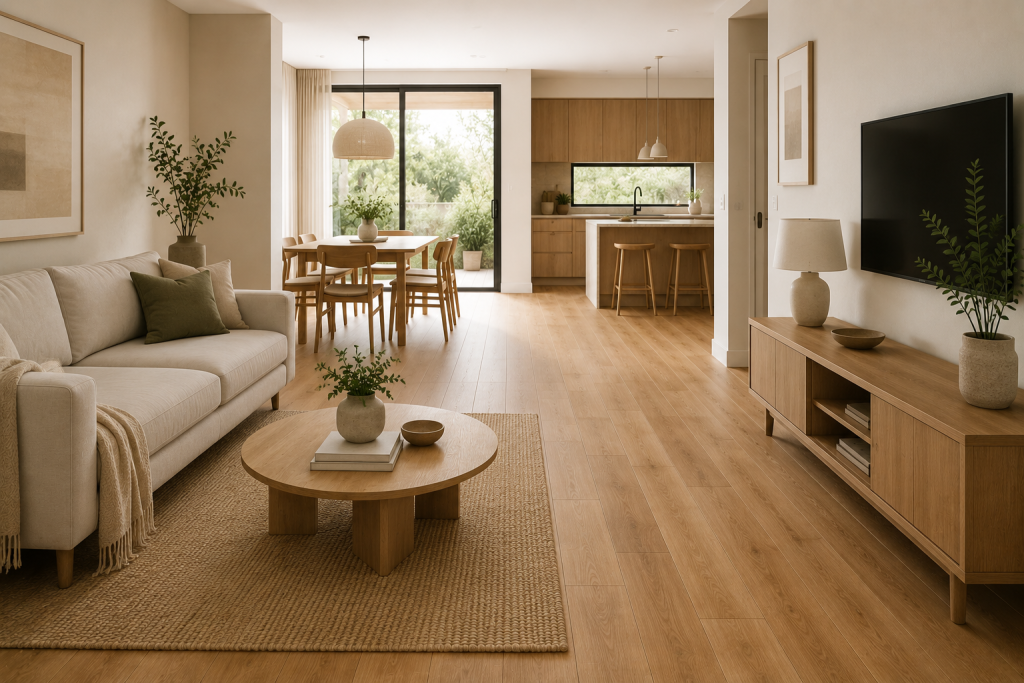
One of the most effective ways to make a compact room feel larger is by maintaining a consistent visual flow. Different flooring materials, bold color changes, or contrasting patterns can divide a space into smaller sections and make it feel more confined.
Using a single flooring style throughout connected areas helps create a seamless appearance. As the eye moves naturally from one space to another, the room feels more open and cohesive. This approach works particularly well in apartments, small homes, and open-concept layouts where maximizing visual space is essential. When flooring remains consistent across multiple areas, it creates the impression that the available space extends beyond the boundaries of each individual room.
Floor plank orientation can also enhance the perception of size. Installing planks parallel to the room’s longest wall helps emphasize length and creates a stronger sense of depth. This simple design choice can make a noticeable difference without requiring major renovations. Consistent plank direction further supports visual flow by guiding the eye naturally through the interior and minimizing visual interruptions.
Reducing unnecessary flooring transitions can further strengthen visual continuity throughout the home. Fewer thresholds, consistent floor finishes, and seamless connections between rooms allow the eye to move effortlessly from one area to another. This strategy is especially effective for flooring for small spaces because it minimizes visual interruptions that can make interiors feel fragmented or confined. Instead, the entire space appears larger, brighter, and more connected.
Creating a unified flooring design also offers long-term practical benefits. In addition to enhancing spaciousness, consistent flooring contributes to a cleaner and more cohesive interior aesthetic that can adapt to various design styles over time. For homeowners seeking reliable wood flooring solutions, Jati Luhur Agung offers a range of premium timber products that combine durability, natural beauty, and lasting performance. With the right flooring materials and thoughtful installation, even compact interiors can achieve a more open and comfortable living environment.
3. Keep the Floor Area Clear and Uncluttered
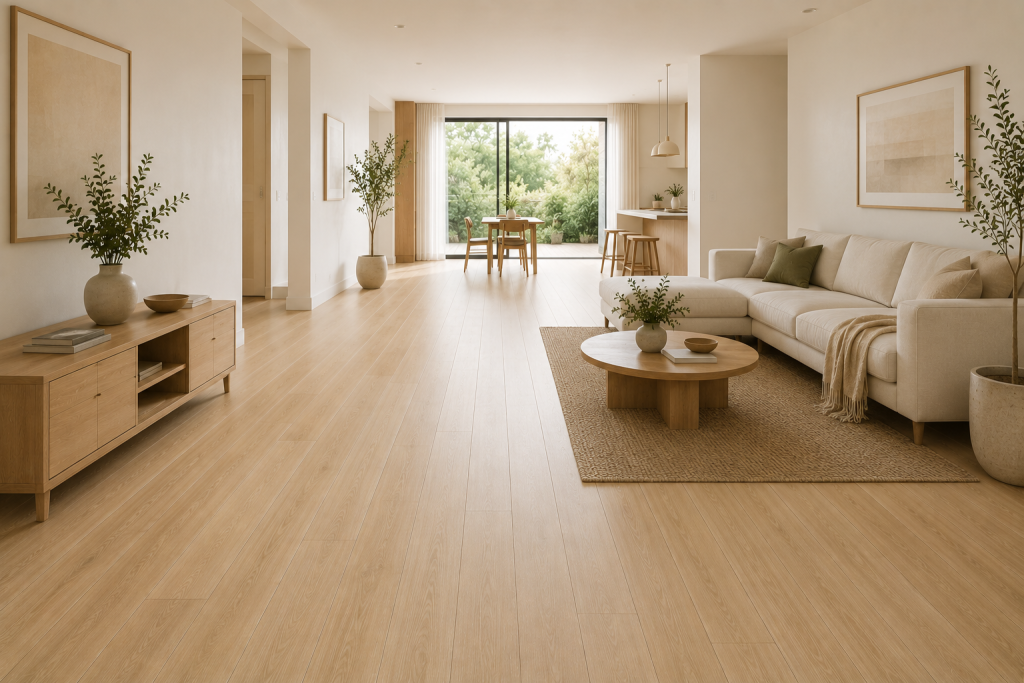
Even the most beautiful flooring cannot achieve its full effect if much of it remains hidden beneath unnecessary clutter. The amount of visible floor surface has a direct impact on how spacious a room feels.
When more of the floor can be seen, the eye naturally perceives a larger area. This is why interior designers often recommend keeping layouts simple in compact rooms. Open floor areas create breathing space and improve visual balance.
Furniture selection is particularly important. Pieces with raised legs expose more flooring underneath, making the room appear lighter and less crowded. In contrast, bulky furniture can visually reduce available space.
Area rugs should also be used carefully. While they add warmth and texture, too many rugs or bold patterns may fragment the room. A single well-sized rug often works better than several smaller ones.
Storage solutions can further enhance openness. Wall-mounted shelves, built-in cabinetry, and multifunctional furniture help keep items organized without taking up additional floor area.
The success of flooring for small spaces depends not only on the flooring material itself but also on how much of the floor remains visible. A clear and uncluttered surface allows the flooring to contribute fully to the room’s sense of openness.
4. Use Natural Materials to Add Warmth Without Adding Bulk
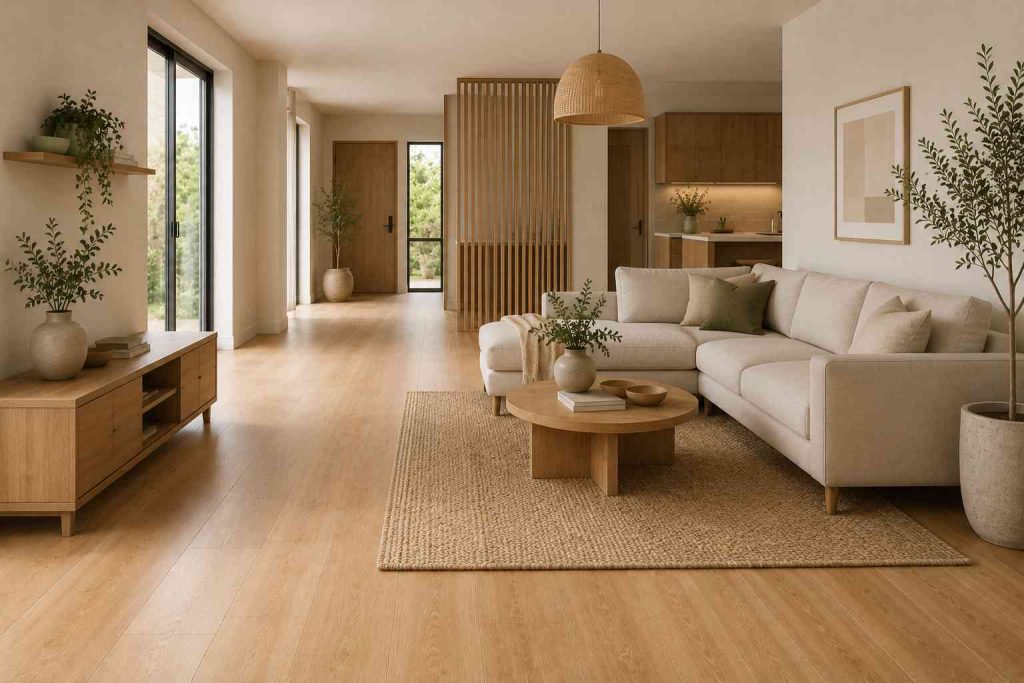
Many homeowners assume that creating a spacious look requires a minimalist design that feels cold or impersonal. Fortunately, natural flooring materials provide warmth and character without overwhelming the room.
Wood flooring remains one of the most popular choices because it offers organic beauty while maintaining visual simplicity. Natural grain patterns introduce texture and interest without creating excessive visual noise.
Unlike heavily patterned materials, wood creates depth in a subtle and elegant way. This makes it ideal for smaller rooms where balance is essential. The natural variations in tone and texture help prevent the space from feeling flat while preserving a clean appearance.
Lighter wood species are especially effective in compact interiors. They combine warmth with brightness, helping rooms feel comfortable and airy at the same time. Materials such as teak, oak, and ash continue to be favored for their versatility and timeless appeal.
Durability is another reason natural materials remain a smart investment. Quality wood flooring can maintain its appearance for many years with proper care, making it suitable for both residential and commercial environments.
For homeowners searching for flooring for small spaces, natural wood provides an excellent combination of aesthetics, functionality, and long-term value. It enhances comfort without adding visual weight, allowing rooms to feel larger while remaining welcoming.
5. Choose Flooring That Enhances Space Perception
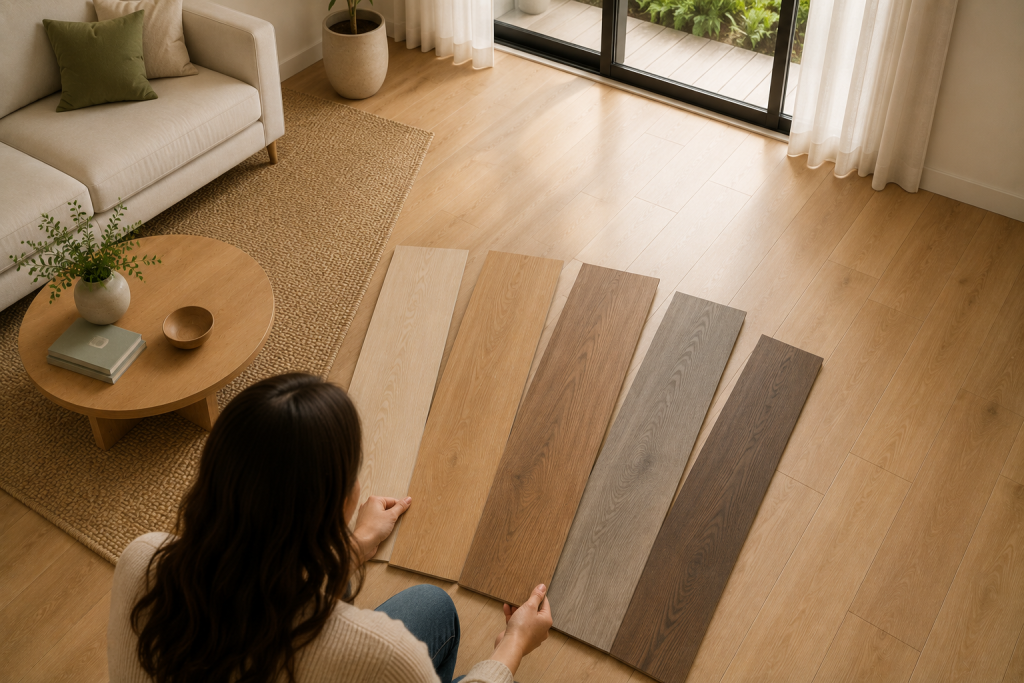
Every flooring detail contributes to how a room is perceived. Color, plank size, texture, and installation pattern all influence the feeling of spaciousness.
Wide planks are often recommended because they create fewer visible seams across the floor. A cleaner surface with fewer interruptions allows the eye to travel more easily, making the room appear larger. This is one reason wide-plank wood flooring has become increasingly popular in modern interiors.
Color consistency can also improve visual flow. Flooring with dramatic contrasts may emphasize individual boards, while more uniform tones encourage the eye to view the room as a whole. This creates a stronger sense of continuity.
Texture should be selected carefully as well. Extremely rough or heavily patterned surfaces may make a small room feel visually busy. Moderate textures often provide the right balance between character and simplicity.
Scale is another factor that should not be ignored. Flooring should complement the dimensions of the room rather than compete with them. Choosing materials that feel proportional to the available space helps create harmony and visual balance.
Ultimately, successful flooring for small spaces is about more than appearance alone. It is about using design principles that support openness, comfort, and functionality. By allowing natural light to work with the flooring, maintaining visual continuity, minimizing clutter, incorporating natural materials, and selecting flooring that enhances spatial perception, homeowners can transform compact interiors into spaces that feel larger, brighter, and far more enjoyable to live in while making a thoughtful investment in both beauty and long-term value.
-
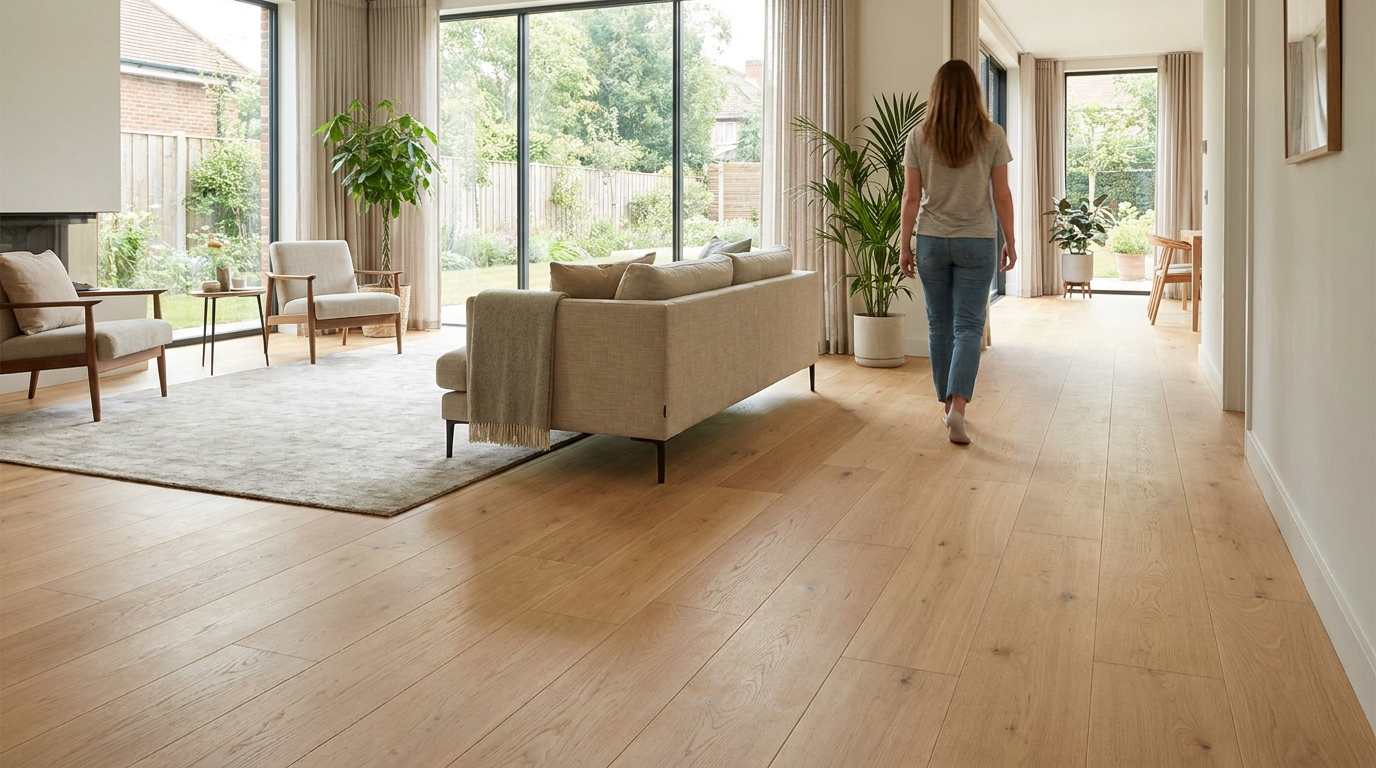
Hevea Engineered Flooring Tips for Better Performance and Longevity
Hevea engineered flooring can bring a warm, natural character to an interior while offering the practical structure needed for everyday use. Made with a real wood surface and engineered construction, this flooring can be a suitable choice for homes, offices, hospitality spaces, and other interiors where appearance and stability both matter. However, good performance does…
-
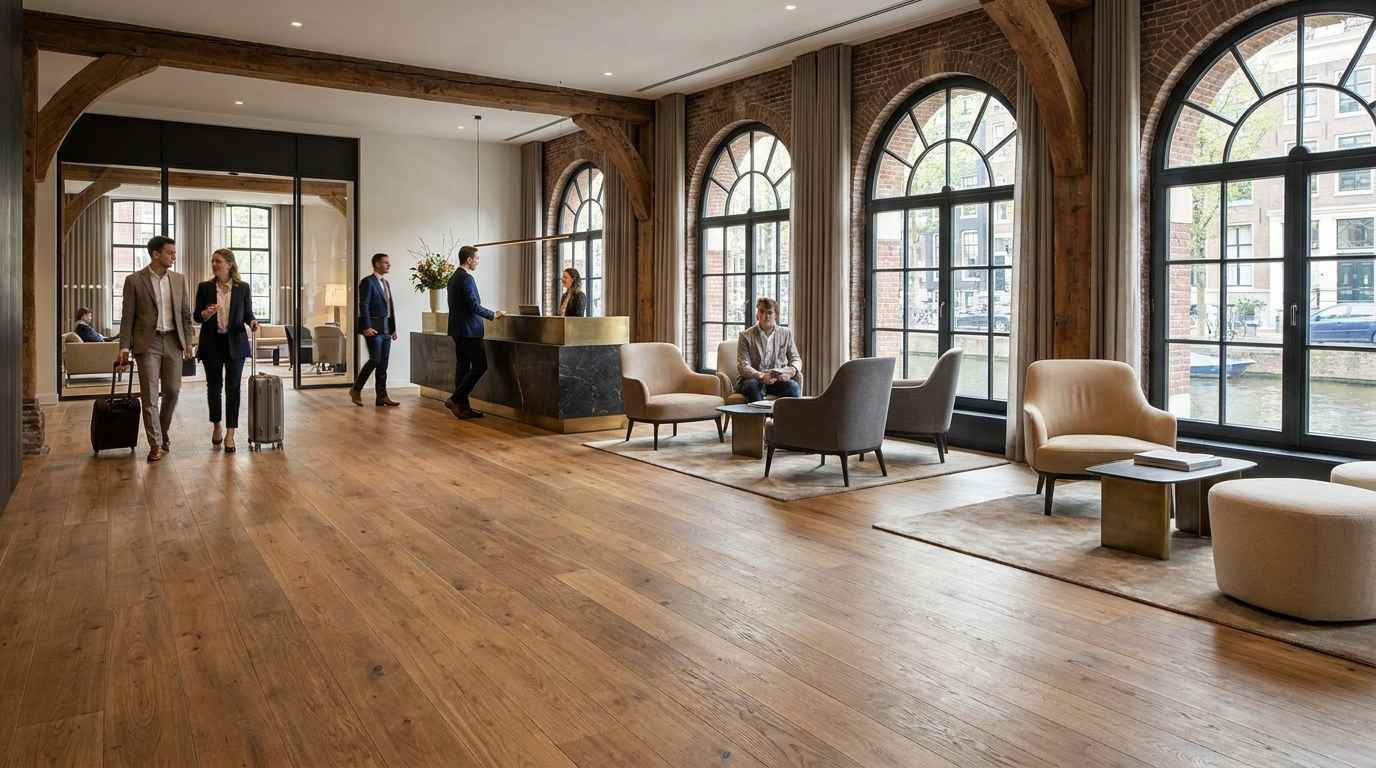
Amsterdam Engineered Wood Flooring for Commercial Projects
Amsterdam combines historic architecture with modern offices, hotels, restaurants, and retail spaces. Each setting has a different atmosphere, but flooring has to serve a common purpose: it should look good, cope with daily use, and remain practical to maintain. For designers exploring natural timber, Amsterdam engineered wood can offer a balance between visual character and…
-
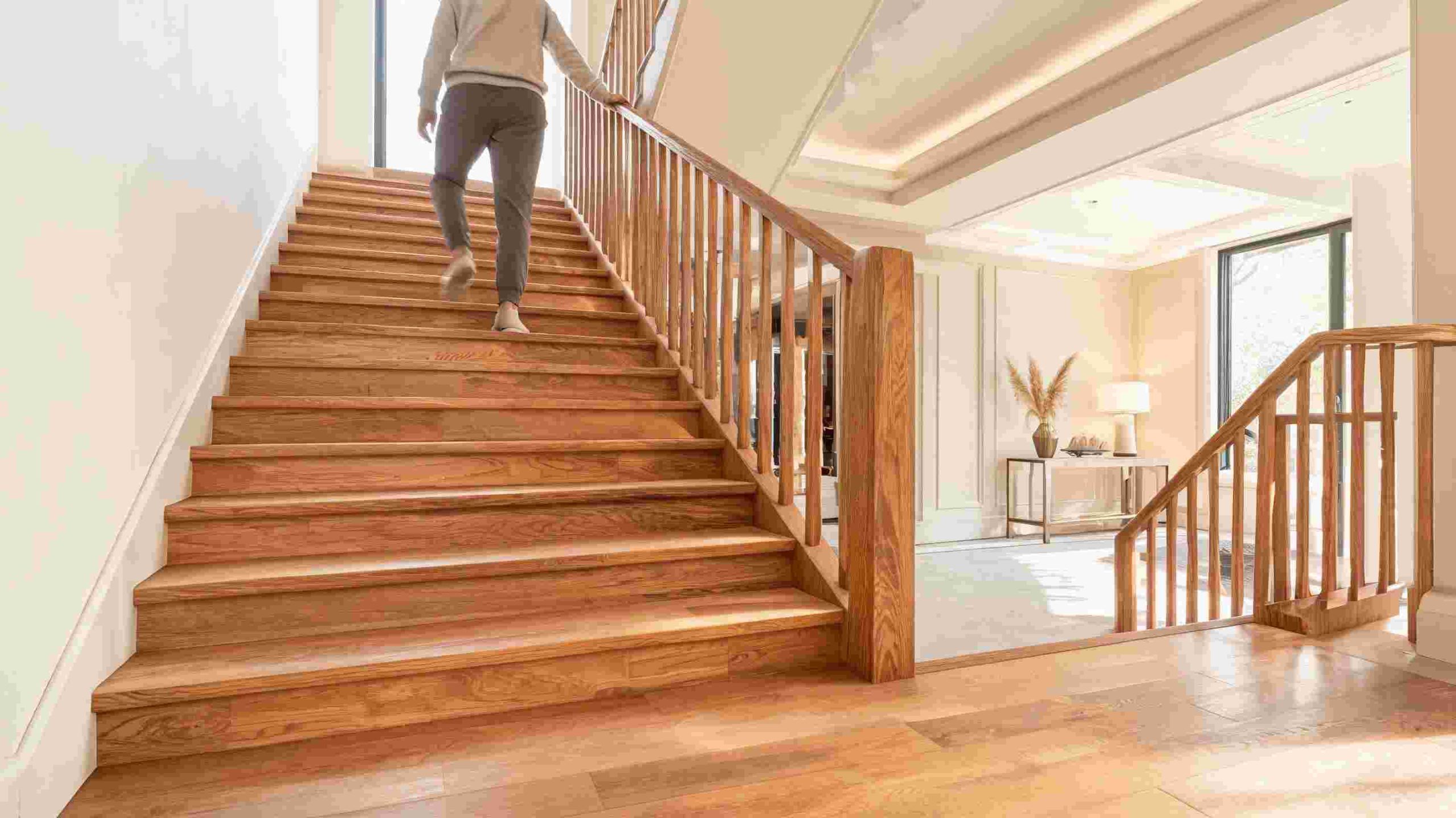
Is Engineered Wood Flooring Suitable for Stairs?
Stairs are more than a way to move between floors. They are a visible part of an interior and become architectural details people notice. Because they are used every day, the material chosen for a staircase needs to balance appearance, durability, safety, and maintenance. Natural wood remains a popular option because it brings warmth and…
- By:PT. Jati Luhur Agung
- Tags: flooring for small spaces, smart flooring, wood flooring
- Category: Wood Flooring
- 0 comment