Imagine walking into a room where the floor doesn’t just support your furniture, but actually tells a story. There is a specific, undeniable magic in the grain of natural timber, the way it catches the morning light, the warmth it holds under your bare feet, and that faint, earthy scent that makes a house feel like a permanent sanctuary. For centuries, wood has been the gold standard of interior design, outlasting trends and surviving generations. Yet, as modern architecture evolves and our living environments become more complex with underfloor heating and high-rise humidity, the technical side of flooring has had to keep up.
This brings most homeowners to a pivotal crossroads the classic debate between real wood or engineered wood floors. It is a choice that balances heritage against innovation. One represents the raw, unyielding strength of nature, while the other represents a triumph of structural stability. Choosing incorrectly could lead to warping, cupping, or unsightly gaps in a few short years, but choosing correctly ensures a foundation that grows more beautiful with every passing decade. Whether you are renovating a historic villa or designing a sleek, contemporary apartment, understanding the soul and the science of these materials is the first step toward a flawless finish that adds tangible value to your property.
Understanding the Core Differences in Wood Construction

To choose between real wood or engineered wood floors, you must first look beneath the visual surface and understand what is happening at the molecular and structural levels. Wood is a “hygroscopic” material, meaning it acts like a sponge, absorbing and releasing moisture based on the relative humidity of the room. How a plank is constructed determines how it manages this physical stress.
Solid Wood (Real Wood) is the traditionalist’s choice. Each plank is milled from a single, solid piece of timber usually hardwood. From the top surface that you walk on to the bottom that rests on the subfloor, it is 100% homogenous wood.
Typically, these planks are 18mm to 20mm thick. Because it is a single piece of organic material, solid wood has a “memory.” If the humidity rises, the cells of the wood expand laterally. If the air becomes too dry, they shrink. This is why solid wood requires “expansion gaps” at the edges of a room. It is a living, breathing product that demands a stable environment.
Engineered Wood, by contrast, is a marvel of human ingenuity designed to solve the inherent “restlessness” of solid timber. An engineered plank is composed of multiple layers. The top layer (the wear layer) is genuine hardwood, the same Oak, Teak, or Merbau you would find in a solid plank. However, this wear layer is bonded under high pressure to a core of 5 to 9 layers of high-quality birch plywood or HDF. The crucial detail is the orientation: each layer is placed in a cross-grain direction to the one above it. When moisture tries to make the wood expand, the layers pull against each other in opposite directions, effectively canceling out the movement. This results in a floor that is dimensionally stable, making it the perfect candidate for environments where solid wood might fail.
Comparing Pros and Cons for Every Living Space

The Living Room and Bedrooms
In these “dry” areas, the choice is often down to personal preference. Solid wood offers a traditional, “heavy” feel underfoot that many luxury homeowners prefer. It provides excellent natural insulation and sound absorption. However, if your living room features large floor-to-ceiling windows that create significant “greenhouse” heat during the day, engineered wood might be safer to prevent the planks from drying out and cracking.
The Kitchen and Basement
Kitchens are prone to occasional spills and higher humidity from cooking. Here, engineered wood is generally the superior choice. Its cross-layered construction makes it much less likely to “cup” (where the edges of the plank rise higher than the center) if it gets damp. For basements or “below-grade” installations, solid wood is almost never recommended due to the high risk of moisture seeping through the concrete slab. Engineered wood, specifically when installed with a proper moisture barrier, can thrive in these conditions.
Underfloor Heating (UFH)
This is a dealbreaker for many. If you intend to install modern radiant heating, the debate between real wood or engineered wood floors ends quickly. Solid wood is a poor conductor of heat and can dry out rapidly, leading to structural failure. Engineered wood is designed to handle the cycles of heating and cooling without losing its shape, making it the industry standard for heated floors.
Durability and Performance in High Traffic Areas
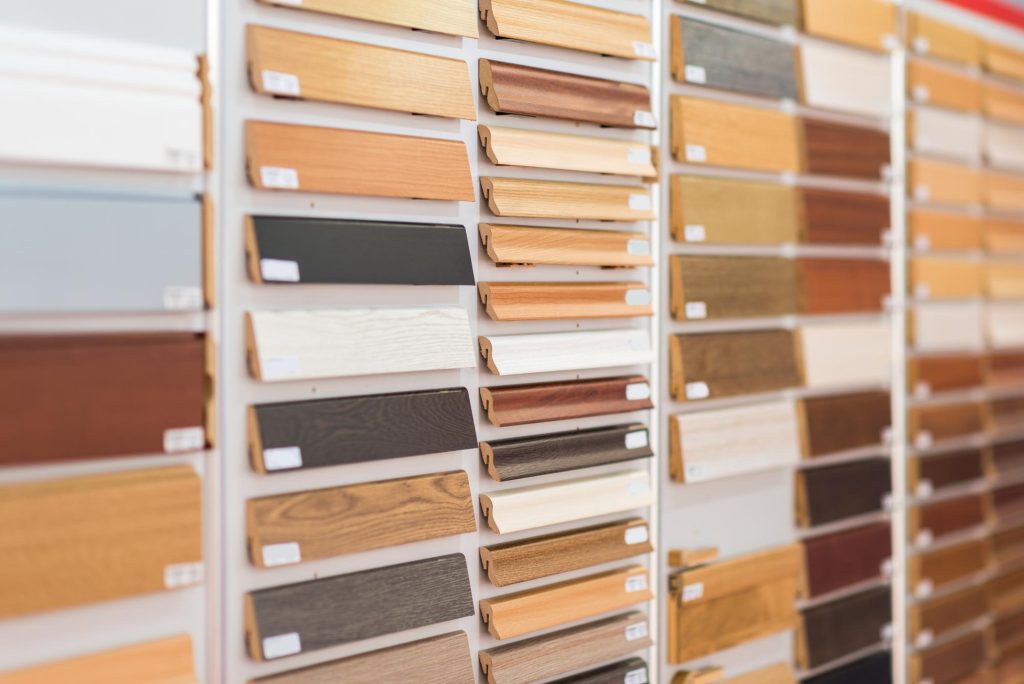
Durability is often misunderstood. Many believe that “engineered” means “fake” or “weak,” but in reality, the durability of your floor depends more on the species of wood and the quality of the finish than the construction of the plank itself.
In high-traffic areas like hallways, hotel lobbies, or busy family rooms, you need a wood with a high Janka Hardness rating. For example, Indonesian Teak or Brazilian Walnut are incredibly dense and can withstand the impact of high heels and pet claws. However, when we compare real wood or engineered wood floors in terms of long-term performance, we have to look at the “Refinishing Factor.”
Solid wood can be sanded down and refinished almost indefinitely or at least 7 to 10 times over a century. If a heavy object is dropped and dents the floor, you can simply sand the area and re-apply the coat. Engineered wood’s lifespan is tied to the thickness of its wear layer. A 4mm wear layer can be sanded 2 or 3 times. While this is usually enough for 40–50 years of use, it doesn’t offer the “forever” lifespan of solid timber.
However, in terms of daily stability, engineered wood often performs better in high-traffic zones because it remains flatter over time. It is less likely to develop “squeaks” caused by planks rubbing together as they expand and contract, a common issue with older solid wood installations.
Evaluating Colors and Architectural Style Options
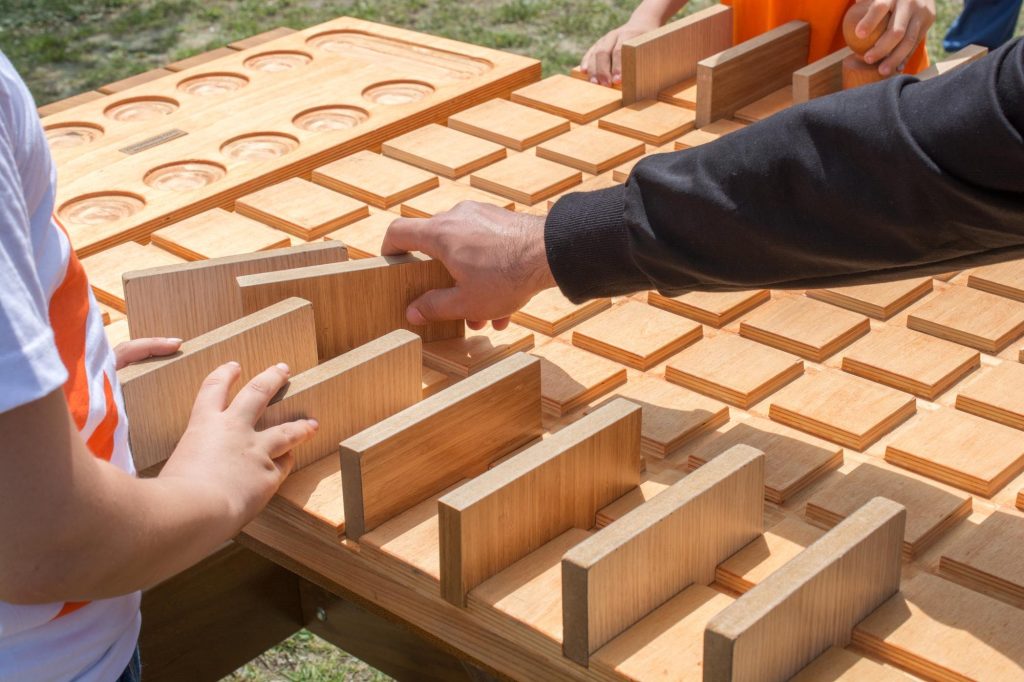
The visual impact of your floor is the bridge between your architecture and your furniture. Because the top layer of both real wood or engineered wood floors is genuine timber, the color and grain options are virtually identical.
Trends in Modern Architecture
Currently, there is a massive shift toward “Wide Plank” flooring. These 190mm to 220mm wide boards create a sense of scale and luxury. If you desire this look, engineered wood is the safer bet.
Wide solid wood planks are notorious for warping because there is so much surface area for moisture to affect. By using engineered construction, you can enjoy massive, wide-format planks that stay perfectly flat.
Please Read This: Solid, Laminate, Engineered Wood Flooring. Which One is Better?
Species and Tones
- Light Tones (Oak, Ash, Maple): Perfect for Scandinavian or Minimalist designs. They reflect light and make small rooms feel expansive.
- Dark Tones (Walnut, Wenge): Ideal for formal dining rooms or masculine, “moody” office spaces. They provide a grounding, sophisticated contrast to light walls.
- Warm Tones (Teak, Merbau): These are the hallmarks of tropical luxury and traditional elegance. Teak, in particular, is prized for its natural oils and golden hue.
The choice of finish—matte, satin, or gloss—also plays a role. A matte finish on real wood or engineered wood floors is excellent for hiding dust and small scratches, whereas a high-gloss finish creates a palatial, reflective surface that requires more frequent cleaning.
Essential Accessories and Finishing Touches for Your Floor
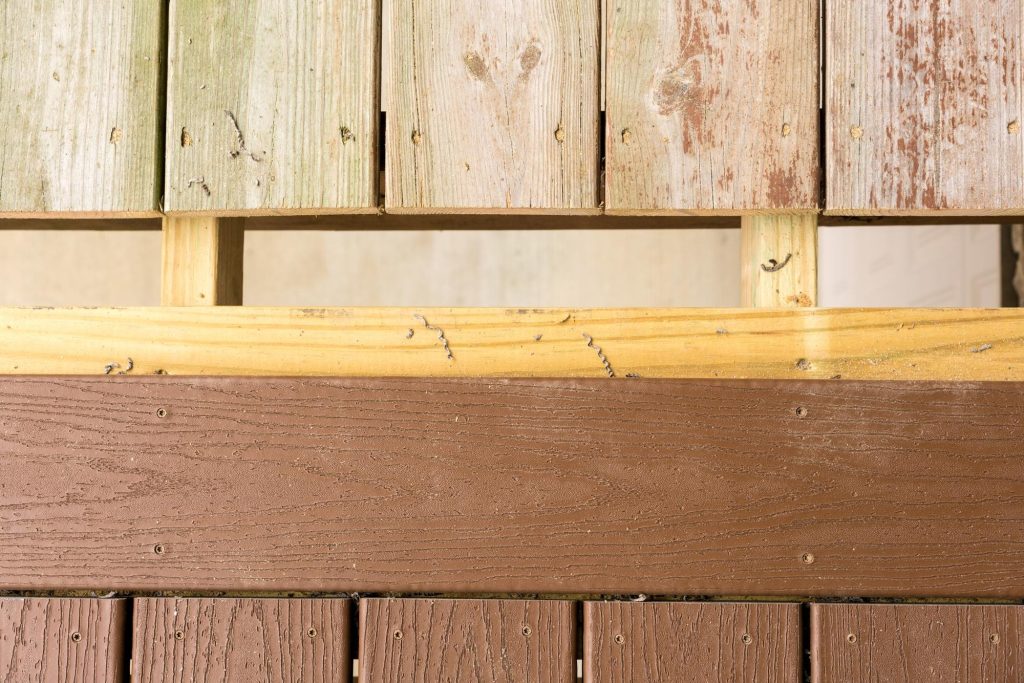
A flooring project is only as good as the “trim” that surrounds it. You cannot simply lay the planks and stop. To ensure your real wood or engineered wood floors look professional and stay functional, you must consider the ecosystem of accessories.
- Thresholds and T-Molding: These are essential for transitions. When moving from a wooden hallway into a tiled bathroom, a threshold hides the necessary expansion gap and prevents tripping.
- Skirting Boards (Baseboards): Beyond their decorative value, skirting boards hide the 10-15mm gap left at the edge of the walls. This gap is the “breathing room” the wood needs to survive the seasons.
- Acoustic Underlay: If you are installing engineered wood in a multi-story home or an apartment, a high-quality rubber or cork underlay is vital. It reduces “impact noise” (the sound of footsteps) from traveling to the room below.
- Stair Nosings: If your project includes a staircase, you will need matching nosings. This is where the quality of a supplier like Jati Luhur Agung shines, as they can provide accessories that perfectly match the grain and stain of your floor planks.
In conclusion, the decision between real wood or engineered wood floors is not about which is “better,” but which is right for your specific environment. Solid wood is a romantic, lifelong investment for those who live in stable climates and want a legacy product. Engineered wood is the high-performance, versatile solution for the modern home, offering the beauty of timber with the stability of high-tech engineering.
If you are searching for premium-quality wood flooring crafted with expertise and precision, Jati Luhur Agung is ready to support your project. With our years of experience in delivering high-quality wood products, absolutely we can combines traditional craftsmanship with modern production technology to create flooring that is both beautiful and durable. Visitour website and discover how expertly crafted wood can elevate the comfort, elegance, and value of your living space. Is there anything you’re still confused about?
The Performance and Value of Engineered Hardwood Flooring for Your Home
Choosing the right flooring is one of the most significant investments you will make in your home. It’s the literal foundation of your interior design, influencing everything from acoustic quality to property value. For decades, solid wood was the undisputed king, but modern innovation has shifted the spotlight. Homeowners today are increasingly asking, “is engineered…
Comparing 3 Ply and Multi Ply Engineered Wood Flooring Performance, Which One Should You Choose?
The world of interior design and architectural engineering often feels like a balance between aesthetic purity and structural pragmatism. When it comes to hardwood flooring, the choice is no longer just about the species of wood or the stain color, it is about the very anatomy of the plank beneath your feet. For decades, solid…
The Complete Guide to Choosing Between Solid and Engineered Wood Floors
Imagine walking into a room where the floor doesn’t just support your furniture, but actually tells a story. There is a specific, undeniable magic in the grain of natural timber, the way it catches the morning light, the warmth it holds under your bare feet, and that faint, earthy scent that makes a house feel…
- By:PT. Jati Luhur Agung
- Tags: engineered wood, real wood or engineered wood floors
- Category: Engineered Wood
- 0 comment