In today’s fast-evolving home design landscape, choosing the right type of flooring has become more challenging than ever. A single visit to a showroom or a scroll through design blogs reveals a vast selection of materials such as laminate, engineered wood, solid hardwood, and various hybrid solutions. Each promising beauty, durability, and value. The problem? Many of these options look almost identical on the surface.
With manufacturers constantly refining their techniques, the visual gap between laminate engineered hardwood and real wood has narrowed dramatically. Some laminate products now feature ultra-high-definition imaging and textured finishes that closely resemble natural grain. As a result, identifying what lies beneath the surface has become a skill worth mastering. Knowing the difference isn’t just about aesthetics. It impacts how you maintain your floors, how long they’ll last, and what kind of return you can expect on your investment. Being able to tell laminate from engineered wood could save you from unexpected repairs and from paying premium prices for materials that don’t deliver premium performance.
Simple Tips to Identify Laminate or Engineered Wood

Differentiating between laminate engineered hardwood and real engineered wood may seem like a daunting task, but there are some clear indicators that can guide even the untrained eye.
Here’s how to spot the difference :
1. Examine the Surface Texture
Start by using your hands. Feel the grain. Is it raised and textured, or is it completely smooth. Engineered wood features a genuine hardwood veneer, which typically presents a textured, irregular grain you can feel. Laminate, on the other hand, typically has a printed image of wood sealed under a protective plastic layer. The texture of laminate is often uniform and may feel somewhat synthetic or too consistent.
2. Look at the Edge
If you have access to the edge of the plank, say near a transition or under a floor vent, closely examine the cross-section. Laminate engineered hardwood typically reveals multiple layers, often including a high-density fiberboard (HDF) core. Engineered wood, while also layered, will show a thicker, real wood top veneer over plywood or multi-ply layers. If the top layer appears like a photograph or lacks depth, it’s probably laminate.
3. Tap the Floor
Sound can be a helpful clue. Knock on the floor or step across it with shoes. Laminate flooring tends to produce a more hollow or clicking sound due to its floating installation method. When engineered wood is glued or nailed down, it tends to produce a deeper, more muted sound when walked on.
4. Assess for Wear and Tear
Look for scratches, dents, or chipped areas. Laminate tends to resist dents better but can chip or peel under pressure, revealing its layered construction. Engineered wood can scratch more easily due to its real wood surface but doesn’t peel like laminate. If you notice peeling or bubbling at the corners, it’s a strong sign of laminate engineered hardwood.
5. Water Exposure and Damage
Both types are more resistant to moisture than solid hardwood, but they react differently when exposed to water. Laminate may swell or bubble, especially along the seams, while engineered wood may warp or show water stains. A visual inspection around kitchen or bathroom edges can give you critical clues.
6. Try the Fingernail Test
Lightly run your fingernail across the surface. If you can leave a slight mark, it’s likely real wood (engineered). If your nail slides across the surface without making a mark, it could be laminate.
7. Consult Documentation or Manufacturer Info
When in doubt, check any existing installation documentation, receipts, or manufacturer labels. Product names often contain hints words like “oak veneer” or “plywood base” suggest engineered wood, while phrases like “HDF core” or “photo layer” signal laminate engineered hardwood.
By combining these methods, you’ll be much better equipped to distinguish between these two popular flooring types. Even a quick combination of feel, edge view, and tap test can usually point you in the right direction.
Similar Article: Difference Between Engineered Wood and Laminate
Trusted Source for Laminate & Engineered Wood

After identifying the type of flooring you need or already have , the next logical step is choosing a trusted supplier that offers transparency, quality assurance, and a wide range of options. That’s where Jati Luhur Agung comes into play. As one of Indonesia’s most respected names in the wood industry, we are specializes in high-quality flooring materials, including both engineered and laminate engineered hardwood. With years of experience and a strict quality control process, become the go-to choice for architects, interior designers, and homeowners across Southeast Asia and beyond.
What sets Jati Luhur Agung apart is our commitment to material traceability and product authenticity. When you purchase engineered wood from them, you know exactly what you’re getting real hardwood top layers, sustainable sourcing, and engineered cores that meet international standards. Their laminate engineered hardwood options also adhere to strict manufacturing guidelines, offering a durable and visually appealing solution for more budget-conscious projects.
Whether you’re outfitting a modern apartment, renovating a heritage home, or just replacing worn-out flooring, the assurance that your product comes from a reputable source can make all the difference. It eliminates guesswork and future regrets because you know the wood under your feet is exactly what it claims to be.
Our experts are always ready to guide you through product comparisons, samples, and even technical specs, ensuring you choose a flooring option tailored to your project’s needs. Jati Luhur Agung understand that knowing the difference between laminate and engineered wood isn’t just about surface aesthetics, it’s about long-term performance, safety, and sustainability. To explore full catalog and receive expert consultation, visit our official website. Whether you’re a contractor or a homeowner, we provides the insight and selection needed to choose with confidence.
In an age where appearances can be deceiving and marketing can blur the lines between product types, learning to spot the difference between engineered wood and laminate engineered hardwood is more important than ever. As floor options become more visually similar, relying on feel, sound, texture, and structural layers is essential. And when it’s time to choose flooring for your home, don’t settle for ambiguity. Know what you’re walking on and make sure it’s a surface that not only looks good but stands the test of time. Let knowledge lead the way, and let trusted sources like Jati Luhur Agung supply the foundation beneath your feet.
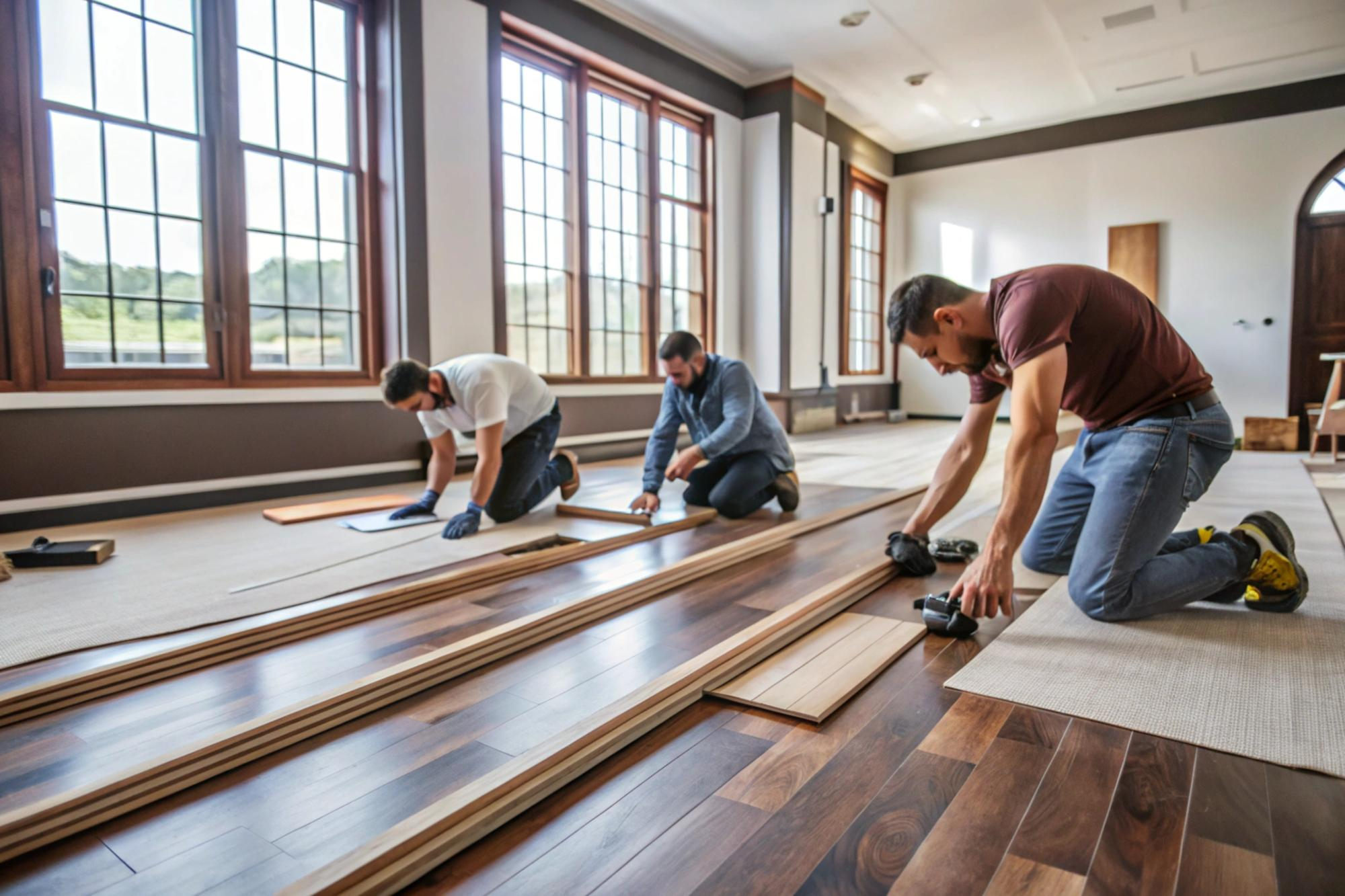
The Performance and Value of Engineered Hardwood Flooring for Your Home
Choosing the right flooring is one of the most significant investments you will make in your home. It’s the literal foundation of your interior design, influencing everything from acoustic quality to property value. For decades, solid wood was the undisputed king, but modern innovation has shifted the spotlight. Homeowners today are increasingly asking, “is engineered…
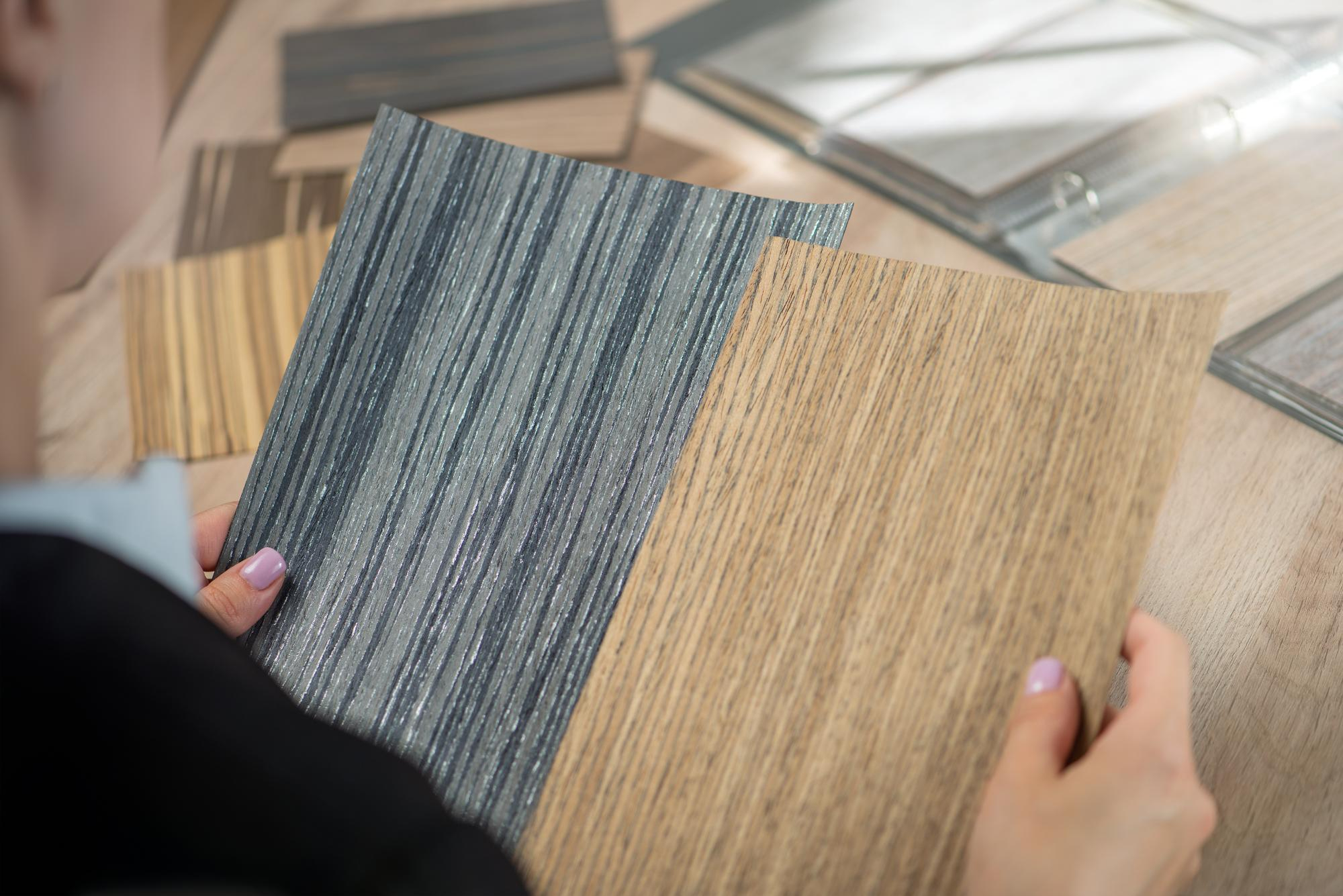
Comparing 3 Ply and Multi Ply Engineered Wood Flooring Performance, Which One Should You Choose?
The world of interior design and architectural engineering often feels like a balance between aesthetic purity and structural pragmatism. When it comes to hardwood flooring, the choice is no longer just about the species of wood or the stain color, it is about the very anatomy of the plank beneath your feet. For decades, solid…
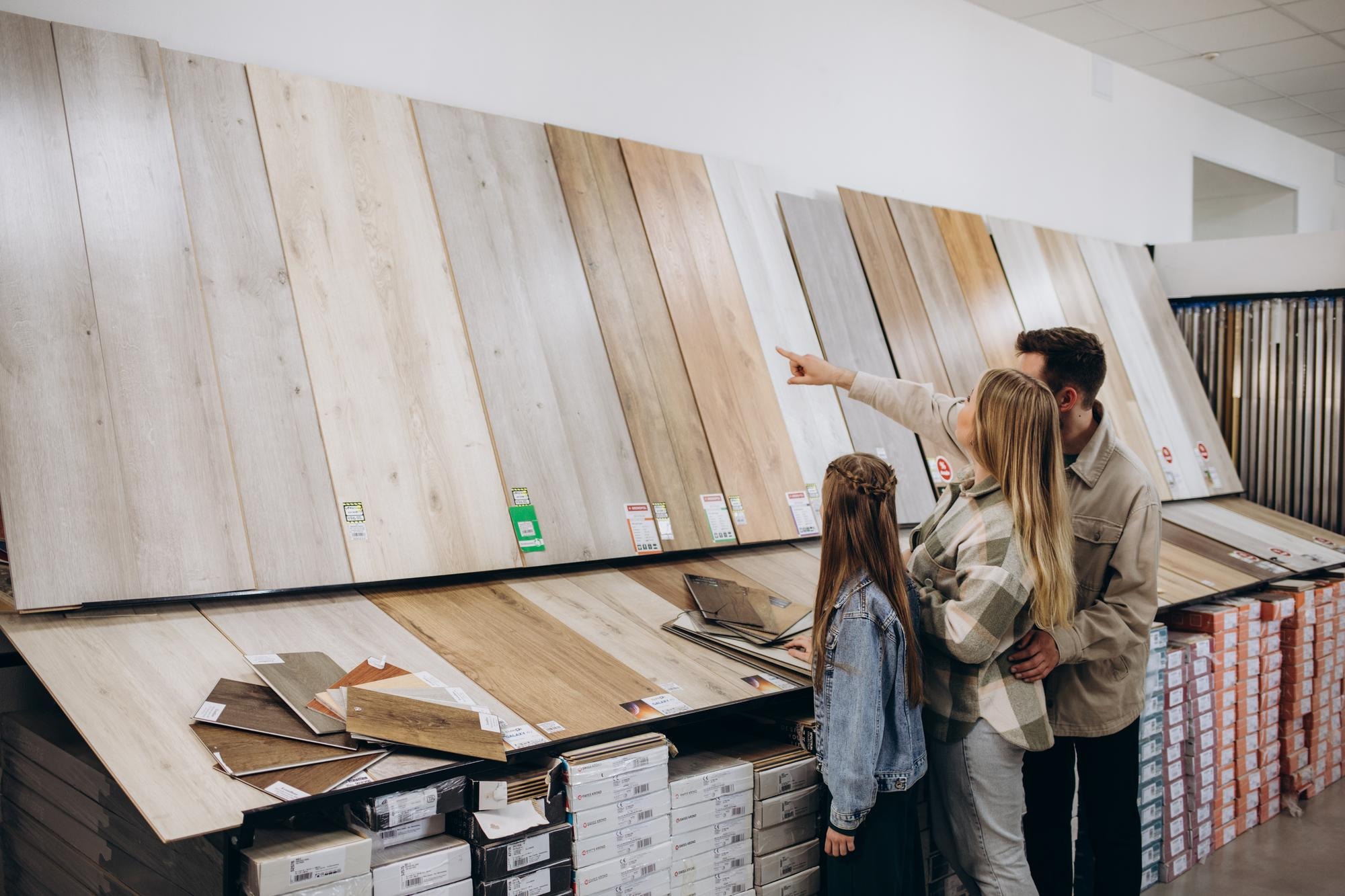
The Complete Guide to Choosing Between Solid and Engineered Wood Floors
Imagine walking into a room where the floor doesn’t just support your furniture, but actually tells a story. There is a specific, undeniable magic in the grain of natural timber, the way it catches the morning light, the warmth it holds under your bare feet, and that faint, earthy scent that makes a house feel…
- By:PT. Jati Luhur Agung
- Tags: engineered hardwood, engineered wood, laminate wood
- Category: Wood Flooring
- 0 comment