In any professional kitchen, precision, speed, and hygiene matter more than anything else. Chefs carefully select every tool to deliver consistent quality, and among those tools, the cutting board holds a surprisingly crucial role. Choosing the best professional cutting board isn’t just about picking something that looks good on your countertop, it’s about ensuring safety, durability, and performance. The right board protects your knives, keeps food preparation sanitary, and helps you work more efficiently.
Professional chefs know that not all cutting boards are created equal. What works in a home kitchen may not stand up to the demands of commercial use. In a busy environment where ingredients are chopped, diced, and sliced all day long, the material, size, and construction of the cutting board make a huge difference. Whether you run a restaurant, manage a catering business, or simply enjoy cooking at a high level, understanding what makes a cutting board truly professional is essential.
What Makes a Cutting Board ‘Professional’?

Not every cutting board marketed as “professional” actually performs to that standard. To be considered the best professional cutting board, it needs to excel in several key areas: durability, hygiene, stability, and knife performance.
First, durability is essential. In a high-paced kitchen, a cutting board gets constant use, often handling hundreds of ingredients each day. Low-quality boards wear down quickly, developing deep grooves that trap food particles and bacteria. A true professional board is built to withstand heavy use without losing its integrity. Hardwoods like maple or walnut, as well as certain high-density plastics, are often preferred because they resist damage from repetitive chopping.
Hygiene is another critical factor. Professional kitchens must follow strict food safety regulations, which means cutting boards should be resistant to moisture and bacterial growth. The best professional cutting board typically uses materials with naturally low porosity, so liquids and food particles can’t seep deep into the surface. This makes cleaning more effective and reduces the risk of cross-contamination between ingredients.
Size and stability also matter. A board that’s too small creates inefficiency, while a board that shifts during use poses safety risks. Professional chefs tend to prefer larger boards that offer plenty of workspace, often paired with non-slip bases or rubber grips to keep the surface steady. The goal is to allow smooth ingredient preparation without constantly adjusting your setup.
Finally, knife performance must be considered. Professional chefs invest in high-quality blades, and the wrong cutting surface can dull them quickly. The ideal board balances hardness and softness—it should be strong enough to resist deep cuts but not so hard that it damages knife edges. That’s why wood remains a favorite in many kitchens: it absorbs impact while still maintaining a smooth, stable surface.
When all these factors come together, the best professional cutting board supports efficiency, maintains food safety, and protects your tools, making it a valuable investment for any kitchen setup.
You might also like: Guide to Sourcing High-Quality Wood Cutting Boards in USA
Best Materials for Professional Cutting Boards
The material you choose has the biggest influence on performance, durability, and hygiene. While there are several options available, some are better suited for demanding professional environments where quality and food safety can’t be compromised.
Hardwood Cutting Boards

Hardwood is often the gold standard among professional chefs. Maple, walnut, cherry, and teak are some of the most recommended choices thanks to their density, durability, and naturally smooth grain. These boards resist excessive knife scoring, stay flat under heavy use, and have naturally low porosity, which makes them more hygienic than softer woods.
Teak, in particular, has become increasingly popular in recent years. Its natural oil content helps repel water and prevents staining, making it easier to maintain than many other woods. A board crafted from teak often earns its place among the best professional cutting board options because it combines longevity, aesthetics, and food safety in one.
Other wood options you can try: Acacia Wood Cutting Boards
Bamboo Cutting Boards
Bamboo has emerged as a sustainable and lightweight alternative to traditional hardwoods. Although technically a grass, bamboo’s tightly packed fibers make it naturally resistant to moisture and bacteria. When manufactured using food-safe adhesives, bamboo cutting boards can perform well in professional settings.
That said, bamboo tends to be harder than maple or walnut, which can lead to faster knife dulling if used extensively. To make bamboo a reliable choice, look for high-quality boards treated with natural oils to soften the surface and enhance performance. With proper care, bamboo can serve as a cost-effective and eco-friendly solution without compromising hygiene.

High-Density Plastic Cutting Boards

Many commercial kitchens also rely on high-density polyethylene (HDPE) or similar food-safe plastics. These boards are light, resistant to moisture, and safe for dishwashers, which makes cleaning and sanitizing them much simpler. Their ability to withstand harsh cleaning processes makes them especially useful in environments where speed and hygiene are top priorities.
However, plastic boards tend to develop deep cut marks more quickly than wood. Once grooves become too pronounced, they can trap bacteria and must be replaced. For this reason, professional kitchens often keep multiple plastic boards on rotation, assigning different colors to different ingredients such as meat, seafood, and vegetables to reduce the risk of cross-contamination.
End-Grain vs Edge-Grain Construction
When selecting wooden cutting boards, construction style matters almost as much as the material itself. End-grain boards, where the wood fibers are positioned vertically, are prized for their durability and “self-healing” qualities. Knife blades slide between the fibers instead of cutting directly across them, meaning the surface naturally closes after use. This makes end-grain boards a top contender for the best professional cutting board in terms of longevity and performance.

Edge-grain boards, by contrast, are made with horizontal wood strips, giving them a more affordable price point and lighter weight. While they’re durable and perfectly suitable for professional use, they may show cut marks sooner than end-grain boards and require more frequent maintenance.
At the end, selecting the best professional cutting board comes down to finding the perfect balance between durability, hygiene, and functionality. Whether you value the timeless beauty of hardwood, the sustainability of bamboo, or the practicality of high-density plastics, the right choice will enhance your workflow and keep your kitchen safe.
For chefs and cooking enthusiasts who demand the highest standards, wea are, Jati Luhur Agung offers cutting boards crafted from premium, food-safe hardwoods with exceptional attention to detail. Each board reflects a blend of durability, craftsmanship, and elegance—built to perform and designed to last.
Discover the difference that quality makes. Lets’s visit our official website and explore cutting boards that bring professional performance straight to your kitchen.
-
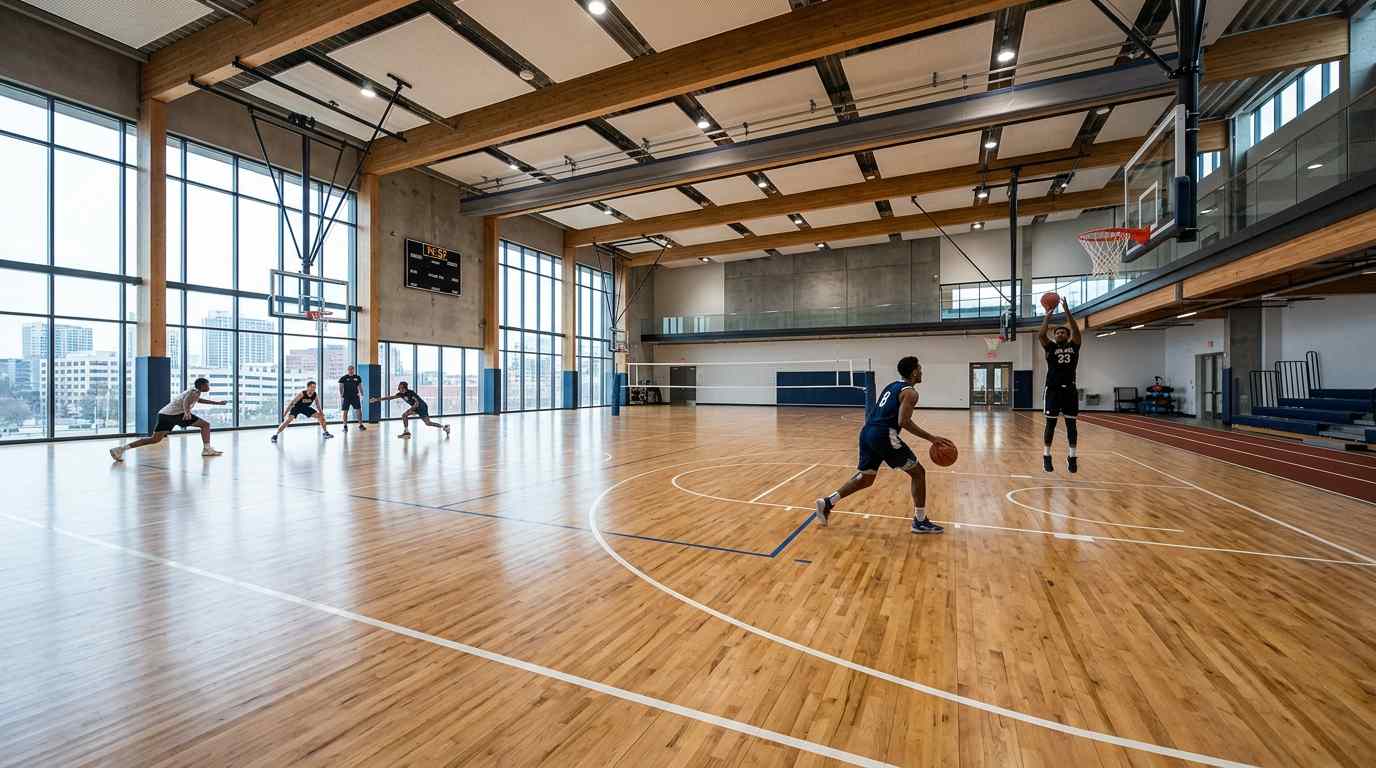
What Is a Wood Gym Floor? Expert Guide for Sports Facilities
The floor is one of the most important elements in an indoor sports facility. It affects how athletes move, stop, jump, land, and change direction. It also influences comfort, maintenance, and the appearance of the venue. For basketball courts, school gyms, training centers, and multipurpose halls, choosing suitable flooring is an important part of the…
-

What to Look for in an End Grain Cutting Board Manufacturer
Choosing the right cutting board manufacturer can be more important than it first appears. For retailers, distributors, restaurant suppliers, and kitchenware brands, the manufacturer behind a product directly influences its consistency, appearance, durability, and overall customer experience. A cutting board may look simple, but producing one that performs well requires careful material selection, precise processing,…
-
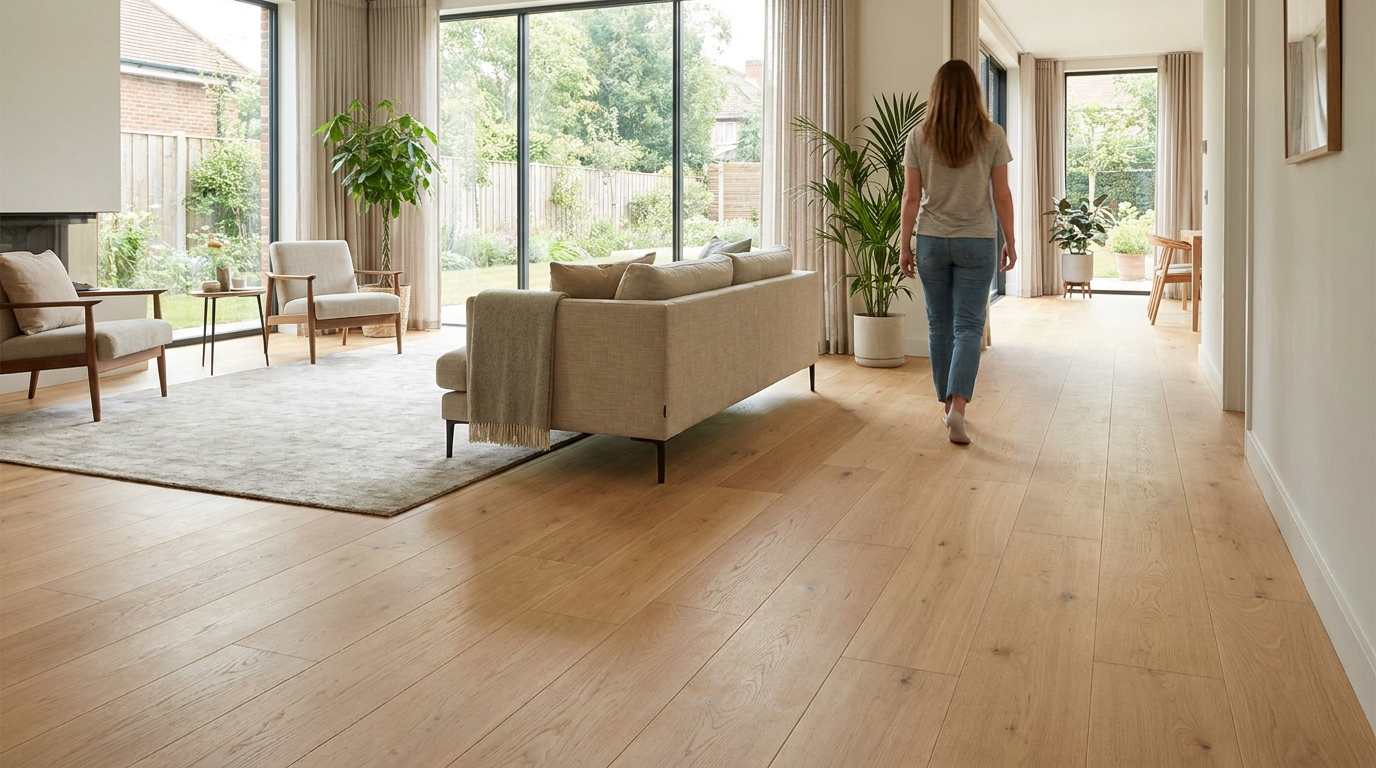
Hevea Engineered Flooring Tips for Better Performance and Longevity
Hevea engineered flooring can bring a warm, natural character to an interior while offering the practical structure needed for everyday use. Made with a real wood surface and engineered construction, this flooring can be a suitable choice for homes, offices, hospitality spaces, and other interiors where appearance and stability both matter. However, good performance does…
- By:PT. Jati Luhur Agung
- Tags: cutting board
- Category: Cutting Board
- 0 comment