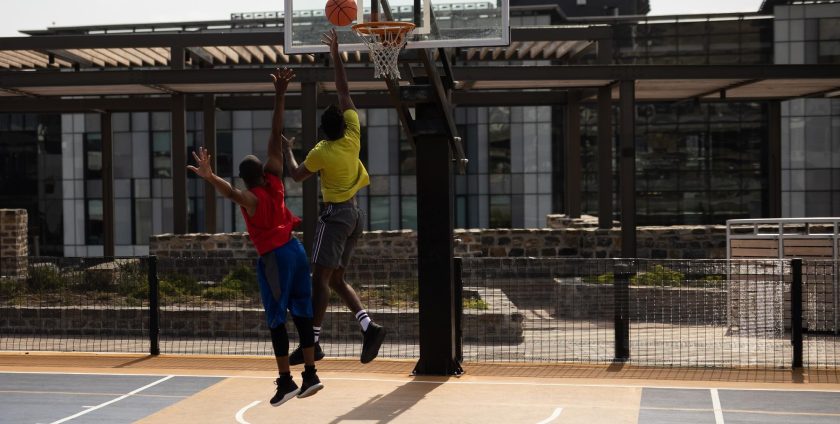
Basketball has evolved into more than just a sport played in professional arenas or crowded public gyms. In recent years, it has become a lifestyle element integrated into residential spaces, private schools, training academies, and commercial developments. From viral backyard court transformations to modern mixed-use facilities that feature compact sports zones, the demand for high-quality basketball courts continues to rise. This shift reflects a deeper expectation: people want a court that looks professional, feels reliable under pressure, and performs consistently over time. As a result, many project owners are now carefully considering how to install a basketball court that meets both aesthetic and performance standards without unnecessary complexity.
What makes today’s installations different from the past is accessibility. Advances in flooring technology, modular systems, and clearer installation processes have changed the way courts are built. What was once limited to specialized contractors is now achievable through structured planning, proper materials, and disciplined execution. A professional basketball court is no longer defined solely by who installs it, but by how well the process is understood and applied from start to finish.
What Can Be Installed DIY?
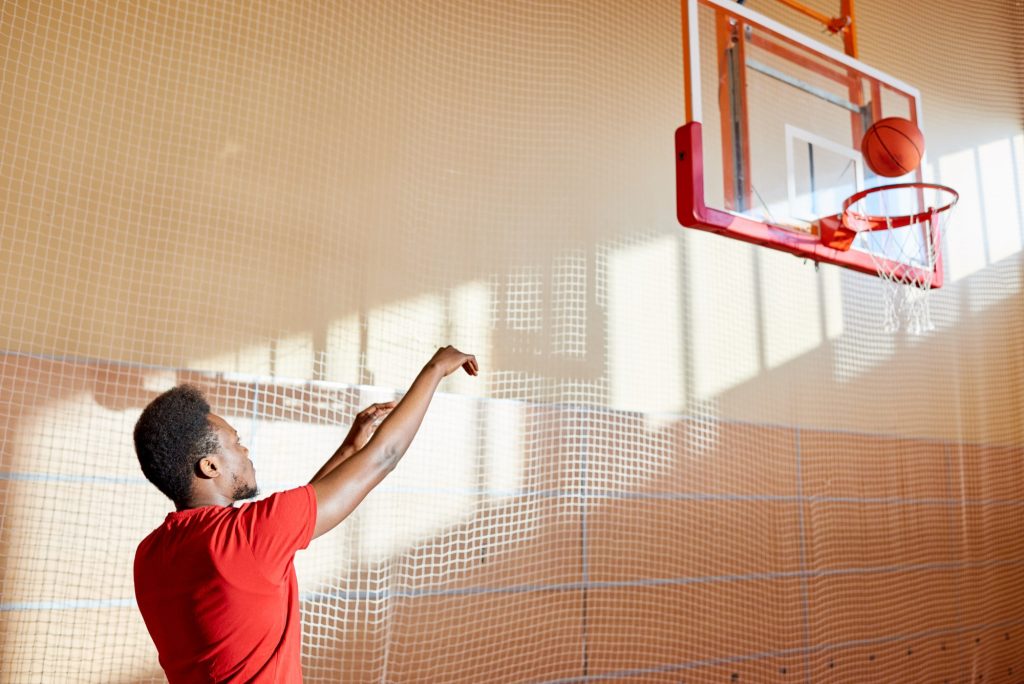
One of the most common misconceptions about basketball courts is that every component must be installed by professionals. This assumption often leads to higher budgets and longer project timelines than necessary. In reality, modern court systems are intentionally designed to allow certain elements to be handled independently without sacrificing structural integrity or performance quality. For anyone planning to install a basketball court, understanding which parts are suitable for DIY work is essential for setting realistic expectations, optimizing resources, and maintaining control over the installation process.
DIY-friendly installations typically involve modular court tiles, standardized connectors, and pre-designed surface systems that eliminate guesswork. These components are engineered for precision, allowing them to lock together using minimal tools while maintaining consistent spacing, surface flatness, and reliable load distribution. Because the systems are modular, installers can work progressively, assembling sections step by step without disrupting previously completed areas. With accurate measurements and a well-planned layout, even larger court areas can be assembled methodically and efficiently.
Another advantage of DIY-compatible systems is flexibility. Installers can adjust the pace of work based on available time, making the process more manageable for residential or community-based projects. Modular tiles also make it easier to correct minor mistakes during installation without dismantling the entire surface. This adaptability reduces stress during execution and helps ensure consistent results across the court.
That said, DIY installation still requires discipline and precision. Accurate measurements, careful sequencing, and continuous alignment checks are critical at every stage. Skipping steps, neglecting edge alignment, or rushing the process can lead to surface inconsistencies that affect both performance and durability. DIY does not mean casual execution; it means following a structured system designed to support accuracy, repeatability, and long-term stability. When done correctly, independent installation can produce a court that feels solid underfoot, balanced during movement, and professional in daily use.
For example, we once provided a tutorial on Everything You Need for a DIY Mini Basketball Court. Here you will find lots of explanations, such as choosing the right surface, essential equipment, lighting and fencing your home court, and how much it will cost you. Are you interested in reading the article? Let’s click the link.
Why Our Flooring is the Ultimate Choice for DIY Installations
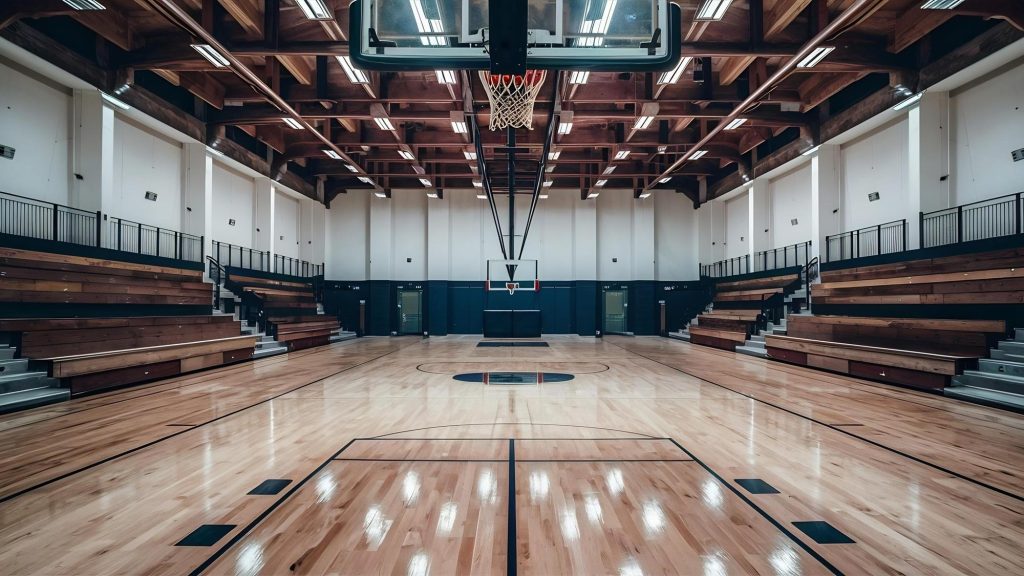
Flooring selection is the most influential factor in determining the success of any court project. When you plan to install a basketball court, the flooring system defines how the surface performs, how it absorbs impact, and how long it maintains its structural integrity. A well-designed surface must support dynamic movement, frequent stops, jumps, and directional changes while remaining stable under constant use. High-quality flooring is therefore not chosen for appearance alone, but for its ability to respond consistently to the physical demands of the game.
Premium flooring systems are manufactured using strict production tolerances to ensure uniform thickness, balanced weight distribution, and precise locking mechanisms. This level of consistency allows tiles to connect seamlessly across the entire court, reducing the risk of uneven edges, soft spots, or height differences that could affect player movement. For DIY installations, this precision is especially valuable because it reduces dependency on specialized tools or advanced technical skills, making professional results more achievable through careful execution.
Another key advantage lies in surface performance. Quality flooring is engineered to deliver controlled grip and reliable ball bounce, creating a playing experience that feels natural and predictable. Shock absorption properties help reduce strain on joints, improving comfort and safety for players during extended use. These performance characteristics remain stable over time, ensuring the court maintains its original feel rather than degrading quickly after installation.
Durability further strengthens the value of premium flooring systems. High-grade materials resist cracking, warping, and surface fatigue caused by repeated impact, temperature changes, and environmental exposure. This resilience is particularly important for courts that experience frequent use or variable conditions. Maintenance is also simplified, as individual tiles can be replaced without dismantling the entire surface, preserving both time and investment.
This balance between performance, structural resilience, and ease of handling is what makes premium flooring systems the ultimate choice for installations that aim to meet professional standards while remaining practical for independent execution. The result is a court that performs consistently, ages gracefully, and supports long-term usability without unnecessary complexity.
Prepping Your Concrete Subsurface
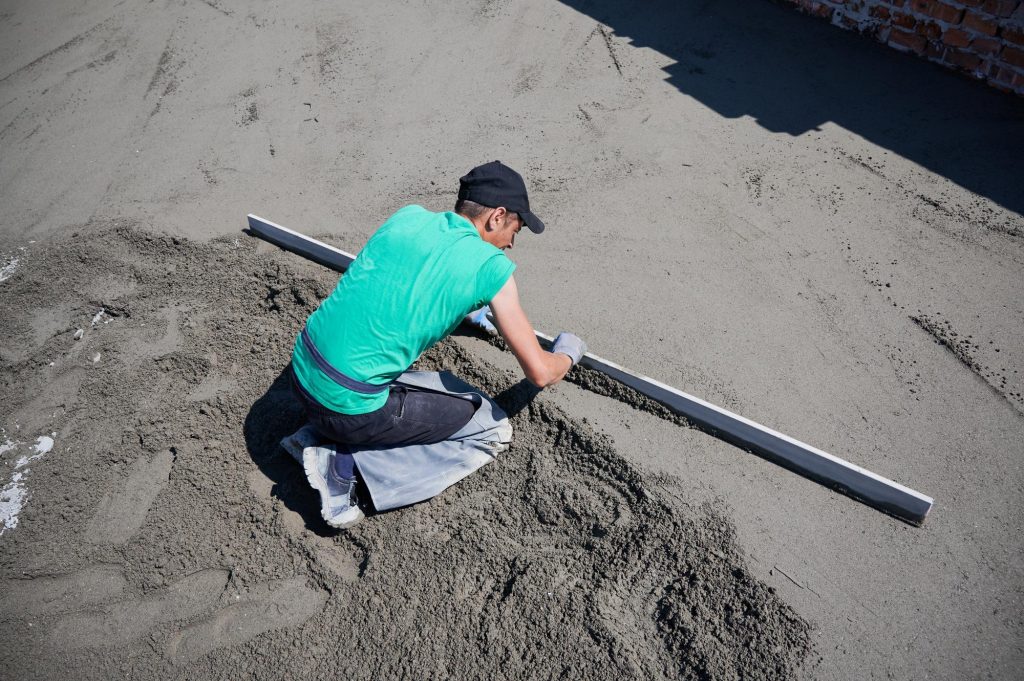
No basketball court can perform well without a properly prepared foundation. Concrete subsurface preparation is a fundamental step when you intend to install a basketball court that remains stable, safe, and reliable over time. Even the most advanced flooring system relies entirely on the condition of the surface beneath it. A strong, well-prepared base ensures that the flooring performs as designed and prevents avoidable issues that could appear months or years after installation.
The concrete slab must be clean, dry, and structurally sound before any flooring is applied. Dust, construction debris, oil residue, paint, and loose materials should be removed thoroughly, as these contaminants can interfere with proper tile contact and alignment. Surface flatness is equally important. Uneven areas may cause tiles to sit improperly, leading to movement, noise, or premature wear. Minor surface imperfections can usually be corrected using leveling compounds, while deeper cracks, chips, or structural weaknesses should be repaired fully before proceeding.
Curing time is another essential consideration, especially for newly poured concrete. The slab must be allowed to cure completely to prevent moisture from being trapped beneath the flooring system. Trapped moisture can compromise tile stability and reduce long-term durability. Verifying moisture levels before installation helps protect the integrity of both the subsurface and the flooring itself.
For outdoor courts, drainage plays a critical role in long-term performance. A subtle slope allows rainwater to flow away from the playing surface rather than pooling underneath it. Proper drainage minimizes moisture buildup, reduces the risk of mold or surface degradation, and helps maintain consistent footing. In environments with frequent weather changes, this step becomes even more important.
Thorough subsurface preparation not only improves installation efficiency but also supports consistent performance throughout the court’s lifespan. By investing time and care into this stage, installers create a solid foundation that allows the flooring system to perform reliably, maintain stability, and deliver a professional playing experience for years to come.
Laying Your Court Tiles Like a Pro
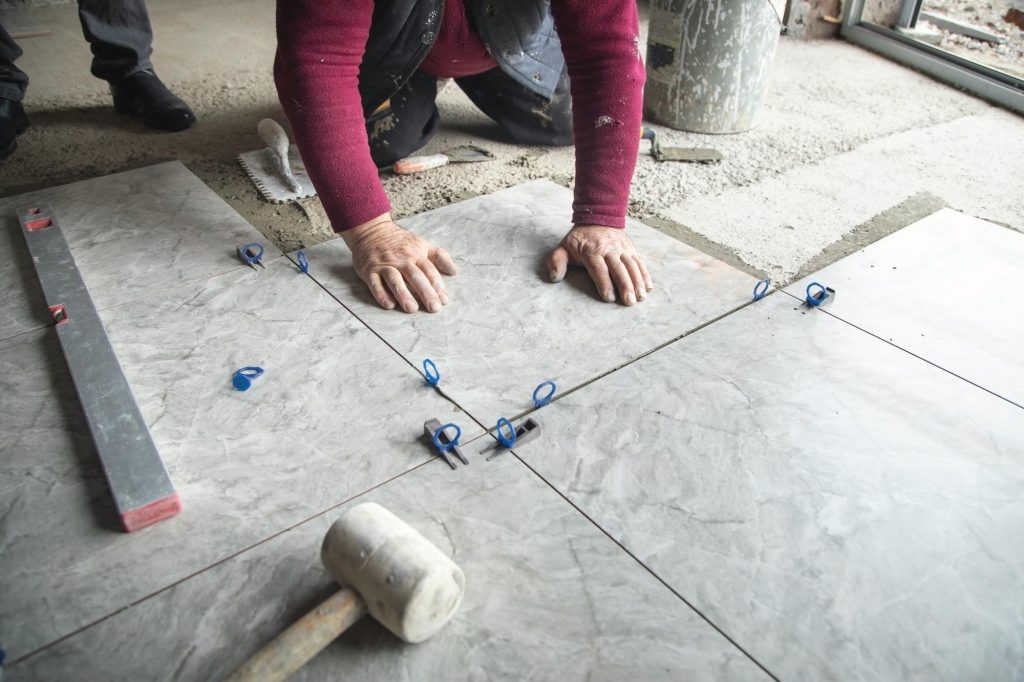
The installation phase transforms preparation into a functional playing surface. To install a basketball court with professional precision, layout accuracy and consistency must be maintained from the first tile to the last. Establishing a clear reference point helps preserve symmetry and alignment across the entire court.
Tiles should be connected methodically, row by row, ensuring that each locking mechanism is fully engaged before moving forward. Working in sections allows installers to monitor progress and correct alignment issues early. Regular visual checks and straight-line guides help maintain clean edges and uniform spacing.
Court markings deserve special attention during this stage. Accurate line placement ensures proper gameplay dimensions and enhances visual clarity. Whether markings are integrated into the tile system or applied separately, precision determines usability. A careful, disciplined approach during installation results in a surface that feels cohesive, responsive, and visually refined.
Read More: Fact About Basketball Floor: The Proccess Behind Selection
Expert Tips for a Seamless Court Finish
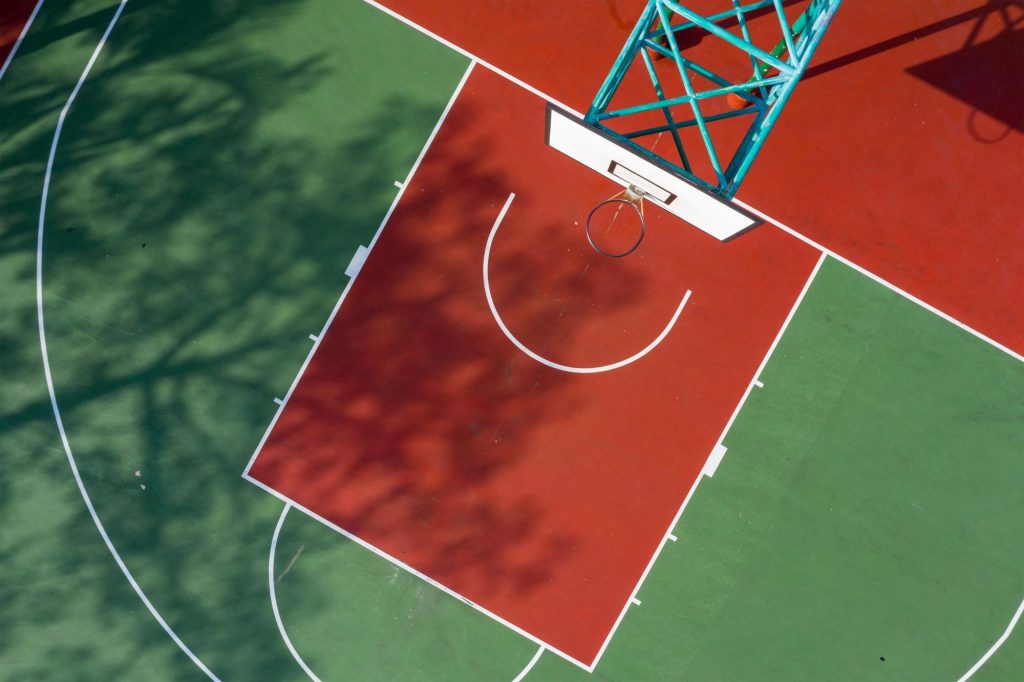
A court’s overall quality is often defined by its finishing details. When aiming to install a basketball court that performs reliably over time, edge transitions, expansion allowances, and final inspections should never be overlooked. These elements protect the flooring system while enhancing safety and visual continuity.
Edge ramps provide smooth access to the playing surface and reduce tripping hazards. Expansion gaps allow the flooring system to respond naturally to temperature changes, preventing stress-related issues such as buckling or warping. Proper spacing ensures the surface remains stable under varying environmental conditions.
Final inspections should focus on tile stability, surface consistency, and marking accuracy. Addressing small imperfections immediately helps preserve both appearance and performance. Attention to these finishing details ensures the court not only looks professional but also delivers dependable playability day after day.
A basketball court represents more than a playing surface; it is an investment in performance, safety, and long-term value. Every phase, from planning and material selection to installation and finishing, contributes to the final result. When you decide to install a basketball court, working with a trusted material specialist provides access to proven solutions and reliable quality. Jati Luhur Agung supplies premium sports flooring materials designed to meet professional standards while supporting efficient installation processes. Visit our official website to discover how our expertise can help you create a basketball court that combines durability, performance, and refined visual appeal.
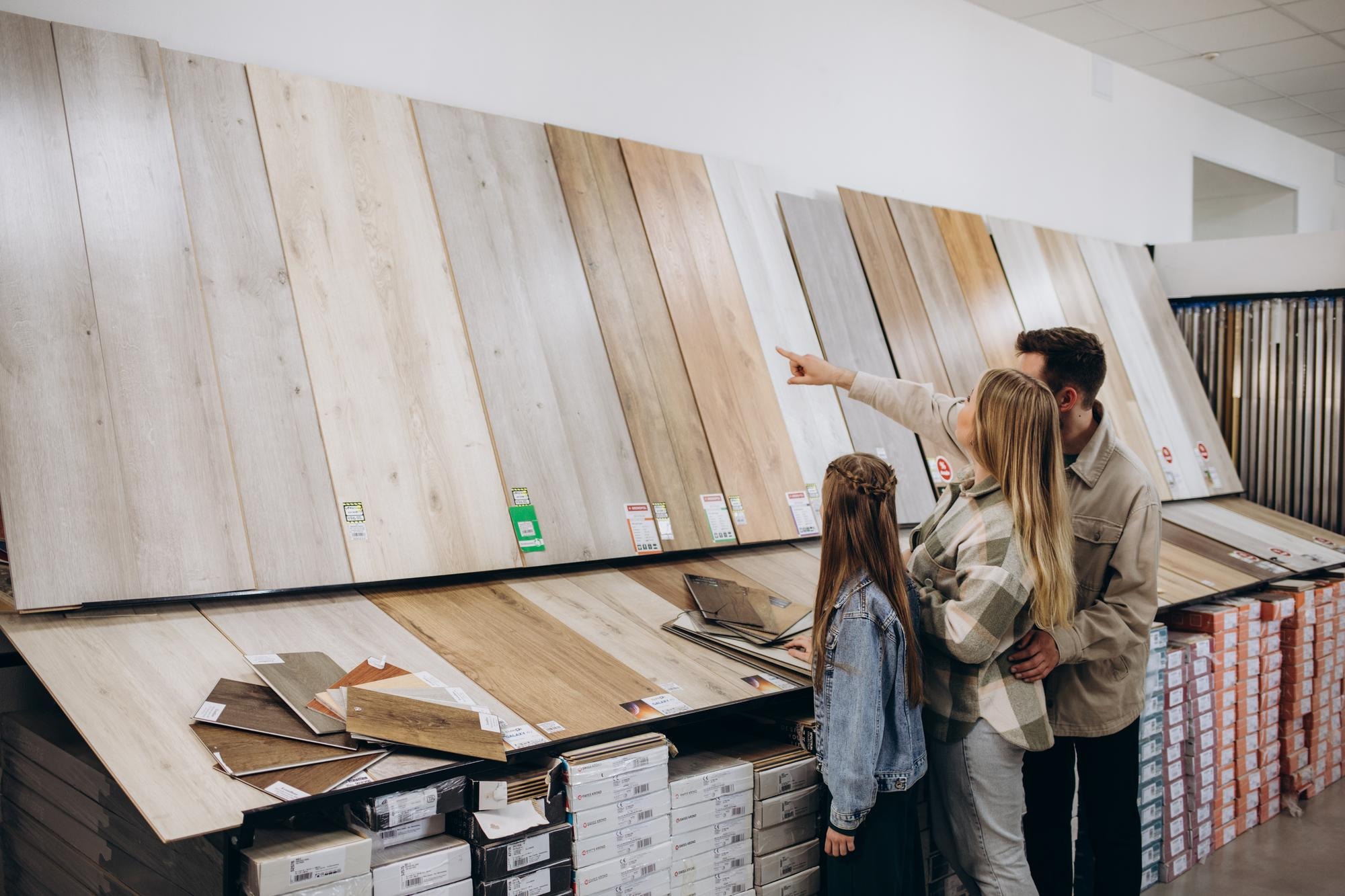
The Complete Guide to Choosing Between Solid and Engineered Wood Floors
Imagine walking into a room where the floor doesn’t just support your furniture, but actually tells a story. There is a specific, undeniable magic in the grain of natural timber, the way it catches the morning light, the warmth it holds under your bare feet, and that faint, earthy scent that makes a house feel…
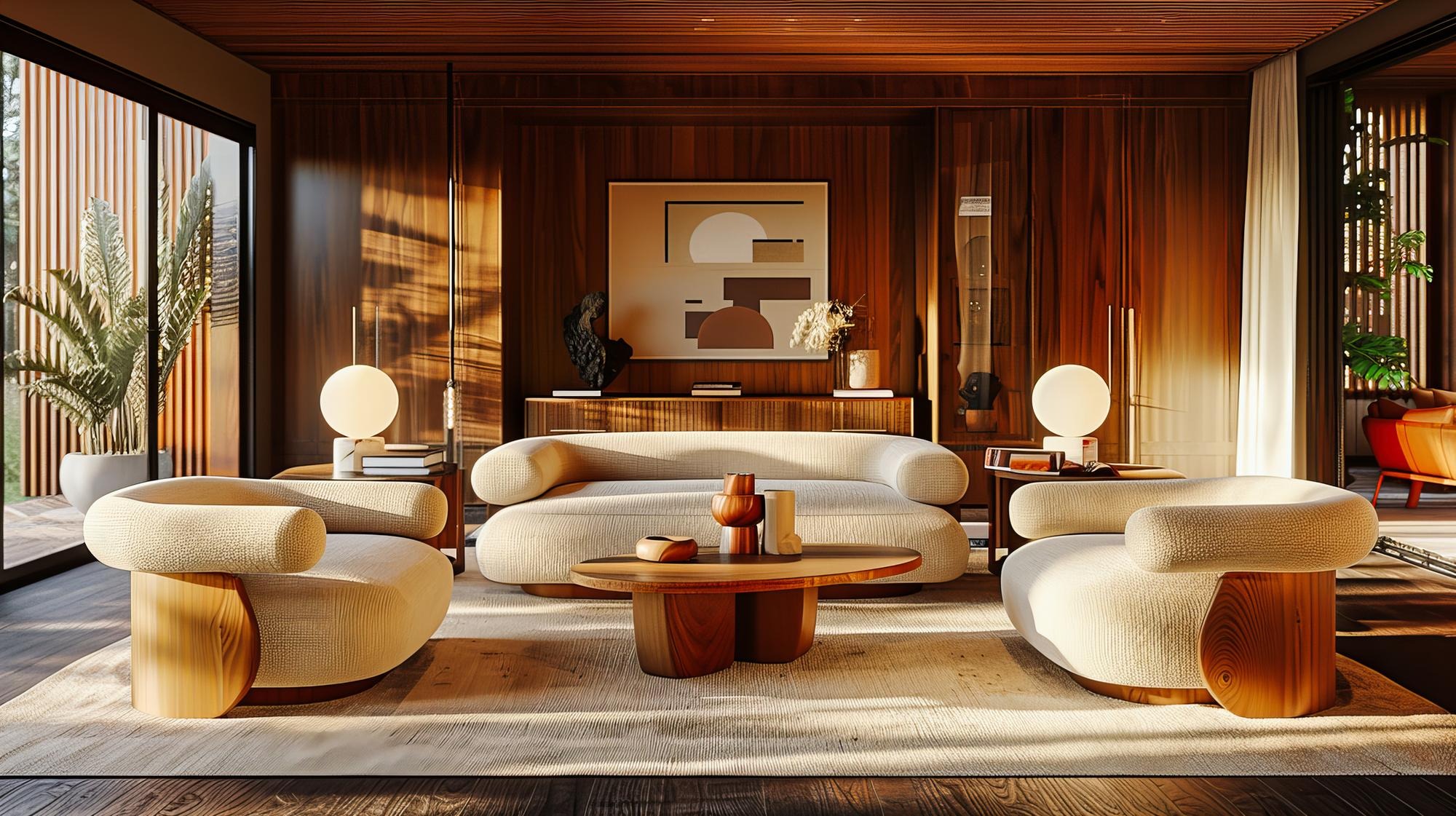
Golden Teak Hardwood Flooring for Sophisticated Interiors
When it comes to the zenith of interior design, few elements carry the same weight of history, prestige, and raw natural beauty as golden teak hardwood flooring. Often referred to by botanists and master architects alike as the “King of Woods,” teak has long been the preferred choice for those who refuse to compromise on…

Why This Brazilian Teak Hardwood is a Lifetime Investment for Your Home?
Choosing a floor isn’t just about picking a color that matches your sofa, it’s about deciding what you want to walk on for the next fifty years. In the world of interior design, trends flicker like candlelight, but brazilian teak hardwood flooring stands as a monumental testament to timelessness. If you are looking for a…
- By:PT. Jati Luhur Agung
- Tags: court installation, professional basketball court, sport floor
- Category: Sports Floor
- 0 comment