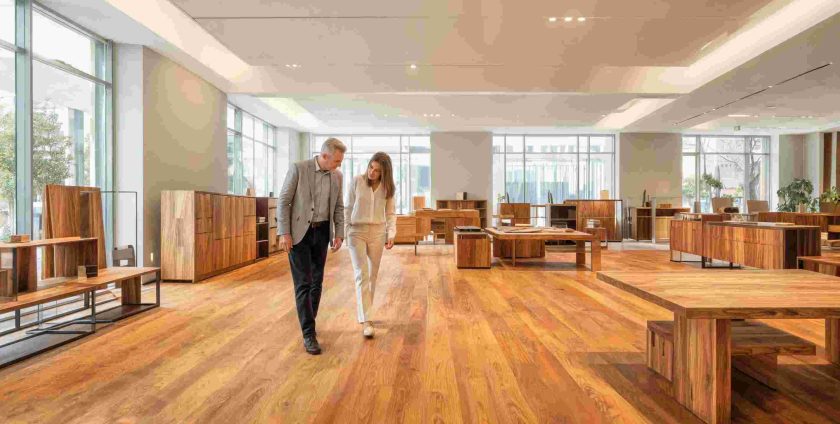
Choosing the right wood for a commercial project is about more than appearance. European buyers often consider durability, stability, maintenance, sourcing practices, and long-term value before placing an order. Acacia has become an attractive option because it combines natural beauty with performance characteristics suitable for demanding applications.
For architects, furniture manufacturers, flooring distributors, contractors, and importers, understanding the material before sourcing it can make a significant difference. Acacia comes in different species and grades, so its performance may vary depending on how it is grown, processed, and finished.
Understanding the core acacia wood properties can help businesses select materials that match the technical and aesthetic requirements of their projects.
Key Acacia Wood Properties for Commercial Applications
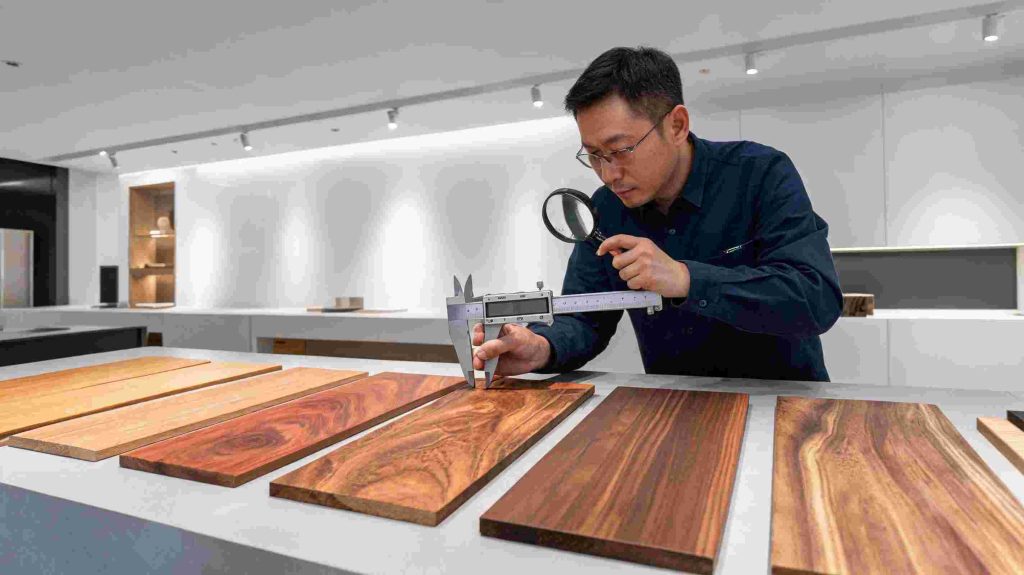
ACACIA WOOD is valued for its combination of strength, hardness, attractive grain patterns, and natural color variation. Depending on the species, the wood may display golden brown, reddish brown, or darker tones, often with contrasting grain that gives finished products a distinctive character.
Hardness is one of the most important characteristics for commercial buyers. Acacia can provide a solid surface capable of handling regular use, making it suitable for flooring, furniture, countertops, and other products exposed to frequent contact.
Its visual appeal is another advantage. Acacia often features a lively grain structure rather than a completely uniform appearance. This makes it suitable for European interiors that favor natural materials and can complement contemporary, rustic, industrial, and transitional designs.
Workability should also be considered. Acacia can be processed into different dimensions and profiles, although its hardness may require suitable cutting, sanding, and finishing equipment.
Moisture behavior is equally important. While some acacia species offer good natural resistance, finished performance depends on proper drying, construction, and finishing. Professional kiln drying and moisture control can help reduce movement after installation.
For B2B buyers, these acacia wood properties should be assessed together. Grade, moisture content, dimensions, and processing quality all need to meet the requirements of the intended application.
How Acacia Performs in Flooring, Furniture, and Wood Products
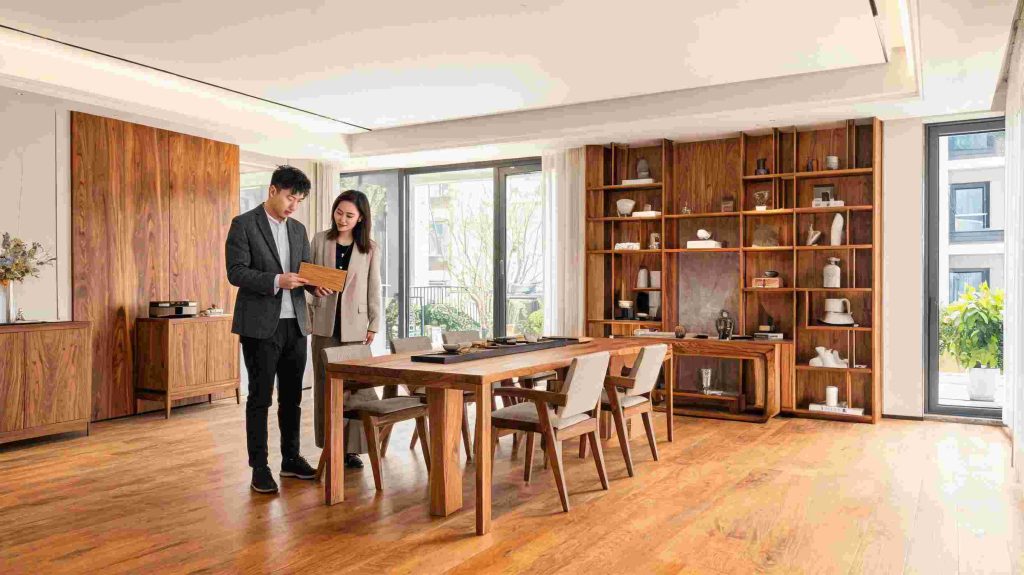
Flooring is one application where acacia can create a strong visual impression. Its pronounced grain and natural color variation can produce floors with plenty of character, particularly in residential, hospitality, and commercial interiors.
For flooring manufacturers and distributors, appearance should not be the only consideration. Board construction, moisture content, dimensional stability, surface treatment, and installation conditions all influence the final result. Engineered construction may also be considered when projects require greater dimensional stability.
Furniture is another area where acacia performs well. Tables, benches, cabinets, shelving, and decorative pieces can benefit from its combination of visual character and physical strength. Its natural grain means that even simple designs can achieve a premium appearance.
Acacia can also be used for panels, cutting boards, interior components, and decorative elements. The appropriate grade and manufacturing process depend on the final product. Items exposed to moisture, temperature changes, or heavy use require careful material selection and finishing.
Buyers should also determine whether the wood is intended for indoor or outdoor use. Exterior products require suitable protective treatments because even naturally durable timber can deteriorate when continuously exposed to moisture, sunlight, and changing weather conditions.
The practical acacia wood properties make the material versatile, but not every acacia product is suitable for every environment. Buyers should match the species, grade, construction, and finish to actual project conditions.
Acacia Wood Durability in Different Environments
The right sports flooring material needs to offer a practical balance of strength, stability, appearance, and workability. Hevea is worth considering because it combines these characteristics with a clean and versatile visual appeal. Its naturally light color and relatively subtle grain create a bright, modern appearance. This can work particularly well in large indoor facilities where designers want the space to feel open and welcoming. The neutral tone also provides a good background for court markings and other design elements.
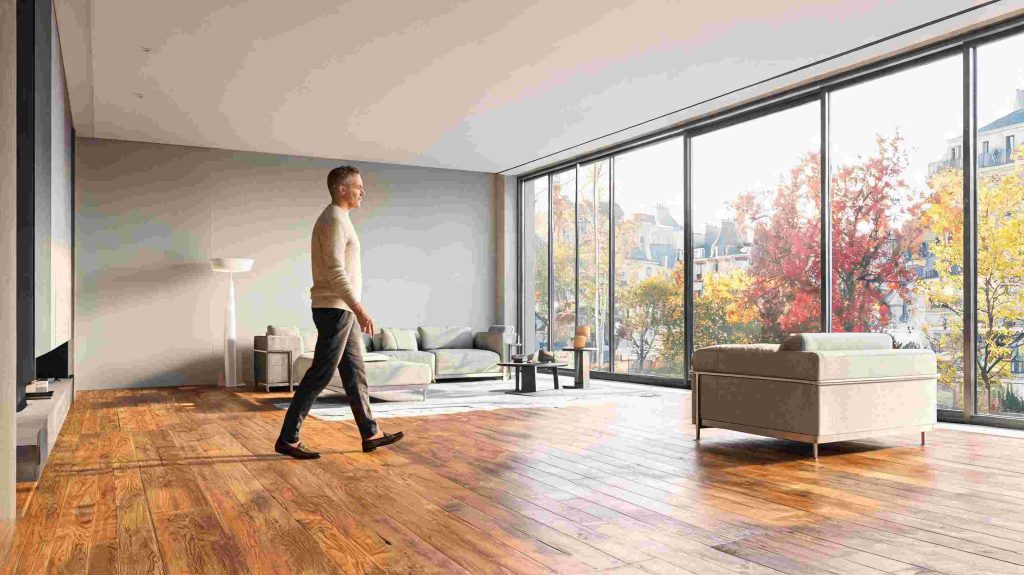
Durability is one of the main reasons businesses consider acacia for demanding applications. Its hardness can help surfaces withstand repeated use, while certain species provide useful resistance to biological deterioration. However, durability should always be evaluated in relation to the environment.
In indoor European spaces, properly processed acacia can perform effectively in flooring, furniture, and decorative applications. Controlled indoor humidity and temperature generally create more predictable conditions than outdoor environments.
Read More: The Best Engineered Wood Flooring Vs The Real Thing
High-traffic areas require additional attention. Retail stores, restaurants, hotels, offices, and public spaces may expose flooring and furniture to abrasion, impacts, dirt, and frequent cleaning. A suitable protective finish can help preserve the surface, but maintenance requirements should still be considered.
Outdoor environments are more challenging. Rain, humidity, ultraviolet exposure, freezing temperatures, and repeated wet-dry cycles can affect timber over time. Even durable wood requires appropriate design, drainage, finishing, and maintenance when used outdoors.
European climates also vary considerably. A product used in a controlled indoor environment may face different conditions in coastal or colder regions. Buyers should therefore avoid making decisions based solely on a general durability label.
Understanding the specific acacia wood properties of the selected species is essential. Suppliers should explain the wood’s intended applications, drying process, grading system, and recommended environmental conditions.
Sustainable Acacia Wood Sourcing for European Markets

The right sports flooring material needs to offer a practical balance of strength, stability, appearance, and workability. Hevea is worth considering because it combines these characteristics with a clean and versatile visual appeal. Its naturally light color and relatively subtle grain create a bright, modern appearance. This can work particularly well in large indoor facilities where designers want the space to feel open and welcoming. The neutral tone also provides a good background for court markings and other design elements.
Sustainability has become an increasingly important purchasing consideration across European markets. For B2B buyers, responsible sourcing can influence project specifications, brand reputation, customer expectations, and compliance requirements.
Acacia can be sourced from plantations and managed forestry systems, but buyers should not assume that every product described as acacia automatically meets their sustainability requirements. Responsible procurement begins with understanding where the wood originates and how the supply chain is managed.
Documentation is an important part of this process. Depending on the project, buyers may request information about forest management, chain of custody, legality, harvesting practices, and relevant certification.
Processing efficiency also matters. Responsible manufacturers can reduce unnecessary waste through accurate cutting, optimized production, and appropriate utilization of different grades. Product longevity should also be considered because a material that lasts for many years can provide better long-term value.
For European businesses, evaluating acacia wood properties alongside responsible sourcing practices creates a more complete procurement strategy. It allows buyers to balance aesthetics, performance, environmental expectations, and commercial requirements.
What Buyers Should Check When Sourcing Acacia Wood

The right sports flooring material needs to offer a practical balance of strength, stability, appearance, and workability. Hevea is worth considering because it combines these characteristics with a clean and versatile visual appeal. Its naturally light color and relatively subtle grain create a bright, modern appearance. This can work particularly well in large indoor facilities where designers want the space to feel open and welcoming. The neutral tone also provides a good background for court markings and other design elements.
Before purchasing acacia for a commercial project, buyers should establish clear technical requirements. Start by identifying the intended application, dimensions, preferred grade, surface appearance, moisture content, and finishing specifications.
Species identification is another important point. “Acacia” can refer to different species, and their characteristics are not necessarily identical. A supplier should provide clear information about the botanical or commercial species being offered.
Moisture content should be verified, especially for flooring and interior products. Incorrectly dried timber can move, shrink, or expand after installation. Professional kiln drying and appropriate storage can help minimize these risks.
Grade consistency matters for large projects. Commercial buyers often need multiple batches with consistent appearance and performance. Discuss acceptable color variation, knots, grain patterns, surface defects, and dimensional tolerances before confirming an order.
The manufacturing process should also be examined. Ask how the timber is dried, sorted, machined, sanded, and finished. For flooring, buyers should request information about construction, wear layers, backing materials, installation recommendations, and finishing options.
Packaging and logistics deserve attention as well. Timber products should be protected against moisture and physical damage during transportation and storage. European importers should confirm documentation, lead times, shipping arrangements, and minimum order quantities.
Finally, request samples before committing to a large purchase. A physical sample allows buyers to evaluate color, grain, texture, machining quality, and finish more accurately than photographs.
Frequently Asked Questions (FAQ)
- Is Acacia Wood Suitable for European Flooring Projects?
Yes, acacia can be suitable for European flooring projects when the correct species, grade, moisture content, construction, and finish are selected. Its hardness and distinctive appearance make it attractive for residential and commercial interiors.
- What Are the Main Properties of Acacia Wood?
The main acacia wood properties valued by buyers include hardness, strength, attractive grain, natural color variation, and, depending on the species, useful resistance to wear and environmental exposure. Performance can vary according to species, drying methods, grading, and finishing.
- Is Acacia Wood a Sustainable Choice for B2B Buyers?
It can be, particularly when sourced from responsibly managed forests or plantations with appropriate documentation and traceability. Buyers should ask suppliers about sourcing practices, legality, certifications where applicable, and chain-of-custody documentation.
- How Durable Is Acacia Wood in High-Traffic Applications?
Acacia can perform well in high-traffic applications because many species are relatively hard and resistant to everyday wear. Actual performance depends on the species, construction, finish, installation quality, and maintenance routine.
- What Should Buyers Check When Sourcing Acacia Wood?
Buyers should check the species, origin, grade, moisture content, dimensions, drying process, machining quality, finish, documentation, packaging, and supplier consistency. Samples should also be evaluated before large orders.
For European buyers, selecting timber is ultimately a balance between design, performance, responsible sourcing, and long-term value. Acacia can offer an appealing combination of natural character and practical performance, but the quality of the final product depends greatly on how the timber is selected, processed, and manufactured.
If you are looking for a reliable partner for acacia wood products and engineered wood flooring solutions, Jati Luhur Agung (JLA) can be a valuable supplier to consider. With manufacturing experience and a focus on wood products for professional markets, Jati Luhur Agung can help buyers explore suitable specifications for flooring and other applications. Explore our official website to learn more about available products and discuss your project requirements with the team.
-
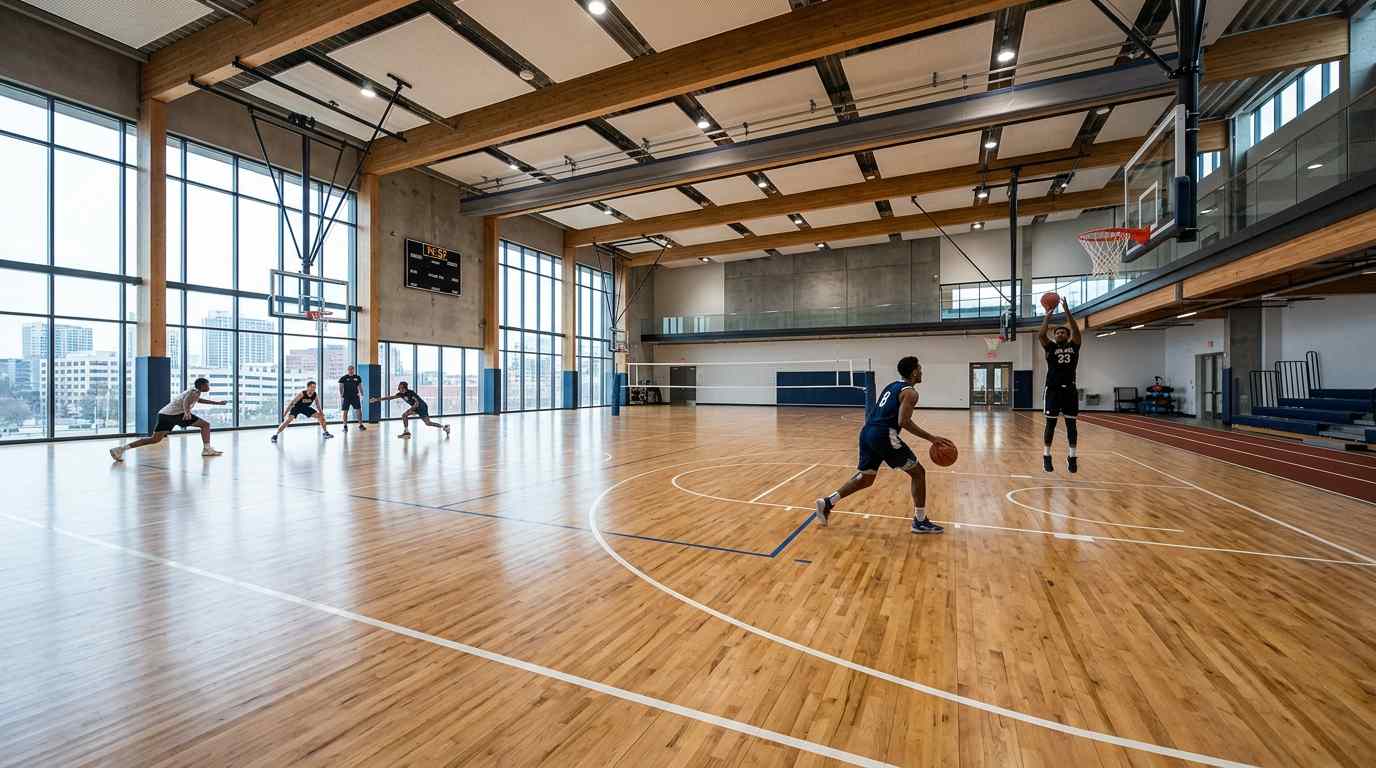
What Is a Wood Gym Floor? Expert Guide for Sports Facilities
The floor is one of the most important elements in an indoor sports facility. It affects how athletes move, stop, jump, land, and change direction. It also influences comfort, maintenance, and the appearance of the venue. For basketball courts, school gyms, training centers, and multipurpose halls, choosing suitable flooring is an important part of the…
-
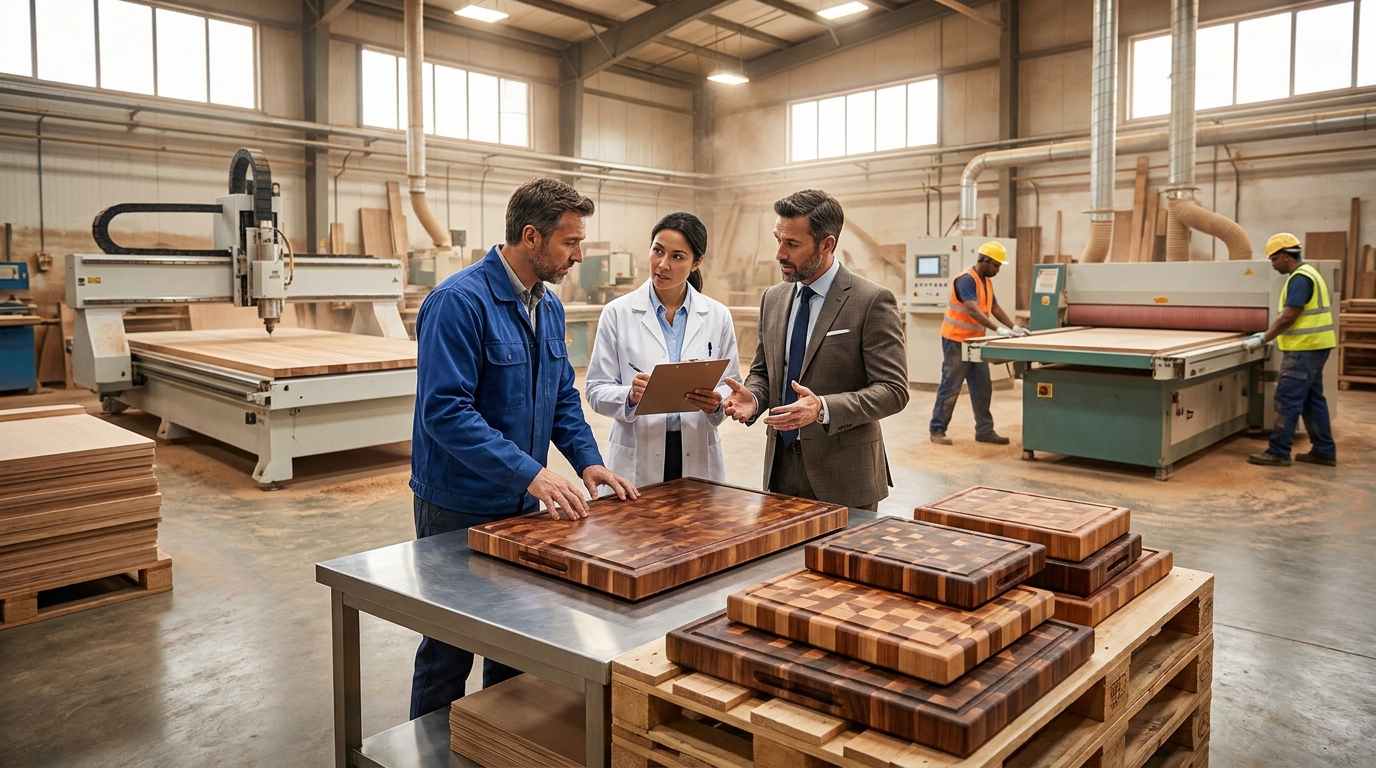
What to Look for in an End Grain Cutting Board Manufacturer
Choosing the right cutting board manufacturer can be more important than it first appears. For retailers, distributors, restaurant suppliers, and kitchenware brands, the manufacturer behind a product directly influences its consistency, appearance, durability, and overall customer experience. A cutting board may look simple, but producing one that performs well requires careful material selection, precise processing,…
-
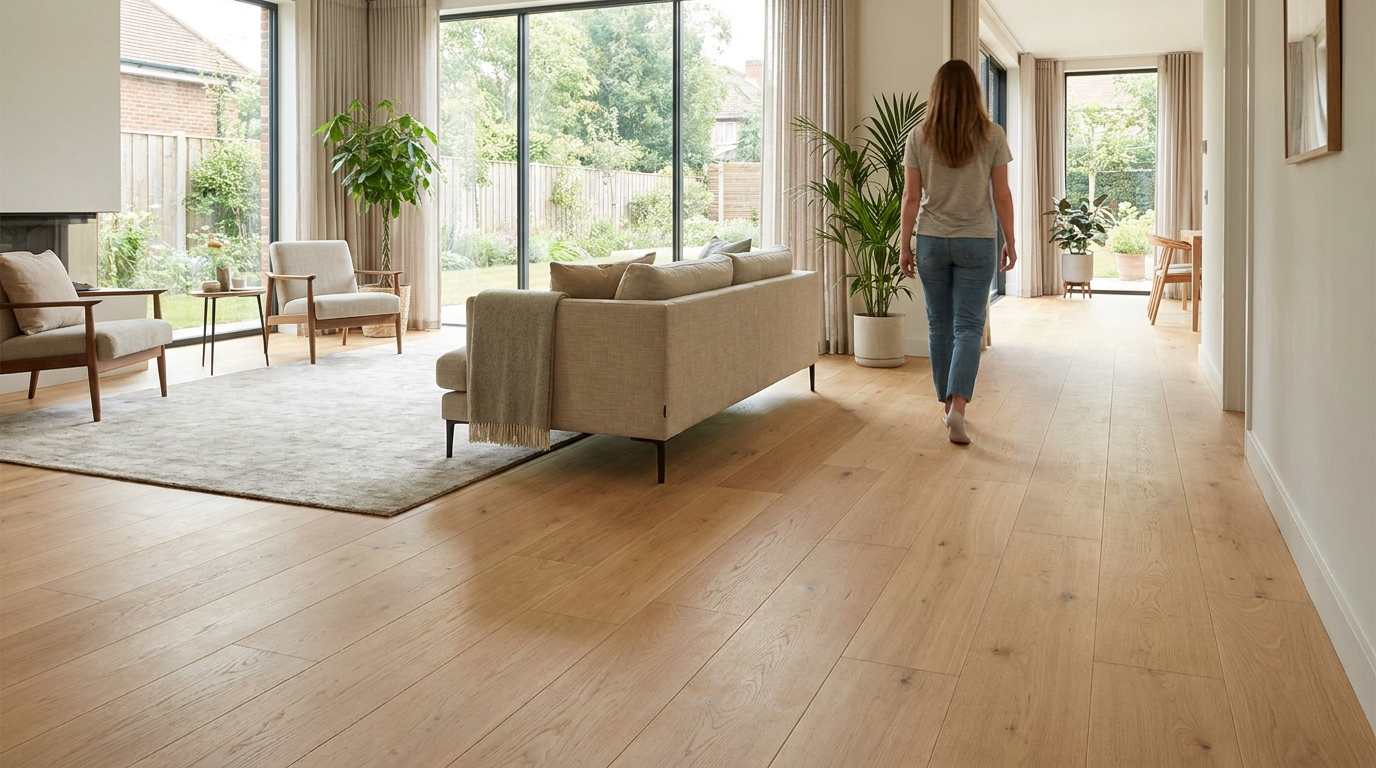
Hevea Engineered Flooring Tips for Better Performance and Longevity
Hevea engineered flooring can bring a warm, natural character to an interior while offering the practical structure needed for everyday use. Made with a real wood surface and engineered construction, this flooring can be a suitable choice for homes, offices, hospitality spaces, and other interiors where appearance and stability both matter. However, good performance does…
- By:PT. Jati Luhur Agung
- Tags: acacia wood, acacia wood properties
- Category: Engineered Wood
- 0 comment