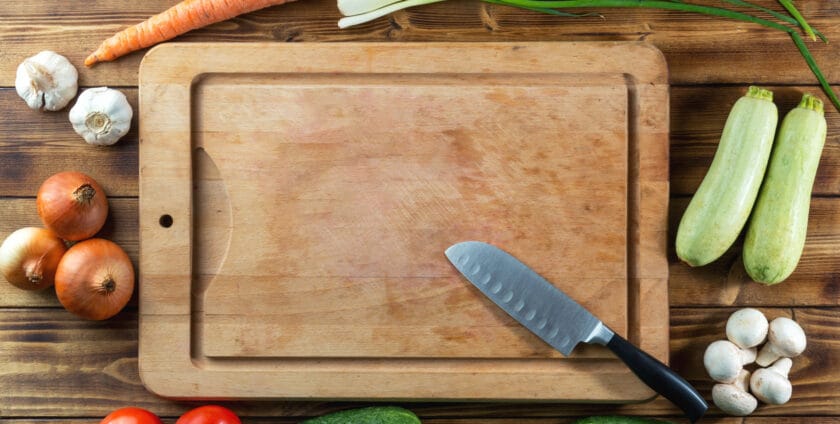
The choice of a natural wood chopping board is the foundation upon which culinary excellence is built. Making it arguably the most fundamental and frequently used tool in a kitchen. Far from being a mere slab to protect the countertop, a quality cutting board is a silent partner in every meal preparation, a stable and reliable base where culinary artistry begins. Yet, its paramount importance is often overlooked, with many home cooks and even some professionals defaulting to plastic or glass alternatives for convenience, driven by misconceptions about maintenance or hygiene.
However, a closer look at the science of food preparation and the economics of long-term use reveals a compelling truth. The best choice for a busy kitchen is the traditional, enduring, and remarkably sophisticated wooden surface. A truly good cutting board does not just provide a stable surface. It actively contributes to a cleaner, safer, and more efficient cooking environment. It is an investment that pays dividends in both hygiene and aesthetic appeal, transforming a utilitarian object into a statement piece.
Then, the exploration of a superior cutting board experience goes beyond simple material selection. It delves into the material’s innate properties. It’s resilience against bacteria, ability to withstand constant knife impact, and visual warmth. The choice of wood elevates the entire food preparation process. Ensuring that the ingredients handled are treated with the respect they deserve, from the first slice to the final chop.
Cutting Boards That Stay Fresh Without Absorbing Food Odors
One of the most immediate and frustrating issues with lower-quality cutting surfaces, particularly plastic, is their propensity to harbor and retain strong food odors. After prepping garlic, onions, or raw fish, a lingering scent can often contaminate subsequent ingredients, subtly compromising the integrity of delicate dishes like fruits or baked goods. This absorption is a direct result of the material’s porous structure and its tendency to develop deep, irreversible grooves from knife cuts.
Natural wood chopping board, in contrast, possesses a remarkable, inherent ability to resist odor retention, especially when maintained correctly with mineral oil. The dense, organic structure of hardwoods like teak or maple, commonly used for high-quality boards, is less prone to trapping volatile organic compounds (VOCs) that cause lingering smells.
More importantly, studies have indicated that wood exhibits natural antimicrobial properties, a concept known as hygroscopicity. Wood absorbs moisture, trapping bacteria within its grain structure. However, as the board dries, the moisture content becomes too low to sustain the trapped microorganisms, effectively eliminating them. This self-cleaning mechanism is a distinct advantage over plastic. Where bacteria can thrive in cut marks and on the surface, regardless of aggressive washing. The surface of a well-oiled natural wood board seals out external moisture and odors. Allowing for a quick wipe-down and maintaining a clean slate for various food types throughout a demanding cooking session. This results in a prep surface that genuinely stays fresh and odor-neutral, ensuring that the flavors of the food remain pure and untainted.
Furthermore, the ability of wood to be meticulously scraped and sanded smooth after heavy use allows for the physical removal of surface imperfections and trapped residues. Something plastic alternatives cannot offer once deep scarring has occurred.
Why Natural Wood Creates a Cleaner, Safer Prep Surface
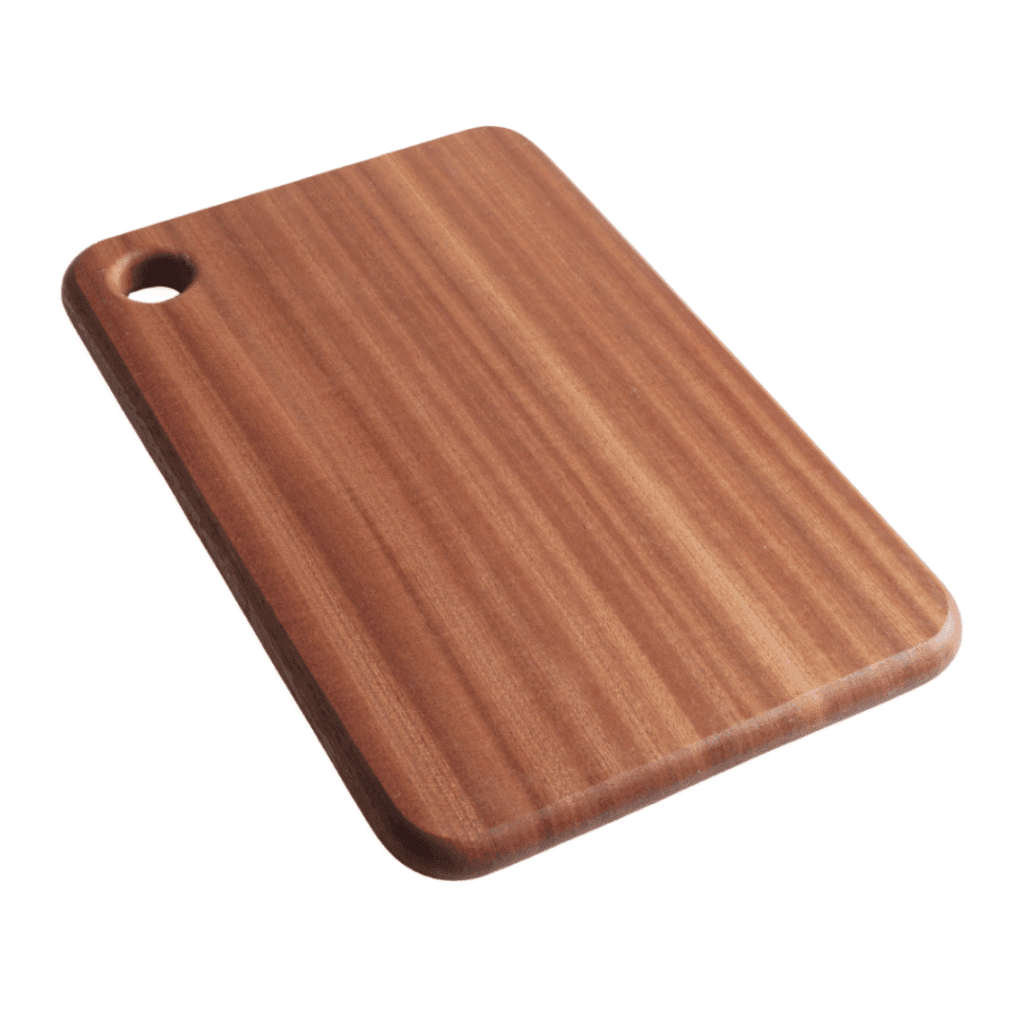
The superior hygiene of a natural wood chopping board extends beyond mere odor control. It is fundamentally linked to surface integrity and interaction with cutting tools. A primary concern in any kitchen is the cross-contamination of food and the harboring of pathogens. While initial impressions might suggest non-porous materials are cleaner, the reality lies in how the surface responds to the impact of a sharp knife.
Plastic boards, while superficially smooth, are soft enough to be deeply scored by knife blades almost immediately. These cuts create microscopic fissures and grooves that are incredibly difficult to clean, even with high-temperature dishwashing. These crevices become ideal, protected havens for moisture and bacteria, enabling colonies to flourish out of reach of ordinary cleaning implements. Over time, plastic boards become breeding grounds for germs, necessitating frequent and expensive replacement.
High-density hardwoods, especially those constructed with the “end-grain” pattern, mitigate this risk significantly. The wood fibers stand vertically, like tiny bristles. When a knife slices down, it passes between these fibers rather than slicing across them. This action causes the fibers to self-heal or knit back together as the blade is withdrawn, resulting in dramatically fewer deep, permanent gashes on the board’s surface. Less scarring means fewer places for moisture and food particles to hide and for bacteria to multiply.
Moreover, the physical safety aspect cannot be overstated. A quality natural wood chopping board provides a heavy. Then, a stable base that grips the countertop, minimizing the dangerous movement that can occur with lighter, thinner materials. This stability is crucial for safe, precise chopping and reducing the risk of accidental cuts. The soft, responsive nature of the wood surface is also markedly kinder to knife edges. Continual chopping on hard materials like glass or certain composites rapidly dulls a blade. Increasing the effort required for cutting paradoxically increases the chance of slippage and injury. The slightly yielding nature of wood preserves the sharpness and integrity of expensive cutlery. Making food preparation both safer and more efficient for the operator.
Durability That Holds Up to Daily Chopping and Heavy Use
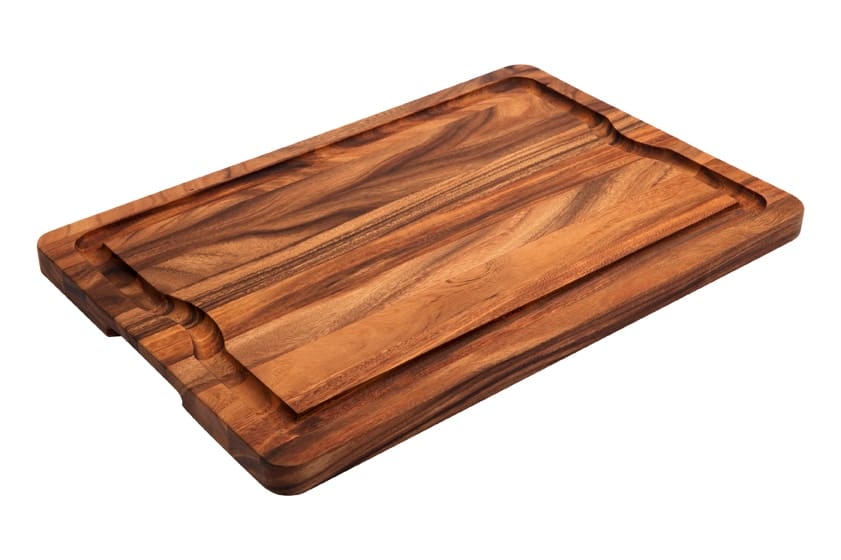
The perception that wood is high-maintenance or fragile is contradicted by the lasting performance of a well-constructed natural wood chopping board. Durability in this context is not merely about surviving a fall. It is about maintaining a usable, hygienic, and aesthetically pleasing surface through years of rigorous use. This longevity is the factor that ultimately makes wood the more cost-effective choice compared to materials that require routine disposal and replacement due to bacterial infestation or excessive scoring.
The engineering of the board significantly contributes to its strength. Two main types exist, edge-grain and end-grain. Edge-grain boards, where the wood strips are laid on their sides, are highly durable and resistant to warping. Making them excellent, robust surfaces for general use. End-grain boards, as noted earlier, are typically thicker and more costly due to the complex construction process. But they offer the ultimate in self-healing capabilities and superior knife preservation. Making them the choice for professional chefs and high-volume kitchens. The vertical fiber orientation effectively absorbs the kinetic energy of chopping, preventing the wood from splitting and the knife from dulling.
Proper maintenance, while essential, is simple and restorative. A regimen of oiling, typically with food-safe mineral oil, saturates the wood fibers, preventing them from drying out, cracking, or absorbing excessive water, which leads to warping. This process not only preserves the board’s structural integrity but also enhances its natural resistance to stains. Unlike materials that accumulate damage, a natural wood chopping board can be periodically rejuvenated.
Surface damage, minor warping, and deep cut marks are easily removed through simple sanding and re-oiling, restoring the surface to a near-new condition. This ability to be restored indefinitely means that a single, high-quality wooden board can last a lifetime. So, it becoming a beloved heirloom rather than disposable waste. This enduring nature contrasts sharply with the finite lifespan of plastic. Whose inevitable deep scarring and unhygienic state mandate disposal.
The engineering of the board significantly contributes to its strength. Two main types exist, edge-grain and end-grain. Edge-grain boards, where the wood strips are laid on their sides, are highly durable and resistant to warping. Making them excellent, robust surfaces for general use. End-grain boards, as noted earlier, are typically thicker and more costly due to the complex construction process. But they offer the ultimate in self-healing capabilities and superior knife preservation. Making them the choice for professional chefs and high-volume kitchens. The vertical fiber orientation effectively absorbs the kinetic energy of chopping, preventing the wood from splitting and the knife from dulling.
Understanding these critical construction differences (edge-grain vs. end-grain) is essential before you make a purchase. The type of wood and construction dictates everything from durability to cost. For a complete overview of wood species, ideal dimensions, and reliable local purchasing tips, read our guide on: How to Choose Best Wood Cutting Board in Indonesia and Where to Buy. Proper maintenance, while essential, is simple and restorative. A regimen of oiling, typically with food-safe mineral oil, saturates the wood fibers, preventing them from drying out, cracking, or absorbing excessive water, which leads to warping.
Timeless Wood Grain Aesthetics That Elevate Any Kitchen
Beyond the measurable qualities of hygiene and durability, the aesthetic contribution of a natural wood chopping board is undeniable. In an era where the kitchen often serves as a primary social space. The presentation of tools and surfaces is integral to the home’s overall design. Plastic boards often introduce an industrial or starkly utilitarian element. Whereas wood inherently introduces warmth, texture, and a sense of artisanal quality.
The variation in grain patterns, colors, and textures across different species of hardwood. From the rich, deep tones of walnut to the light, uniform color of maple or the tropical resilience of teak. Offers a design element that complements virtually any kitchen style.
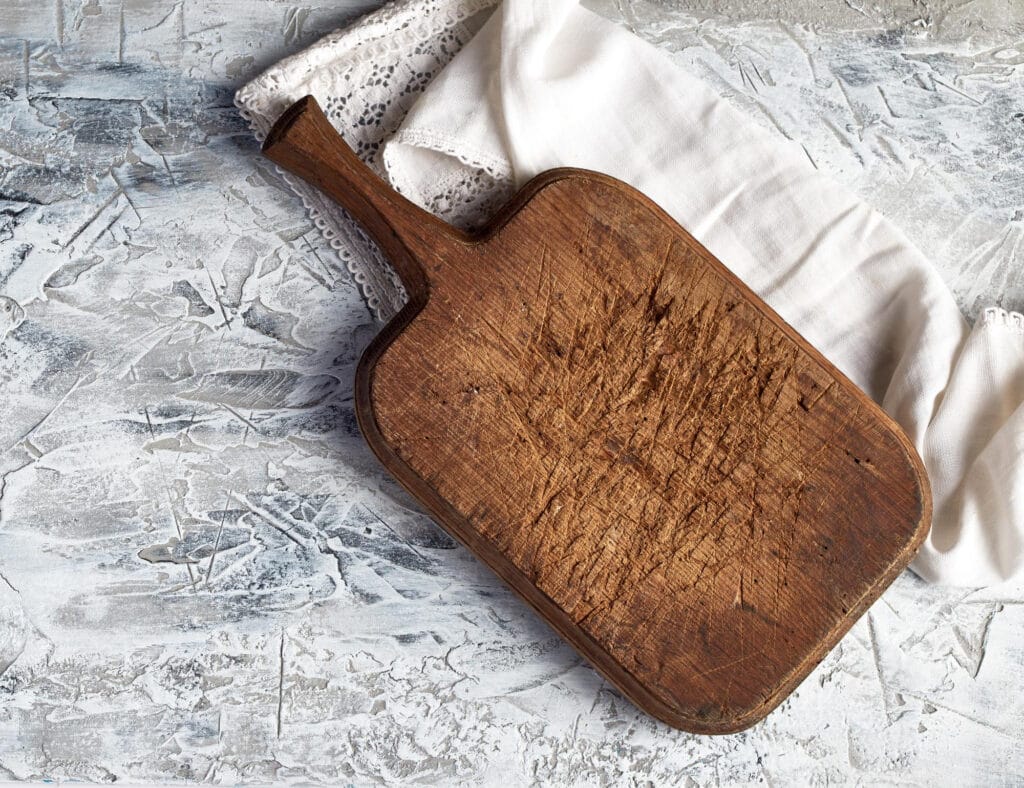
Whether a space is modern and minimalist or rustic and traditional, the organic geometry and natural imperfections of wood provide a grounding, welcoming contrast to sterile stainless steel appliances and hard stone countertops.
Furthermore, a substantial natural wood chopping board can function as a multipurpose centerpiece. It moves effortlessly from a utilitarian cutting surface to an elegant serving platter for charcuterie, cheese, or bread. This dual function minimizes clutter and enhances the fluidity between food preparation and serving. The visual impact is significant, a beautifully oiled, thick block of wood speaks volumes about attention to quality and appreciation for natural materials.
You Might Be Interested: We Tested Natural Wood Chopping Board, What’s Happened?
The sensory experience provided by wood is also a subtle but powerful enhancement to the cooking process. The low, muffled thud of a knife against a dense wood surface is far more satisfying than the sharp, high-pitched clatter against hard alternatives. The smooth, oiled texture is pleasing to the touch. This integration of visual and tactile elements transforms a basic chore into a more enjoyable, holistic, and professional experience. Cementing the board’s place not merely as equipment, but as a treasured component of the culinary environment.
So, using a natural wood chopping board isn’t just about choosing a utensil. It’s about quality, safety, and aesthetics. Natural wood is durable, antibacterial, and visually elegant making it perfect for any kitchen. With simple care, it can last for years and support cleaner, safer cooking. For premium natural wood products, check out to our official website and you will be impressed by their craftsmanship, durability, and trusted quality.
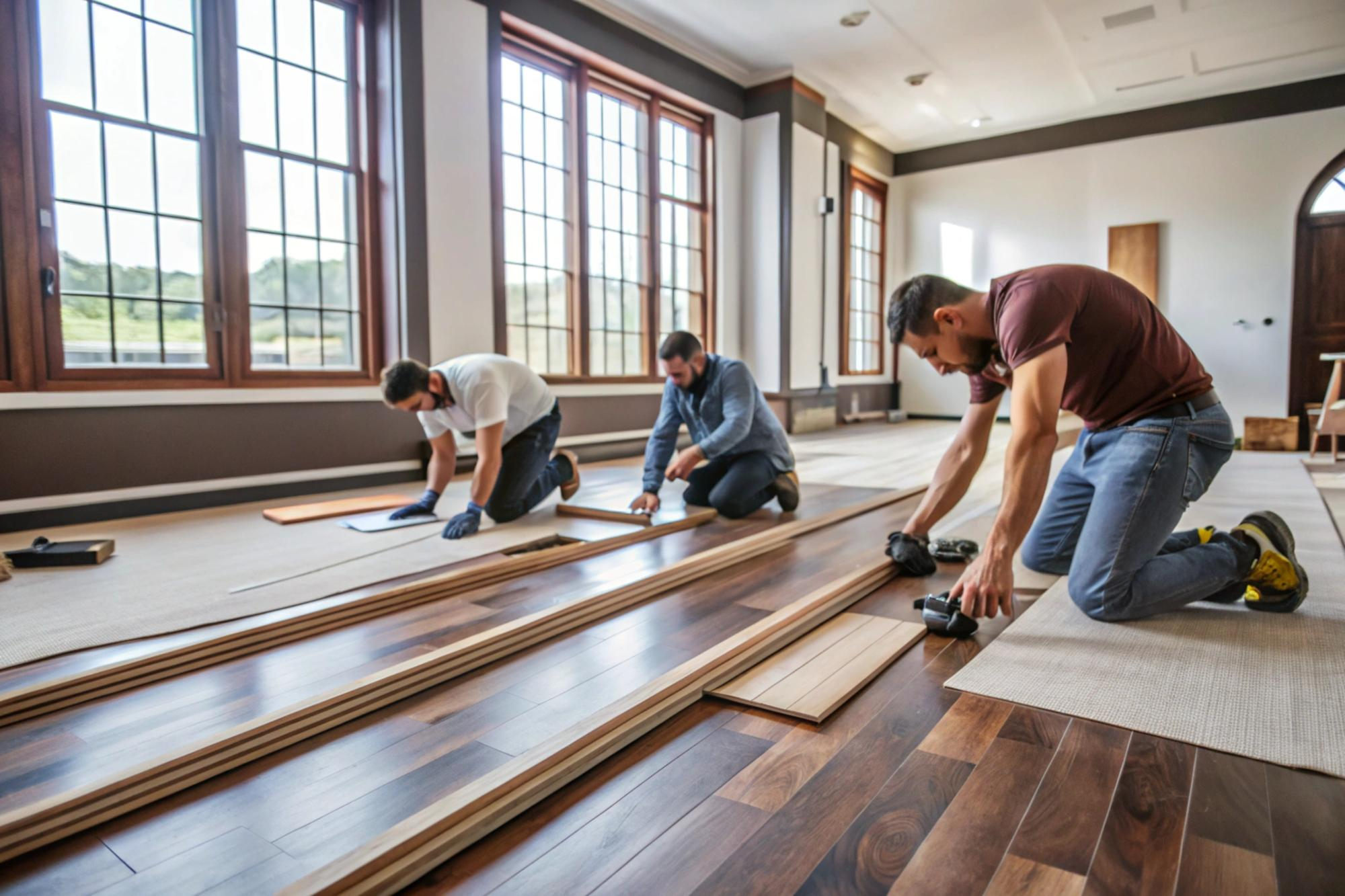
The Performance and Value of Engineered Hardwood Flooring for Your Home
Choosing the right flooring is one of the most significant investments you will make in your home. It’s the literal foundation of your interior design, influencing everything from acoustic quality to property value. For decades, solid wood was the undisputed king, but modern innovation has shifted the spotlight. Homeowners today are increasingly asking, “is engineered…
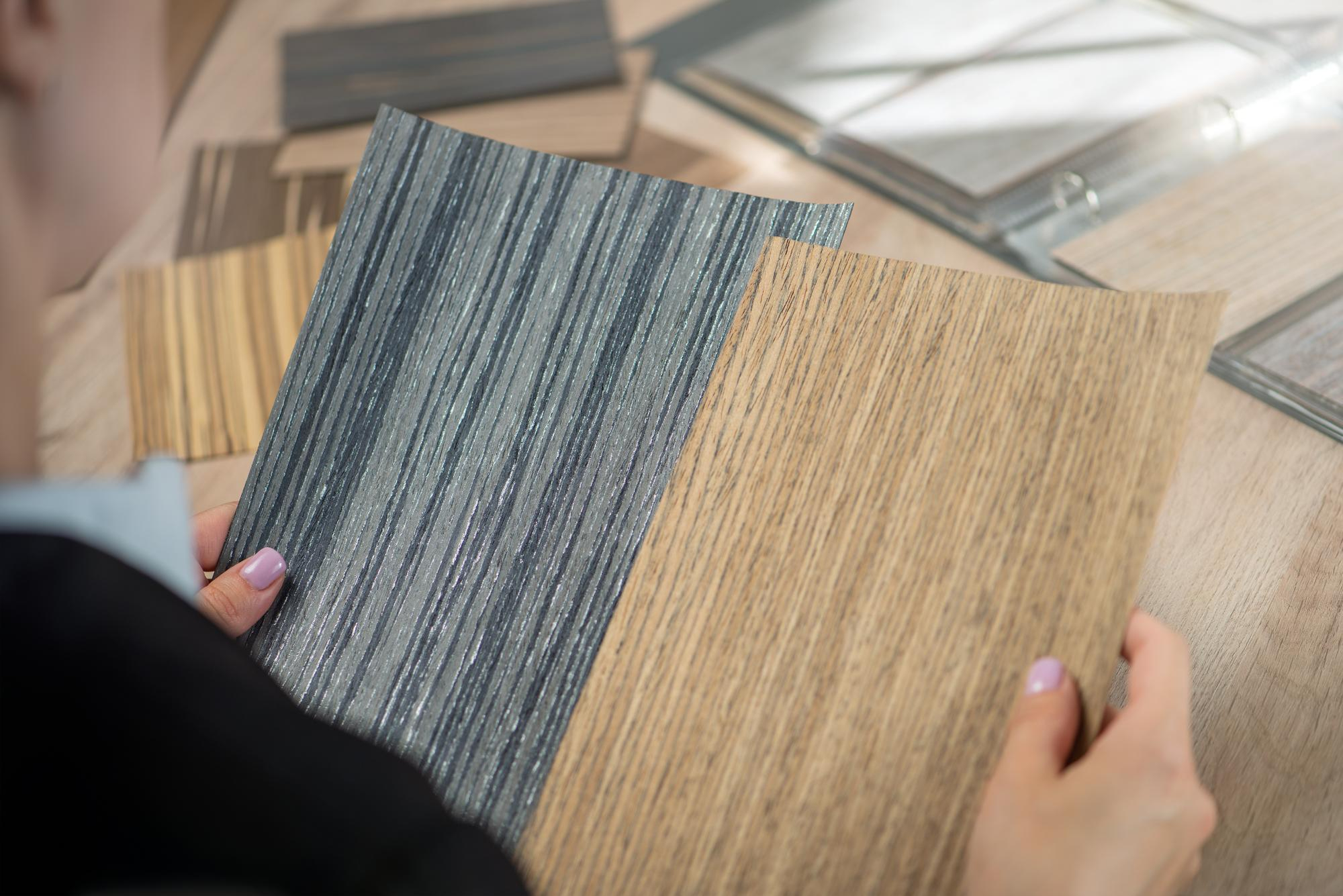
Comparing 3 Ply and Multi Ply Engineered Wood Flooring Performance, Which One Should You Choose?
The world of interior design and architectural engineering often feels like a balance between aesthetic purity and structural pragmatism. When it comes to hardwood flooring, the choice is no longer just about the species of wood or the stain color, it is about the very anatomy of the plank beneath your feet. For decades, solid…
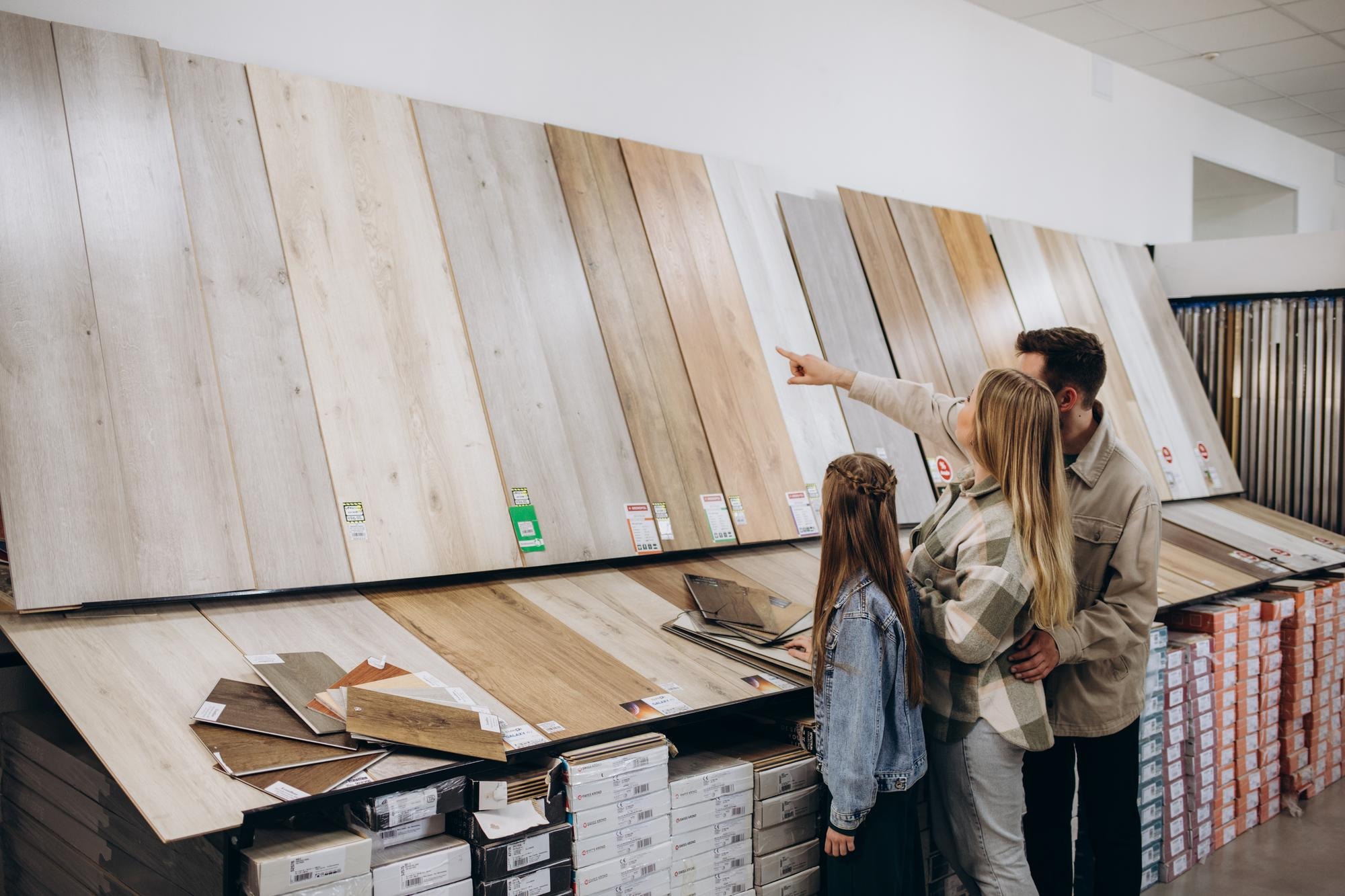
The Complete Guide to Choosing Between Solid and Engineered Wood Floors
Imagine walking into a room where the floor doesn’t just support your furniture, but actually tells a story. There is a specific, undeniable magic in the grain of natural timber, the way it catches the morning light, the warmth it holds under your bare feet, and that faint, earthy scent that makes a house feel…
- By:PT. Jati Luhur Agung
- Tags: chopping board, natural wood chopping board
- Category: Cutting Board
- 0 comment