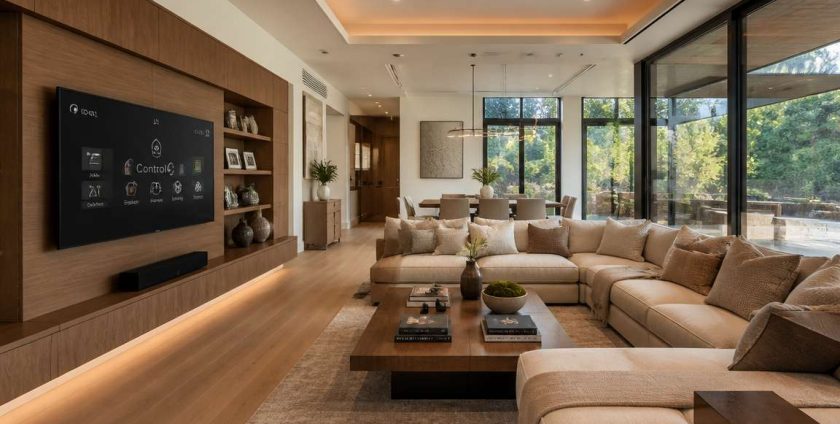
The way people think about their homes continues to evolve. Over the past few years, houses have become more than just places to sleep and store belongings. They now function as offices, wellness retreats, entertainment hubs, and personal sanctuaries. As lifestyles shift, homeowners are becoming more selective about where they invest their renovation budgets. The growing desire for comfort and flexibility has encouraged many people to rethink how every room is used and how their living spaces can better support daily routines.
Looking ahead to 2026, renovation priorities are increasingly focused on comfort, functionality, sustainability, and long-term value. Rather than chasing short-lived design fads, many homeowners are choosing upgrades that improve everyday living while also increasing property appeal. These changes reflect broader lifestyle preferences, including the desire for healthier environments, flexible spaces, energy efficiency, and timeless aesthetics. At the same time, rising awareness of property value has led homeowners to prioritize renovations that offer both immediate benefits and lasting returns.
Industry experts predict that several home renovation trends will dominate renovation projects throughout 2026. From wellness-centered interiors to smart home technology and sustainable materials, these upgrades are shaping the future of residential design. Many of these investments are driven by a desire to create homes that feel more personalized, adaptable, and resilient in the years ahead. Understanding these emerging preferences can help homeowners make informed decisions when planning their next remodeling project.
Wellness-Inspired Living Spaces
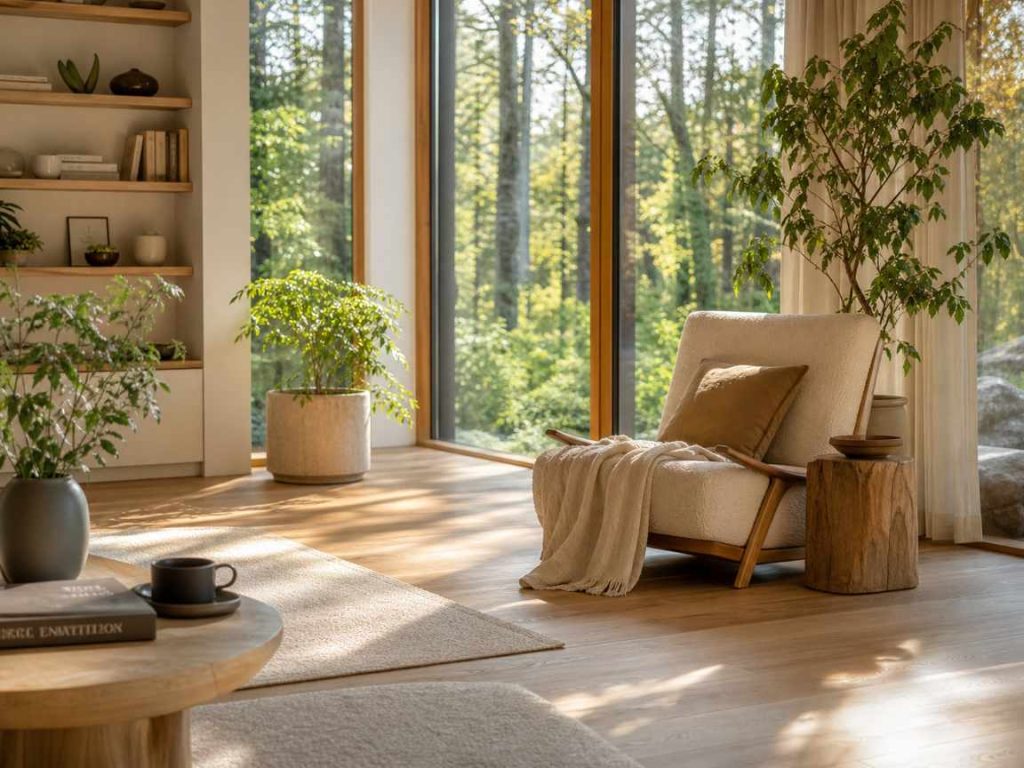
One of the most significant home renovation trends for 2026 is the growing focus on wellness-oriented design. Homeowners increasingly recognize the connection between their physical environment and overall well-being. As a result, renovations are being planned with health, relaxation, and mental comfort in mind.
Natural light remains a top priority. Larger windows, skylights, and open layouts help maximize daylight exposure, creating brighter and more uplifting interiors. Studies have consistently shown that natural light can improve mood, productivity, and sleep quality, making it a valuable design feature.
Indoor air quality is another major consideration. Renovation projects now often include improved ventilation systems, air purification technologies, and low-VOC materials that reduce indoor pollutants. Homeowners are also introducing more greenery into their interiors through indoor plants and living walls, which contribute to a healthier atmosphere.
Dedicated wellness spaces are becoming increasingly common as well. Meditation rooms, yoga studios, spa-inspired bathrooms, and quiet reading corners are being incorporated into renovation plans. These personalized retreats provide opportunities to relax and recharge without leaving home.
Biophilic design principles continue to influence interior upgrades. Natural textures, wood finishes, stone surfaces, and organic color palettes help create calming environments that strengthen the connection between indoor and outdoor living. This wellness-focused approach is expected to remain one of the strongest home renovation trends in the coming years.
Smarter and More Efficient Homes
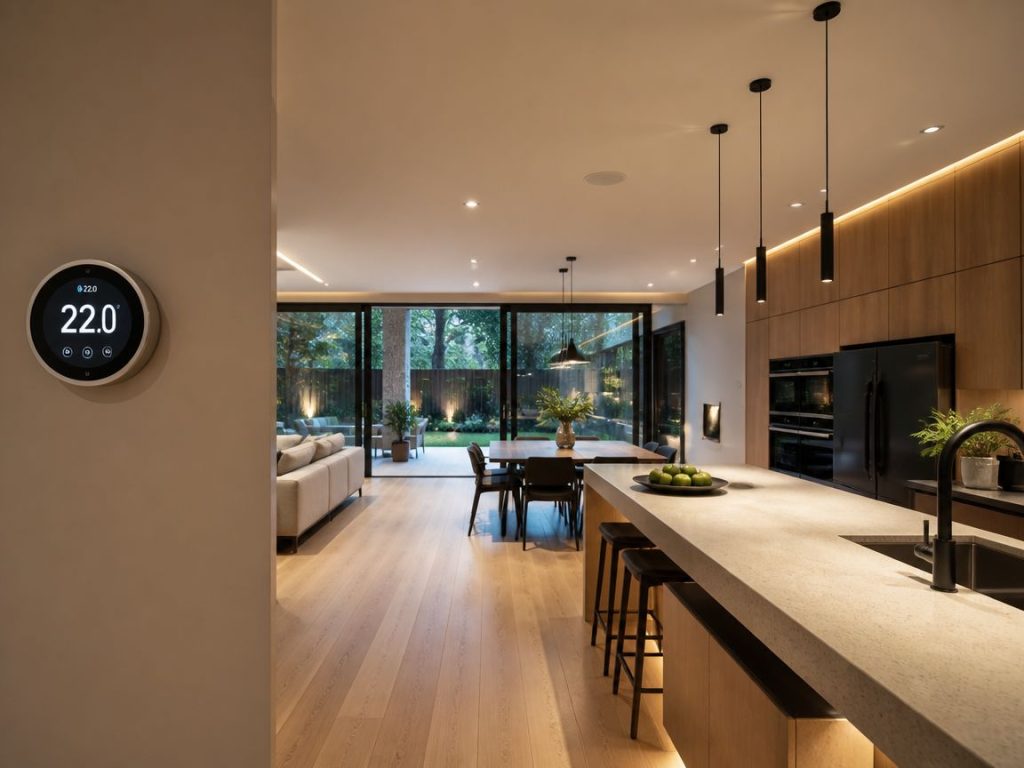
Technology continues to transform modern living, making smart home integration one of the fastest-growing home renovation trends for 2026. Homeowners are seeking solutions that simplify daily routines while improving energy efficiency and security.
Smart lighting systems have become increasingly sophisticated. Residents can now control brightness levels, color temperatures, and schedules directly from mobile devices or voice assistants. These systems help reduce energy consumption while enhancing convenience.
Energy-efficient climate control technologies are also receiving significant attention. Smart thermostats learn household habits and automatically adjust temperatures to optimize comfort and reduce utility costs. Combined with upgraded insulation and high-performance windows, these systems contribute to lower energy bills throughout the year.
Home security remains another key investment area. Video doorbells, smart locks, surveillance systems, and integrated security platforms provide greater peace of mind and allow homeowners to monitor their properties remotely.
Kitchen renovations are increasingly incorporating intelligent appliances. Refrigerators with inventory tracking, touchless faucets, and connected cooking systems streamline daily activities while adding modern functionality.
For homeowners planning extensive renovations, selecting high-quality building materials remains equally important. Reliable timber products contribute to both aesthetics and durability, ensuring renovations deliver lasting value. Companies such as Jati Luhur Agung offer premium wood solutions suitable for flooring, wall panels, doors, and various interior applications. Through their website at jla.co.id, homeowners, designers, and contractors can explore carefully selected timber products that combine natural beauty, structural integrity, and long-term performance. Investing in quality materials alongside smart technology helps create homes that remain functional, attractive, and valuable for many years.
As technology continues to advance, integrating smart systems into renovation projects is becoming less of a luxury and more of a standard expectation among modern homeowners.
The Return of Warm and Inviting Interiors
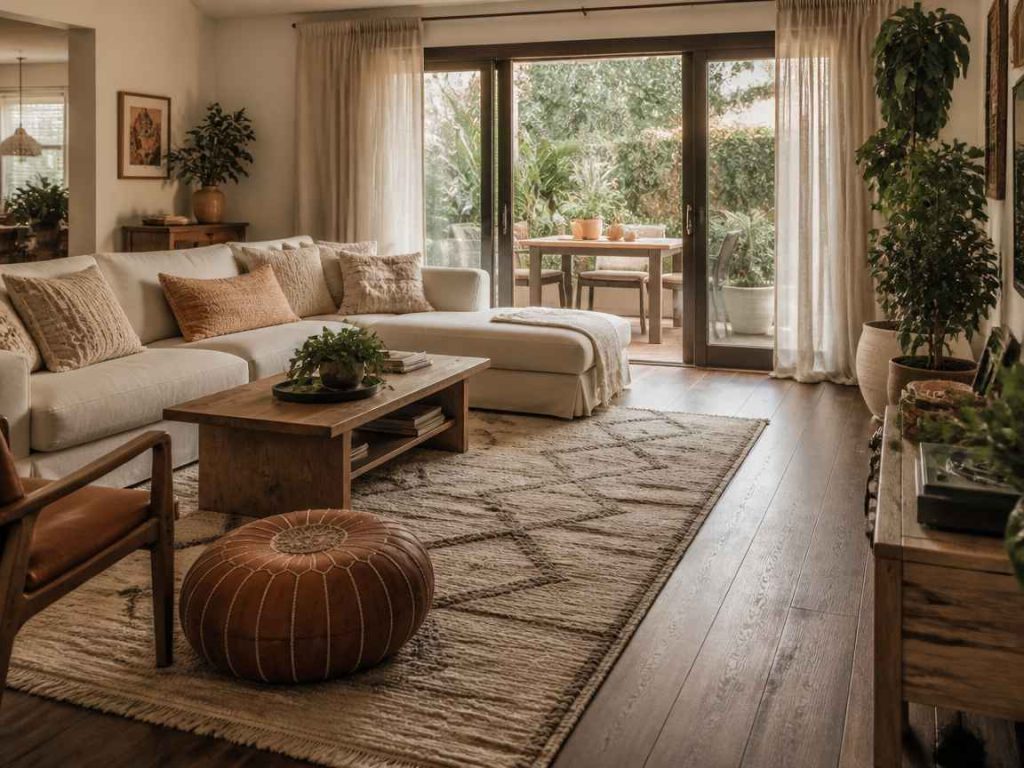
For several years, minimalist interiors dominated residential design. While clean lines and neutral palettes remain popular, homeowners are increasingly embracing warmer and more welcoming spaces. This shift represents one of the most noticeable home renovation trends emerging for 2026.
Cool gray color schemes are gradually giving way to warmer earth tones. Shades such as beige, taupe, terracotta, caramel, and soft browns create interiors that feel more comfortable and personal. These colors contribute to a sense of coziness while maintaining a timeless appeal.
Natural wood finishes are also making a strong comeback. Whether used for flooring, cabinetry, wall treatments, or furniture, wood introduces warmth and texture that synthetic materials often struggle to replicate. Rich wood grains help create depth and visual interest throughout the home.
Textured materials are becoming increasingly popular as homeowners seek more character in their interiors. Limewash walls, woven fabrics, handcrafted tiles, and natural stone surfaces add tactile appeal while enhancing authenticity.
Comfort-driven design is influencing furniture choices as well. Oversized seating, plush fabrics, curved silhouettes, and layered textiles create inviting living environments that encourage relaxation and social interaction.
Rather than pursuing perfectly curated interiors, many homeowners now prioritize spaces that feel lived-in and meaningful. Personal collections, family heirlooms, artisan-made pieces, and locally sourced décor contribute to more individualized and welcoming homes.
This renewed appreciation for warmth reflects a broader desire for comfort and emotional connection within residential spaces.
Hidden Storage and Multifunctional Design
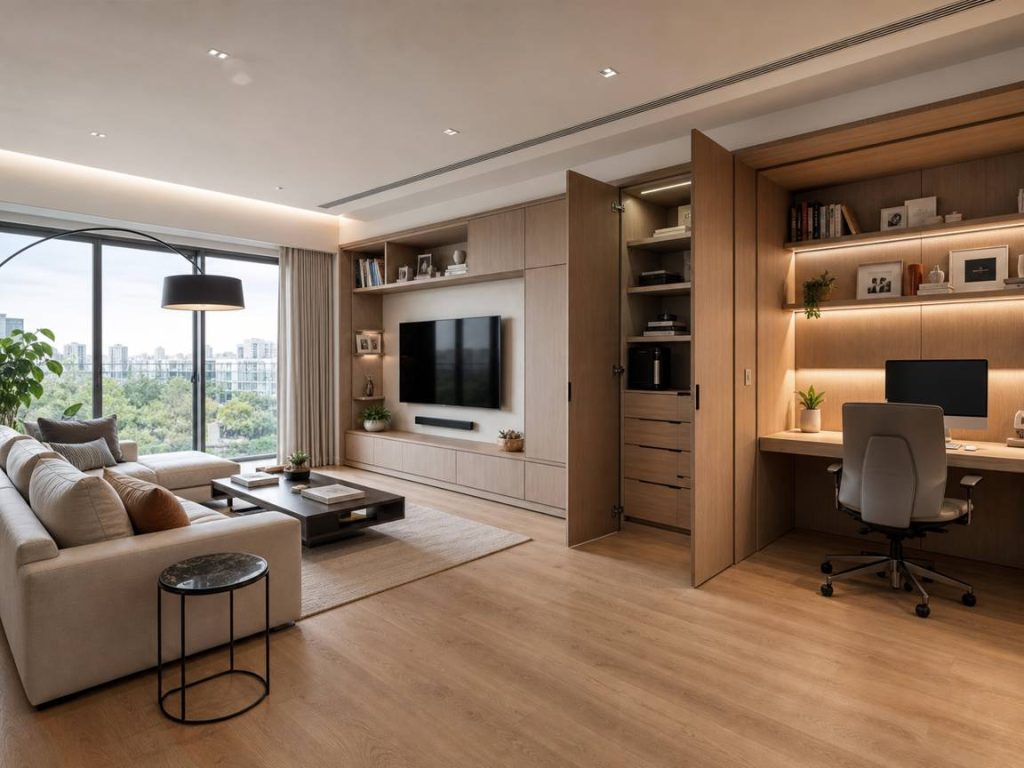
As urban living continues to evolve and property prices remain high in many regions, maximizing available space has become increasingly important. Consequently, hidden storage solutions and multifunctional layouts rank among the most practical home renovation trends for 2026.
Homeowners are seeking ways to reduce clutter without sacrificing aesthetics. Built-in cabinetry, concealed storage compartments, under-stair storage systems, and custom shelving help maintain organized interiors while preserving visual simplicity.
Kitchen renovations frequently include innovative storage upgrades. Pull-out pantry systems, hidden appliance garages, corner storage mechanisms, and integrated drawer organizers improve functionality without increasing the room’s footprint.
Bedrooms are also benefiting from smarter storage solutions. Platform beds with built-in drawers, custom wardrobes, and multifunctional furniture help optimize space while maintaining comfort and style.
The growing popularity of hybrid work arrangements continues to influence renovation decisions. Many homeowners require spaces that can serve multiple purposes throughout the day. Guest rooms are being transformed into home offices, while dining areas are doubling as workstations.
Flexible room dividers, sliding panels, and modular furniture systems allow spaces to adapt quickly to changing needs. This versatility is particularly valuable in smaller homes where every square meter must be used efficiently.
Multifunctional design is not simply about saving space. It also improves usability and supports evolving lifestyles, making homes more adaptable over time.
Sustainable Materials with Lasting Value
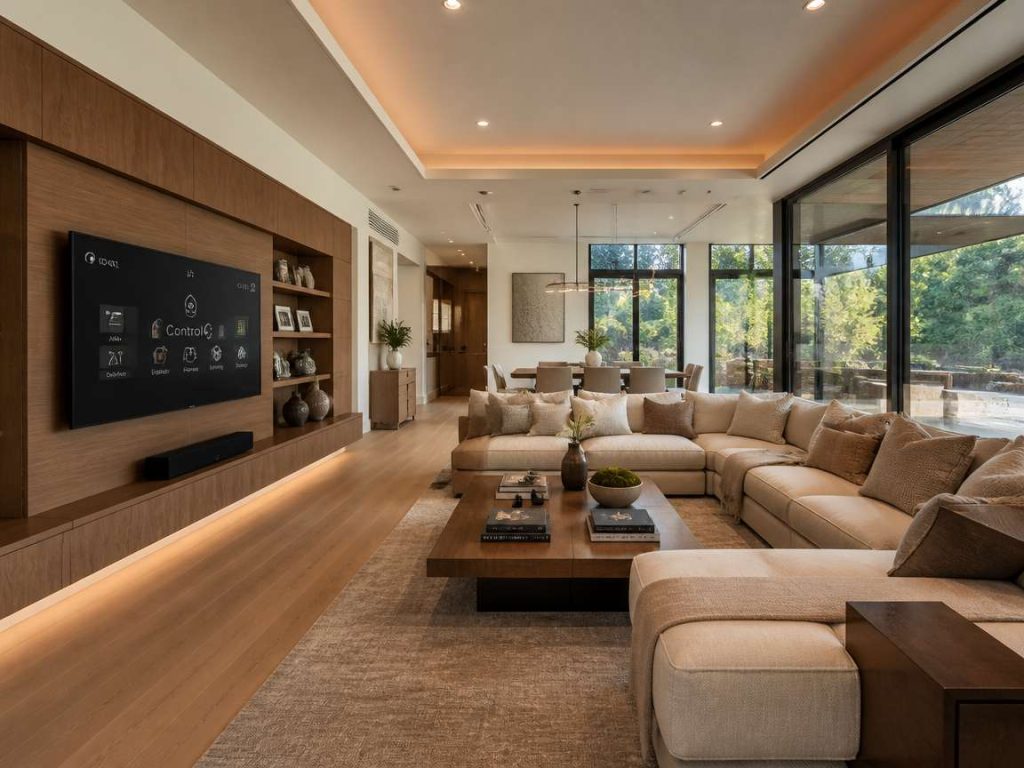
Environmental responsibility remains a major influence on renovation decisions. More homeowners are evaluating materials not only based on appearance and cost but also on their environmental impact and long-term durability.
This emphasis on sustainability has become one of the defining home renovation trends shaping residential projects for 2026. Rather than choosing materials that require frequent replacement, homeowners are investing in products that offer longevity and reduced maintenance requirements.
Wood sourced from responsibly managed forests continues to gain popularity. When properly selected and maintained, timber products can provide decades of performance while contributing to a warm and natural aesthetic.
Reclaimed materials are also attracting attention. Reclaimed wood, recycled metal, and repurposed architectural elements help reduce waste while adding unique character to renovated spaces. Each piece carries its own history, creating distinctive interiors that cannot be replicated by mass-produced alternatives.
Energy-efficient windows, insulation systems, and roofing materials contribute to sustainability goals while reducing operational costs. Although these upgrades may require higher upfront investments, they often generate significant savings over time.
Water conservation is another growing priority. Renovations increasingly incorporate low-flow fixtures, efficient irrigation systems, and water-saving technologies that reduce resource consumption without compromising performance.
Durability remains a crucial aspect of sustainable design. Products that withstand wear and require fewer replacements ultimately reduce material waste and long-term expenses. As a result, homeowners are focusing on quality craftsmanship and dependable materials that continue performing well for many years.
The popularity of sustainable renovation practices is expected to grow as environmental awareness increases and homeowners seek smarter ways to protect both their investments and the planet. By embracing wellness-focused environments, smart technologies, warm interiors, multifunctional spaces, and sustainable materials, homeowners can align their projects with the most influential home renovation trends shaping 2026 while creating spaces that deliver comfort, efficiency, beauty, and lasting value for the future. The strongest home renovation trends are no longer just about appearance—they are about improving how people live every day, making each renovation decision more meaningful and rewarding in the long run.
-
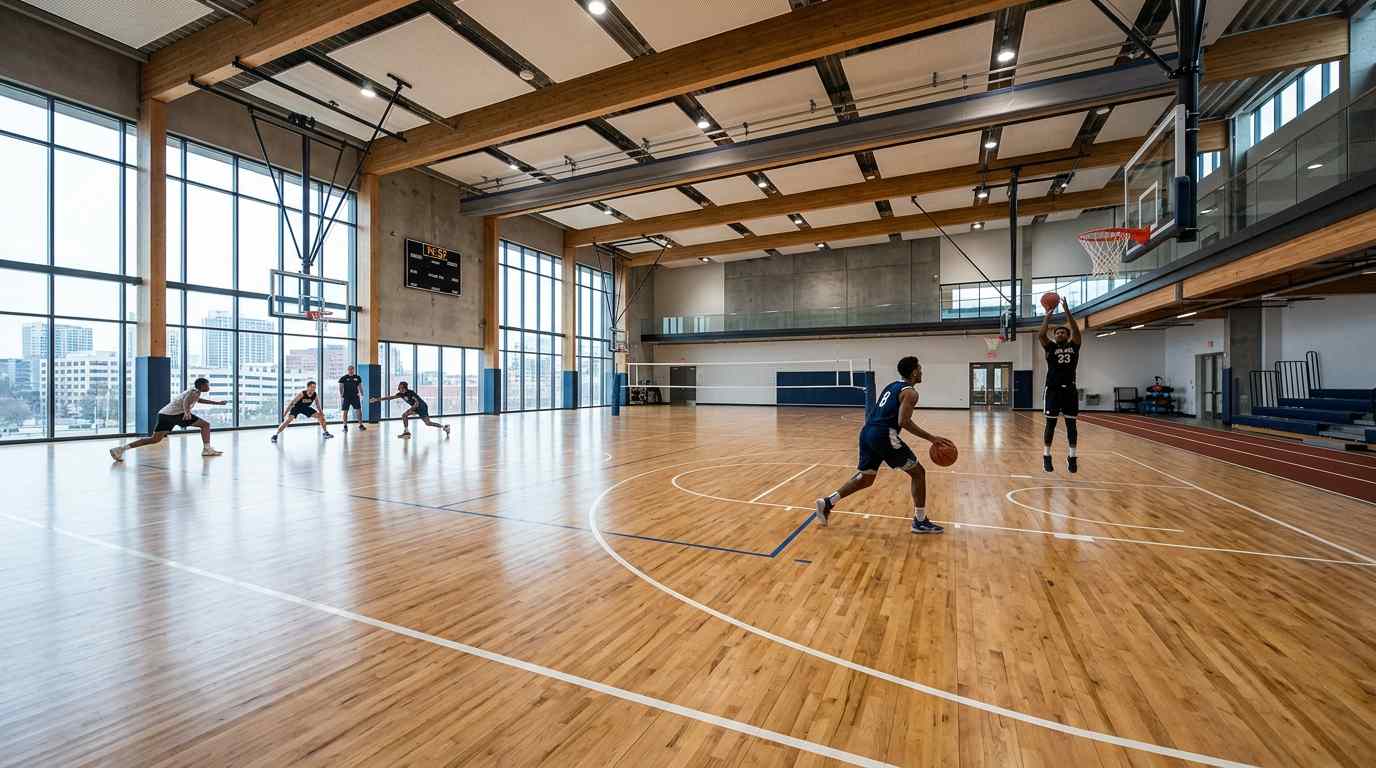
What Is a Wood Gym Floor? Expert Guide for Sports Facilities
The floor is one of the most important elements in an indoor sports facility. It affects how athletes move, stop, jump, land, and change direction. It also influences comfort, maintenance, and the appearance of the venue. For basketball courts, school gyms, training centers, and multipurpose halls, choosing suitable flooring is an important part of the…
-
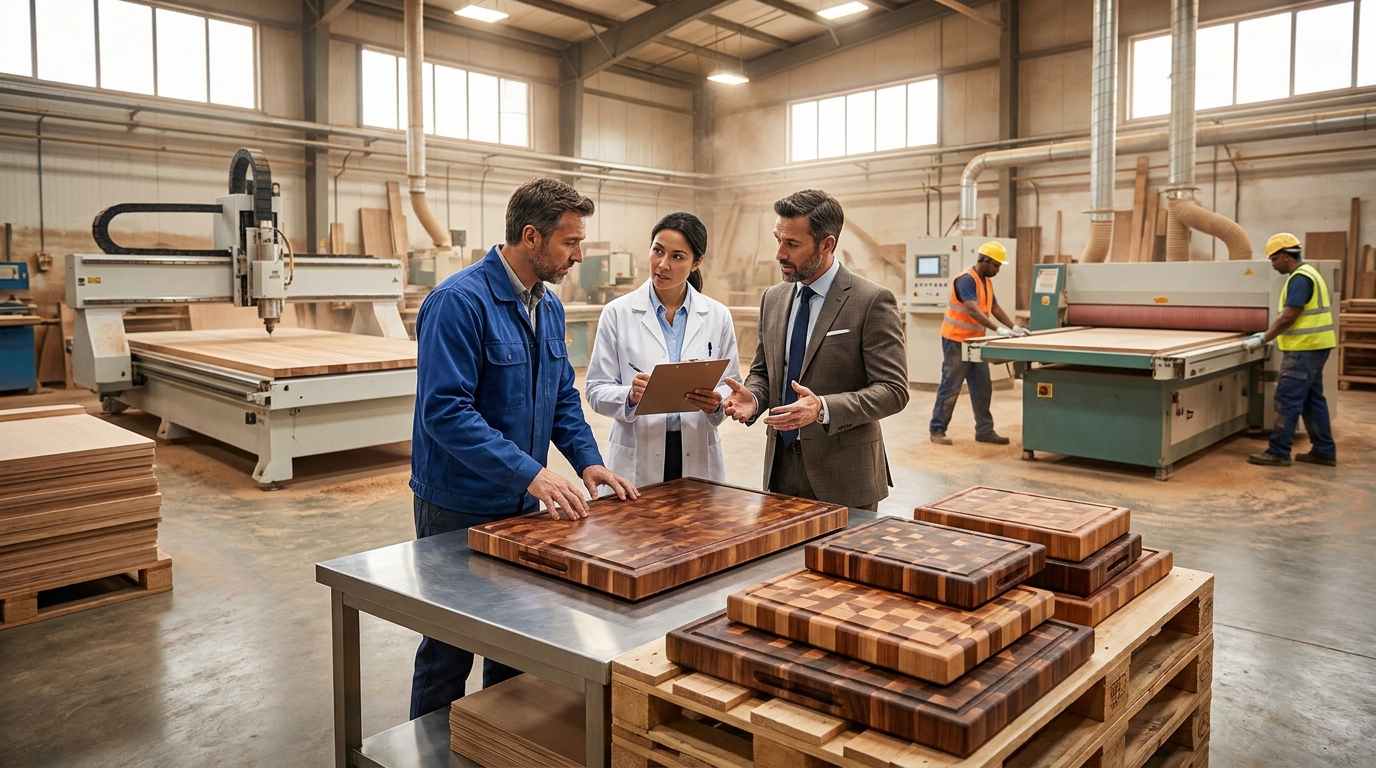
What to Look for in an End Grain Cutting Board Manufacturer
Choosing the right cutting board manufacturer can be more important than it first appears. For retailers, distributors, restaurant suppliers, and kitchenware brands, the manufacturer behind a product directly influences its consistency, appearance, durability, and overall customer experience. A cutting board may look simple, but producing one that performs well requires careful material selection, precise processing,…
-
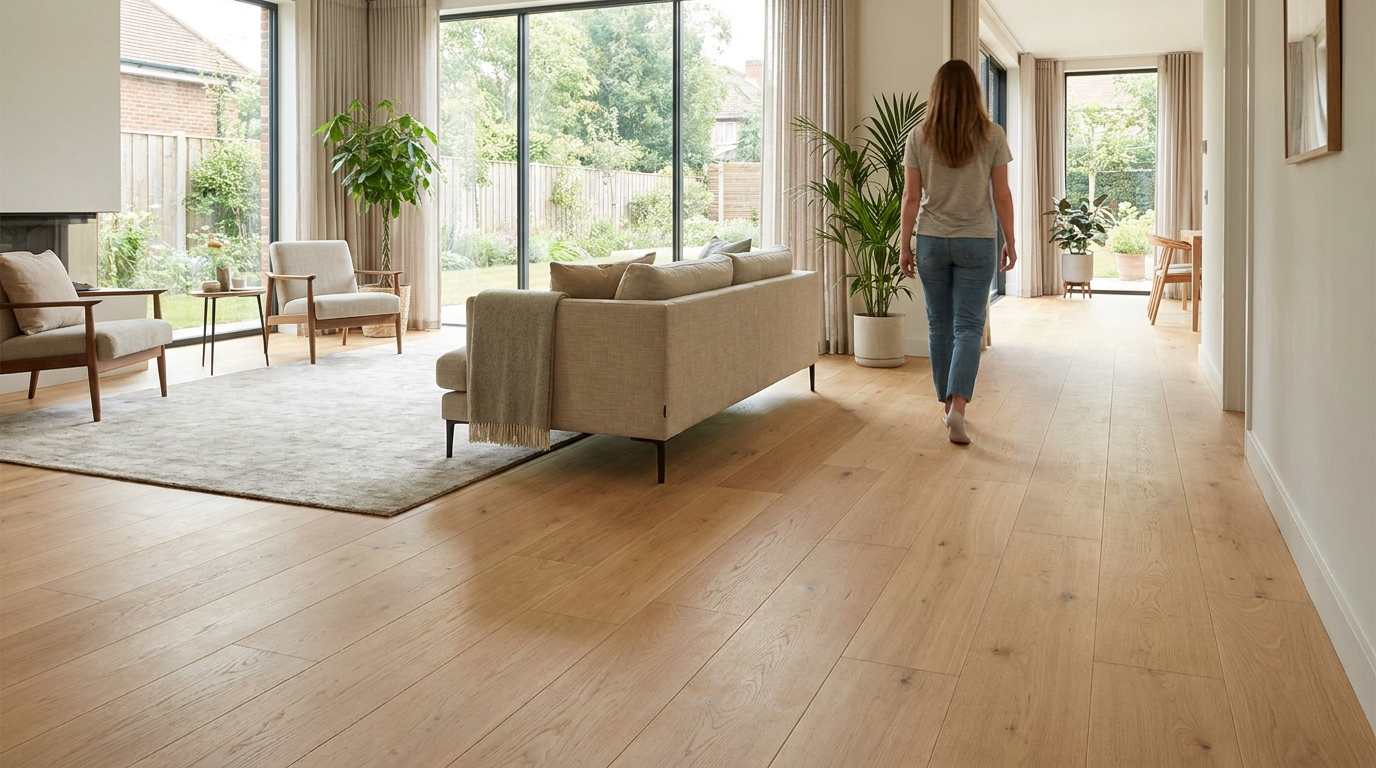
Hevea Engineered Flooring Tips for Better Performance and Longevity
Hevea engineered flooring can bring a warm, natural character to an interior while offering the practical structure needed for everyday use. Made with a real wood surface and engineered construction, this flooring can be a suitable choice for homes, offices, hospitality spaces, and other interiors where appearance and stability both matter. However, good performance does…
- By:PT. Jati Luhur Agung
- Tags: home renovation, home renovation trends, trend wood
- Category: Wood Flooring
- 0 comment