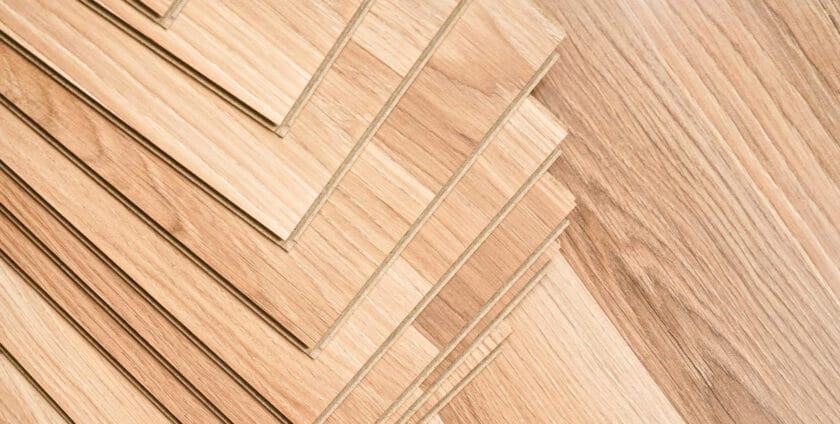
Choosing the right flooring is a long-term investment that influences comfort, aesthetics, and the overall character of a space. Floors are not just surfaces to walk on; they define how a room feels when entered, how sound moves within the space, and how an interior evolves as time passes. A well-chosen floor can enhance daily comfort, create visual harmony, and support the functionality of a room without demanding constant maintenance.
Among modern flooring options, hardwood veneer flooring has become increasingly popular for those who want the authentic look of natural wood combined with engineered stability. Its refined appearance brings warmth and texture into interiors, while its construction allows it to adapt more easily to changing environmental conditions. This combination makes hardwood veneer flooring suitable for a wide range of spaces, from private homes to professional environments.
While many buyers are initially drawn to its elegant surface, fewer truly understand what allows hardwood veneer flooring to perform reliably over the years. Factors such as production methods, layered structure, and material quality directly affect durability and comfort. Understanding how these elements work together helps buyers avoid decisions based solely on appearance.
With the right knowledge, hardwood veneer flooring becomes more than a design choice. It transforms into a dependable and visually timeless foundation that supports both residential and commercial interiors, offering lasting value that extends well beyond initial installation.
How Hardwood Veneer Flooring Is Made
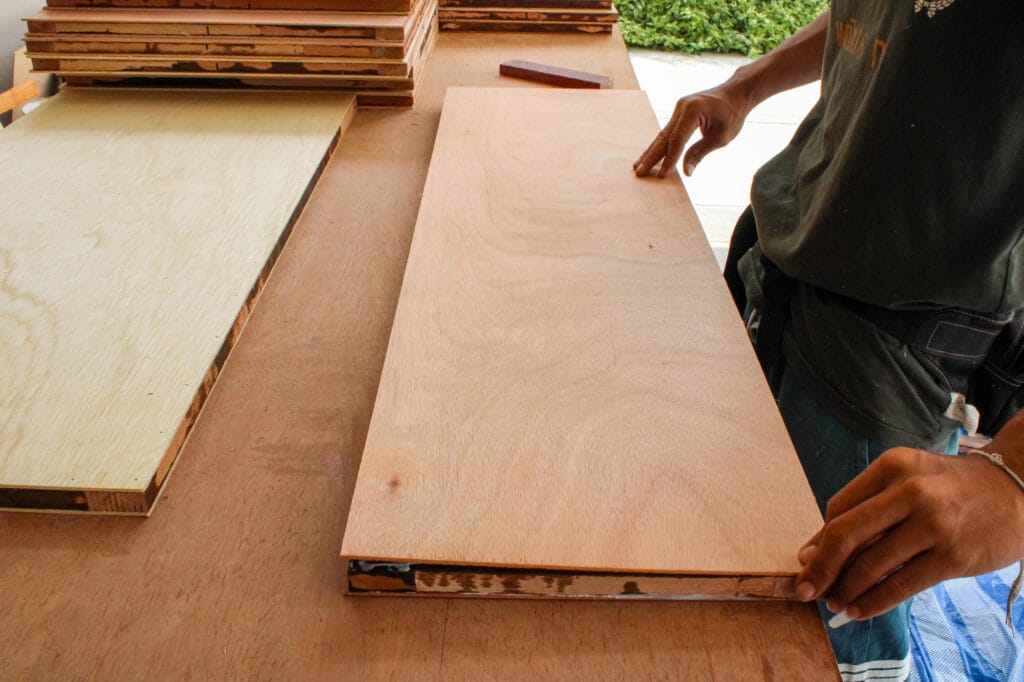
Understanding the manufacturing process is essential to appreciating the value of hardwood veneer flooring. Unlike solid hardwood flooring, which is cut from a single piece of timber, veneer flooring is engineered using multiple layers designed to improve stability and performance. This approach allows manufacturers to control movement, strength, and consistency while preserving the natural beauty of real wood.
The process begins with carefully selected hardwood logs sourced for their grain quality and structural integrity. These logs are sliced into thin veneer sheets using precision cutting techniques rather than traditional sawing.
This method preserves the natural grain and texture of the wood while maximizing material efficiency. The way a log is sliced directly influences the visual character of the finished surface, affecting grain flow, pattern clarity, and overall depth.
Each veneer sheet then undergoes detailed inspection. Grain consistency, color balance, and natural imperfections are evaluated to ensure the surface meets quality standards. Moisture balance is especially critical at this stage. Veneer sheets must be properly dried to achieve a stable moisture content before assembly. If this step is rushed or overlooked, internal stress may develop, leading to surface tension problems that affect the long-term durability of hardwood veneer flooring.
Once the veneer is prepared, it is bonded to a multi-layered engineered core, commonly constructed from plywood or high-density wood panels. These core layers are arranged with alternating grain directions to counteract natural expansion and contraction. Advanced high-pressure bonding systems ensure strong adhesion between layers, creating a unified structure that resists separation and warping.
What You Need to Know: What are Engineered Hardwood Planks for Flooring?
In many premium products, additional balancing layers are added beneath the core to further stabilize the board. After pressing, the boards are carefully sanded, precision-cut, and prepared for finishing. This layered construction is the reason hardwood veneer flooring delivers more consistent performance than solid wood, especially in environments where temperature and humidity fluctuate throughout the year.
Thickness, Layers & Dimensions Explained
Thickness is one of the most important factors influencing the performance and longevity of hardwood veneer flooring. A common misconception is that veneer flooring is thin or fragile, but well-engineered products are designed to withstand daily use while maintaining long-term stability. The overall thickness of the board directly affects durability, comfort, and how the floor responds to environmental changes.
Most hardwood veneer flooring ranges between 10 mm and 15 mm in total thickness. Within this structure, the top veneer layer typically measures between 2 mm and 4 mm. This surface layer plays a critical role in both appearance and lifespan.
A thicker veneer allows for light sanding and surface renewal, helping extend the usable life of the floor without compromising its natural wood character. This feature is especially valuable in spaces that experience consistent foot traffic.
Beneath the veneer, multiple engineered layers provide structural reinforcement. These layers are arranged in a cross-grain configuration to counteract natural wood movement. By reducing expansion and contraction caused by humidity fluctuations, hardwood veneer flooring remains dimensionally stable throughout seasonal changes. This stability makes it suitable for various settings, including upper floors, apartments, and spaces where solid wood may be less predictable.
Thickness also influences how the floor feels underfoot. Thicker boards tend to offer a more substantial, grounded feel, contributing to overall comfort. Sound absorption is another benefit, as denser cores help minimize noise transfer between levels. Core density also improves resistance to indentation from furniture legs, rolling chairs, and frequent foot traffic.
Board dimensions further affect both aesthetics and installation flexibility. Wider planks create a modern, spacious impression, while narrower boards align well with traditional interior styles. Longer boards reduce the number of joints, resulting in a cleaner and more continuous visual flow. Installation methods—such as floating, glue-down, or click systems—are often influenced by plank size, allowing hardwood veneer flooring to adapt easily to renovation and new-build projects alike.
Appearance, Finish & Wood Grain
One of the main reasons buyers choose hardwood veneer flooring is its authentic visual appeal. Because the surface layer is made from real wood, it captures natural grain patterns, organic textures, and subtle tonal variations that cannot be fully replicated by synthetic materials. This authenticity brings warmth and depth into a space, creating interiors that feel inviting and visually balanced.
The way the veneer is cut plays a significant role in shaping the final look of the floor. Flat-sawn veneers highlight bold, flowing grain patterns that add character and movement, making them ideal for spaces that embrace a natural or rustic aesthetic.
In contrast, quarter-sawn and rift-sawn veneers produce straighter, more consistent grain lines, offering a refined and structured appearance. These variations allow hardwood veneer flooring to adapt seamlessly to different interior styles, from classic to contemporary.
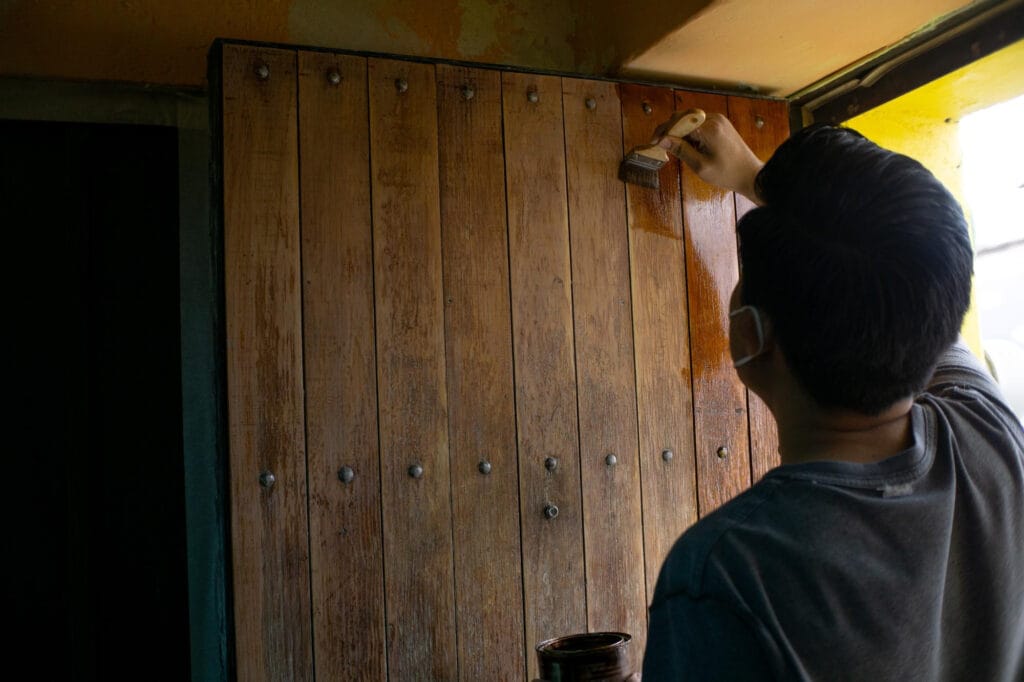
Finishing techniques further enhance both beauty and durability. Modern finishing systems are designed to protect the surface from scratches, stains, and everyday wear while preserving the natural feel of wood. Matte and satin finishes are particularly popular, as they reduce glare and emphasize texture without creating an artificial sheen. These finishes also help hardwood veneer flooring maintain a calm, sophisticated presence in both residential and commercial settings.
Grading processes ensure visual harmony across the installation. While each plank retains its own unique grain and tone, quality control helps balance natural variation so the floor appears cohesive once installed. Over time, hardwood veneer flooring develops a soft patina that enhances its character rather than diminishing its appeal, allowing the surface to age gracefully.
Design professionals often favor hardwood veneer flooring for its versatility and adaptability. It complements minimalist interiors, traditional spaces, and modern architecture alike, providing a warm foundation that enhances the overall atmosphere without overpowering other design elements.
Environmental Impact of Veneer Flooring
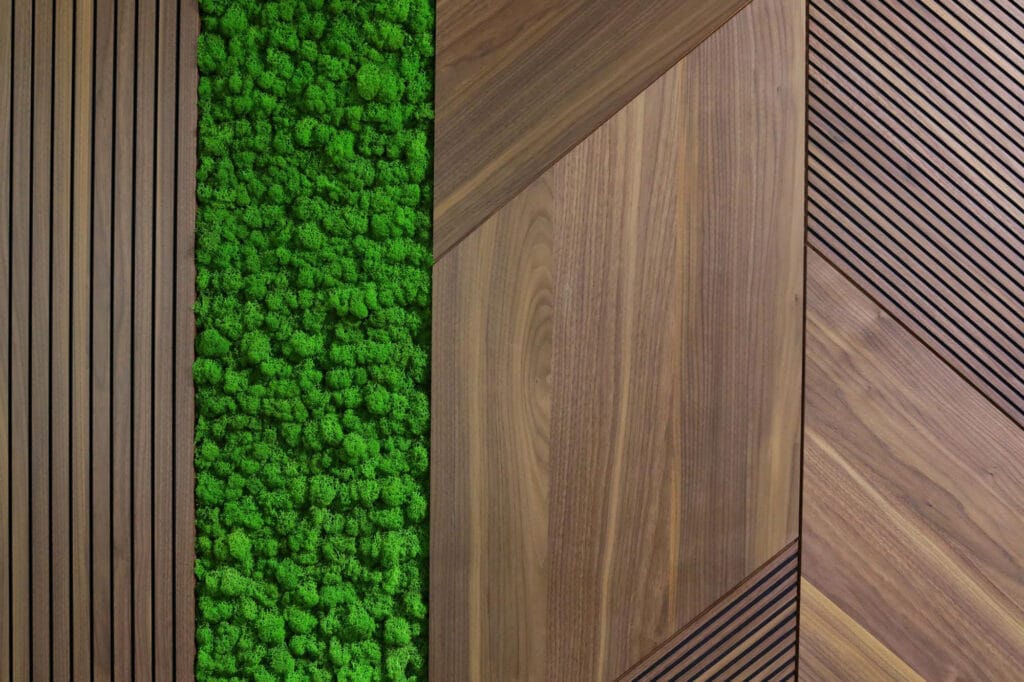
Sustainability has become an increasingly important consideration in construction and interior design, especially as buyers grow more aware of the long-term impact of material choices. One key advantage of hardwood veneer flooring lies in its efficient use of natural resources without sacrificing visual quality or performance.
Because veneer flooring uses thin slices of hardwood, a single log can produce significantly more usable surface area compared to solid wood planks. This approach helps reduce the number of trees required while still delivering the authentic appearance and texture of real wood. By maximizing material yield, hardwood veneer flooring supports more responsible forest management practices.
The engineered core often incorporates responsibly sourced or fast-growing wood materials, further improving resource efficiency. Many manufacturers also adopt low-emission adhesives and environmentally conscious finishing systems. These production choices contribute to better indoor air quality and create healthier living and working environments, which is an increasingly important factor in modern building standards.
Durability also plays a vital role in sustainability. Flooring that performs well over time reduces the need for frequent replacement, lowering material consumption and waste. When properly installed and maintained, hardwood veneer flooring offers a long service life while retaining its structural stability and natural appearance. This longevity makes it a practical choice for both residential and commercial spaces seeking long-term value.
Transportation efficiency adds another environmental benefit. Engineered boards are generally lighter and more dimensionally stable than solid wood, reducing the risk of damage during shipping and minimizing material loss. These efficiencies help lower the overall environmental footprint from production to installation.
Choosing hardwood veneer flooring is not only a design decision but also a thoughtful step toward responsible material use. When quality craftsmanship and sustainable practices come together, the result is flooring that supports modern living without compromising natural resources.
For those seeking premium hardwood veneer flooring produced with care, precision, and responsible sourcing, Jati Luhur Agung offers trusted solutions. Explore refined wood flooring options and professional expertise at our official website and invest in flooring that combines natural beauty, long-lasting performance, and sustainability for spaces that are meant to endure.
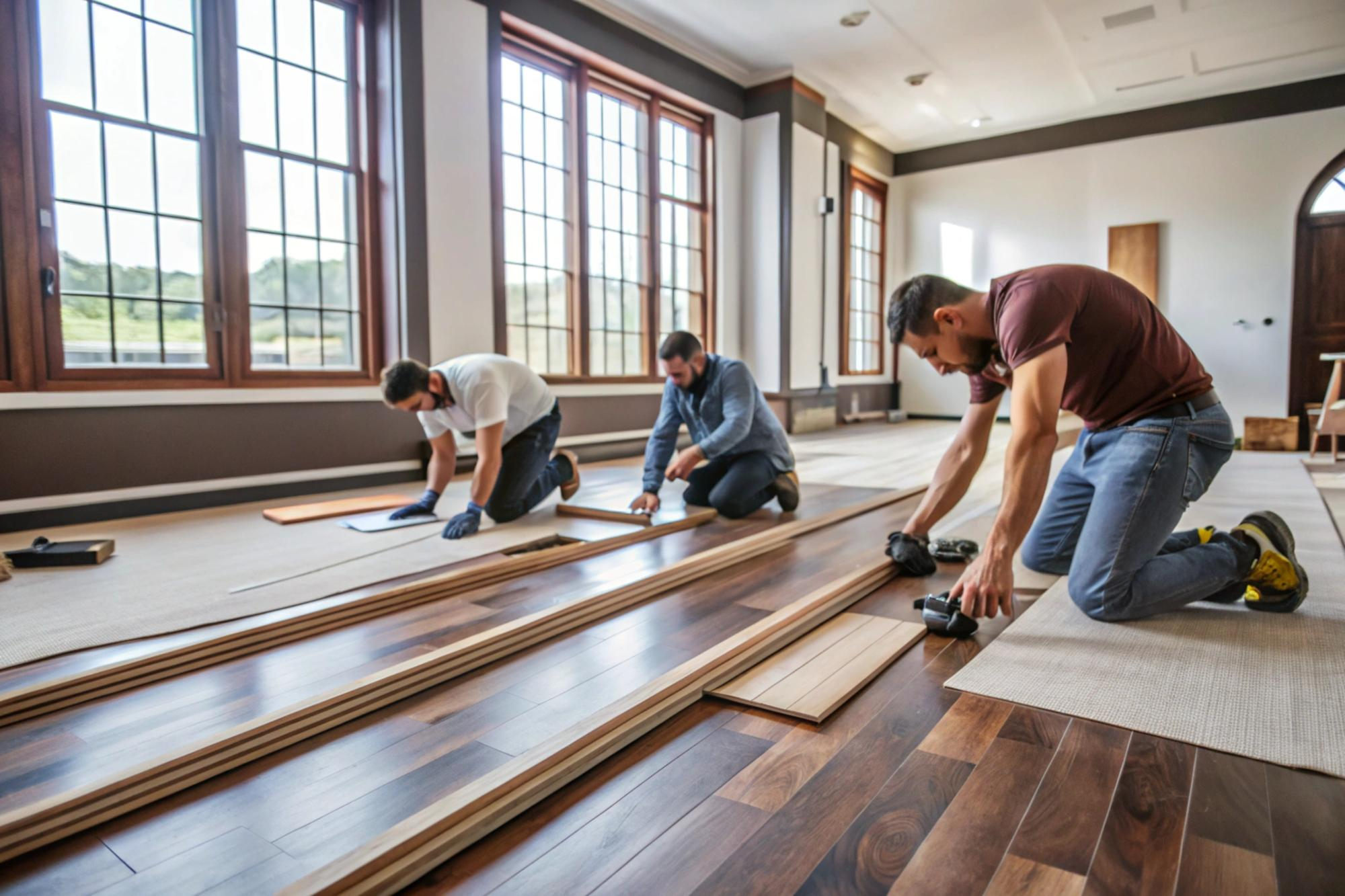
The Performance and Value of Engineered Hardwood Flooring for Your Home
Choosing the right flooring is one of the most significant investments you will make in your home. It’s the literal foundation of your interior design, influencing everything from acoustic quality to property value. For decades, solid wood was the undisputed king, but modern innovation has shifted the spotlight. Homeowners today are increasingly asking, “is engineered…
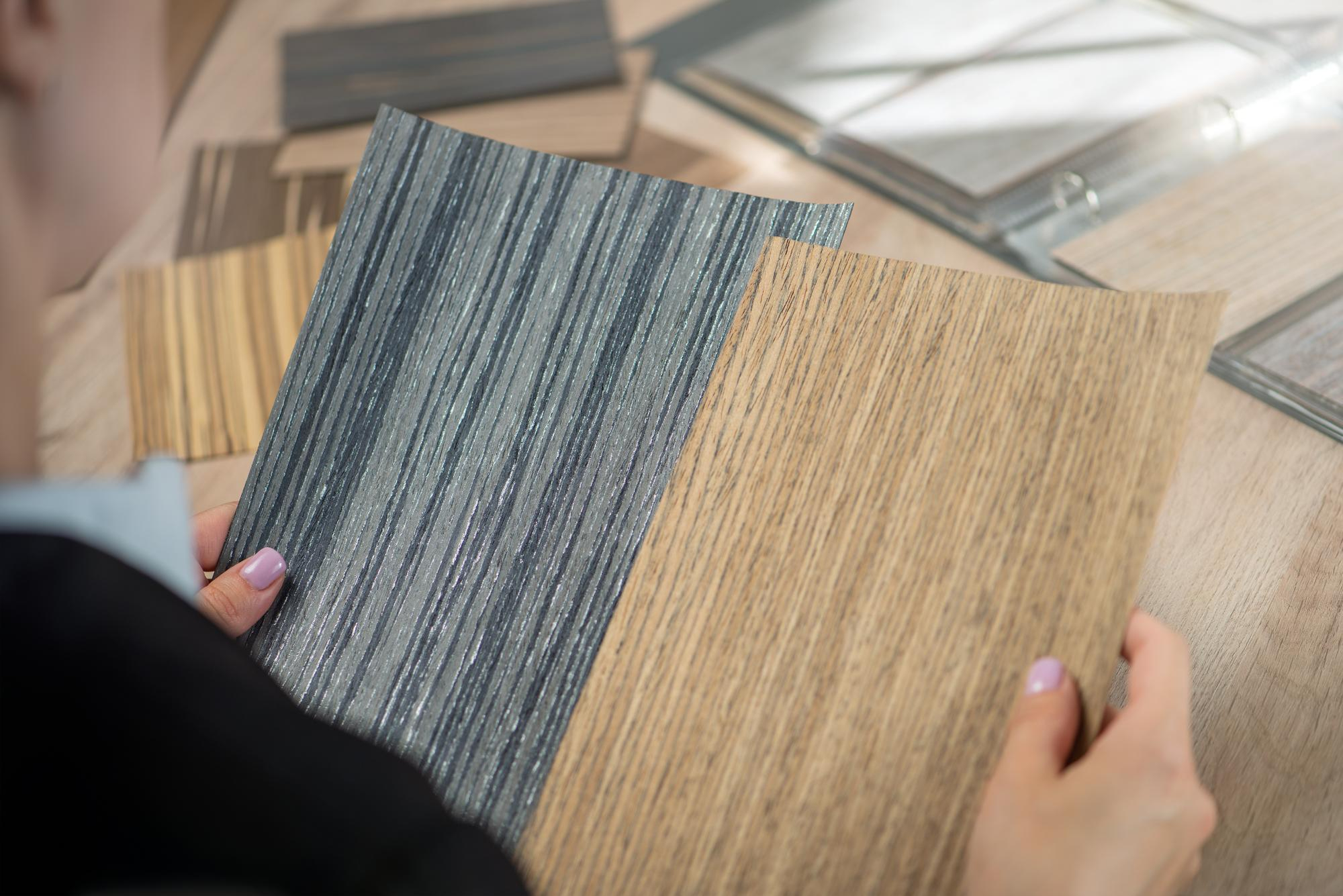
Comparing 3 Ply and Multi Ply Engineered Wood Flooring Performance, Which One Should You Choose?
The world of interior design and architectural engineering often feels like a balance between aesthetic purity and structural pragmatism. When it comes to hardwood flooring, the choice is no longer just about the species of wood or the stain color, it is about the very anatomy of the plank beneath your feet. For decades, solid…
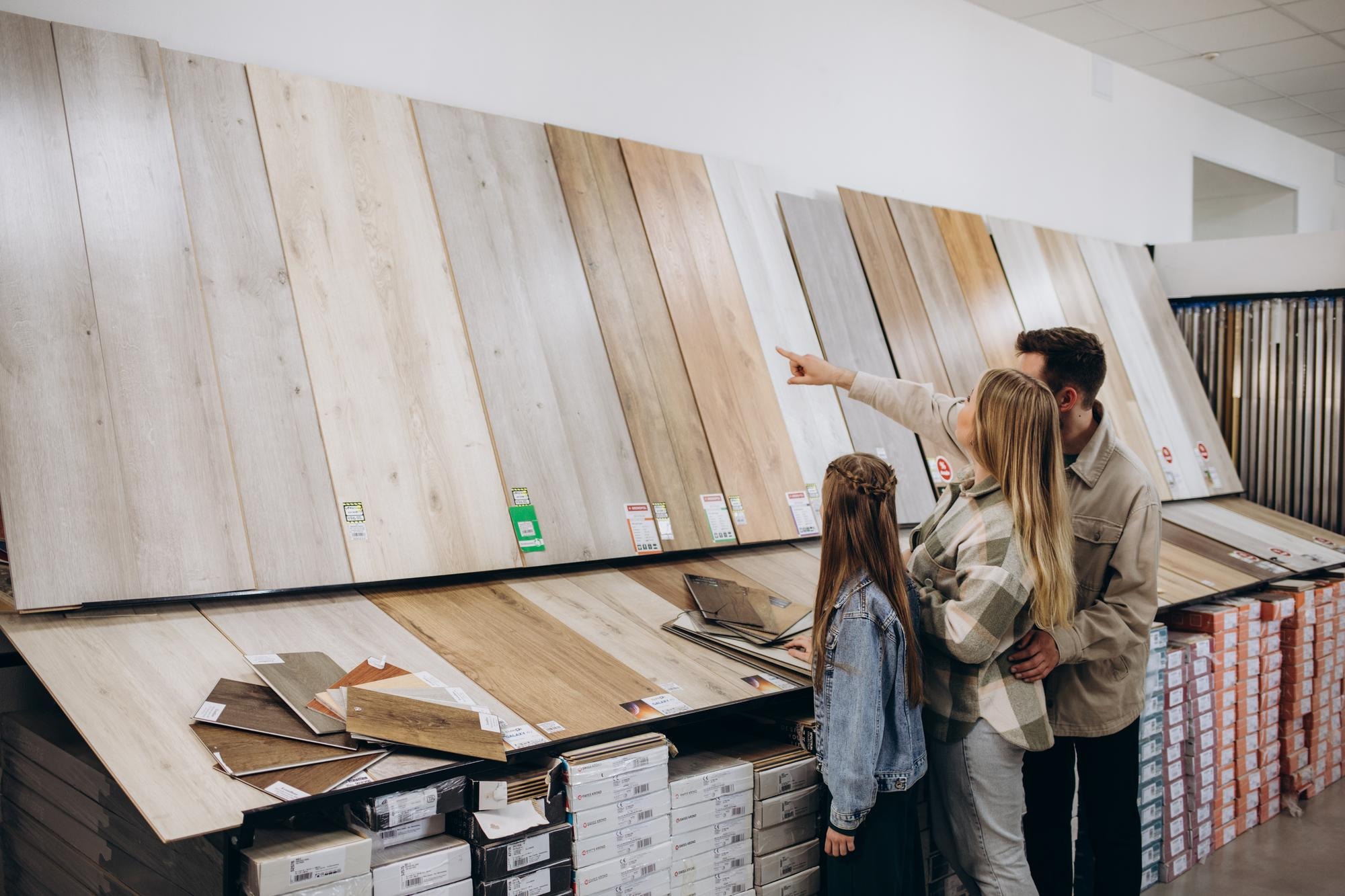
The Complete Guide to Choosing Between Solid and Engineered Wood Floors
Imagine walking into a room where the floor doesn’t just support your furniture, but actually tells a story. There is a specific, undeniable magic in the grain of natural timber, the way it catches the morning light, the warmth it holds under your bare feet, and that faint, earthy scent that makes a house feel…
- By:PT. Jati Luhur Agung
- Tags: hardwood veneer, veneer flooring
- Category: Wood Flooring
- 0 comment