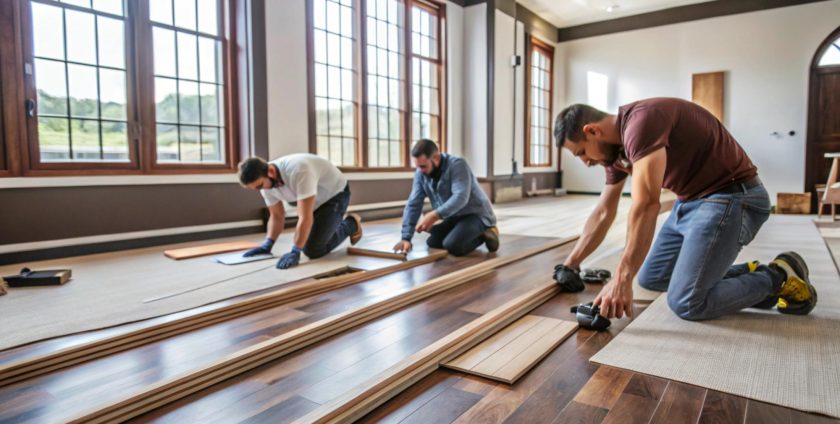
Choosing the right flooring is one of the most significant investments you will make in your home. It’s the literal foundation of your interior design, influencing everything from acoustic quality to property value. For decades, solid wood was the undisputed king, but modern innovation has shifted the spotlight. Homeowners today are increasingly asking, “is engineered hardwood good enough to stand up to the rigors of a busy household while maintaining that timeless aesthetic?” This question often arises as families look for flooring that combines durability, style, and practicality in one long-term solution.
The answer isn’t just a simple yes, it requires a deeper look into how modern material science has perfected the balance between natural beauty and structural stability. Engineered hardwood is not a “fake” alternative, it is a sophisticated composition of genuine wood layers designed to overcome the inherent weaknesses of traditional solid planks while preserving the authentic look and feel of real timber.
Performance of Engineered Wood Flooring in the Home Environment
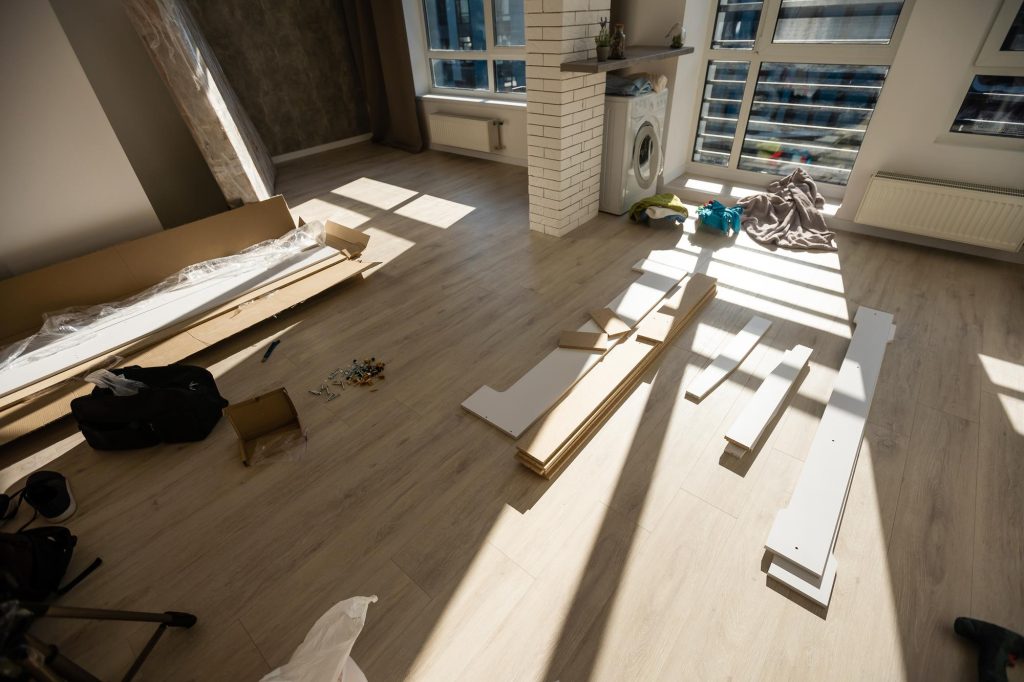
When evaluating whether is engineered hardwood good for your specific living space, you have to look at how it handles “environmental stress.” Unlike solid wood, which is a single piece of timber prone to expanding and contracting with humidity, engineered wood is built like a high-tech sandwich. It features a top layer of real hardwood (the veneer) bonded over multiple layers of plywood or high-density fiberboard (HDF) arranged in a cross-grain configuration.
This structural design is the secret to its performance. In environments where moisture levels fluctuate such as basements or homes in humid coastal regions, engineered wood remains remarkably flat and stable. While solid wood might warp, cup, or gap when the seasons change, engineered planks resist these movements. This makes it an ideal candidate for “floating” installations or for use over concrete subfloors where solid wood typically fails.
Beyond moisture resistance, the multi-layered core acts as a shock absorber, providing a slight “give” that enhances the underfoot feel compared to laying solid planks directly on a hard slab. This architectural layering also offers superior acoustic damping, reducing the hollow “tapping” sound often associated with thinner laminate alternatives.
Furthermore, its compatibility with underfloor heating systems is a game-changer. Because it manages heat distribution more efficiently and doesn’t shrink drastically when warmed, it provides a level of comfort that traditional hardwood simply cannot match without risking structural damage. This thermal stability ensures that your investment stays beautiful and structurally sound, even in the most demanding modern architectural layouts.
Long Term Maintenance and Care for Engineered Wood Surfaces
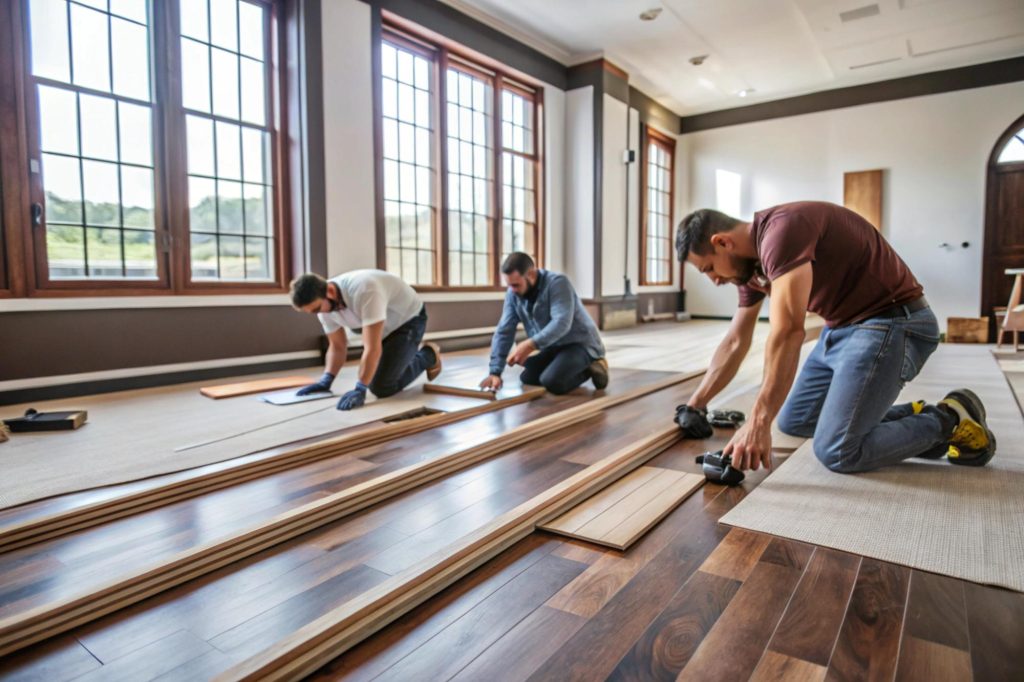
A common misconception is that engineered wood is fragile. In reality, the longevity of these floors depends heavily on the quality of the wear layer and your maintenance routine. To keep your floors looking pristine, the strategy is “preventative rather than reactive.”
Regular sweeping with a soft-bristled broom or a vacuum specifically designed for hard floors is essential to remove grit that can act like sandpaper on the finish. When it comes to mopping, less is more.
You should never “wet mop” an engineered floor; instead, use a damp microfiber cloth with a pH-neutral cleaner. Excessive water is the enemy of any wood product, as it can seep into the seams and cause the core layers to swell or delaminate over time.
Furthermore, environmental control plays a subtle but vital role in maintenance. Using a humidifier during dry winters and an air conditioner during humid summers helps keep the wood at its “happy place,” preventing the subtle stresses that lead to creaking.
You Might be Interested: Solid, Laminate, Engineered Wood Flooring. Which One is Better?
Over the decades, people often wonder is engineered hardwood good for refinishing? This depends on the thickness of the top veneer. High-quality engineered planks can be sanded and refinished one to three times, allowing you to erase years of scratches and update the stain color if your style evolves. This process should always be handled by professionals who understand the specific tolerances of your floor’s wear layer. By sticking to a strict “no-steam-cleaner” policy and using furniture pads on all heavy legs, you ensure that the floor’s value remains intact for 25 to 50 years, making it a truly generational asset for your property.
If you are looking for premium flooring that blends Indonesian craftsmanship with international standards, look no further than Jati Luhur Agung. Jati Luhur Agung specialize in high-quality wood solutions that prioritize both durability and elegance. Whether you are renovating a modern apartment or a classic family home, Jati Luhur Agung selection is designed to meet the highest architectural demands. Explore the full range of premium flooring options and expert consultations at jla.co.id.
Comparing Durability Between Engineered and Solid Hardwood

The debate of “Solid vs. Engineered” often boils down to a misunderstanding of what “durability” actually means. If durability means “how many centuries will this last?” solid wood has a slight edge because it can be sanded down many more times. However, if durability means “how well does this resist daily wear, moisture, and impact?” then the question of is engineered hardwood good becomes much more compelling.
Solid hardwood is vulnerable to “tells” of environmental change. In the winter, you might see gaps between boards as the wood dries out. In the summer, they might swell. Engineered wood’s multi-ply core creates a counter-force that cancels out this movement. This cross-laminated construction is essentially a structural reinforcement that prevents the boards from pulling away from each other or the subfloor.
In terms of surface hardness, both types are essentially equal because the top layer of an engineered plank is the same species (Oak, Walnut, Teak) as a solid plank. If you drop a heavy cast-iron skillet, both will dent. However, engineered wood’s ability to be installed in places where solid wood cannot like over radiant heat or in high-humidity zones, gives it a “functional durability” that is often more valuable to the modern homeowner.
Furthermore, because engineered planks can be manufactured in wider and longer dimensions without sacrificing stability, they are less prone to the mechanical stresses that cause long, solid planks to cup over time. This architectural resilience means the floor stays level and quiet, even under heavy foot traffic. When you weigh the risks of catastrophic moisture damage against the ability to sand a floor six times versus three, the practical durability of a well-engineered plank often wins the day.
What are the Most Common Drawbacks of Engineered Wood Flooring?
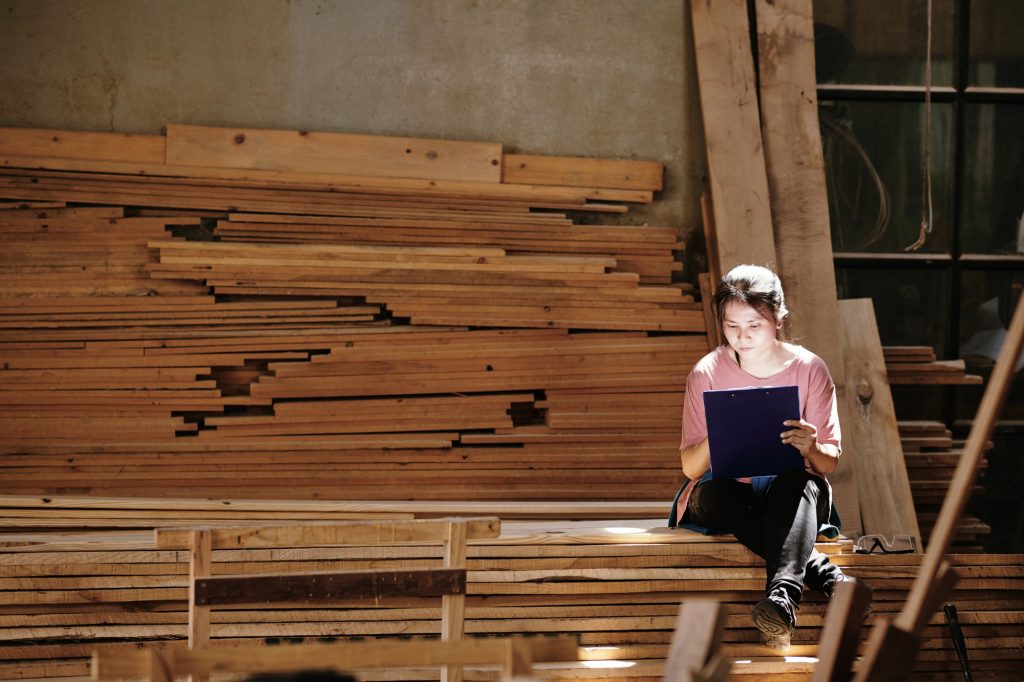
No flooring material is perfect, and transparency is key to a successful renovation. While many homeowners ask is engineered hardwood good for modern living spaces, the answer is often yes but it is still important to understand the potential limitations before making a decision. Knowing these factors helps you choose a higher-quality product and avoid common pitfalls in the flooring market.
- Veneer Thickness: The most significant drawback is found in “budget” engineered wood. If the top layer is too thin (less than 2 mm), the floor cannot be sanded or refinished. Once scratches penetrate the veneer, the entire plank must be replaced. Higher-end engineered floors typically feature thicker wear layers, allowing light refinishing and significantly extending the lifespan of the floor.
- Off-gassing: Lower-end products may use adhesives containing formaldehyde. It is crucial to choose manufacturers that adhere to strict VOC (Volatile Organic Compound) standards to ensure indoor air quality remains safe. Reputable producers now follow international environmental certifications that limit chemical emissions and promote healthier living spaces.
- Edge Wear: Many engineered floors come with a “micro-bevel” edge to hide slight height variations. While visually appealing and helpful during installation, these tiny grooves can trap dust and dirt more easily than a site-finished solid floor that is perfectly flush. Regular cleaning and proper maintenance help minimize this issue.
- Core Quality: Not all cores are created equal. Some manufacturers use low-grade softwood or compressed composite dust that does not perform as well as high-quality plywood or multi-layer hardwood cores. The quality of the internal structure greatly affects the stability, strength, and longevity of the flooring.
So, is engineered hardwood good for your home?
If you prioritize stability, efficient installation, and the ability to install wood flooring in more areas of the house, the answer is a strong yes. By selecting a reputable provider such as Jati Luhur Agung and ensuring the flooring includes a sufficiently thick wear layer, homeowners can enjoy the warmth and beauty of natural timber supported by modern engineering.
When people ask, “is engineered hardwood good for a high-traffic kitchen?” the answer often depends on the finishing technology. Modern aluminum oxide finishes applied in controlled factory environments are extremely durable and resistant to scratches. These coatings often outperform traditional on-site polyurethane finishes because they are cured under advanced conditions that increase hardness and longevity.
Ultimately, the value of a home often increases when real wood is used as the primary flooring material. Whether solid or engineered, the organic grain patterns, natural texture, and warmth of timber bring a timeless character that synthetic materials struggle to replicate. By understanding performance factors, construction quality, and proper maintenance, homeowners can confidently determine that is engineered hardwood good and in many cases, it becomes one of the smartest flooring solutions for modern, climate-controlled homes. So, have you figured out whether engineered hardwood is a good choice? Feel free to share your thoughts in the comments section!
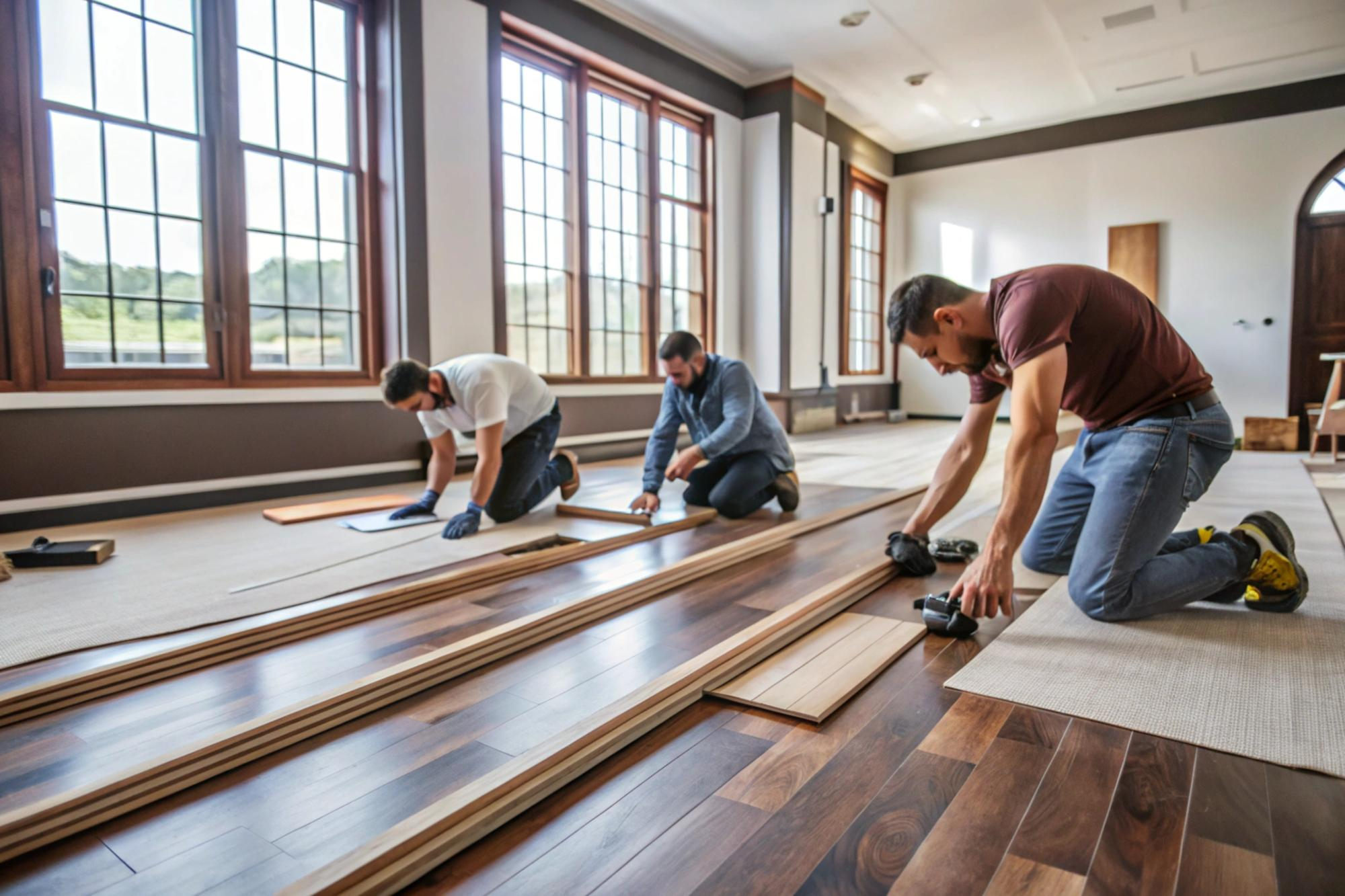
The Performance and Value of Engineered Hardwood Flooring for Your Home
Choosing the right flooring is one of the most significant investments you will make in your home. It’s the literal foundation of your interior design, influencing everything from acoustic quality to property value. For decades, solid wood was the undisputed king, but modern innovation has shifted the spotlight. Homeowners today are increasingly asking, “is engineered…
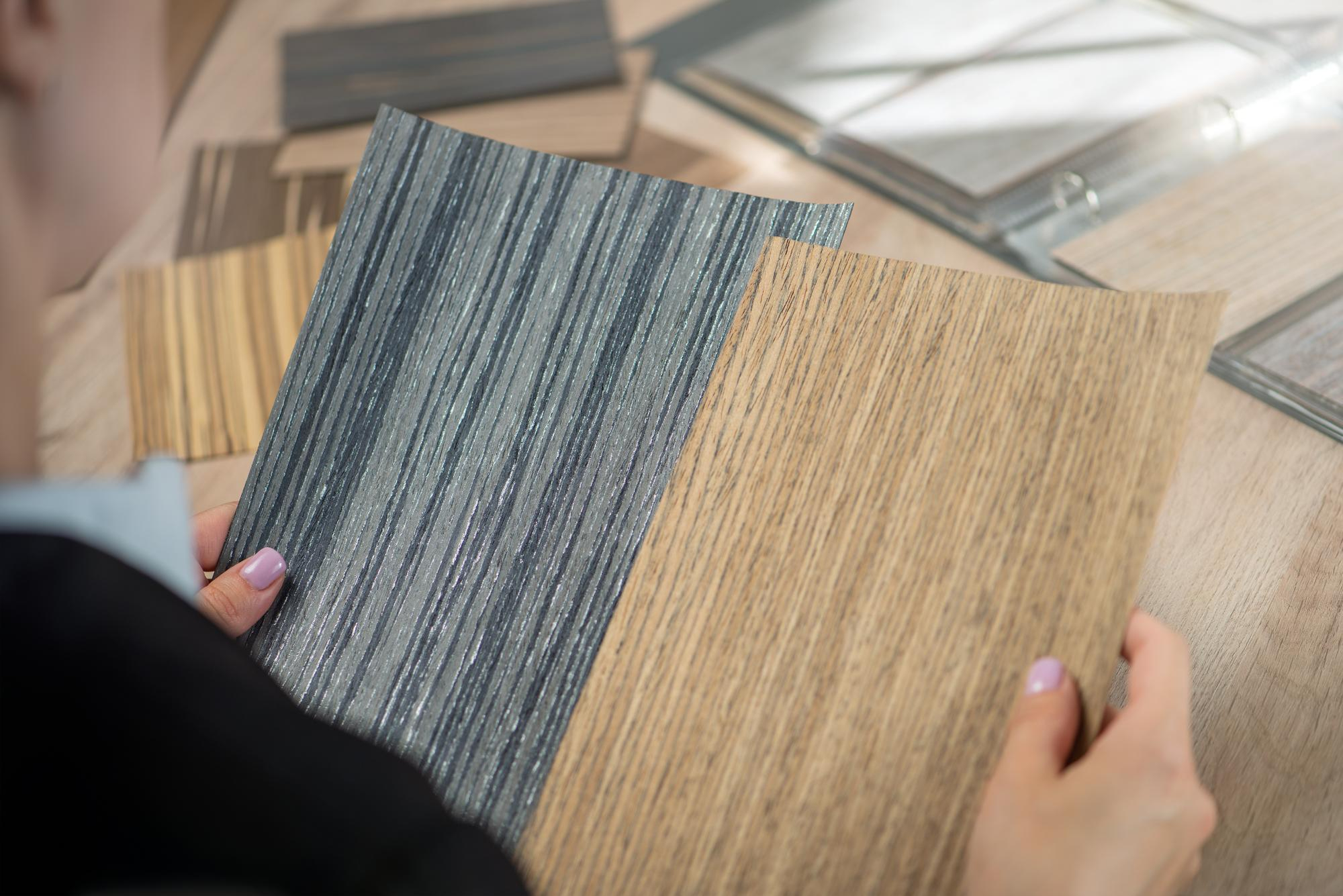
Comparing 3 Ply and Multi Ply Engineered Wood Flooring Performance, Which One Should You Choose?
The world of interior design and architectural engineering often feels like a balance between aesthetic purity and structural pragmatism. When it comes to hardwood flooring, the choice is no longer just about the species of wood or the stain color, it is about the very anatomy of the plank beneath your feet. For decades, solid…
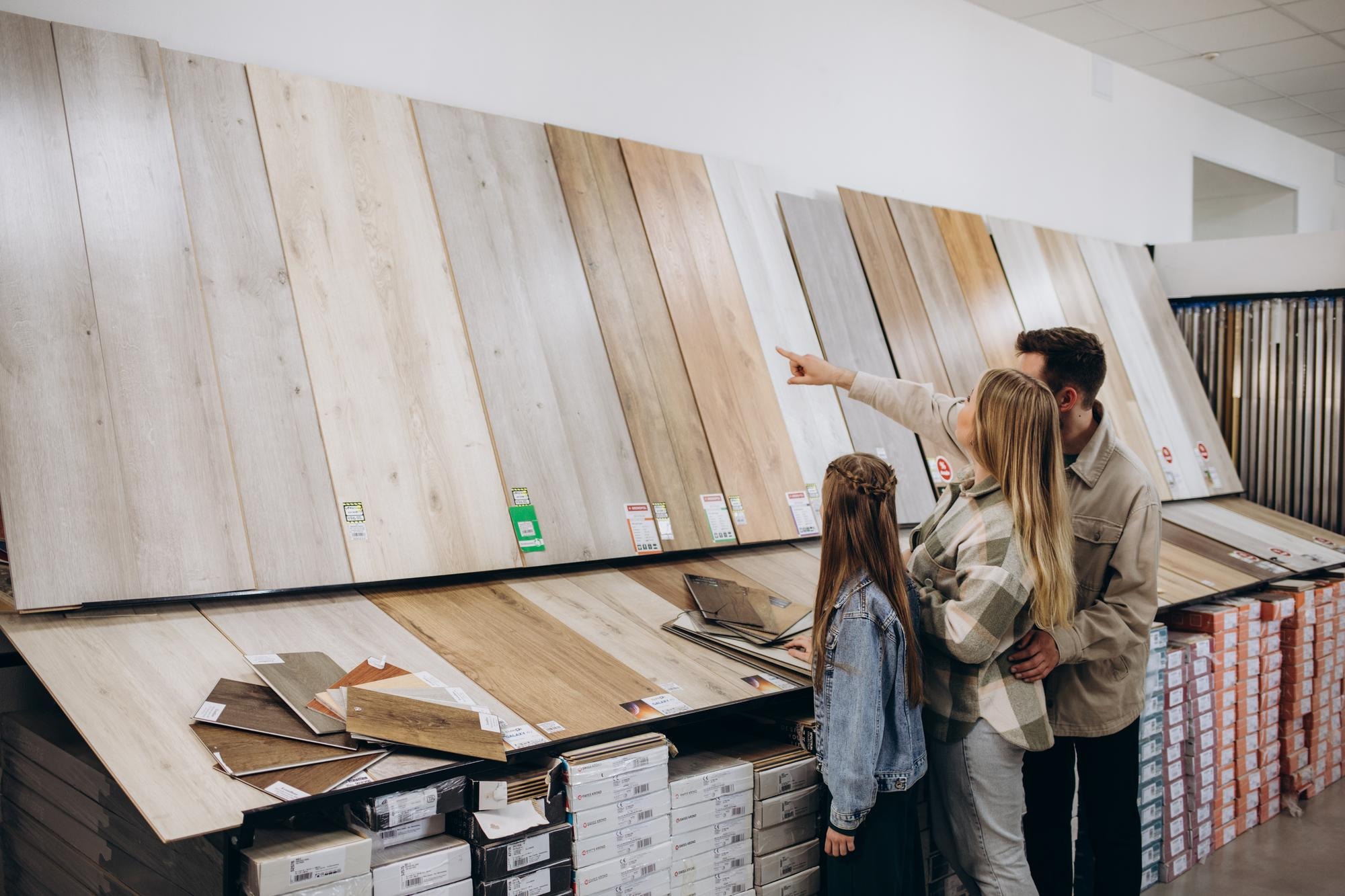
The Complete Guide to Choosing Between Solid and Engineered Wood Floors
Imagine walking into a room where the floor doesn’t just support your furniture, but actually tells a story. There is a specific, undeniable magic in the grain of natural timber, the way it catches the morning light, the warmth it holds under your bare feet, and that faint, earthy scent that makes a house feel…
- By:PT. Jati Luhur Agung
- Tags: engineered hardwood flooring
- Category: Engineered Wood
- 0 comment