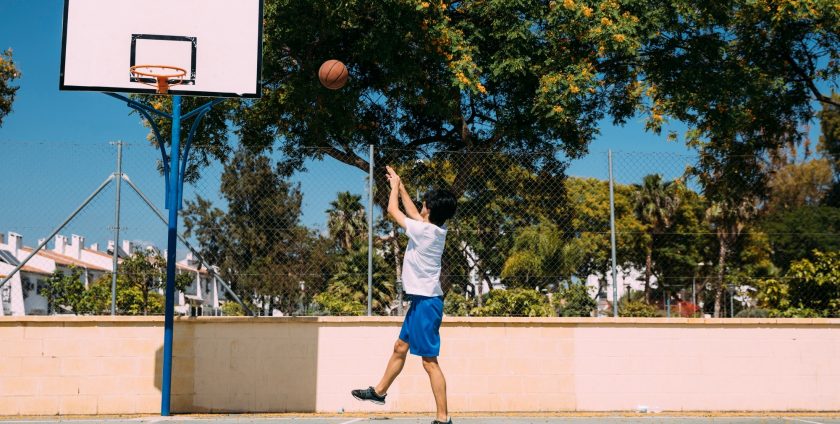
In recent years, the idea of transforming unused backyard space into something active, expressive, and meaningful has gained serious momentum. Homeowners are no longer satisfied with outdoor areas that simply look good in photos; they want spaces that support real lifestyles, daily movement, and genuine human connection. As work-from-home culture and wellness awareness continue to rise, outdoor environments are being reimagined as extensions of personal identity and routine. Basketball, in particular, has emerged as one of the most popular choices because it blends exercise, entertainment, and social interaction in a single space.
During the pandemic era and well beyond it, basketball hoops began appearing in driveways, empty side yards, and suburban backyards across the world. What started as a way to stay active during lockdowns quickly evolved into a lasting lifestyle habit. Social media played a major role in amplifying this movement, showcasing parents training with their children, professionals maintaining their skills at home, and groups of friends turning ordinary weekends into competitive yet joyful pickup games. These shared moments reshaped how people view personal outdoor spaces. As a result, the idea of a home basketball court shifted from a rare luxury into a thoughtful investment that represents balance, health, and intentional living.
At first glance, building your own mini court may feel intimidating, especially if you have never dealt with construction details, surface materials, or sports-specific requirements. Concerns about cost, technical complexity, or long-term maintenance are common and completely understandable. However, with the right planning, informed material choices, and realistic expectations, a DIY approach becomes far more approachable than it initially seems. Beyond the immediate enjoyment of playing, a well-designed court can evolve into a long-term asset that supports physical health, strengthens family bonds, and enhances the overall character of your property. This guide takes you through every essential element, from surface selection and equipment to lighting and budgeting, helping you create a basketball space that performs reliably, feels purposeful, and stands the test of time.
Choosing the Right Surface
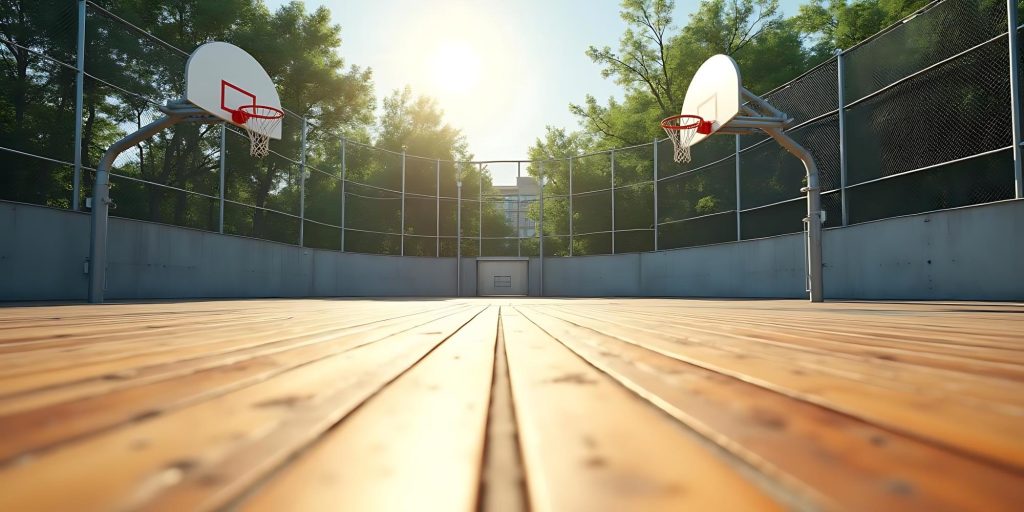
The surface is the foundation of any basketball court, and it directly affects safety, performance, and durability. Many first-time builders underestimate how critical this decision is, focusing only on appearance or initial cost. In reality, the wrong surface can lead to frequent maintenance, uneven ball bounce, or even injury risks.
Concrete is often the most common choice for outdoor courts because it is durable and relatively affordable. When finished properly with the right slope and coating, concrete provides consistent ball response and long-term stability.
However, plain concrete can feel unforgiving on joints, which is why many homeowners apply acrylic coatings or modular sports tiles on top. These layers improve traction, reduce surface temperature under the sun, and add visual appeal.
Asphalt is another option, commonly used in public courts. It offers a slightly softer feel than concrete, but it requires more maintenance over time, especially in areas with extreme temperature changes. Cracks can develop if the base is not prepared correctly, so proper installation is crucial.
For those seeking a more professional feel, modular interlocking tiles have become increasingly popular. These systems are designed specifically for outdoor sports, offering shock absorption, drainage, and customizable layouts. While the upfront cost may be higher, the comfort and reduced maintenance often justify the investment. When planning a home basketball court, the surface choice should always align with climate conditions, usage frequency, and long-term expectations rather than trends alone. This size is certainly smaller than the official basketball court guidelines in the UK for NBA, FIBA, and even NCAA games.
Essential Equipment
Once the surface is decided, attention shifts to the equipment that brings the court to life. The basketball system itself is the most important component. Portable hoops are budget-friendly and easy to install, making them attractive for beginners. However, they may lack stability, especially during aggressive play. In-ground systems, anchored with concrete footings, offer superior rigidity and a more authentic playing experience.
Backboard material also plays a role in performance. Acrylic backboards provide good rebound and are suitable for recreational use.
Tempered glass, often seen in professional courts, delivers the best ball response and durability, though it comes at a higher price point. Choosing the right size matters too; standard regulation width is ideal if space allows, but smaller backboards can work well for compact areas.
Rims should never be overlooked. A breakaway rim with spring-loaded flexibility reduces stress on both the structure and the player. This feature is especially important if the court will be used by teenagers or adults who enjoy dunking. Supporting accessories like boundary lines, padding, and ball storage may seem minor, but they significantly enhance safety and organization. A thoughtfully equipped home basketball court feels intentional, not improvised, and encourages consistent use.
Lighting and Fencing for Your Home Court
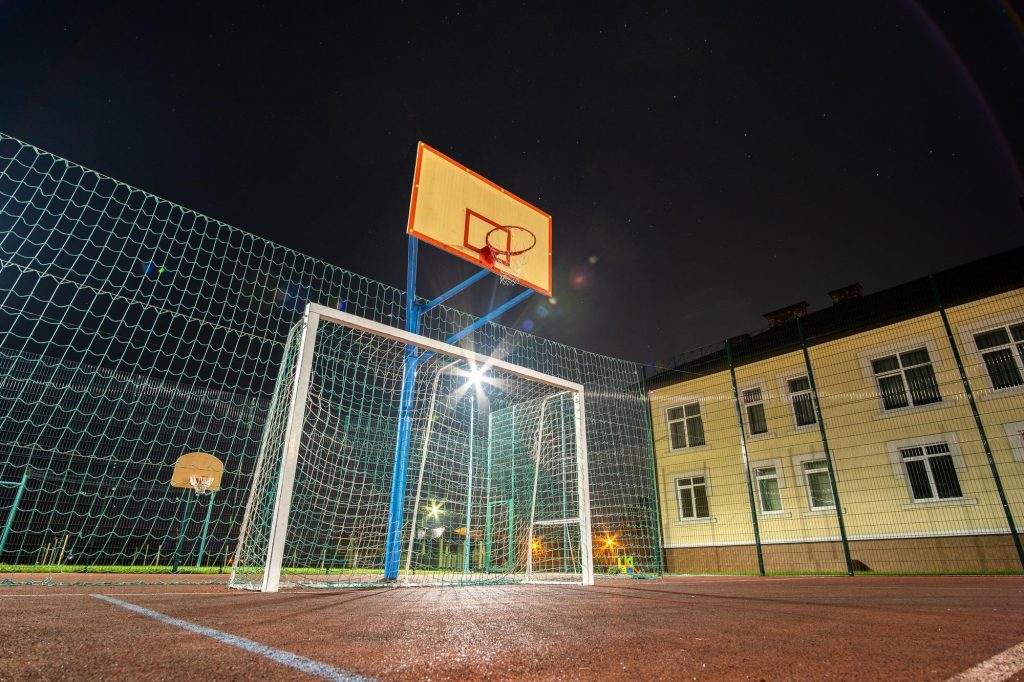
Lighting transforms a court from a daytime-only feature into a versatile, all-hours space. Without proper illumination, evening play becomes unsafe and impractical. LED floodlights are the most efficient option, offering strong brightness with low energy consumption. Positioning is key; lights should be angled to minimize glare while evenly covering the playing area. Pole-mounted lights placed at the corners of the court often provide the best balance. For smaller spaces, wall-mounted fixtures can also work, as long as shadows are carefully managed. Motion sensors and timers add convenience and help control electricity usage, especially in residential settings.
Fencing serves multiple purposes beyond keeping the ball in play. It protects nearby windows, cars, and landscaping while defining the court’s boundaries. Chain-link fencing is durable and effective, but some homeowners prefer coated or vinyl options for a cleaner look. Netting systems can be used in areas where full fencing is unnecessary or visually intrusive. Beyond pure functionality, lighting and fencing also shape the overall atmosphere and long-term usability of the area. Thoughtful lighting design can help reduce disturbance to neighbors by limiting glare and controlling play hours, while warmer light tones create a more welcoming feel. Fencing styles can be adapted to match the character of the property, whether sporty or subtle, ensuring the home basketball court blends seamlessly into its surroundings while remaining safe, practical, and visually balanced.
What Costs Should You Expect

Lighting transforms a court from a daytime-only feature into a versatile, all-hours space. Without proper illumination, evening play becomes unsafe and impractical. LED floodlights are the most efficient option, offering strong brightness with low energy consumption. Positioning is key; lights should be angled to minimize glare while evenly covering the playing area. Pole-mounted lights placed at the corners of the court often provide the best balance. For smaller spaces, wall-mounted fixtures can also work, as long as shadows are carefully managed. Motion sensors and timers add convenience and help control electricity usage, especially in residential settings.
One of the most common questions surrounding a DIY court is cost, and the honest answer is that everything depends on your budget. There is no single price range that fits all projects because every decision influences the final number. The size of the court, the chosen surface, equipment quality, and additional features like lighting or fencing all play a role. A basic setup with a concrete slab and a portable hoop can be achieved with a relatively modest investment, making it accessible for homeowners who simply want a functional space for casual play. On the other hand, adding modular flooring, in-ground systems, professional-grade lighting, and custom fencing naturally increases expenses, especially when higher durability and comfort are prioritized. Labor costs also vary depending on whether you handle installation yourself or hire professionals for specific stages of the build.
Beyond visible construction costs, there are indirect expenses that are often overlooked during early planning. Site preparation, drainage adjustments, and ground leveling can significantly affect the final budget, particularly if the backyard surface is uneven or prone to water pooling. Decorative elements such as court markings, color coatings, or branded designs may seem optional, but they also add to the overall investment. Even small choices, like selecting premium rims or weather-resistant backboards, can influence total spending while improving the long-term experience of using the court.
You might interest: Fact About Basketball Floor: The Proccess Behind Selection
What matters most is aligning your expectations with your financial comfort. A smaller, well-built court often delivers more satisfaction than a larger one completed with compromises that affect safety or performance. Planning your home basketball court around your priorities, whether performance, aesthetics, or longevity, helps create clarity during decision-making and prevents unnecessary upgrades. Long-term expenses should also be considered, including maintenance, surface recoating, electricity usage for lighting, and occasional equipment replacement. Investing in durable materials and reliable components from the start can reduce recurring costs, ensuring the court remains functional, enjoyable, and financially sensible for many years to come.
Frequently Asked Questions About Building a Home Court
- Does a basketball court add value to the home?
A well-planned basketball court can positively influence a property’s overall appeal, especially for families and buyers who prioritize active lifestyles. While it may not always translate directly into a fixed monetary increase, it adds functional value by turning unused outdoor space into a purposeful feature. A thoughtfully designed home basketball court often stands out during property viewings, helping the home feel more dynamic, modern, and lifestyle-oriented rather than purely residential.
- How long should it take to install a basketball court?
Installation time varies based on design complexity, surface choice, and weather conditions. A simple setup using an existing concrete area and a portable hoop may take only a few days, while a fully prepared surface with coatings, lighting, and fencing can take several weeks. Proper curing time for concrete or coatings should never be rushed, as patience during installation directly affects long-term durability and performance.
- Do I need permission to build a backyard basketball court?
In many areas, permission depends on local building codes, zoning laws, and neighborhood regulations. Some regions require permits for concrete work, lighting installations, or fencing above certain heights. Homeowners’ associations may also have aesthetic or noise-related guidelines. Checking these requirements early helps prevent delays and ensures your home basketball court is compliant from the start.
- What is the best surface for an outdoor home court?
There is no single best surface for every situation. Concrete remains popular for its strength and stability, while modular sports tiles are favored for comfort and shock absorption. Climate, frequency of use, and player age all influence the ideal choice. The right surface balances durability, safety, and playability rather than focusing on appearance alone.
- How much space do I actually need for a half-court?
A half-court requires significantly less space than a full regulation court, making it suitable for most residential properties. However, adequate clearance around the playing area is essential to ensure safety and comfortable movement. Planning extra space for rebounds, player momentum, and surrounding features helps create a home basketball court that feels open rather than restrictive.
Designing and building a personal court is more than a construction project; it reflects a long-term commitment to active living, quality time, and smart use of property space. A well-executed court becomes a place where daily routines meet passion, where families connect, skills develop, and moments of progress happen naturally over time. Achieving this level of quality requires more than enthusiasm, it requires experienced hands, reliable materials, and a clear understanding of performance standards.
This is where working with a trusted specialist truly matters. Jati Luhur Agung offers years of proven expertise in premium hardwood solutions, precise craftsmanship, and project-focused execution designed to support durability, safety, and lasting value. Every detail is approached with care, ensuring results that are not only visually refined but also built to perform under real conditions. If you are ready to elevate your basketball space with confidence and professionalism, connect with us through the official website and take a decisive step toward creating a court that delivers enjoyment, strength, and value for years to come.
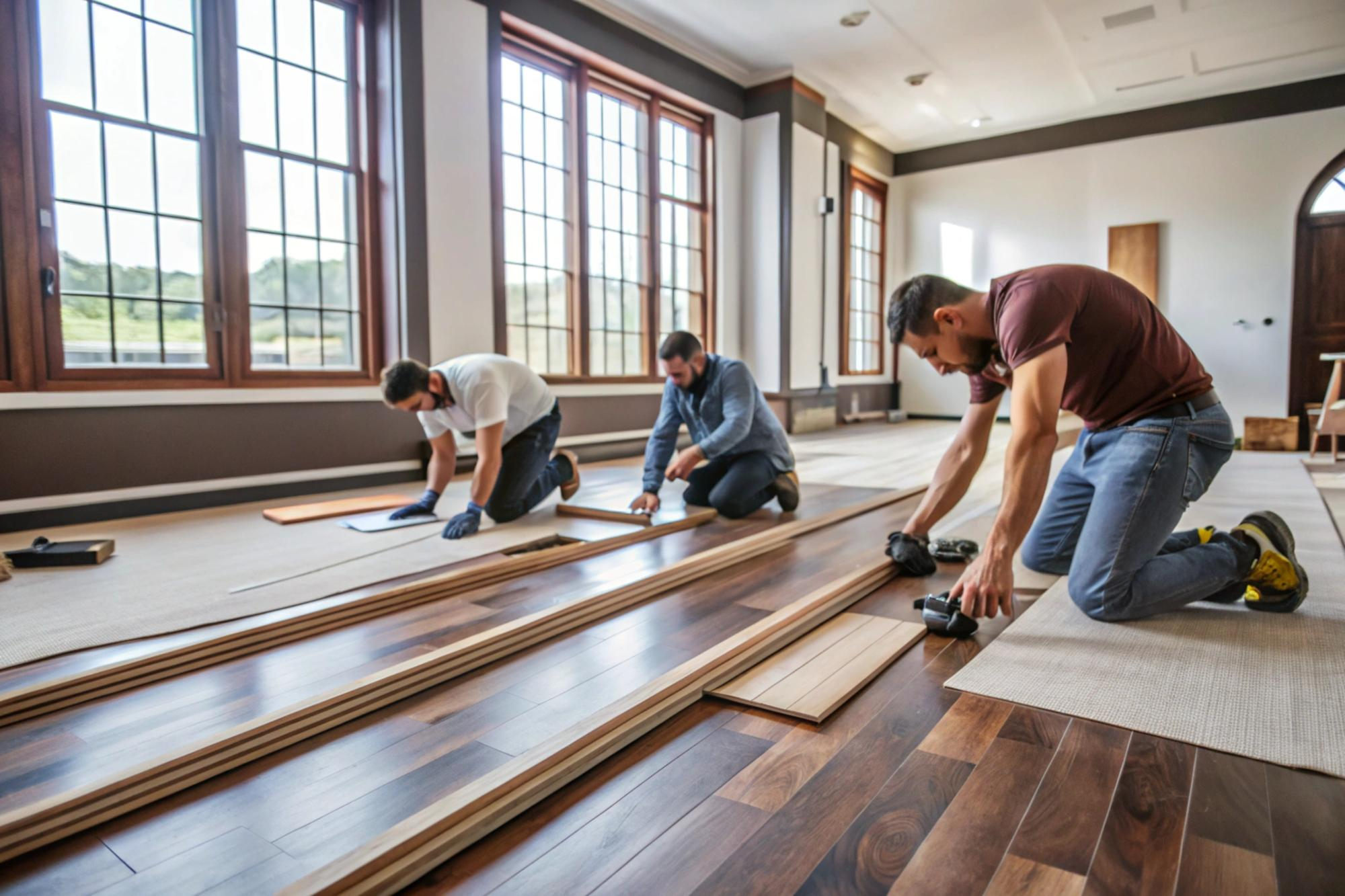
The Performance and Value of Engineered Hardwood Flooring for Your Home
Choosing the right flooring is one of the most significant investments you will make in your home. It’s the literal foundation of your interior design, influencing everything from acoustic quality to property value. For decades, solid wood was the undisputed king, but modern innovation has shifted the spotlight. Homeowners today are increasingly asking, “is engineered…
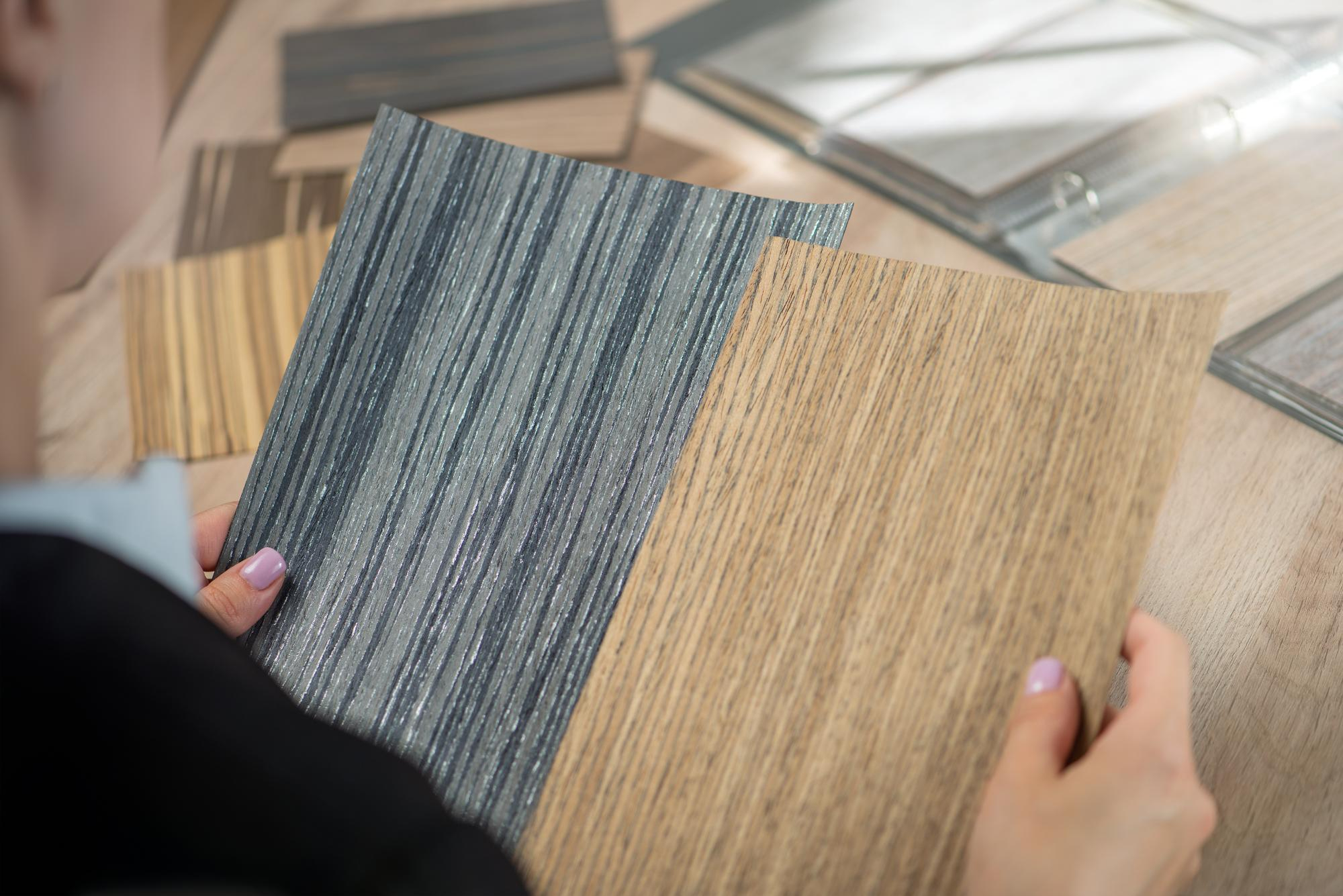
Comparing 3 Ply and Multi Ply Engineered Wood Flooring Performance, Which One Should You Choose?
The world of interior design and architectural engineering often feels like a balance between aesthetic purity and structural pragmatism. When it comes to hardwood flooring, the choice is no longer just about the species of wood or the stain color, it is about the very anatomy of the plank beneath your feet. For decades, solid…
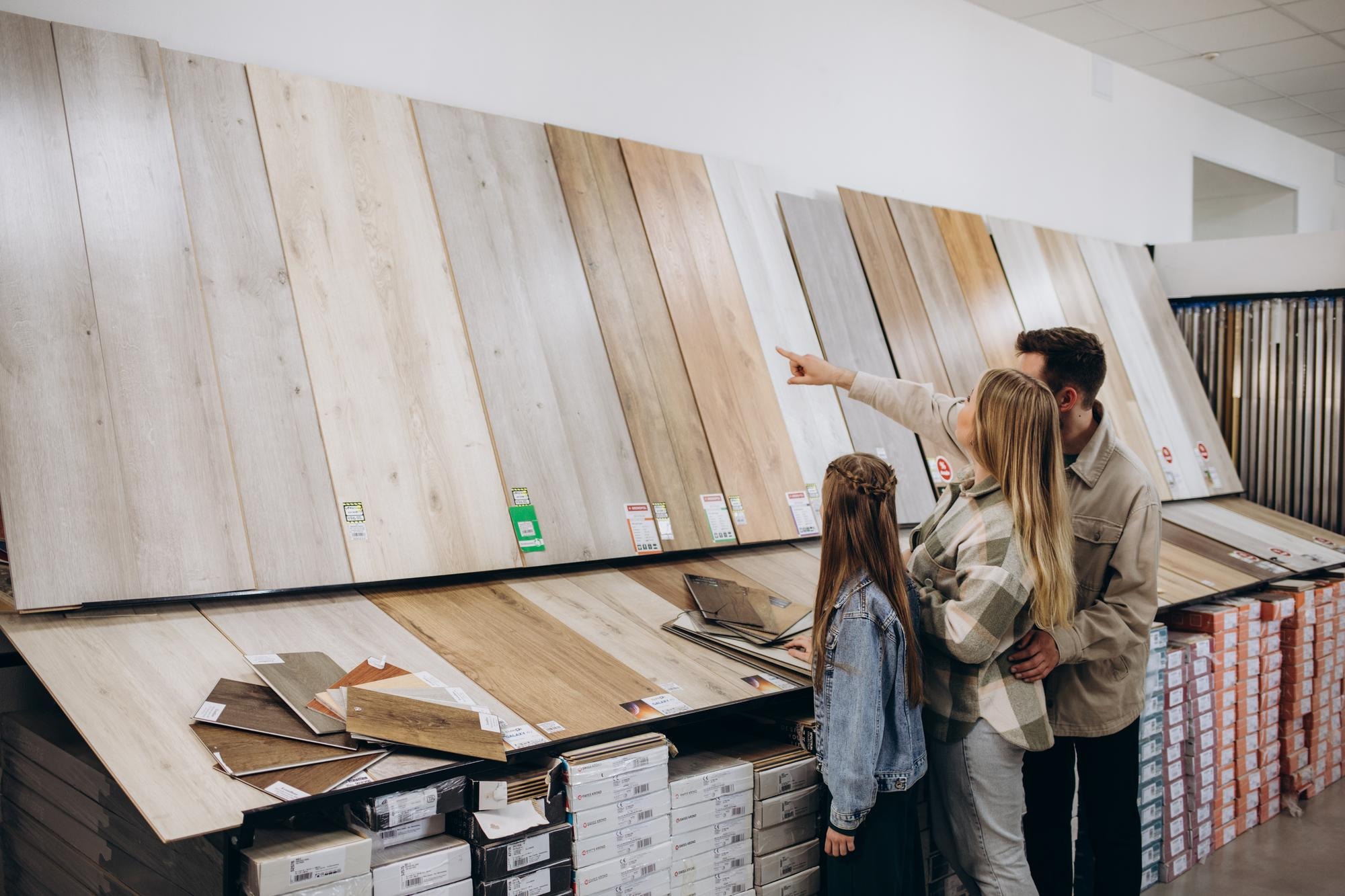
The Complete Guide to Choosing Between Solid and Engineered Wood Floors
Imagine walking into a room where the floor doesn’t just support your furniture, but actually tells a story. There is a specific, undeniable magic in the grain of natural timber, the way it catches the morning light, the warmth it holds under your bare feet, and that faint, earthy scent that makes a house feel…
- By:PT. Jati Luhur Agung
- Tags: home basketball court, sports floor
- Category: Sports Floor
- 0 comment