In the dynamic realm of flooring and woodworking, a fascinating development is taking center stage: engineered rubberwood is swiftly emerging as a standout choice for those seeking a sustainable and versatile alternative to traditional solid wood. This material, sourced from the rubberwood of the rubber tree—a plant primarily known for its latex production—is now being cleverly repurposed into high-quality engineered wood products.
This innovative shift is driven not only by the desire for more environmentally friendly options but also by the need for durable and aesthetically appealing materials in contemporary construction and interior design. As homeowners and builders increasingly prioritize both functionality and eco-consciousness, rubberwood is proving to be an exceptional choice. To uncover the reasons behind its growing popularity, let’s explore its features and compare it to traditional solid wood.
What Is Engineered Rubberwood?
Engineered rubberwood is a product crafted from the rubberwood of the rubber tree, which is primarily used for latex extraction. When these trees complete their latex-producing cycle, they are then harvested for their wood. Instead of letting this valuable resource go to waste, the rubberwood is processed into engineered products that provide both beauty and functionality.The manufacturing process of engineered rubberwood involves slicing the wood into thin veneers, which are then bonded together with adhesives to create a stable and durable material. The top layer of engineered rubberwood is a veneer of rubberwood, showcasing its natural beauty, while the core is typically composed of high-density fiberboard (HDF) or plywood. This layered construction enhances the wood’s stability and resistance to environmental changes, such as fluctuations in temperature and humidity.
Engineered rubberwood is praised for its environmental benefits. By utilizing rubberwood that would otherwise be discarded, it supports sustainable practices and reduces waste. Additionally, the production process for engineered wood products often involves fewer chemicals and less energy compared to traditional solid wood processing, making it a more eco-friendly choice. One of the key advantages of engineered rubberwood is its versatility. It can be used in a variety of applications, including flooring, cabinetry, and furniture. The engineered construction provides a reliable and attractive solution for both residential and commercial projects, combining the natural aesthetics of rubberwood with enhanced performance.
A type of engineered rubberwood: Hevea Wood
Engineered Rubberwood vs Solid Wood
When comparing engineered rubberwood with solid wood, several important factors come into play. Each material has its own set of characteristics, benefits, and limitations, which can influence the decision-making process for homeowners and builders.
Several Factors of Difference
1. Stability and Durability

One of the primary advantages of engineered rubberwood is its stability. The layered construction of engineered wood, including a core of HDF or plywood, provides resistance to warping, cupping, and swelling. This makes engineered rubberwood a reliable choice for environments with fluctuating temperatures and humidity levels. In contrast, solid wood is more susceptible to environmental changes, which can lead to issues such as expansion, contraction, and warping. Solid wood’s performance can be affected by changes in moisture and temperature, requiring careful maintenance and environmental control.
2. Appearance
Both engineered rubberwood and solid wood offer natural beauty, but they achieve it in different ways. Engineered rubberwood features a veneer of rubberwood on top of a core material, which allows for a consistent and attractive finish. The veneer showcases the wood’s natural grain and color, providing a polished and uniform look. Solid wood, on the other hand, is valued for its unique and varied appearance. Each piece of solid wood has its own grain pattern and color variations, adding character and individuality to a space. The natural beauty of solid wood can be a significant advantage in creating a distinctive and personalized look.

3. Cost and Affordability
Engineered rubberwood is generally more affordable than solid wood. The production process for engineered wood products allows for the use of less expensive core materials, which helps to keep costs down. Additionally, the stability and durability of engineered rubberwood can reduce long-term maintenance and replacement costs. Solid wood, while often more expensive, is prized for its durability and timeless appeal. Its higher cost can be a consideration for budget-conscious projects, but many homeowners view the investment in solid wood as worthwhile for its longevity and aesthetic value.

4. Environmental Impact

The environmental impact of engineered rubberwood is generally lower compared to solid wood. By utilizing rubberwood that would otherwise be discarded, engineered wood products support sustainable practices and reduce waste. The production process for engineered wood often involves fewer chemicals and less energy, contributing to its eco-friendly profile.
Solid wood, while a natural and renewable resource, can have a higher environmental impact if not sourced responsibly. Deforestation and habitat loss are concerns associated with traditional solid wood harvesting. Choosing sustainably harvested solid wood can mitigate some of these issues, but it remains important to consider the environmental implications of each material.
5. Ease of Installation

Engineered rubberwood often features a click-lock installation system, which simplifies the process and reduces the need for glue or nails. This makes it a practical option for both personal DIY tasks and professional installation jobs. The click-lock system allows for a straightforward and efficient installation process, which can save time and reduce installation costs. Solid wood typically requires more complex installation methods, including the use of adhesive or nails, and may necessitate professional installation to ensure a proper fit. The installation process for solid wood can be more labor-intensive and time-consuming.
In conclusion, both engineered rubberwood and solid wood offer distinct benefits and characteristics. Engineered rubberwood stands out for its stability, affordability, and environmental benefits, making it a practical choice for many applications. Solid wood, with its natural beauty and durability, remains a timeless option that adds value and character to any space. By understanding the differences between these materials, you can make an informed decision that best suits your needs and preferences. Whether you prioritize stability and eco-friendliness or the unique charm of natural wood, both engineered rubberwood and solid wood have much to offer in enhancing your home or project.
For those considering high-quality flooring and wood products, we are offers a diverse range of options, including both engineered rubberwood and solid wood. Our commitment to quality and sustainability aligns with the growing demand for eco-friendly and stylish materials. Whether you are looking for the stability and affordability of engineered rubberwood or the unique beauty of solid wood, we always have any solutions to meet your needs.
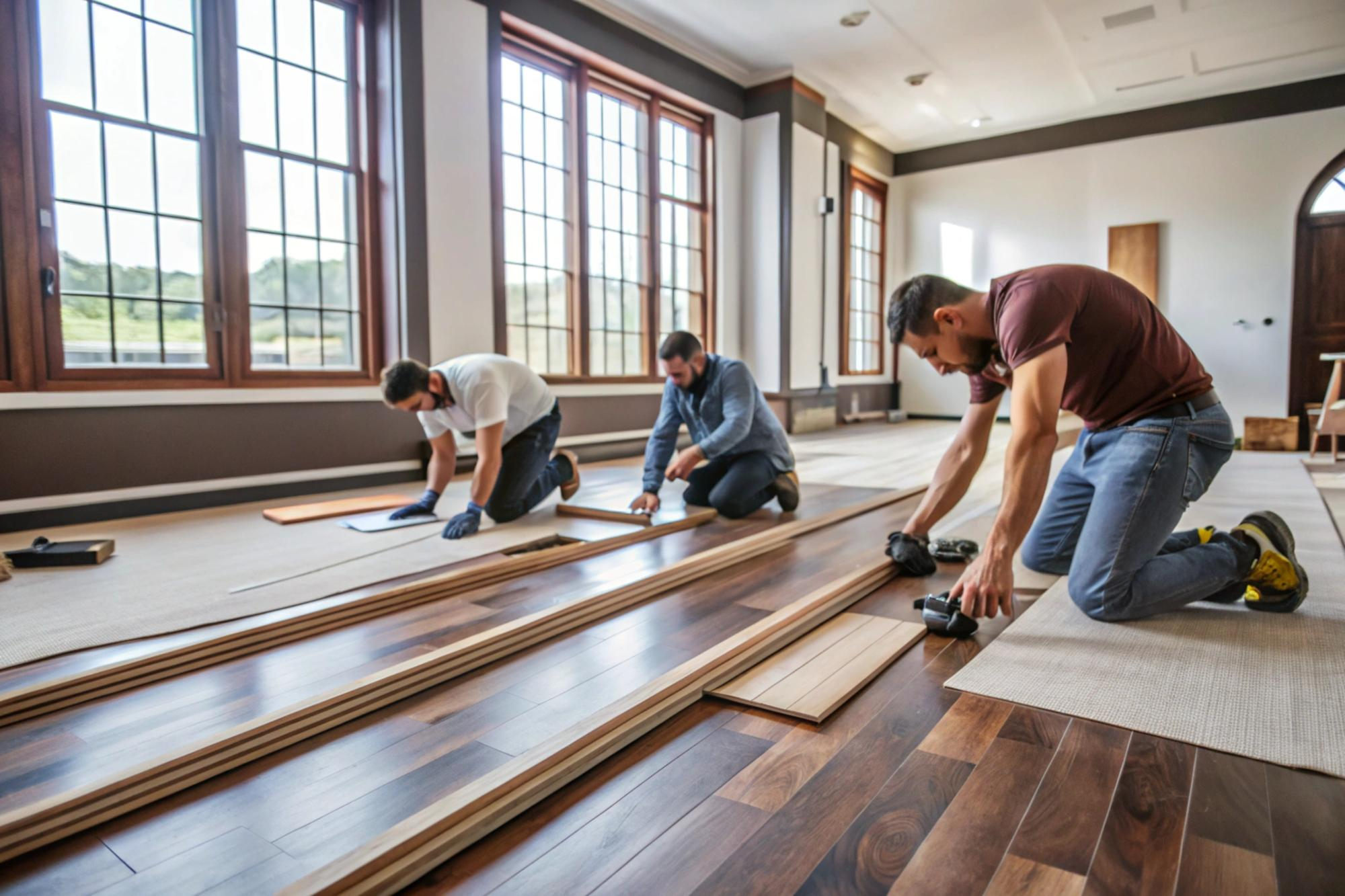
The Performance and Value of Engineered Hardwood Flooring for Your Home
Choosing the right flooring is one of the most significant investments you will make in your home. It’s the literal foundation of your interior design, influencing everything from acoustic quality to property value. For decades, solid wood was the undisputed king, but modern innovation has shifted the spotlight. Homeowners today are increasingly asking, “is engineered…
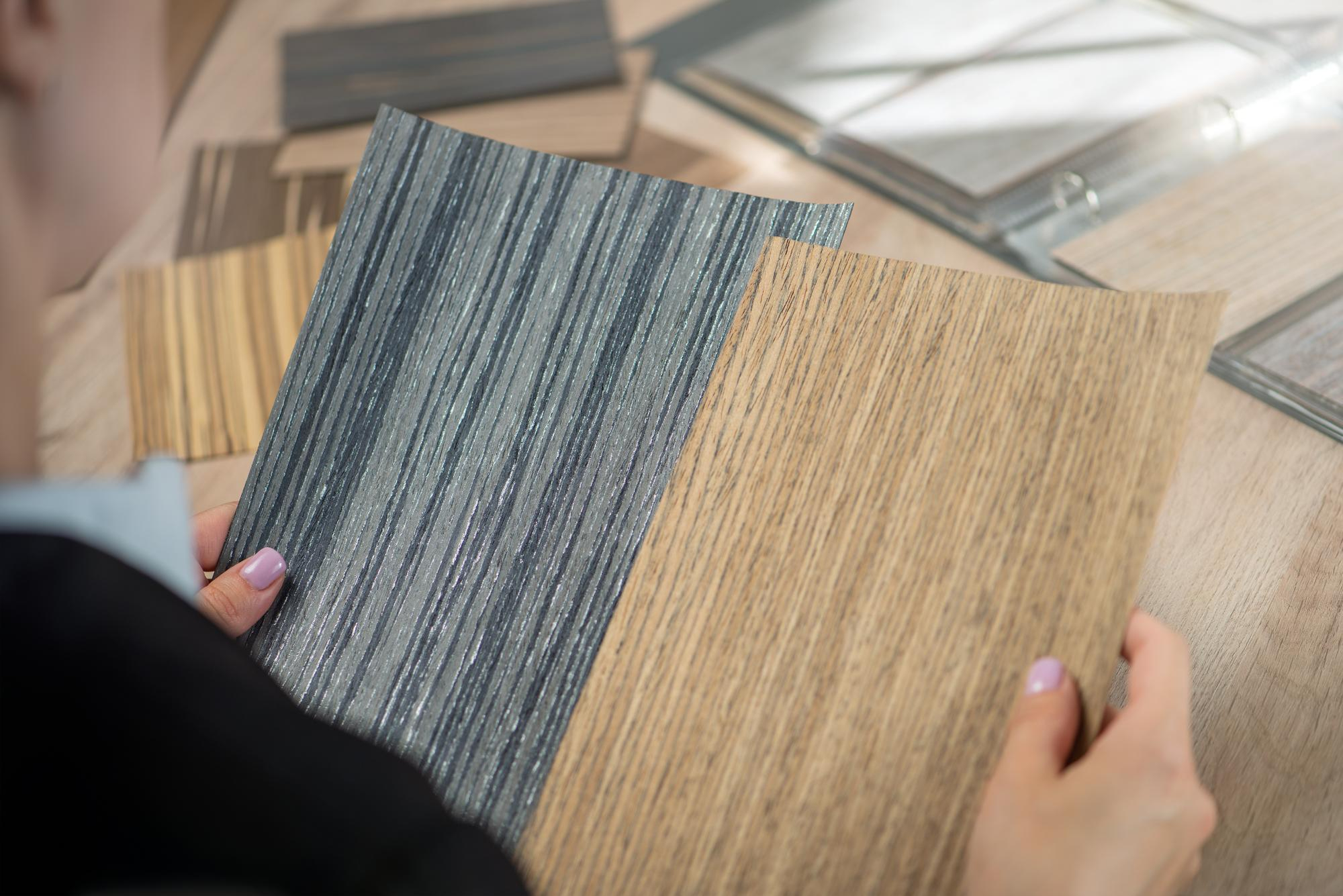
Comparing 3 Ply and Multi Ply Engineered Wood Flooring Performance, Which One Should You Choose?
The world of interior design and architectural engineering often feels like a balance between aesthetic purity and structural pragmatism. When it comes to hardwood flooring, the choice is no longer just about the species of wood or the stain color, it is about the very anatomy of the plank beneath your feet. For decades, solid…
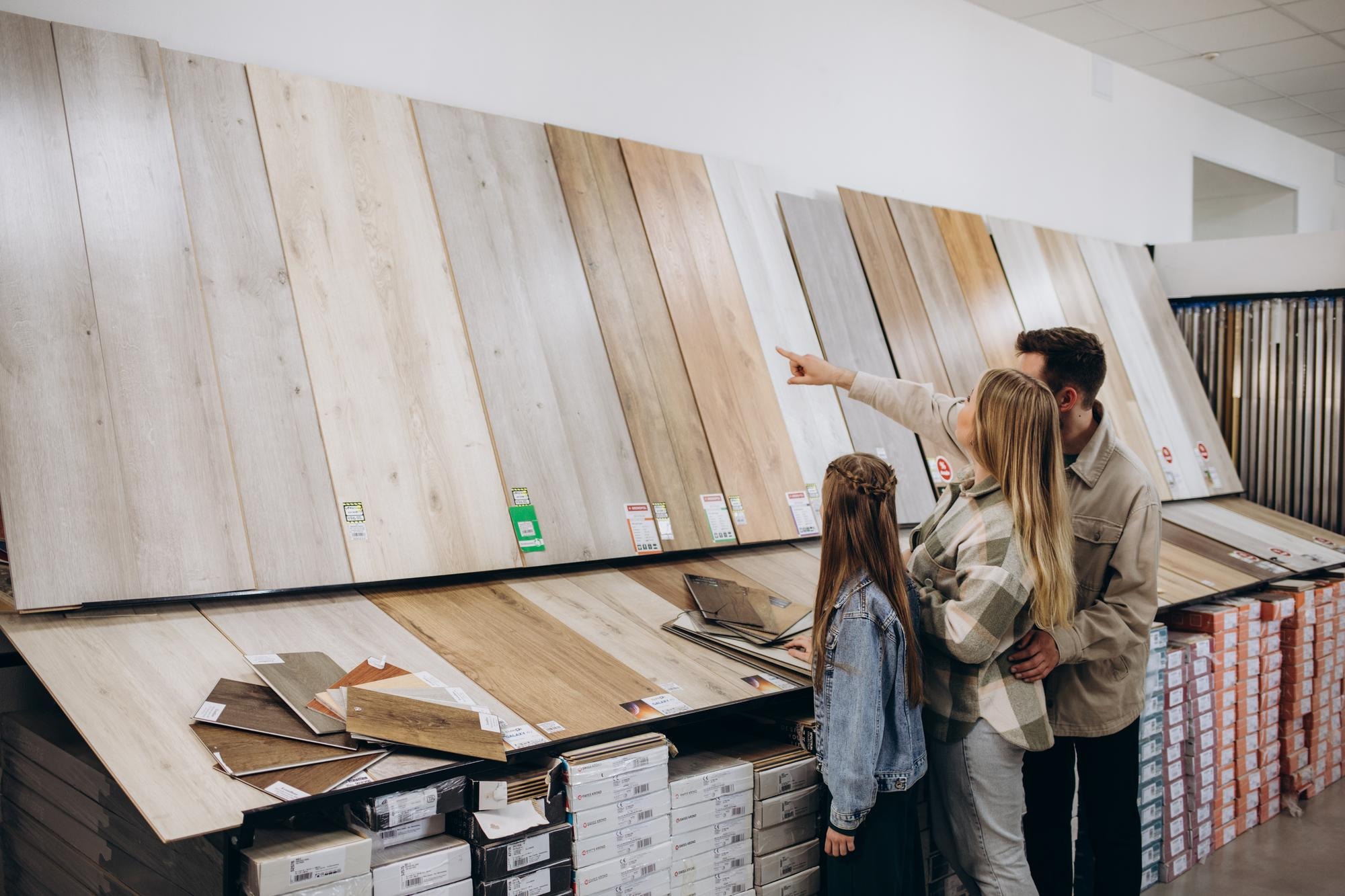
The Complete Guide to Choosing Between Solid and Engineered Wood Floors
Imagine walking into a room where the floor doesn’t just support your furniture, but actually tells a story. There is a specific, undeniable magic in the grain of natural timber, the way it catches the morning light, the warmth it holds under your bare feet, and that faint, earthy scent that makes a house feel…
- By:PT. Jati Luhur Agung
- Tags: engineered rubberwood, engineered wood, rubberwood
- Category: Wood Flooring
- 0 comment