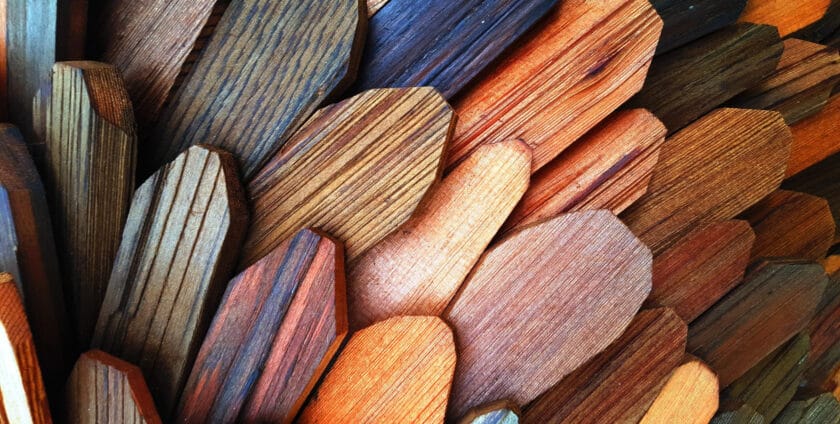
The floor of a home is more than a surface to walk on. It is the foundation of every interior decision, quietly influencing how a space feels, flows, and functions from the moment someone steps inside. When people enter a room, their eyes often register the floor before the walls or furniture, sensing warmth, texture, and balance almost instinctively. A well-chosen floor can make a space feel welcoming and grounded, while the wrong choice can disrupt harmony no matter how refined the furnishings may be.
In today’s design landscape, homeowners are no longer satisfied with floors that simply blend into the background. There is a growing desire for materials that tell a story, reflect personal taste, and bring a sense of authenticity into everyday living spaces. This shift has pushed mixed hardwood flooring into the spotlight as a design solution that feels natural yet intentional. By combining different wood species, tones, and grains, mixed hardwood flooring creates a layered visual story that reflects craftsmanship, individuality, and timeless beauty. It allows spaces to feel curated rather than generic, expressive rather than uniform, making it an increasingly popular choice for residential and commercial interiors alike where design and character matter equally.
What is Mixed Hardwood Flooring?
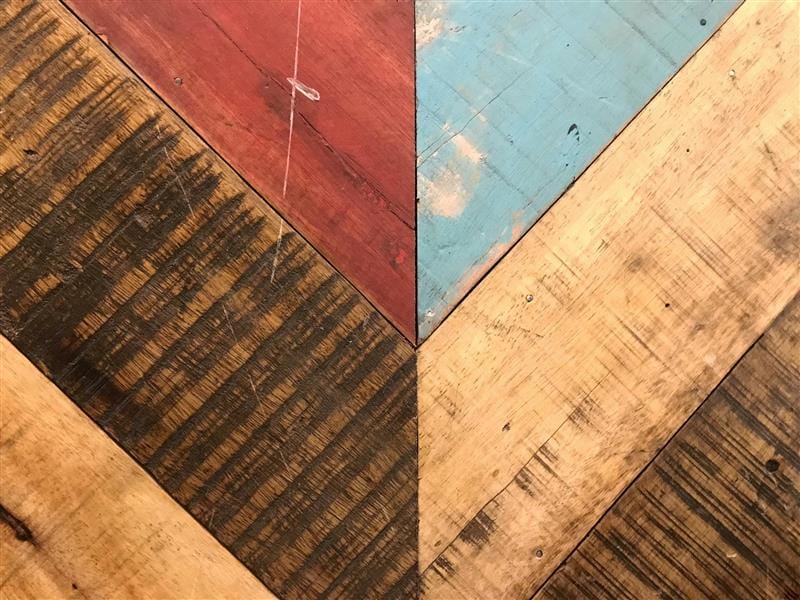
Mixed hardwood flooring is a flooring approach that intentionally blends two or more hardwood types within one continuous installation. These variations can include different wood species, contrasting color tones, diverse grain patterns, or a mix of plank widths and finishes. Unlike traditional hardwood flooring, which focuses on uniformity and repetition, mixed hardwood flooring celebrates variation as a design strength. The purpose is not to create visual chaos, but to curate a balanced composition where differences complement each other. This approach allows the floor to feel more organic, reflecting the diversity found in nature rather than a manufactured sense of perfection.
This type of flooring can be designed in many ways depending on the desired outcome. Some mixed hardwood flooring designs use subtle differences in shade to create a soft, natural transition across the floor, while others combine light and dark woods for stronger contrast. In many cases, reclaimed wood is mixed with new materials to add history and texture, giving the floor a sense of depth and narrative. What defines mixed hardwood flooring is the intention behind it. Every plank is selected and placed with care, ensuring the final result feels cohesive, refined, and visually engaging rather than random or unfinished, while also allowing the space to feel warm, distinctive, and thoughtfully designed.
What are the Advantages of Mixed Hardwood Flooring?
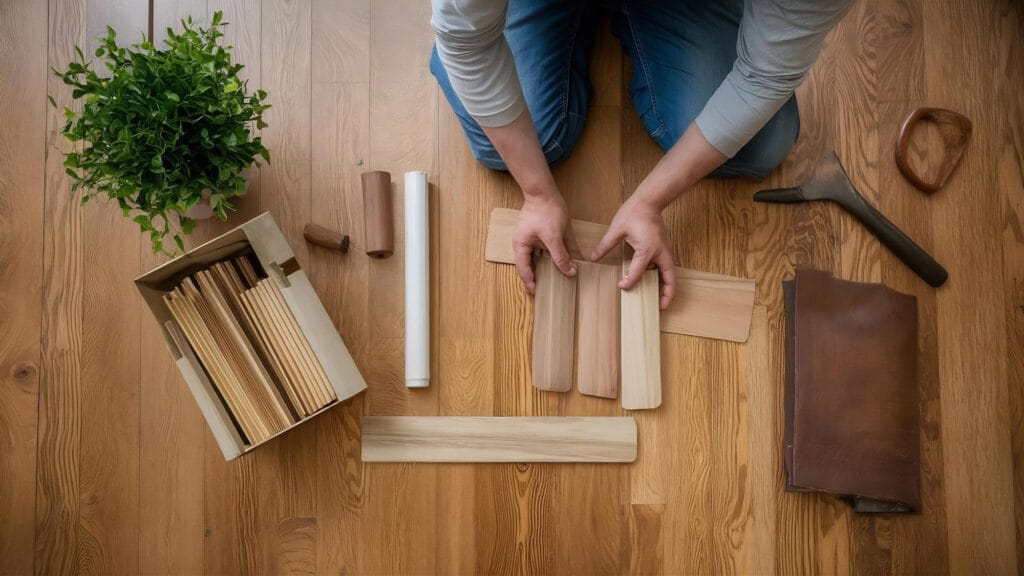
One of the most significant advantages of mixed hardwood flooring is its visual richness. The combination of colors and grains adds depth to a space, making rooms feel warmer and more inviting. This layered appearance works particularly well in open-plan homes, where flooring needs to connect multiple areas without becoming monotonous. Mixed hardwood flooring naturally draws the eye, turning the floor into a design feature rather than a background element. It creates subtle movement across the surface, which helps large spaces feel more dynamic and thoughtfully composed without relying on additional decorative elements.
From a practical perspective, mixed hardwood flooring is also highly forgiving. The natural variation helps conceal everyday wear such as dust, scratches, and small dents, making it ideal for households with children or pets. Minor imperfections blend into the overall pattern instead of standing out, allowing the floor to age gracefully over time. Another advantage is design flexibility. Because mixed hardwood flooring includes multiple tones, it pairs easily with different furniture styles, wall colors, and materials, from modern to traditional interiors with many type of wood like hardwood and engineered wood plank. This versatility allows homeowners to update décor, change layouts, or introduce new design elements without worrying about clashing with the floor. Additionally, mixed hardwood flooring can be a more sustainable choice when it incorporates reclaimed wood or optimizes the use of different wood grades, reducing material waste while maintaining high aesthetic value and long-term durability.
Trend Mixed Floor in 2026
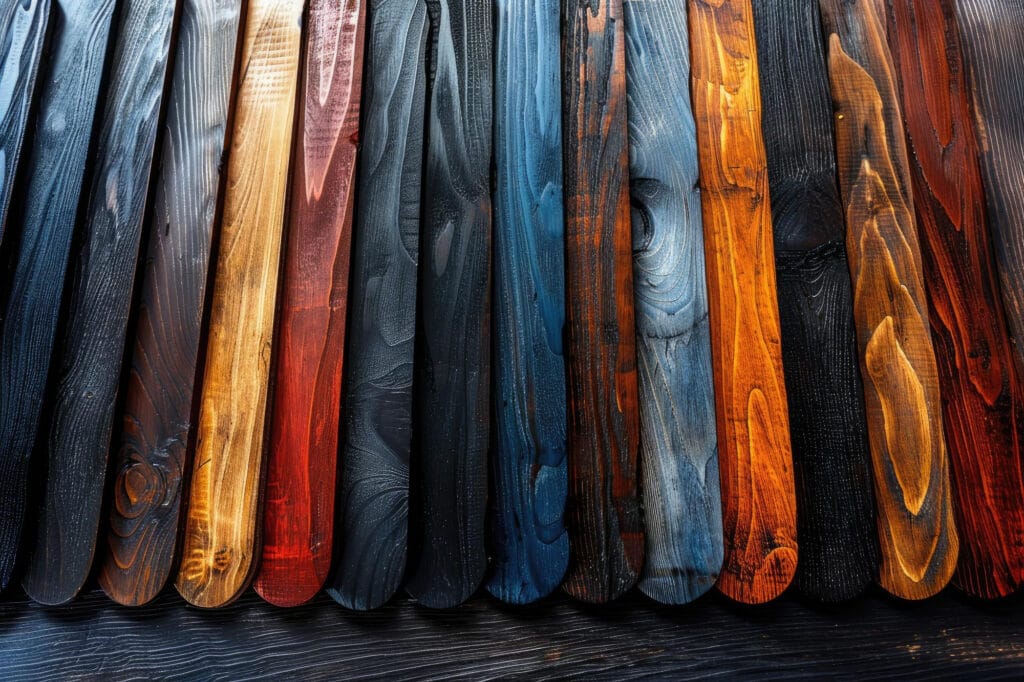
As interior design continues to evolve, mixed hardwood flooring is expected to gain even more momentum by 2026. The focus is shifting away from overly polished and artificial finishes toward surfaces that feel honest and tactile. Designers are favoring natural textures, matte finishes, and subtle imperfections that highlight the true character of wood. In mixed hardwood flooring, this means allowing each species to express its natural grain and tone rather than forcing uniformity. This approach creates floors that feel more authentic and connected to their natural origins, enhancing the emotional quality of interior spaces.
Color trends are also becoming more nuanced. Instead of extreme contrasts, future mixed hardwood flooring designs will emphasize harmonious blends of warm and cool tones. Soft browns, muted honey shades, and gentle gray undertones will be combined to create floors that feel calm yet layered. Sustainability will play a major role as well, with increased demand for responsibly sourced materials and long-lasting construction. Homeowners are increasingly drawn to floors that age beautifully rather than follow short-lived trends, valuing durability and timeless appeal. In this context, mixed hardwood flooring fits perfectly, offering both aesthetic depth and environmental awareness while aligning with modern lifestyle values, conscious design choices, and a growing appreciation for long-term quality over quick visual impact.
How to Design a Balanced Mixed Hardwood Floor
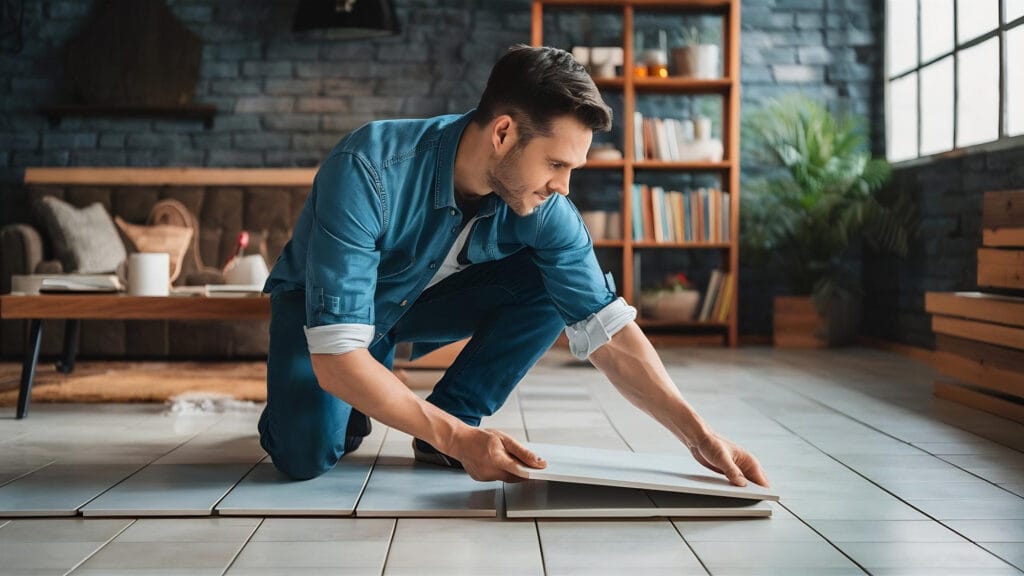
Designing a balanced mixed hardwood flooring layout requires thoughtful planning and a clear design vision from the very beginning. The first step is establishing a dominant element, usually one primary wood species or tone that anchors the entire floor. This main material sets the overall mood of the space and provides visual stability, acting as a reference point for all other design decisions. Secondary woods are then introduced to add contrast and interest without overpowering the main visual theme. This hierarchy is essential to prevent the design from feeling scattered or unintentional, ensuring that variation feels deliberate rather than accidental and contributes to a sense of harmony.
Layout and proportion are equally important in achieving balance. Even distribution of different woods can create a seamless, woven appearance that feels cohesive across the entire space, while strategic placement can subtly define zones within larger rooms such as living, dining, or working areas without the need for physical dividers. Plank size and direction also influence balance, as wider planks can emphasize certain wood types more strongly and guide the eye through the room. Lighting must be carefully considered, since different wood tones react differently to natural and artificial light throughout the day, potentially changing the appearance of the floor. Testing samples in the actual room helps ensure the balance remains consistent and visually pleasing in all conditions. When executed properly, mixed hardwood flooring enhances the architecture of a space and supports the overall interior design rather than competing with it, creating an environment that feels intentional, comfortable, and enduring over time.
Best Wood Combinations for Mixed Floors
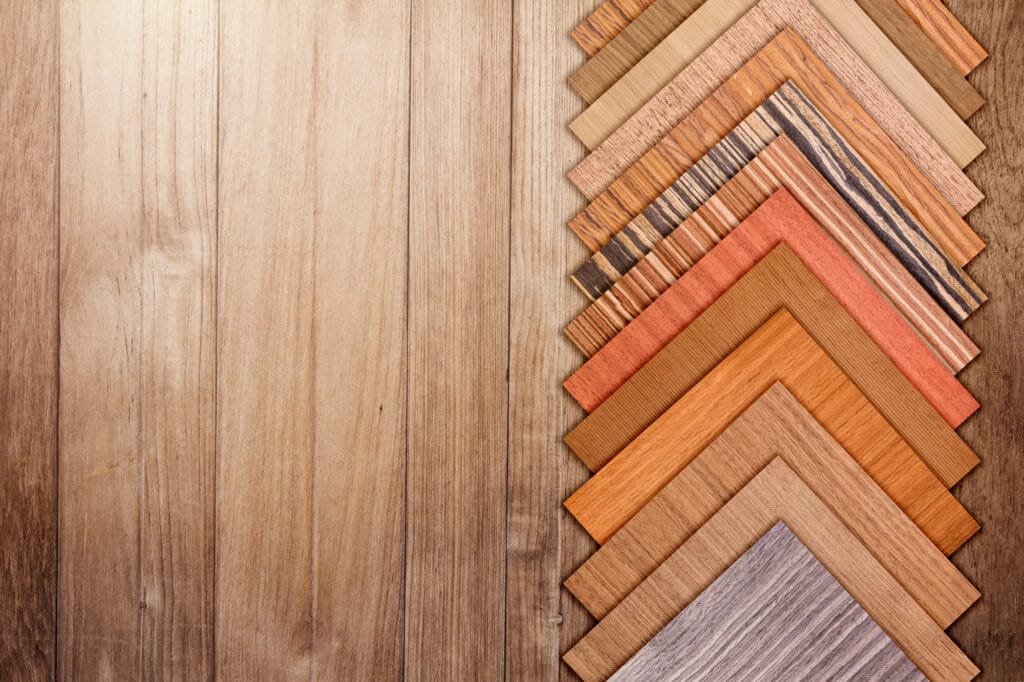
Grain patterns also play a vital role in the success of mixed hardwood flooring. Mixing subtle, straight grains with more expressive textures adds visual interest without overwhelming the space. Woods with pronounced grain patterns should be balanced with calmer surfaces to maintain harmony. Color undertones must also be considered, as warm and cool hues should transition smoothly across the floor. The goal is cohesion rather than contrast for its own sake. Well-considered combinations elevate mixed hardwood flooring into a refined design statement that feels intentional, timeless, and adaptable across different interior styles, while also ensuring the floor remains visually appealing as trends and personal tastes evolve over time.
What Goes Into Designing a Mixed Hardwood Floor?
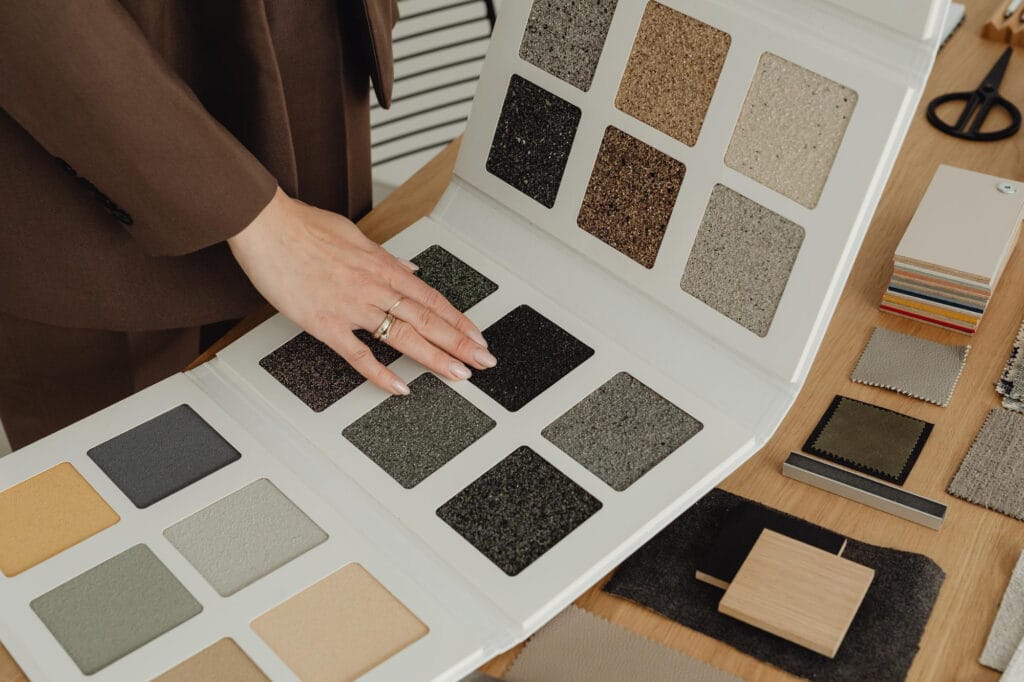
This is where working with experienced professionals becomes essential. A trusted supplier such as Jati Luhur Agung understands how to balance beauty with performance at every stage of the process. Their expertise in premium hardwood selection and custom flooring solutions ensures that mixed hardwood flooring is not only visually striking but also structurally sound and suitable for daily use. From selecting compatible species to advising on installation methods and finishes, professional guidance reduces risk and enhances results. Consulting with specialists early in the process helps avoid costly mistakes and transforms creative concepts into floors that perform beautifully for decades, making us a reliable partner for those seeking quality, craftsmanship, and lasting value in mixed hardwood flooring.
Mixed Species Hardwood Flooring Offers A Variety of Colors and Grains
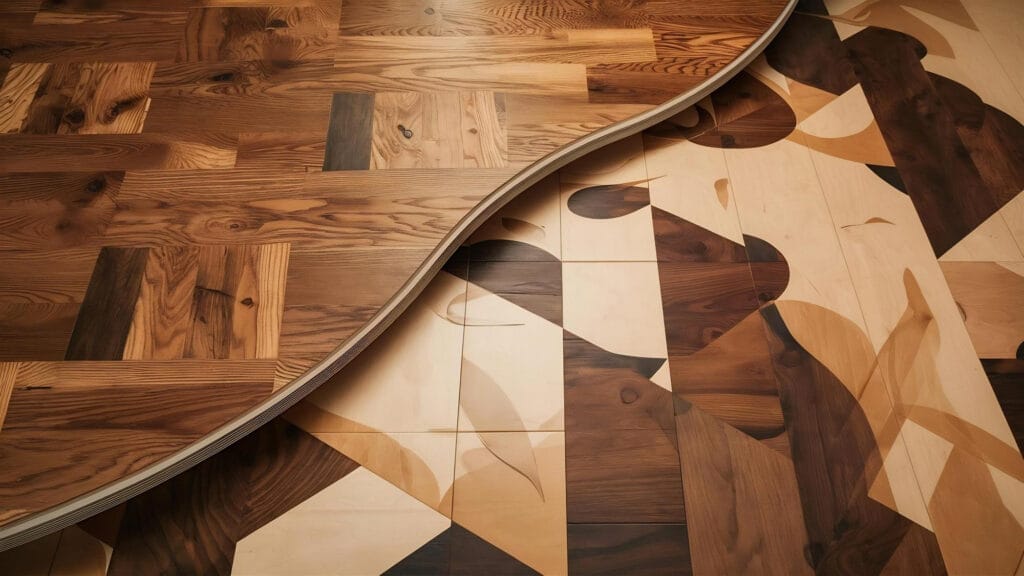
One of the strongest appeals of mixed hardwood flooring is the wide variety of colors and grain patterns it brings into a space. Each plank contributes its own character, creating a surface that feels dynamic yet unified rather than repetitive or flat. Light and dark tones interact naturally across the floor, while subtle differences in grain direction and texture add visual movement that makes the surface feel alive. This diversity adds warmth and authenticity, allowing interiors to feel more connected to nature and less manufactured. Spaces finished with mixed hardwood flooring often feel more inviting and comfortable because the variation creates a sense of depth and richness that cannot be replicated with uniform materials.
Over time, as the wood develops patina, mixed hardwood flooring gains even more depth and personality, with the natural aging process enhancing color variation and highlighting grain patterns, reinforcing its value as a long-term investment rather than a short-term design choice. Rather than following fleeting trends, mixed hardwood flooring continues to stand out because it balances contrast with harmony, craftsmanship with comfort, and individuality with cohesion, allowing homeowners and designers to create spaces that feel personal, enduring, and thoughtfully designed, while remaining flexible enough to evolve alongside changing tastes, furniture styles, and lifestyles, ensuring the floor remains relevant, beautiful, and meaningful for many years to come.
-
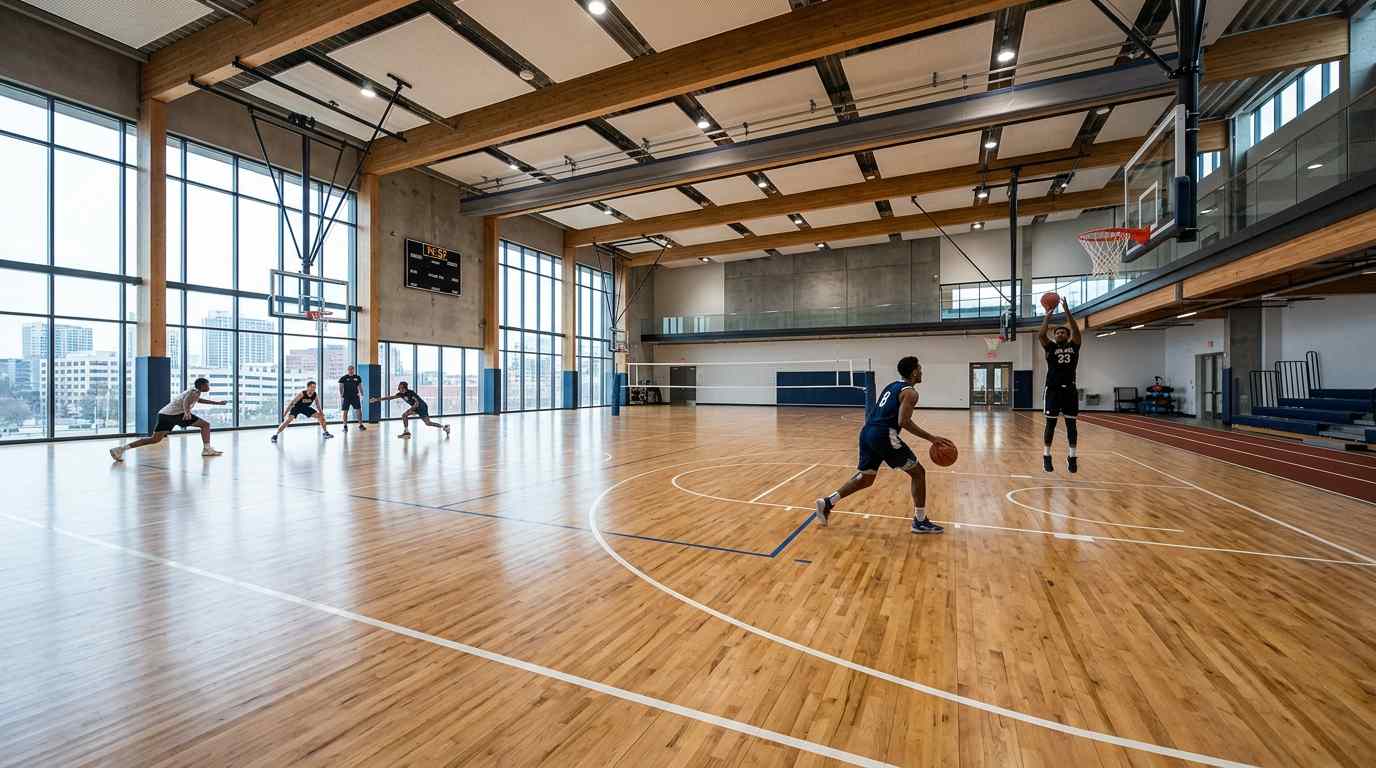
What Is a Wood Gym Floor? Expert Guide for Sports Facilities
The floor is one of the most important elements in an indoor sports facility. It affects how athletes move, stop, jump, land, and change direction. It also influences comfort, maintenance, and the appearance of the venue. For basketball courts, school gyms, training centers, and multipurpose halls, choosing suitable flooring is an important part of the…
-
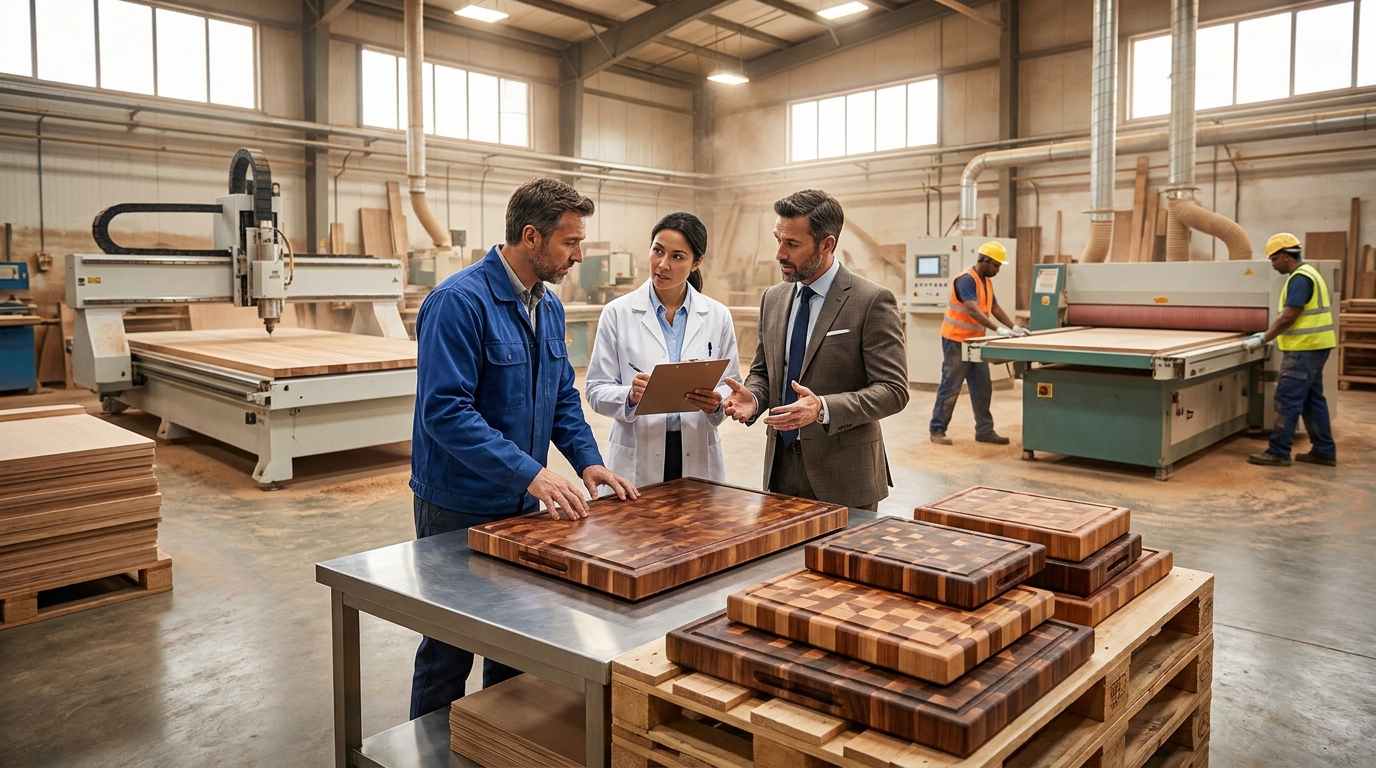
What to Look for in an End Grain Cutting Board Manufacturer
Choosing the right cutting board manufacturer can be more important than it first appears. For retailers, distributors, restaurant suppliers, and kitchenware brands, the manufacturer behind a product directly influences its consistency, appearance, durability, and overall customer experience. A cutting board may look simple, but producing one that performs well requires careful material selection, precise processing,…
-
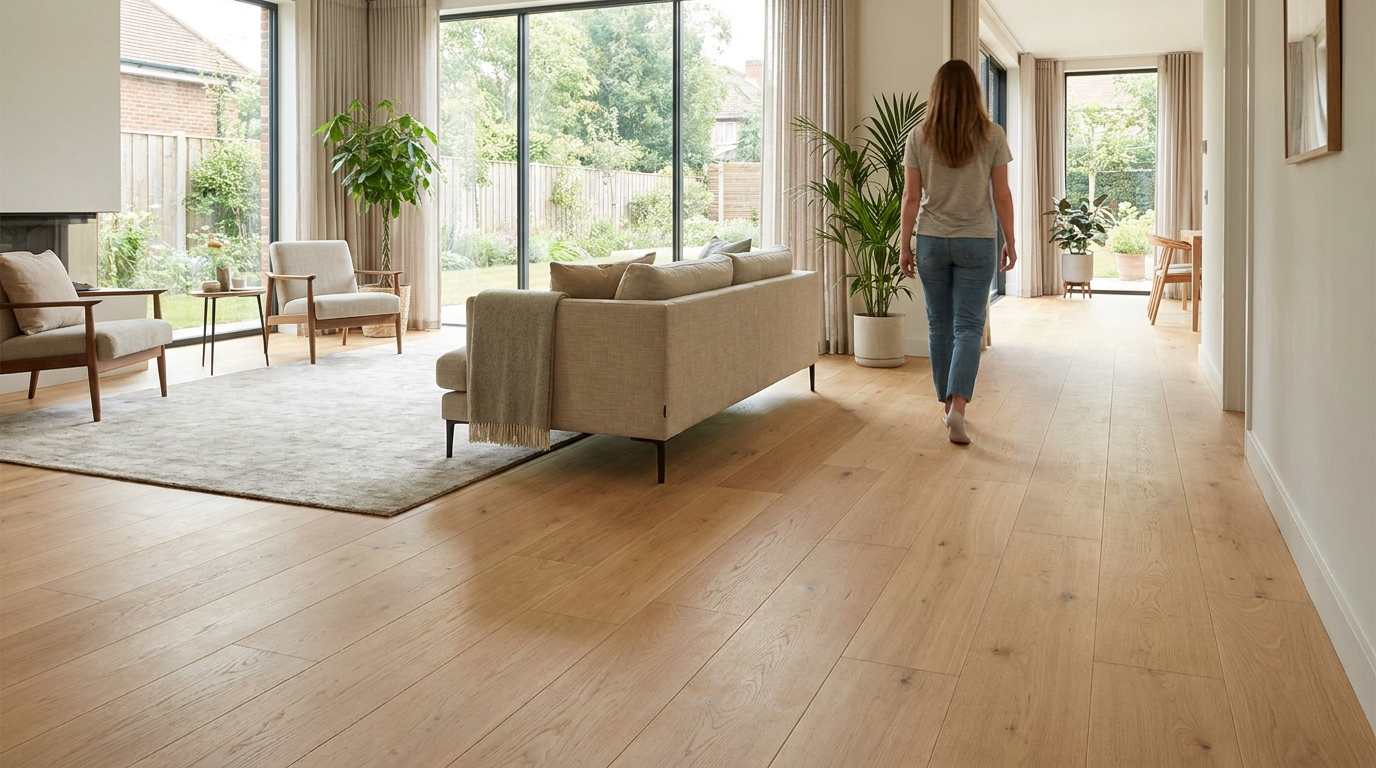
Hevea Engineered Flooring Tips for Better Performance and Longevity
Hevea engineered flooring can bring a warm, natural character to an interior while offering the practical structure needed for everyday use. Made with a real wood surface and engineered construction, this flooring can be a suitable choice for homes, offices, hospitality spaces, and other interiors where appearance and stability both matter. However, good performance does…
- By:PT. Jati Luhur Agung
- Tags: hardwood flooring, mixed wood
- Category: Wood Flooring
- 0 comment