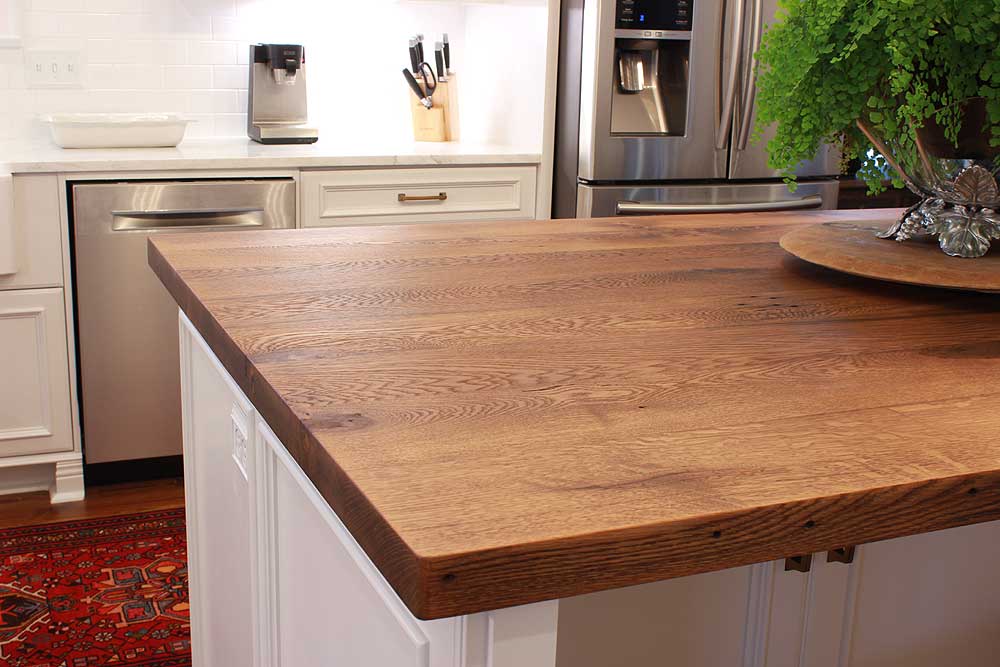
A warmly inviting kitchen often centers around its countertops, serving as both a practical workspace and a statement piece. Wood countertops bring natural beauty and timeless charm, transforming any kitchen into a cozy yet sophisticated haven. However, to truly elevate your kitchen’s ambiance and ensure long-lasting functionality, knowing how to properly finish wood countertops is essential. This process not only enhances the wood’s natural grain but also provides protection against daily wear and tear, spills, and stains. Whether you’re renovating or installing new wooden surfaces, mastering the right finishing wood countertops techniques will make all the difference in achieving a showroom-quality finish.
Wood countertops have surged in popularity due to their versatility and the warmth they add to kitchen spaces. Unlike more clinical surfaces such as granite or quartz, wood adds an organic texture that works well with a variety of interior styles from rustic farmhouse to sleek modern designs. But wood’s natural qualities also mean it requires attentive care. Finishing wood countertops properly impacts not just the look but the longevity and durability of your kitchen surfaces. Well-finished wood counters resist moisture, prevent staining, and develop a patina that grows richer over time.
Many homeowners appreciate the character that wood countertops develop as they age the minor scratches, subtle dents, and deepening color lend a sense of history and personality to your kitchen. But this only happens when the wood is finished and maintained with the right techniques. Poorly finished wood can absorb stains, swell with moisture, or crack, undermining its functionality and beauty. Understanding finishing wood countertops is the key to preserving this natural element in your home.
How to Condition Wood Countertops Properly
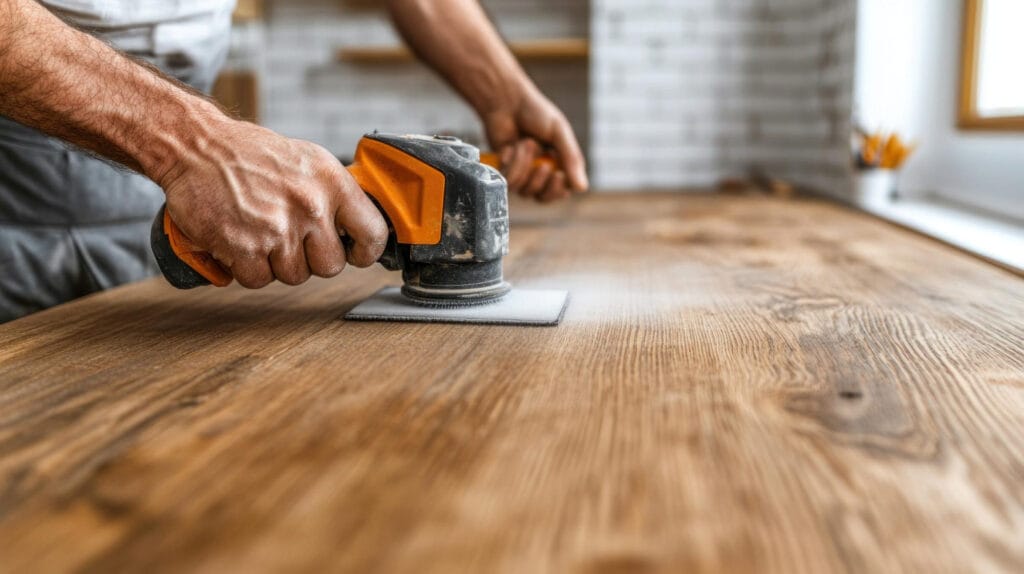
Conditioning wood countertops is a crucial first step when it comes to preparation and ongoing maintenance. It involves cleaning, sanding, and nourishing the wood to make it receptive to finishes and protect it from moisture. Start by cleaning the surface thoroughly with a mild soap and water solution to remove dirt or residues. This step helps clear out grime that could interfere with finish absorption or create uneven patches. Once dry, lightly sand the countertops with fine-grit sandpaper, working with the grain to smooth out any imperfections, scratches, or rough patches.
Sanding also opens the wood’s pores, allowing better penetration of oils or varnishes. After sanding, it’s important to wipe the surface clean with a tack cloth to remove all dust particles that might affect the finish’s smoothness. It would be best to begin by searching for the perfect wood to upgrade your kitchen countertops.
Following sanding, apply a food-safe wood conditioner or mineral oil using a soft, lint-free cloth. This step saturates the wood fibers, preventing uneven absorption of finishes and helping to extend the countertop’s lifespan. Generously apply the oil and allow it to soak in for several hours or overnight. If the wood appears dry, apply additional coats until it no longer readily absorbs the oil. Finally, wipe off any excess to achieve a smooth, non-sticky surface. Regular conditioning, ideally once a month, keeps your wood countertops hydrated and resistant to cracks or warping caused by fluctuating humidity or temperature changes. Neglecting this step can lead to premature wear and water damage, undermining your investment.
Prepare to Condition Wood Countertops
Beyond the initial preparation, ongoing care is vital for wood countertops to retain their beauty and durability. Proper conditioning is an important part of finishing wood countertops, involving periodic applications of oil-based products such as tung oil, Danish oil, or specialized countertop oils that penetrate deeply, sealing the wood against water damage and everyday stains. These oils penetrate the wood fibers rather than just sitting on the surface, which strengthens the surface from within.
Avoid water-based finishes for conditioning as they don’t provide adequate protection and may raise the grain, causing a rough feel. Instead, choose natural oils that dry to a tough, water-resistant finish while enhancing the wood’s warm tones. This step in finishing wood countertops ensures the material stays resilient and visually appealing. The key is to apply these oils generously but evenly, working them into the surface with a circular motion and allowing time for full absorption. After letting the oil penetrate for 15–30 minutes, wipe off any excess with a clean, dry cloth to prevent sticky residue or blotchy areas. For best results, plan for several coats with light sanding between applications to achieve a smooth, even finish.
Pay special attention to edges and joints where moisture often accumulates and problems are more likely to develop. Conditioning also helps maintain a smooth, natural feel that adds warmth and tactile pleasure to your kitchen worktop experience. In addition to oils, wax can be used as a secondary finish to add a silky sheen and extra moisture resistance, though it should be reapplied regularly to maintain the benefits of proper finishing wood countertops techniques.
Finish or Stain Choices for Your Wood Countertops
Selecting the right finish or stain is the pivotal step in how to finish wood countertops to enhance both aesthetics and performance. A well-chosen finish transforms raw wood into a functional surface that withstands kitchen tasks while highlighting the grain’s beauty. Here are the most common choices:
1. Oil Finishes
Natural oils like tung oil, linseed oil, and Danish oil deepen wood grain and produce a soft, matte sheen. They are prized for ease of application and repairability, damages can often be fixed by simple spot re-oiling. However, oil finishes typically require more frequent maintenance (every few months) to maintain protection, and they offer moderate resistance against heat and scratches.
2. Polyurethane
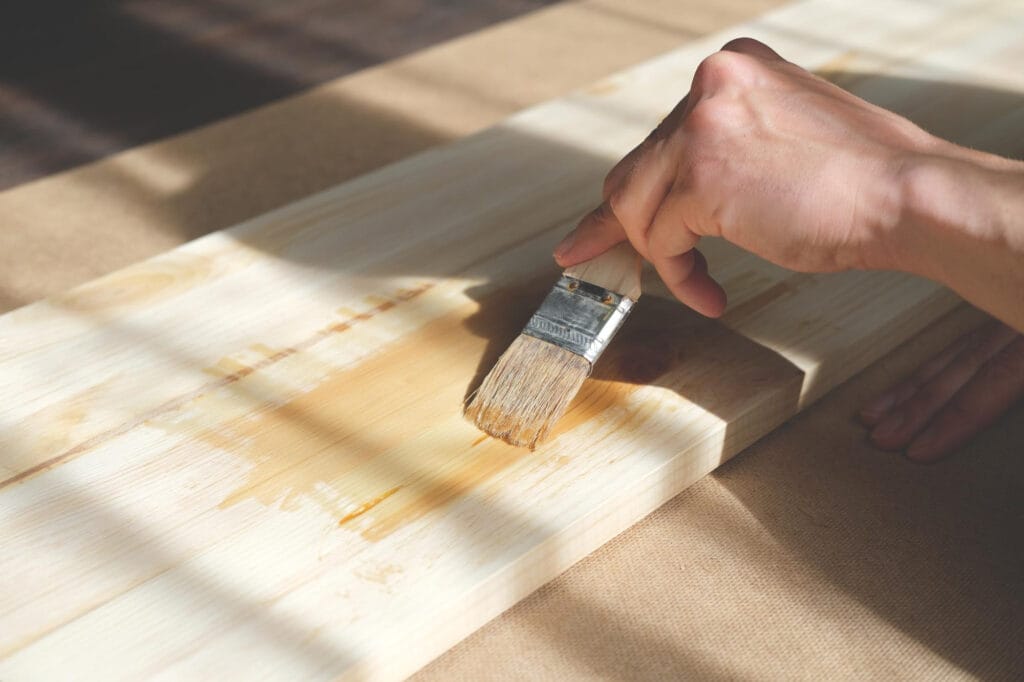
For homeowners seeking high durability, polyurethane varnish offers a tough, resilient surface resistant to water, heat, stains, and scratches. Available in gloss, semi-gloss, and matte sheens, it seals the wood with a clear protective layer that preserves the grain’s natural look. Applying polyurethane requires careful surface prep and multiple coats with sanding in between for the best finish.
3. Stains
If you want to alter the wood color without hiding its grain, stains offer numerous tones from light oak to rich mahogany. Staining wood countertops lets you customize the look to match existing cabinetry or décor styles. Stains usually require a protective topcoat of oil or polyurethane to safeguard against moisture and wear.
4. Wax Finishes
Used mostly as a coating over oil finishes, wax provides additional luster and smoothness but isn’t highly protective on its own. It’s ideal for surfaces with light usage or as a supplementary step after oiling.
Balancing beauty and toughness is fundamental when deciding on your finishing method. For busy kitchens, a polyurethane finish over a high-quality wood conditioner offers excellent protection and easy cleaning. For those who prefer maintaining a natural, warmer feel, oil finishes with diligent maintenance provide a timeless, organic appeal. Each finish choice affects your countertop’s usability, maintenance schedule, and how the wood’s natural character develops over time.
When selecting a stain or finish, consider the wood species and its natural color. Some woods like maple or birch benefit from staining, while the richer grains of walnut or cherry are often enhanced with clear finishes. Testing finishes on a scrap piece or an inconspicuous area of your countertop can help avoid surprises and ensure you achieve the perfect tone.
Wood Countertops FAQs
- Maintenance: How often should wood countertops be conditioned?
Regular conditioning every month helps maintain optimal moisture balance and prevents splits, warping, or drying out. Condition more frequently in dry climates or if the kitchen experiences heavy use. Always clean spills promptly and avoid harsh or abrasive cleaners, as these can damage the finish.
- Finish: Which finish is best for food safety?
Food safety is paramount because countertops are food preparation areas. Mineral oil, tung oil, and other natural oils labeled food-safe are excellent options. Avoid polyurethane or varnishes that haven’t been fully cured or release volatile organic compounds (VOCs). Look for finishes specifically designed or certified for kitchen surfaces.
- Durability: How durable are finished wood countertops?
Durability depends largely on the finish type. Polyurethane offers high resistance to scratches, heat, and stains, lasting several years without needing refinishing. Oil finishes protect moderately well but need regular reapplication and may show marks from hot pans or sharp knives more easily. Proper conditioning greatly extends durability by preserving moisture content and preventing cracking or warping.
ADDITIONAL TIPS: Use cutting boards to protect the surface from knife marks, and trivets for hot pots to avoid heat damage. Avoid soaking the wood or exposing it to standing water, as excess moisture can cause swelling and mold.
Extending the life of your wood countertops is not just about applying finishes once. Monitoring the condition of your surfaces regularly is essential. Pay attention to areas frequently exposed to moisture or heavy use. If you notice dull spots, discoloration, or water rings, these signs indicate it’s time to reapply your finish or conditioning oil. Performing light sanding before refinishing can also revitalize the wood.
In summary, finishing wood countertops properly involves multiple steps of conditioning, sanding, and applying the right finish tailored to your kitchen’s usage and style preferences. With consistent maintenance and informed product choices, your wood countertops will bring warmth and elegance to your kitchen for years. If you want to explore premium options and professional advice on finishing wood countertops, don’t hesitate to us. Elevate your kitchen with the unmatched charm and resilience of finely finished wood surfaces, crafted to last!
-

What Is a Wood Gym Floor? Expert Guide for Sports Facilities
The floor is one of the most important elements in an indoor sports facility. It affects how athletes move, stop, jump, land, and change direction. It also influences comfort, maintenance, and the appearance of the venue. For basketball courts, school gyms, training centers, and multipurpose halls, choosing suitable flooring is an important part of the…
-

What to Look for in an End Grain Cutting Board Manufacturer
Choosing the right cutting board manufacturer can be more important than it first appears. For retailers, distributors, restaurant suppliers, and kitchenware brands, the manufacturer behind a product directly influences its consistency, appearance, durability, and overall customer experience. A cutting board may look simple, but producing one that performs well requires careful material selection, precise processing,…
-
Hevea Engineered Flooring Tips for Better Performance and Longevity
Hevea engineered flooring can bring a warm, natural character to an interior while offering the practical structure needed for everyday use. Made with a real wood surface and engineered construction, this flooring can be a suitable choice for homes, offices, hospitality spaces, and other interiors where appearance and stability both matter. However, good performance does…
- By:PT. Jati Luhur Agung
- Tags: finish wood countertops, wood countertops
- Category: Wood Flooring
- 0 comment