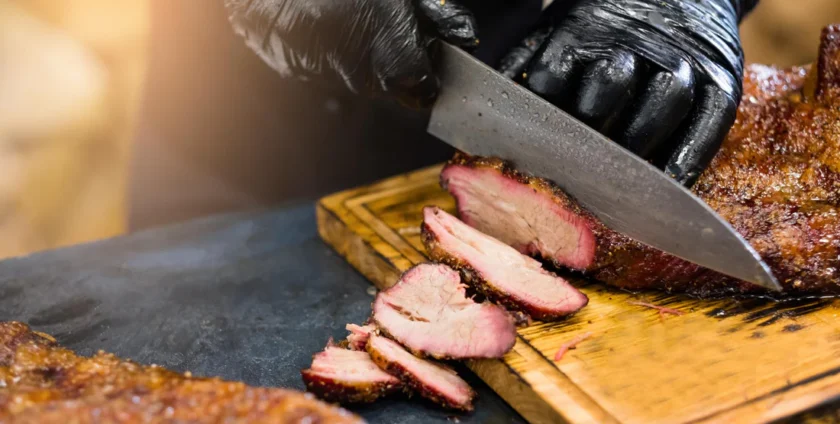
When it comes to preparing meat at home, your cutting board isn’t just another kitchen tool, it’s the stage where your cooking begins. With food safety concerns making headlines and awareness about cross-contamination at an all-time high, choosing the right board has become more than just a matter of preference. In fact, professional chefs often say that the board beneath your knife has as much impact on your cooking as the quality of the meat itself.
The wrong board, however, can harbor harmful bacteria, shorten the lifespan of your knives, and make prep work frustrating. Whether you’re slicing juicy steaks, trimming chicken breasts, or prepping fresh fish, the board you use plays a key role in both the safety and the quality of your meal. Yet, in many kitchens, the cutting board is often overlooked until it’s already showing deep knife marks, unpleasant odors, or stubborn stains. Before you pick up your chef’s knife again, it’s worth understanding which board truly earns the title of best type of cutting board for meat and how to maintain it for years of safe, satisfying cooking.
Why Choosing The Right Cutting Board for Meat Matters
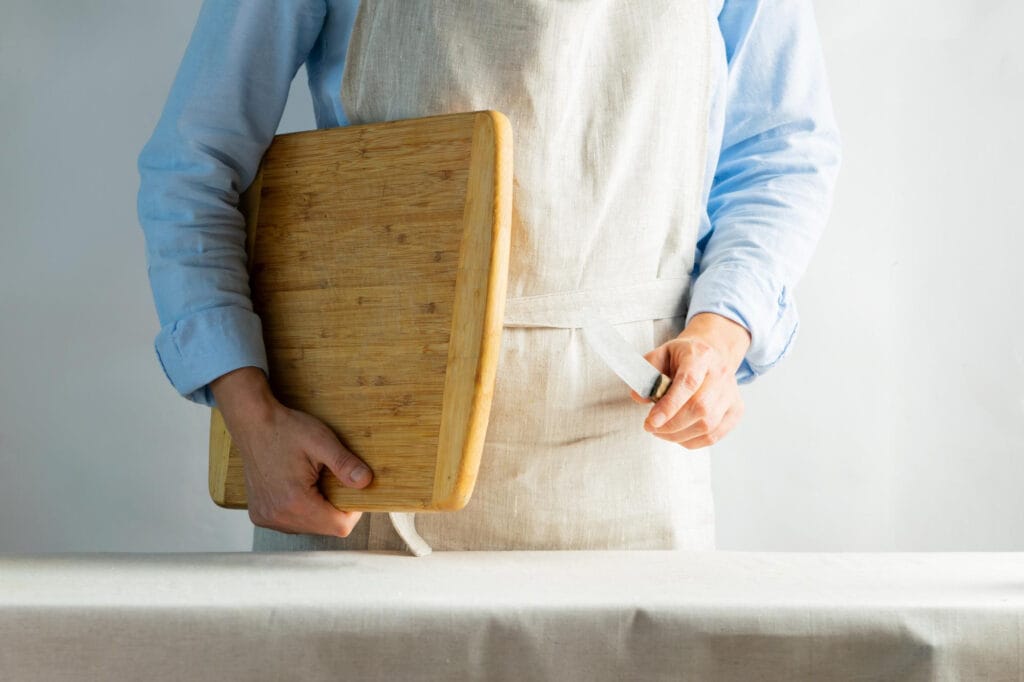
When you’re working with meat especially raw meat, the stakes are high. The wrong cutting board can harbor bacteria, dull your knives, and even make the prep process unsafe. Certain surfaces allow juices to seep into deep cuts and scratches, creating a breeding ground for harmful microbes. This is why experts emphasize that the best type of cutting board for meat should have a non-porous surface that resists moisture and is easy to sanitize. Plastic boards, particularly those made from high-density polyethylene (HDPE), have been a long-time favorite for raw meat because they can handle hot water, soap, and even the dishwasher without warping. They’re lightweight, come in multiple colors for easy food-type separation, and are generally inexpensive to replace when they get worn out.
That said, wood especially hardwoods like maple or walnut still has its fans. While wood is porous by nature, it contains natural antimicrobial properties and can be sanded to remove deep grooves, essentially giving it a new life. End-grain wooden boards, in particular, are known for being gentle on knives and long-lasting with proper care. But for meat, wooden boards require extra diligence in cleaning and conditioning, since trapped moisture can lead to odor or bacterial buildup if neglected.
Choosing incorrectly isn’t just a small inconvenience, it could affect your health. A dedicated board for meat helps prevent cross-contamination with vegetables, bread, and ready-to-eat foods. Even better, many home cooks keep two or more boards in rotation, color-coded or labeled for different food types. Better yet, you can try a guide to sourcing high quality wood cutting boards in the USA.
How to Clean & Maintain Cutting Board for Meat

Having the right board is only half the battle; keeping it clean and safe is the other half. After each use, especially with raw meat, it’s important to wash the board thoroughly with hot, soapy water, rinse, and dry it completely. Leaving moisture on the surface for too long can encourage bacterial growth and even warp certain materials.
For plastic boards, occasional sanitizing with a mild bleach solution (one tablespoon of bleach per gallon of water) can help eliminate lingering bacteria. They’re also safe to run through the dishwasher, which provides a hot-water wash that’s ideal for sanitization. For wooden boards, skip prolonged soaking and opt to gently scrub the surface with a damp cloth and mild dish soap, give it a quick rinse, and dry it right away with a clean towel. If you use wood for meat, regular conditioning is key. Applying food-grade mineral oil every few weeks creates a barrier that helps resist moisture penetration. Some cooks also finish with a beeswax blend for extra protection, which not only keeps the board functional but also preserves its natural beauty. A conditioned board also resists cracking and prevents fibers from raising when exposed to water.
Finally, think about stability, a slipping board can cause accidents. Placing a damp paper towel, kitchen cloth, or non-slip mat underneath ensures your board stays put while you work. It’s a simple trick, but it dramatically improves safety and efficiency during prep.
Our Recommendation Cutting Board for Meat
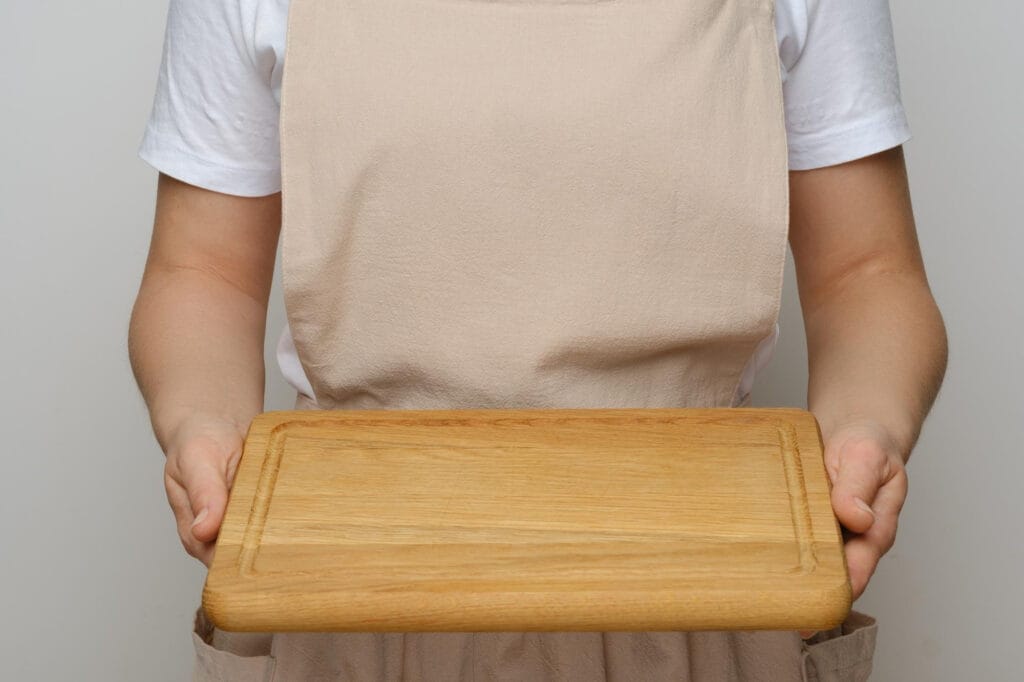
After years of debate, there’s no single universal answer to what is the best type of cutting board for meat, but there are clear standouts depending on your priorities. If effortless cleaning tops your priority list, a premium-grade plastic board is tough to surpass. It’s affordable, lightweight, and dishwasher-safe, making it a reliable choice for raw meat preparation. It’s especially practical for busy home cooks who want a quick wash-up after dinner without worrying about delicate maintenance.
If you value aesthetics and durability alongside functionality, a hardwood cutting board, properly maintained, can be just as safe while adding a touch of elegance to your kitchen. Many chefs swear by large, end-grain wooden boards for our knife-friendly surface and longevity. With good care, these boards can last decades, turning into heirloom kitchen tools.
For those seeking premium, responsibly sourced wooden boards, we are is worth exploring. Our craftsmanship, using select hardwoods like acacia and walnut, combines beauty with functionality. Each board is thoughtfully designed to balance durability and style, making it a centerpiece in any kitchen. These boards aren’t just tools, they’re investment pieces designed to last for years with proper care. You can explore our collection and find a board that matches both your cooking style and your aesthetic preferences.
Reasons to Buy The Wood: 5 Reason You Need to Buy Acacia Wood Cutting Boards
In the end, choosing the best type of cutting board for meat comes down to balancing hygiene, durability, and personal preference. A plastic board offers convenience and easy cleaning, making it a practical choice for everyday meat prep. Meanwhile, a well-cared-for wooden board offers timeless appeal and excellent performance if you’re willing to commit to regular maintenance. Either way, your cutting board should be more than just a slab of material, it should be a trusted partner in your cooking routine. It’s the silent guardian between your food and your work surface, protecting your family from potential contamination while helping you prepare meals with confidence.
By selecting the right board, dedicating it to meat prep, and keeping it clean, you’re not just protecting your investment but you’re also protecting the health of everyone who shares your table. What do you think? Let’s discuss it with our team!
Comparing 3 Ply and Multi Ply Engineered Wood Flooring Performance, Which One Should You Choose?
The world of interior design and architectural engineering often feels like a balance between aesthetic purity and structural pragmatism. When it comes to hardwood flooring, the choice is no longer just about the species of wood or the stain color, it is about the very anatomy of the plank beneath your feet. For decades, solid…

The Complete Guide to Choosing Between Solid and Engineered Wood Floors
Imagine walking into a room where the floor doesn’t just support your furniture, but actually tells a story. There is a specific, undeniable magic in the grain of natural timber, the way it catches the morning light, the warmth it holds under your bare feet, and that faint, earthy scent that makes a house feel…

Golden Teak Hardwood Flooring for Sophisticated Interiors
When it comes to the zenith of interior design, few elements carry the same weight of history, prestige, and raw natural beauty as golden teak hardwood flooring. Often referred to by botanists and master architects alike as the “King of Woods,” teak has long been the preferred choice for those who refuse to compromise on…
- By:PT. Jati Luhur Agung
- Tags: best cutting board, cutting board for meat
- Category: Cutting Board
- 0 comment