When planning a new building, selecting the right flooring is one of the most important decisions that will shape the style, comfort, and overall ambiance of the home. Flooring is not just the surface we walk on, it defines the tone of the entire living space. Among all the available options, residential hardwood floors continue to stand out as the top choice for homeowners who value elegance, warmth, and durability.
Whether you’re building a modern minimalist house, a cozy cabin retreat, or a stylish urban home, the timeless appeal of hardwood brings unmatched character to every room. But before jumping into installation, there are a few critical elements you need to consider—particularly the design, the grade, and the thickness of the wood. Choosing wisely in each category ensures your floors remain visually appealing and structurally reliable for decades.
The Design
Hardwood floor design goes far beyond color selection. It involves a thoughtful combination of wood species, grain patterns, plank sizes, surface textures, and finish types. Every aspect contributes to the floor’s personality and how it interacts with your home’s interior.
1. Color and Species
Begin by choosing the type of wood and the shade that best fits your design vision. Light woods like maple, ash, and white oak create an airy, clean atmosphere, perfect for smaller spaces or homes with abundant natural light. Meanwhile, darker woods such as walnut, cherry, and mahogany provide a richer, more luxurious feel, often preferred in larger or formal spaces. The natural tones of hardwood also complement various wall colors, furniture styles, and decorative themes.

2. Grain and Texture
Each kind of hardwood displays a signature grain pattern that sets it apart. Some are straight and subtle, while others are wavy or dramatic. You can even enhance or soften the appearance of the grain with different finishes. Texturing techniques such as wire-brushing or hand-scraping also add tactile dimension to the surface, offering a more rustic or vintage look.
3. Plank Width and Pattern
Wide planks, typically 5 inches or more, are increasingly popular for modern interiors. They make rooms appear more open and uncluttered. Narrow planks, on the other hand, can give a room a classic or even formal feel. Beyond plank size, consider creative patterns like herringbone, chevron, or diagonal layouts to make the floor a statement piece in itself.
4. Surface Finishes
Finishes range from matte and satin to semi-gloss and high-gloss. Matte finishes tend to hide scratches and dirt better, making them a practical option for busy households. Glossy finishes reflect more light and can make a room look brighter, but they might require more upkeep.
Best Grades
In hardwood flooring, grading is used to classify boards according to their surface features. It reflects the presence of natural marks such as knots, color variation, mineral streaks, and grain irregularities. However, grades do not impact the strength or durability of the flooring , only its appearance. But, you can finding real solid hardwood factory in USA here.
1. Clear Grade
This is the highest grade available. Clear-grade planks display a refined surface, free from noticeable knots or contrasting hues. It gives a sleek and refined look, ideal for contemporary homes or minimalist aesthetics where uniformity is key.

2. Select Grade
Slightly more varied than clear grade, select grade includes some minor imperfections and natural marks. It’s still smooth and elegant but with a bit more visual texture. This grade is a great middle ground between pristine and character-rich flooring.
3. Options 1 & 2 are Common
These grades embrace the wood’s natural beauty. You’ll find more knots, streaks, and color differences, which make them perfect for rustic, farmhouse, or industrial design styles. While they may be less polished in appearance, they offer a unique, organic charm that can make a space feel grounded and warm.
For new homes, especially those aiming for a signature aesthetic, choosing the right grade can elevate the entire interior concept. If you’re unsure which grade fits your home best, it’s wise to seek expert advice. This is where Jati Luhur Agung comes in. With decades of experience and a trusted name in wood manufacturing, we offers premium residential hardwood floors that are carefully graded and curated to meet every design vision. Let’s explore collection to find wood flooring that reflects your lifestyle and enhances your home for years to come.
The Thickness of Hardwood Floor for Your Home
The thickness of your hardwood flooring is more than just a number, it affects the durability, comfort, acoustics, and even the installation method of your floor. Whether you’re considering solid or engineered hardwood, each option offers multiple thickness levels tailored to different construction needs.
1. Solid Hardwood
Typically, solid hardwood comes in 3/4-inch thick planks. This is the gold standard for residential homes and offers the longest lifespan. Solid wood can be sanded and refinished multiple times over the years, making it a worthwhile investment if you’re building a home that you intend to live in for decades. The extra thickness also provides excellent insulation and soundproofing, which can enhance comfort in multi-story homes.

2. Engineered Hardwood
Engineered hardwood is a layered construction where a top veneer of hardwood is bonded over a plywood or high-density fiberboard base. Thickness for engineered options usually ranges between 3/8 inch and 1/2 inch. While not as thick as solid wood, they’re more dimensionally stable and suitable for basements or areas with fluctuating humidity.
3. Matching Thickness to Subfloor
For new constructions, choosing the right subfloor and underlayment is just as important as the hardwood thickness. Thicker floors typically require more space and may influence door clearance and transitions between rooms. Meanwhile, thinner planks can be easier to install and adapt better to radiant heating systems.
Choosing the right hardwood floor isn’t simply about picking something that looks good. It’s about matching design, grade, and thickness to your building’s structure and your lifestyle needs. If you’re looking for high-quality, sustainable, and beautifully crafted residential hardwood floors, turn to the professionals at Jati Luhur Agung. With a deep commitment to craftsmanship and customer satisfaction, Jati Luhur Agung provide personalized solutions for homeowners and developers alike. Visit our website to get inspired, consult with experts, and find the perfect hardwood floor that will become the foundation of your dream home.
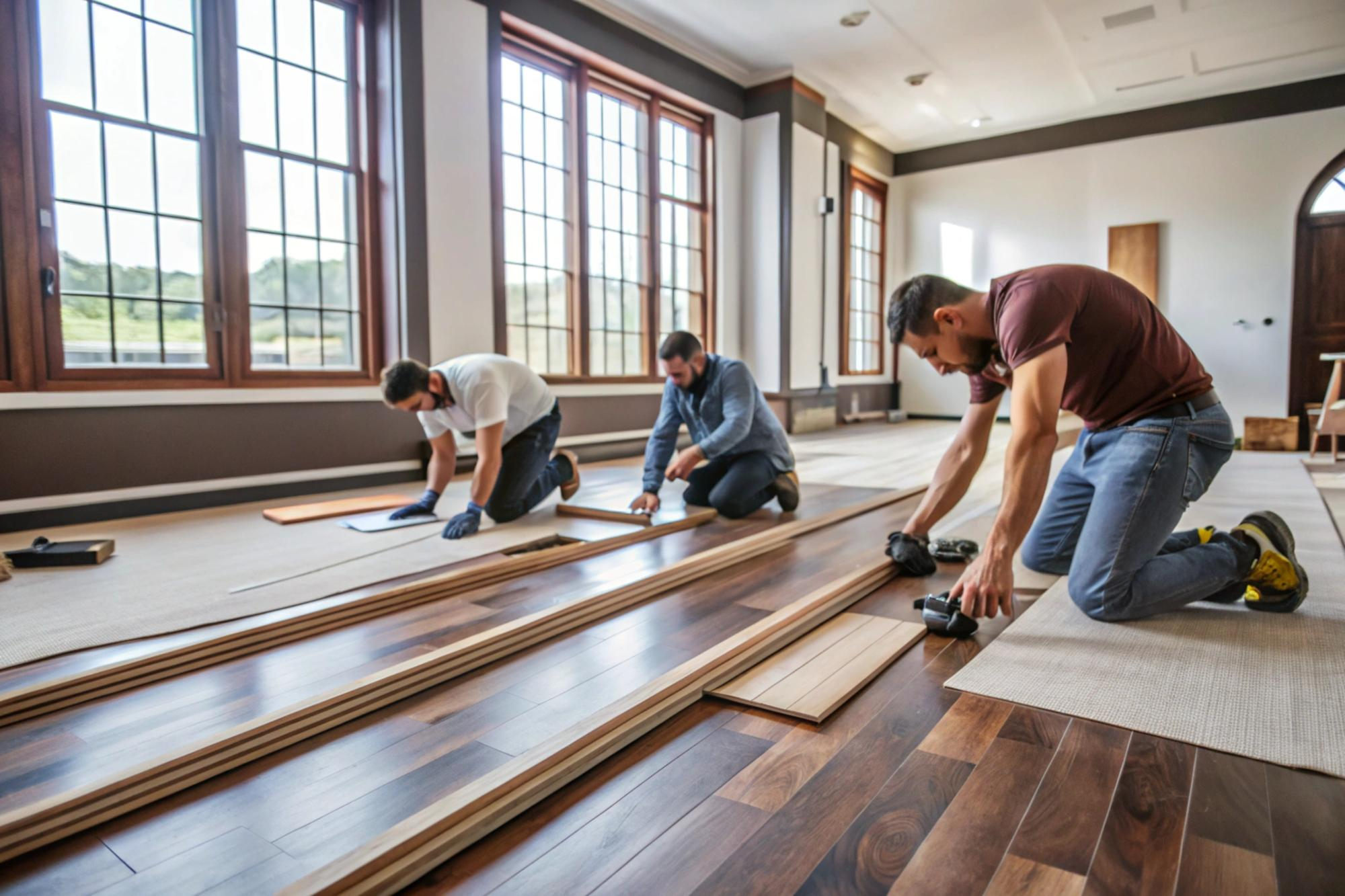
The Performance and Value of Engineered Hardwood Flooring for Your Home
Choosing the right flooring is one of the most significant investments you will make in your home. It’s the literal foundation of your interior design, influencing everything from acoustic quality to property value. For decades, solid wood was the undisputed king, but modern innovation has shifted the spotlight. Homeowners today are increasingly asking, “is engineered…
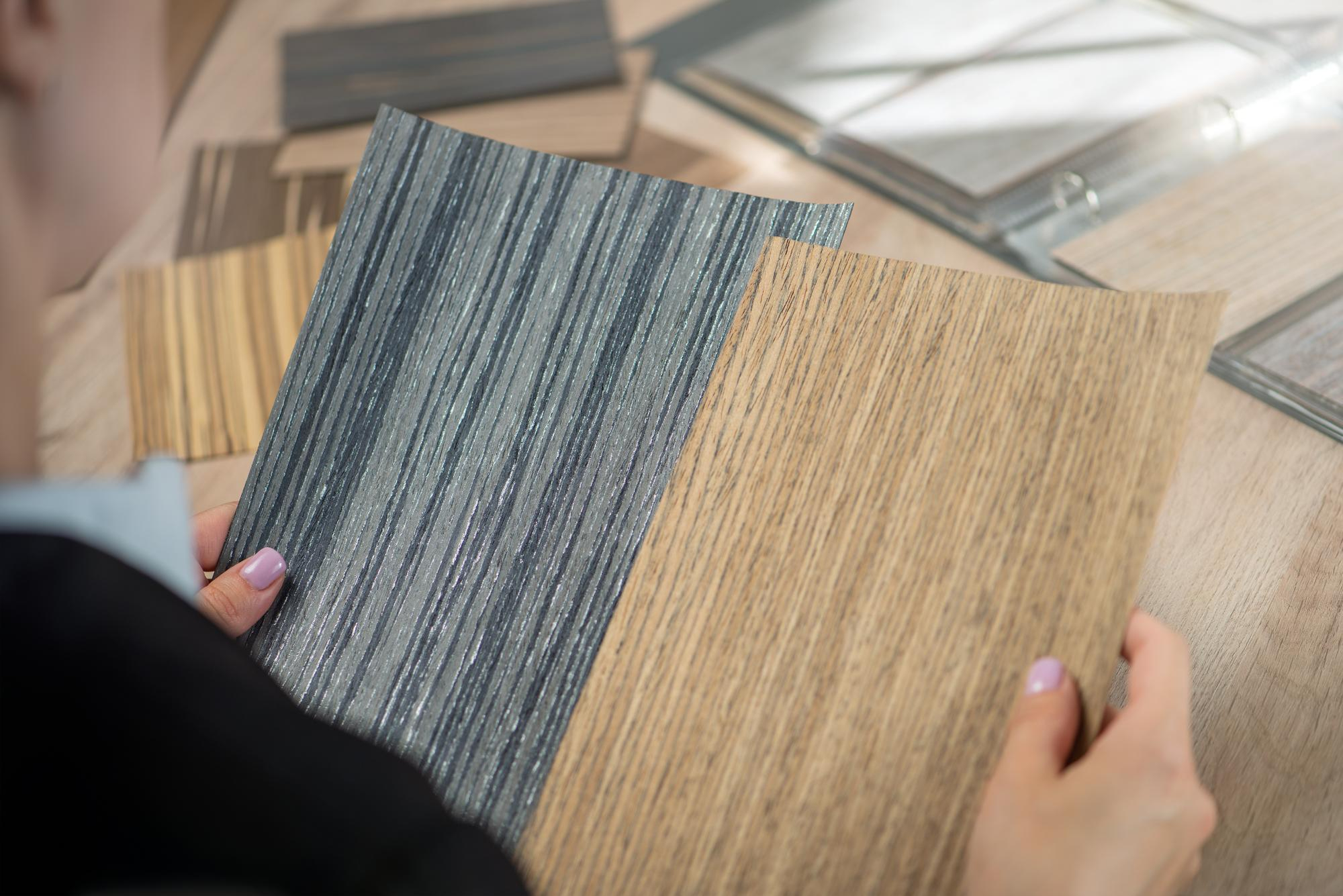
Comparing 3 Ply and Multi Ply Engineered Wood Flooring Performance, Which One Should You Choose?
The world of interior design and architectural engineering often feels like a balance between aesthetic purity and structural pragmatism. When it comes to hardwood flooring, the choice is no longer just about the species of wood or the stain color, it is about the very anatomy of the plank beneath your feet. For decades, solid…
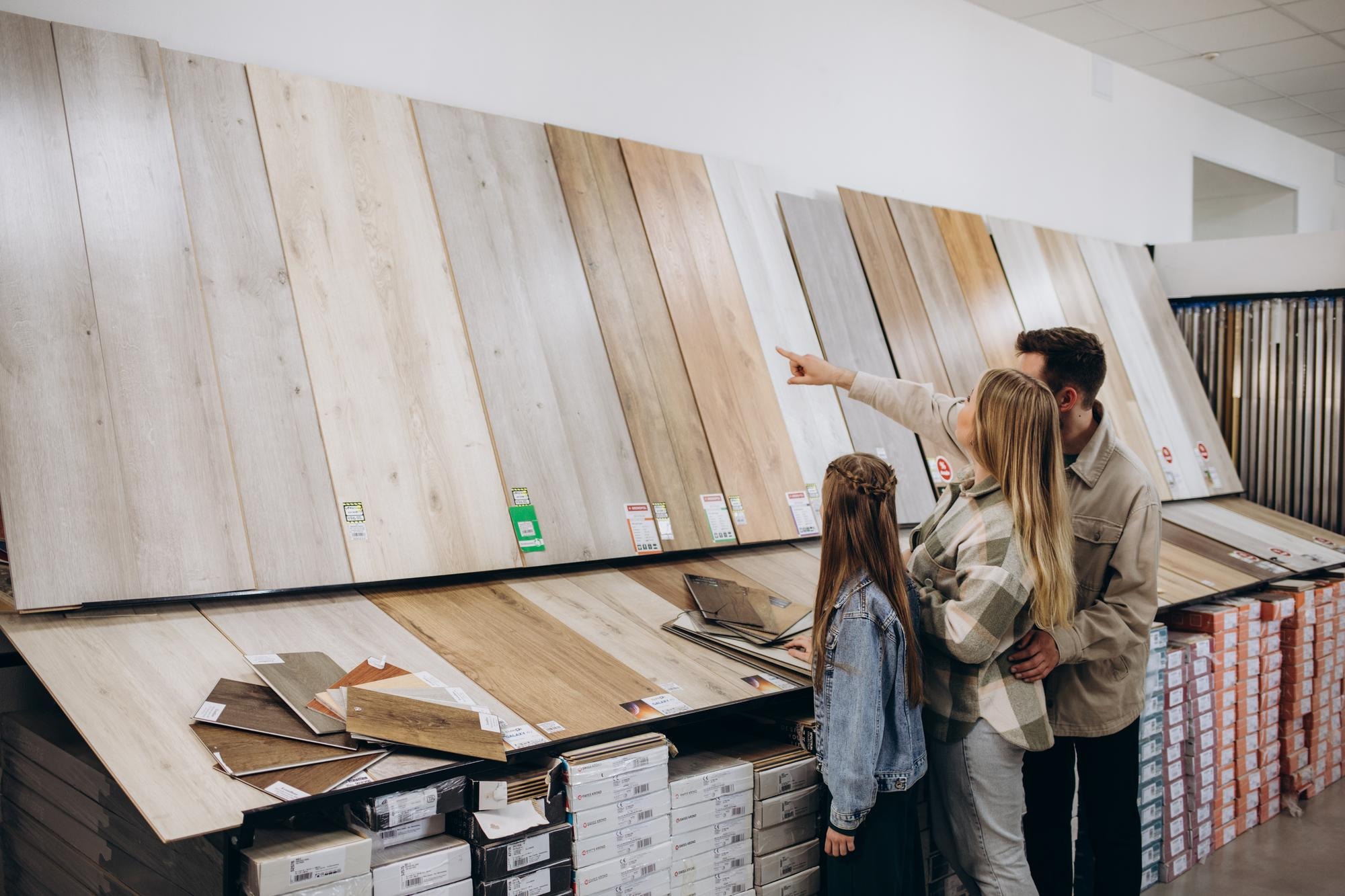
The Complete Guide to Choosing Between Solid and Engineered Wood Floors
Imagine walking into a room where the floor doesn’t just support your furniture, but actually tells a story. There is a specific, undeniable magic in the grain of natural timber, the way it catches the morning light, the warmth it holds under your bare feet, and that faint, earthy scent that makes a house feel…
- By:PT. Jati Luhur Agung
- Tags: hardwood factory, Hardwood floor, Solid Hardwood Factory
- Category: Wood Flooring
- 0 comment