In recent years, sustainability has become a key focus for industries around the globe, and the wood industry is no exception. As the world becomes increasingly aware of the environmental impact of human activities, finding alternatives that preserve the planet’s natural resources is more important than ever. Ecologically sustainable wood is one such solution, offering an environmentally friendly choice for consumers looking to make a positive impact.
Whether you’re designing your home, crafting furniture, or engaging in construction projects, choosing sustainable wood can play a pivotal role in reducing deforestation and promoting the well-being of our ecosystems. But what exactly does ecologically sustainable wood mean, and how can you ensure that the wood products you buy align with these environmental goals? In this article, we will explore the definition, identification methods, and the global implications of sustainable wood.
What is Sustainable Wood?

At its core, ecologically sustainable wood refers to timber that is sourced from forests managed in a way that ensures environmental, social, and economic balance. This means that the forests from which the wood is harvested are not being exploited, and their biodiversity is being maintained for future generations. Ecological sustainability in wood production involves careful consideration of the entire lifecycle of the forest, including replanting efforts, protecting local wildlife habitats, and minimizing the impact of logging practices on surrounding ecosystems.
There are several standards and certifications in place that promote the use of sustainable wood. The most well-known of these is the Forest Stewardship Council (FSC), which sets rigorous guidelines for responsible forest management. FSC-certified wood comes from forests that are managed according to strict environmental, social, and economic criteria. Other certifications, such as the Programme for the Endorsement of Forest Certification (PEFC), also contribute to promoting sustainable forestry practices globally. These organizations ensure that the wood products people use are responsibly sourced and that forest ecosystems are preserved.
The benefits of choosing ecologically sustainable wood are clear. By opting for sustainable timber, we help reduce deforestation, conserve biodiversity, and mitigate the harmful effects of climate change. In a world where forests are disappearing at an alarming rate, making the shift to sustainable wood products is a critical step in creating a greener future.
How to Identify Sustainable Wood
Identifying ecologically sustainable wood can be tricky if you’re not familiar with the proper certifications and labels. Fortunately, there are a few key steps you can take to ensure that the wood you’re purchasing meets sustainability standards.
- Look for Certifications
The most reliable way to determine whether wood is ecologically sustainable is to look for certifications like FSC or PEFC. These certifications guarantee that the wood has been harvested in a manner that promotes environmental health and social responsibility. Be sure to check for logos on the packaging or inquire with the supplier about the origin of the wood.
- Ask About the Source
Don’t be afraid to ask your supplier about where the wood comes from. Sustainable wood should be sourced from responsibly managed forests, ideally those that practice selective logging rather than clear-cutting. A reputable supplier will be able to trace the wood back to its origin and provide you with detailed information about the forest management practices employed.
- Check the Wood’s Lifespan
Sustainable wood is not just about how the tree is harvested, but also how long the product lasts. Durable wood is more sustainable in the long run because it reduces the need for frequent replacements. Consider choosing hardwoods, which tend to be more resilient than softer woods. Additionally, consider the finishing treatments used on the wood—natural, non-toxic finishes contribute to a more eco-friendly product.
- Consider the Carbon Footprint
The transportation of wood products can significantly impact their sustainability. Wood that is transported over long distances has a larger carbon footprint compared to locally sourced timber. Whenever possible, try to choose wood that is sourced from nearby forests or, ideally, from local suppliers who follow sustainable practices.
By taking these steps, you can make an informed decision about the wood you use and help promote a more sustainable future.

What About Wood from Outside the USA?
The global nature of the wood industry means that many wood products are imported from countries outside of the USA. This raises an important question: Can wood from overseas still be ecologically sustainable?

The simple answer is yes, although there are some important considerations to keep in mind. Just like in the USA, many countries around the world have adopted responsible forestry practices, and some even have stricter regulations in place. For instance, Scandinavian countries like Sweden and Finland are known for their commitment to sustainable forestry, with vast areas of their forests being certified under the FSC or PEFC standards. Other countries, such as Canada and New Zealand, also have strong sustainability measures in place for their timber industries.
However, the challenge comes when dealing with regions where forestry laws are not as stringent, or where illegal logging is prevalent. In these areas, the wood may not be sustainably harvested, leading to deforestation, habitat destruction, and other environmental consequences. To ensure that the wood from overseas is ecologically sustainable, it’s important to look for trusted certifications, such as FSC or PEFC, and to choose wood products from countries that enforce sustainable practices.
The issue of wood imports also ties into the broader issue of transportation. Wood that is imported from distant countries can have a significant carbon footprint due to the long shipping distances. This is why supporting local and regional sustainable wood sources remains a priority for minimizing environmental impact.
In conclusion, while wood sourced from outside the USA can be ecologically sustainable, it’s essential to do your research and ensure that the product meets recognized sustainability standards.
If you’re looking for high-quality, sustainably sourced wood for your next project, consider partnering with a company that prioritizes responsible forestry practices. At Jati Luhur Agung, we are committed to providing top-tier ecologically sustainable wood factory and products, sourced from trusted forests that adhere to the highest environmental and social standards. Visit us today to explore our range of sustainable wood products and make a lasting, positive impact on the environment.
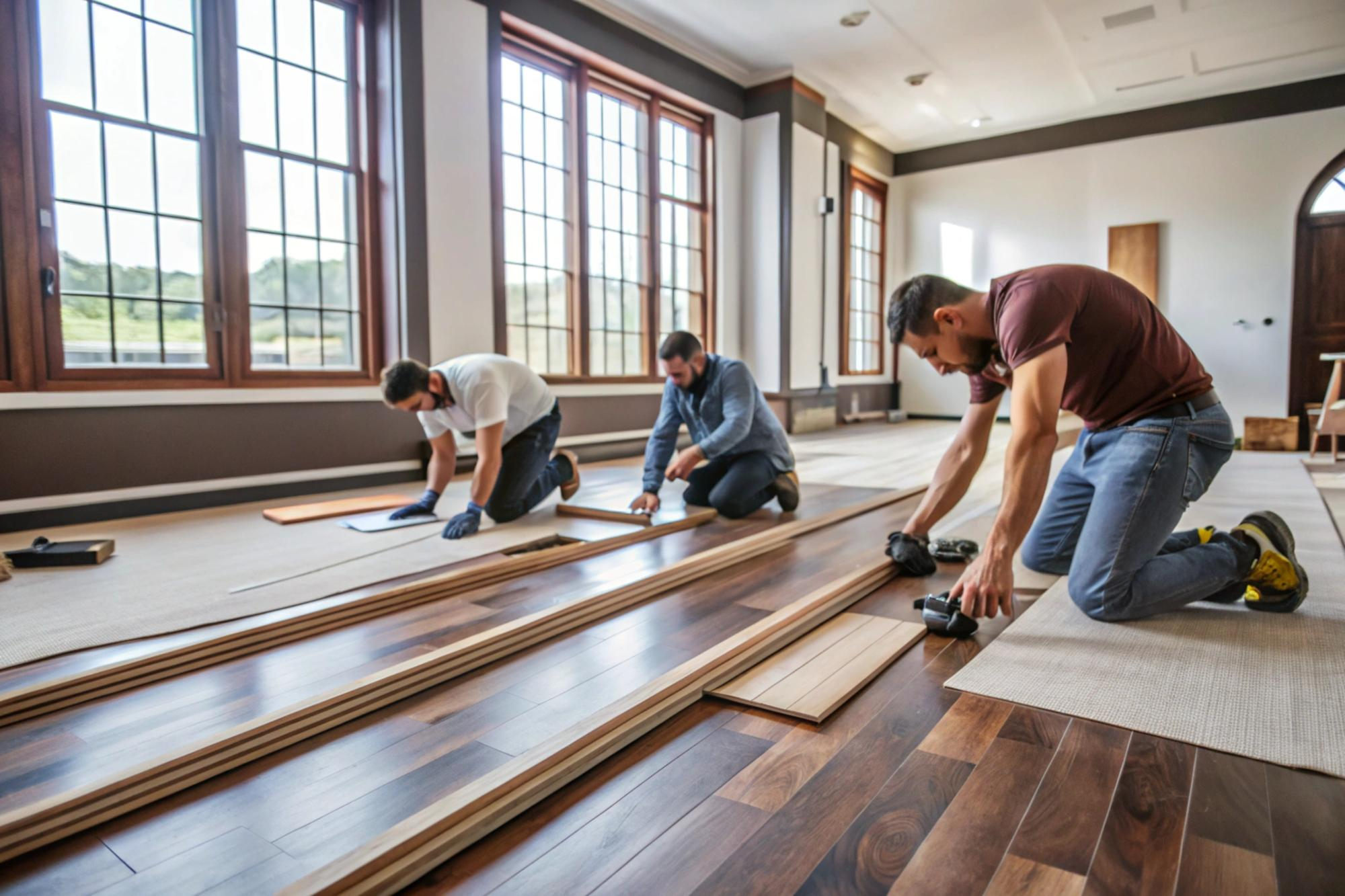
The Performance and Value of Engineered Hardwood Flooring for Your Home
Choosing the right flooring is one of the most significant investments you will make in your home. It’s the literal foundation of your interior design, influencing everything from acoustic quality to property value. For decades, solid wood was the undisputed king, but modern innovation has shifted the spotlight. Homeowners today are increasingly asking, “is engineered…
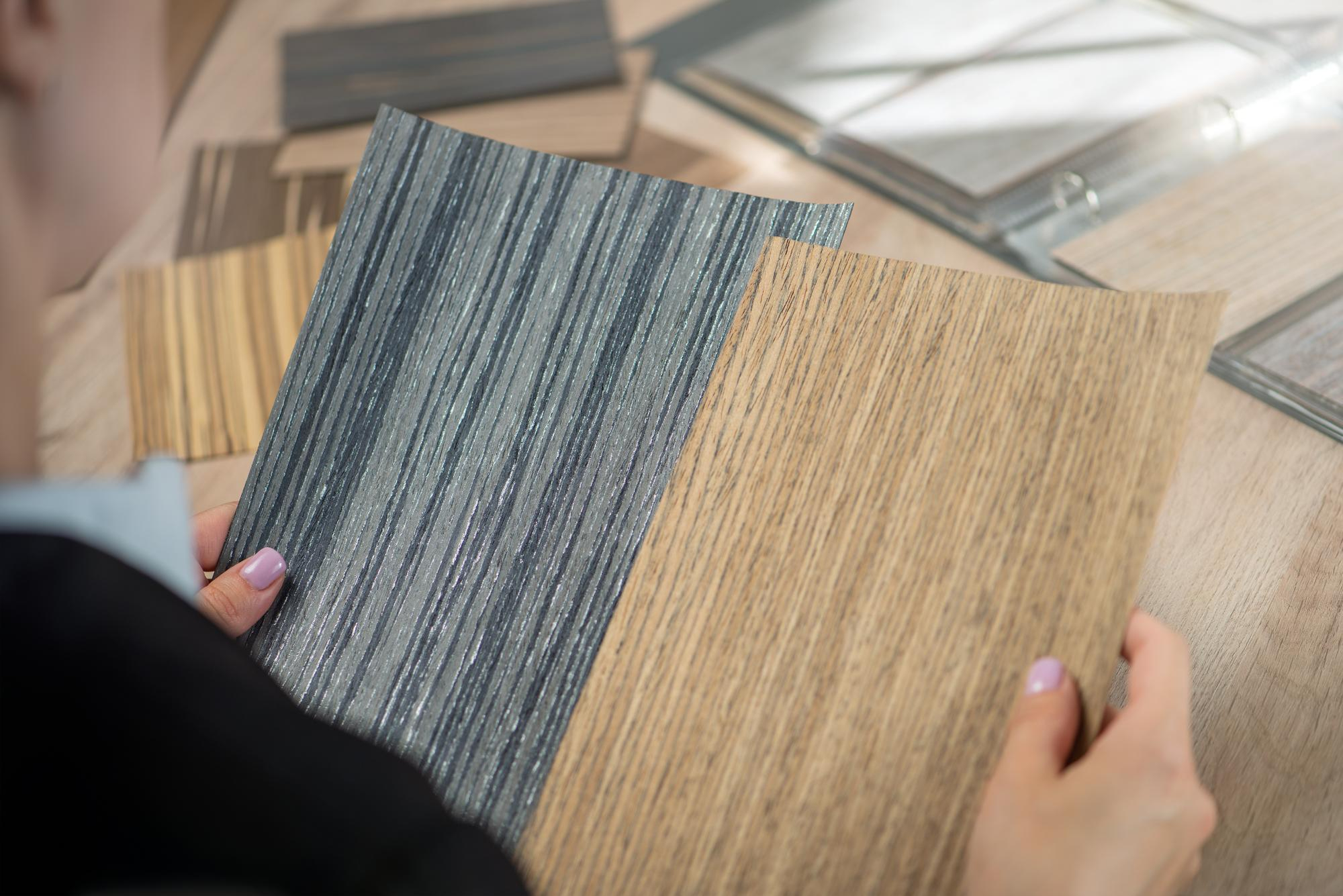
Comparing 3 Ply and Multi Ply Engineered Wood Flooring Performance, Which One Should You Choose?
The world of interior design and architectural engineering often feels like a balance between aesthetic purity and structural pragmatism. When it comes to hardwood flooring, the choice is no longer just about the species of wood or the stain color, it is about the very anatomy of the plank beneath your feet. For decades, solid…
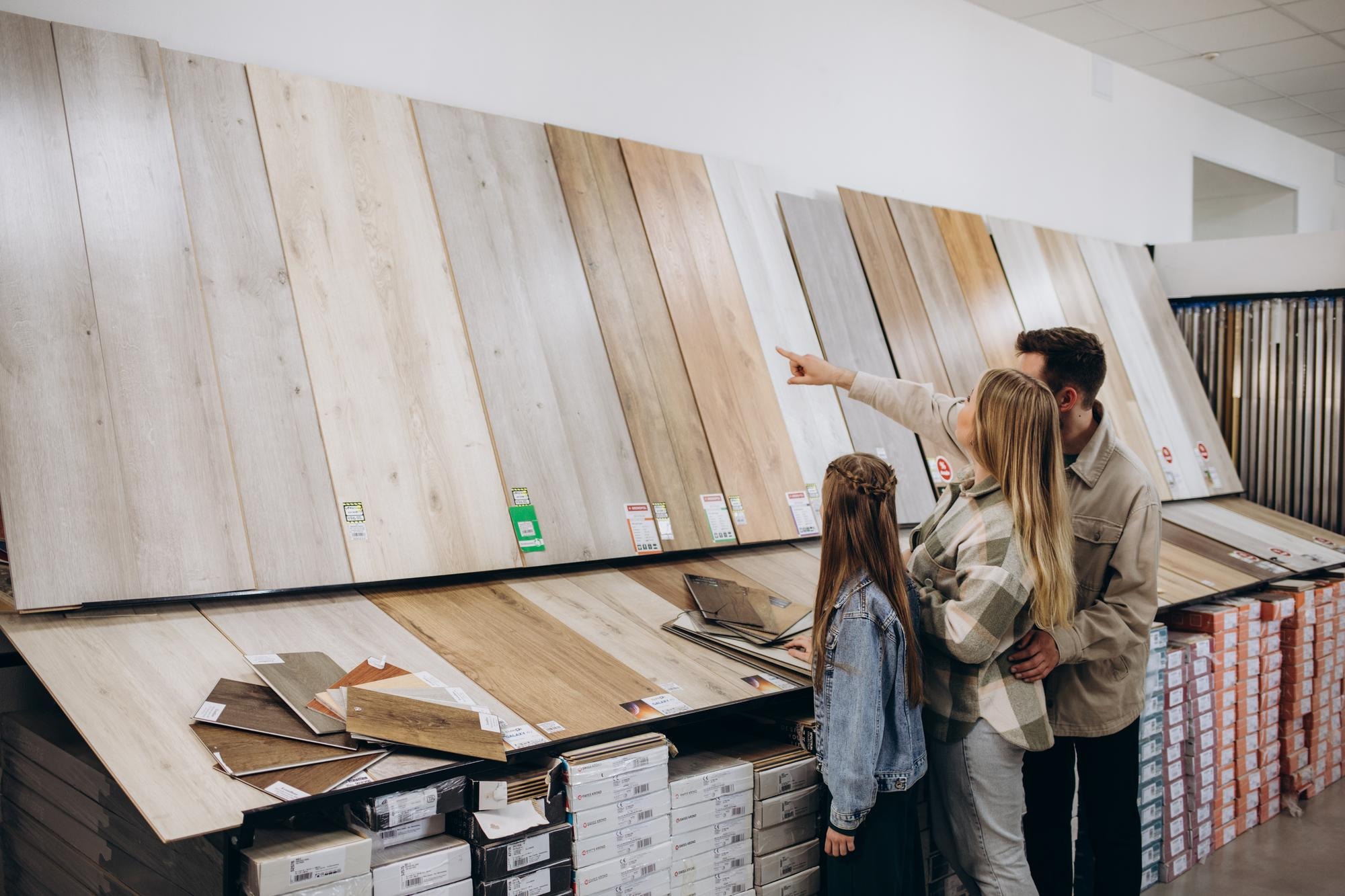
The Complete Guide to Choosing Between Solid and Engineered Wood Floors
Imagine walking into a room where the floor doesn’t just support your furniture, but actually tells a story. There is a specific, undeniable magic in the grain of natural timber, the way it catches the morning light, the warmth it holds under your bare feet, and that faint, earthy scent that makes a house feel…
- By:PT. Jati Luhur Agung
- Tags: eco friendly wood, ecologically sustainable wood, sustainable wood
- Category: Wood Flooring
- 0 comment