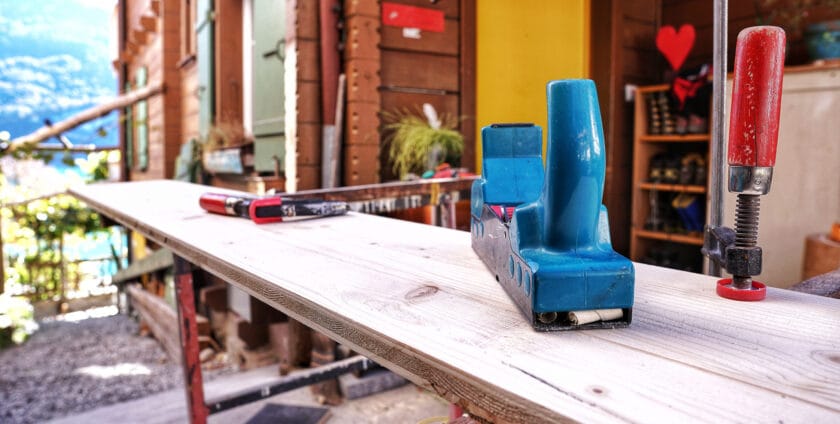
Creating a stunning outdoor kitchen is an increasingly popular way to enhance your home’s living space, blending functionality with the pleasures of nature. The centerpiece of any outdoor kitchen is the countertop, a space where meals are prepared, drinks are poured, and memories take shape.
Tackling an outdoor countertops DIY project allows homeowners not only to save money but also to customize the workspace to fit their unique style and needs. If you’re dreaming of a perfect backyard kitchen, learning how to build your own outdoor countertops DIY setup is the first step to transforming your garden or patio into your favorite gathering spot.
Choosing The Best Materials for Outdoor Countertops
Selecting the right material is crucial for successful outdoor countertops DIY projects. When planning your outdoor countertops DIY, it’s important to remember that outdoor environments expose surfaces to harsher conditions compared to indoor kitchens, including sun, rain, extreme temperatures, and wind. Because of this, the materials you pick must be durable, visually appealing, and easy to maintain. Choose the best material for the wood countertops you want to use here.
Natural stone, such as granite or soapstone, remains a top choice for many tackling outdoor countertops DIY. Granite is well-known for its hardness and excellent resistance to scratches, heat, and stains when properly sealed. Soapstone provides a smoother finish, is resistant to acidic substances, and notably requires no sealing. Both of these stones tend to be low-maintenance and can last for decades if cared for correctly.
Concrete has gained popularity in the outdoor countertops DIY world due to its flexibility and affordability. It can be molded into nearly any shape and finished in various colors or textures to imitate surfaces like stone, tile, or even wood. Concrete is strong and budget-friendly, though it requires sufficient curing time and periodic sealing to protect against water damage and staining. If a sleek, modern, or industrial look is what you want for your outdoor countertops DIY, stainless steel is worth considering. It is highly durable, resistant to rust (especially when using high-grade steel), and simple to clean. That said, stainless steel surfaces can be prone to scratches and may become uncomfortably hot under direct sunlight.
In the end, the materials you choose for your outdoor countertops DIY will be influenced by your personal style preferences, budget limitations, and how much time you are willing to dedicate to maintenance. Selecting materials that balance these factors ensures a satisfying and long-lasting outdoor kitchen countertop.
Simple DIY Tricks to Create a Professional Look
Building DIY outdoor countertops can feel daunting, especially if you want the finished product to look seamless and polished. Fortunately, a few simple tips can make a significant difference. First, always start with precise measurements. Use a tape measure and draw detailed plans that include the length, width, and height of your countertops. Accurate dimensions ensure your materials fit perfectly with existing backyard structures or furniture.
When working with concrete, use high-quality molds or build custom wooden forms to shape the slabs. Smooth the surface with a trowel during the curing process and consider embedding decorative aggregates or small stones to add texture and interest. Applying tinted concrete stains can also give your countertops a natural stone appearance without the hefty price tag.
For stone installations, work with professionals to cut slabs or purchase prefabricated stone countertops that can be easily mounted onto your base. Pay attention to the finishing of edges,rounded or beveled edges create a safer, more refined look compared to rough cuts.
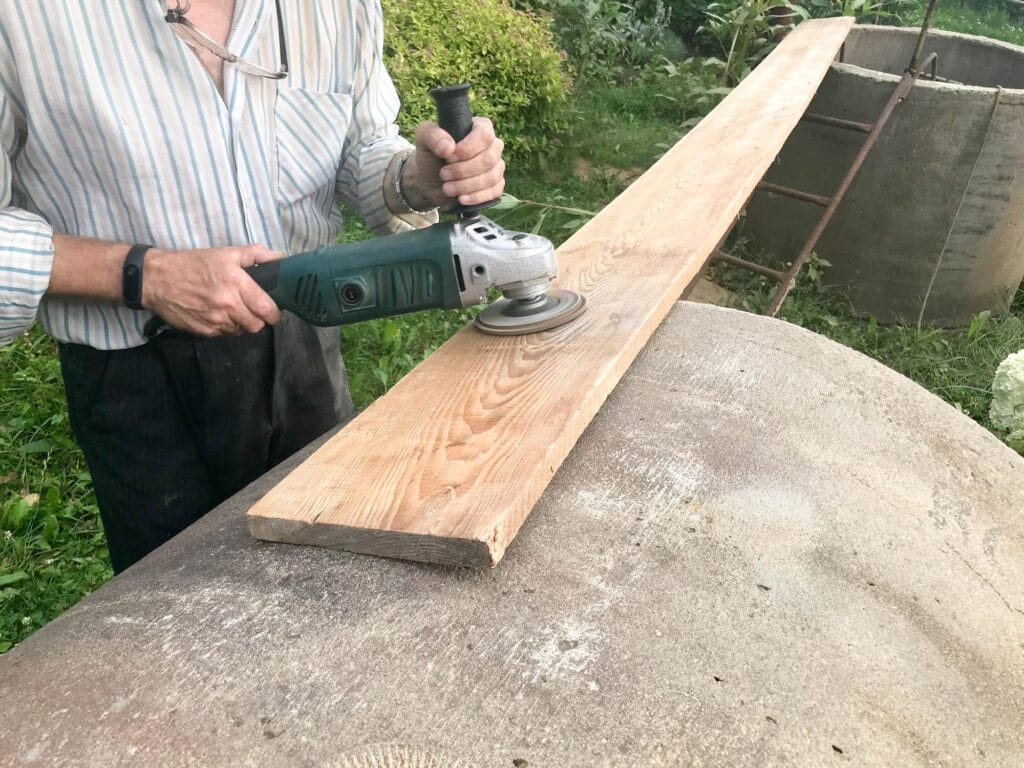
Regardless of the material, thoroughly sanding and sealing the countertops is fundamental. Sanding smooths out imperfections while sealant protects the surface and enhances color vibrancy. To keep lines crisp and clean, use painter’s tape when applying sealants or stains. This step prevents smudging and uneven finishes. Finally, integrating backsplash panels or edging strips not only protects walls and cabinetry from water damage but frames your countertop beautifully, giving it a professionally installed appearance.
Make Your Outdoor Countertops Weather-Ready
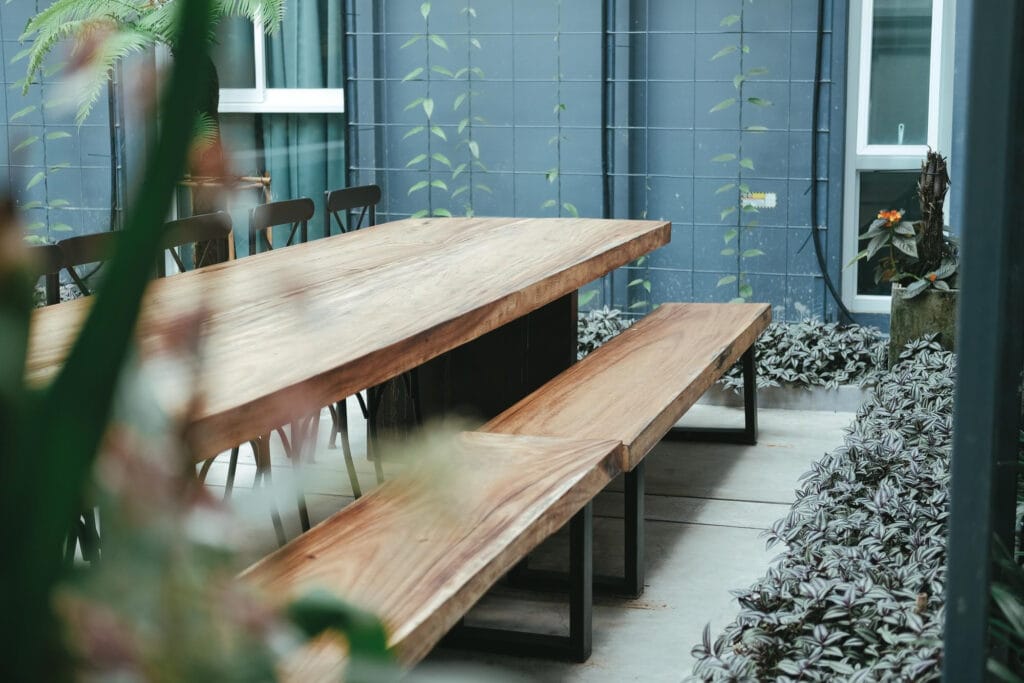
Weather is a major challenge when it comes to outdoor countertops DIY projects. Rain, sun, frost, and temperature fluctuations can cause warping, cracking, staining, or fading if surfaces aren’t properly protected. Preparing your countertops to be weather-resistant extends their life and keeps them looking great year-round. Begin by selecting materials that inherently withstand moisture and sun exposure, such as granite, sealed concrete, or treated woods. Applying a high-grade outdoor sealant after installation provides an extra layer of defense against water infiltration. For concrete, consider using a penetrating sealer that fills pores and prevents moisture absorption without changing the texture or appearance.
UV resistance is critical to prevent fading and discoloration in outdoor areas. Look for sealants or finishes specifically designed with UV blockers to preserve colors and prevent brittleness. Reapply these protective coatings per manufacturer recommendations, often every 1-2 years, depending on weather exposure. Good drainage design is essential. Make sure your countertop surfaces have a slight slope (usually around 1/8 to 1/4 inch per foot) to encourage water runoff rather than pooling. Standing water accelerates deterioration and encourages mold or mildew growth.
For wood countertops, regular oiling with outdoor-grade waterproof oils or varnishes keeps moisture out and maintains the wood’s natural beauty. Avoid fiberglass or epoxy coatings on wood outdoor countertops as these can peel or crack due to weather expansion and contraction. During winter or extreme weather, covering your countertops or using removable sections protects against frost damage and excessive moisture.
Top Outdoor Kitchen Countertop Materials
When selecting materials for your outdoor kitchen, don’t focus solely on looks. Make sure they’re strong, low-maintenance, and budget-friendly so your design lasts for years.
- Granite
Renowned for its toughness and natural elegance. Sealed granite countertops resist heat, stains, and UV damage. They are slightly higher in price but last for decades.
- Concrete
Customizable and budget-friendly, concrete can be crafted into large slabs or modular designs. Its versatility in color and texture makes it a go-to for many DIY outdoor countertops enthusiasts.
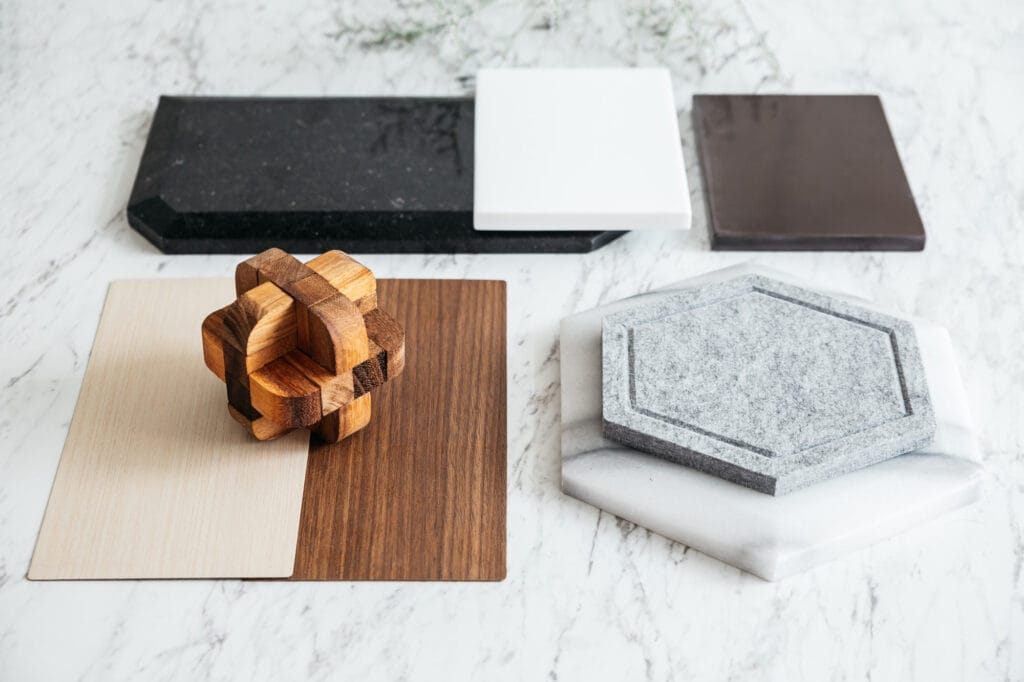
- Stainless Steel
Perfect for those wanting a sleek, low-maintenance surface. It’s heat- and water-resistant but beware of scratches and surface fingerprints.
- Porcelain Tile
Offers design flexibility with a vast array of colors and patterns. Porcelain is highly resistant to stains, scratches, and weather, making it excellent for outdoor use. However, grout maintenance is important to prevent mold.
- Wood
Woods such as teak or ipe give a warm, natural look but need frequent sealing and upkeep. But, you must know that offer wood stoves work with a wide variety of species and types of wood. Keep in mind that you choosen type of wood countertops defines the final character of your kitchen
- Quartz
While quartz is popular indoors, most engineered quartz doesn’t tolerate direct sunlight well and may fade or discolor outdoors. Some manufacturers offer outdoor-rated quartz, but always verify UV resistance.
Each material suits different needs, but it is important to consider long-term durability and upkeep before settling.
What To Look for in an Outdoor Kitchen Countertop
As you plan your DIY outdoor countertops, understanding the key criteria will ensure that your investment pays off in both beauty and function.
- Durability
Your countertop must endure elements and usage without chipping, cracking, or warping. Natural stones and sealed concrete are favored for resilience.
- Heat Resistance
Cooking outdoors often means exposure to hot pots and grills. Your countertop should withstand high temperatures without scorching or cushions.
- Maintenance
Outdoor countertops should be easy to clean and resist staining from food, oil, or beverages. Non-porous materials like stainless steel or sealed stone fare best.
- Slip and Scratch Resistance
Especially if the surface doubles as a bar area or prep zone, a countertop that doesn’t become slippery when wet or easily scratched means safer, longer-lasting use.
- Aesthetic Fit
Your countertop should complement your outdoor décor style and other kitchen elements, helping create a cohesive outdoor space.
- Ease of Installation
If you’re taking on this as a DIY project, select materials and sizes manageable for your experience level and tools.
- Environmental Factors
Consider your location’s climate and seasonality. Materials suitable for humid, rainy areas might differ from those in dry or cold regions.
Maintenance & Care Tips for Outdoor Countertops
Caring for your DIY outdoor countertops properly maximizes their lifespan and preserves their appearance.
- Regular Cleaning
Wipe down countertops with a solution of mild soap and water. Avoid harsh chemical cleaners that can degrade sealants or stain stone surfaces.
- Periodic Sealing
Reapplying sealants every 1-3 years prevents moisture intrusion and staining. Always follow the manufacturer’s instructions.

- Prompt Repairs
Fix small cracks, chips, or chips immediately to avoid them worsening. Specialty repair kits are available for concrete and stone.
- Proper Use
Use cutting boards, trivets, and coasters to prevent scratches and heat damage.
- Cover When Necessary
During harsh weather or periods of inactivity, cover countertops with waterproof covers to shield surfaces.
- Stainless Steel Care
Use non-abrasive stainless steel cleaners regularly to keep surfaces bright and fingerprint-free.
- Wood Maintenance
For wood countertops, apply outdoor wood oil or sealant every few months, especially after heavy rain exposure.
Ready to transform your outdoor space? Start your outdoor countertops DIY project today and bring your vision to life with our services. Find quality wood solutions and pro guidance at Jati Luhur Agung, where durability and craftsmanship are always a top priority. With the right materials, creative planning, and expert support, you can build a stylish, weather-resistant outdoor kitchen that becomes the heart of your backyard. Make every gathering more memorable and upgrade your space with confidence and a personal touch that reflects your style.

The Performance and Value of Engineered Hardwood Flooring for Your Home
Choosing the right flooring is one of the most significant investments you will make in your home. It’s the literal foundation of your interior design, influencing everything from acoustic quality to property value. For decades, solid wood was the undisputed king, but modern innovation has shifted the spotlight. Homeowners today are increasingly asking, “is engineered…
Comparing 3 Ply and Multi Ply Engineered Wood Flooring Performance, Which One Should You Choose?
The world of interior design and architectural engineering often feels like a balance between aesthetic purity and structural pragmatism. When it comes to hardwood flooring, the choice is no longer just about the species of wood or the stain color, it is about the very anatomy of the plank beneath your feet. For decades, solid…

The Complete Guide to Choosing Between Solid and Engineered Wood Floors
Imagine walking into a room where the floor doesn’t just support your furniture, but actually tells a story. There is a specific, undeniable magic in the grain of natural timber, the way it catches the morning light, the warmth it holds under your bare feet, and that faint, earthy scent that makes a house feel…
- By:PT. Jati Luhur Agung
- Tags: backyard wood, countertops
- Category: Kitchen Wood
- 0 comment