Flooring is often one of the most underestimated elements in interior design, even though it plays a fundamental role in shaping how a space feels and functions. Every step taken across a room, every piece of furniture placed, and every daily activity relies on the surface beneath. A well-chosen floor supports comfort, enhances visual harmony, and withstands years of use without losing its appeal. On the other hand, the wrong choice can quickly become a source of frustration, maintenance costs, and visual inconsistency.
For decades, natural hardwood has symbolized elegance and prestige. Its organic textures and warm tones have long been associated with quality living spaces. However, modern lifestyles demand more than appearance alone. Changes in humidity, frequent foot traffic, evolving interior trends, and the need for efficient maintenance have pushed designers and property owners to rethink traditional materials.
This shift has opened the door for engineered alternatives that preserve the visual charm of wood while improving technical performance. Among these innovations, artificial wooden flooring has emerged as a reliable solution for residential and commercial interiors alike. Thanks to advanced manufacturing processes, faux hardwood and synthetic wood floors now replicate natural grain patterns with remarkable realism, offering consistency, durability, and flexibility across various environments.
As interior planning becomes more performance-oriented, understanding the distinctions between faux hardwood and natural hardwood becomes essential. The decision is no longer based solely on aesthetics, but on how well the flooring adapts to daily use, long-term maintenance, and environmental conditions.
Faux Hardwood vs Natural Hardwood: What’s the Difference?

The core difference between faux hardwood and natural hardwood lies in their structure. Natural hardwood is produced from solid wood planks cut directly from trees, resulting in unique grain variations and natural imperfections. While this authenticity is appealing, it also means the material is highly responsive to temperature and humidity changes.
Faux hardwood is engineered using layered construction. The top layer is designed to visually resemble real wood, while the underlying layers provide structural stability. This engineered composition significantly reduces movement caused by environmental fluctuations, making the flooring more predictable and stable over time.
Moisture resistance highlights another important contrast. Natural hardwood can absorb moisture, leading to expansion, warping, or surface damage. Faux hardwood offers improved tolerance, allowing it to perform more reliably in spaces such as living rooms, corridors, and commercial interiors.
Maintenance requirements further separate the two options. Solid wood floors often require refinishing, polishing, and careful cleaning routines. Faux hardwood simplifies ownership by requiring only routine cleaning to maintain its appearance, making it suitable for fast-paced environments.
From a cost perspective, natural hardwood typically involves higher material prices, more complex installation, and long-term upkeep expenses. Faux hardwood delivers a similar visual effect with lower overall investment, making it attractive for projects that balance design and budget.
Benefits of Choosing Artificial Wooden Flooring

One of the strongest advantages of artificial wooden flooring is its adaptability across different interior concepts. This flooring solution blends effortlessly into a wide range of design styles, from sleek modern apartments and minimalist offices to retail showrooms and hospitality spaces that prioritize both comfort and visual appeal. Its consistent appearance helps create a cohesive atmosphere throughout a space, even when used across multiple rooms or large floor areas. Designers value the extensive selection of finishes, plank dimensions, and surface textures, which makes it easier to align flooring choices with architectural themes, lighting conditions, and furniture layouts.
Durability is another major benefit that significantly influences long-term satisfaction. Engineered flooring is designed to withstand daily wear, including constant foot traffic, furniture movement, and surface pressure from heavy objects. Unlike natural wood, which can show scratches and dents more easily, these surfaces are built with protective layers that help maintain their appearance over time. This resilience makes the flooring suitable not only for households with active lifestyles but also for commercial spaces such as offices, cafes, and retail environments where durability is essential.
Installation efficiency adds further value, particularly for projects with tight schedules. Many synthetic wood flooring systems feature advanced locking mechanisms that simplify the installation process and reduce the need for extensive tools or adhesives. This streamlined approach minimizes disruption during renovations, shortens installation time, and allows spaces to be used more quickly. For commercial projects, this efficiency can translate into reduced downtime and faster project completion.
Environmental responsibility also plays an important role in modern material selection. Engineered flooring generally uses raw materials more efficiently than solid wood, helping reduce unnecessary waste while still delivering a refined appearance. By optimizing resource usage, this type of flooring supports more sustainable building practices without sacrificing design quality.
Maintenance simplicity further enhances long-term value. Synthetic floors retain their finish without the need for sanding, polishing, or refinishing. Regular cleaning is usually enough to preserve their clean and polished look, making maintenance predictable and cost-effective. This ease of care allows property owners to focus on enjoying their space rather than managing constant upkeep.
If you are unsure about purchasing synthetic wood flooring or artificial wooden flooring, engineered hardwood planks may also be an option to consider.
How Durable is Synthetic Wood Flooring?

Durability is one of the defining strengths of artificial wooden flooring, especially in high-use environments where surfaces are constantly exposed to pressure and movement. Thanks to its engineered, layered structure, this flooring type offers improved resistance to scratches, impacts, and everyday wear. The construction helps distribute weight evenly, allowing the surface to maintain its integrity even in busy households or commercial spaces with continuous foot traffic.
Another reason artificial wooden flooring performs well over time is its enhanced moisture tolerance. Synthetic wood floors are far less prone to swelling, shrinking, or deformation when exposed to humidity changes. This makes them suitable for spaces such as living areas, offices, and transitional zones where environmental conditions may fluctuate throughout the day or across seasons.
Protective surface coatings further strengthen durability. These layers help prevent fading caused by prolonged exposure to sunlight, ensuring that color tones remain stable and visually consistent. Even in interiors with large windows or strong natural light, artificial wooden flooring is designed to retain its original appearance without premature discoloration.
Longevity is also closely tied to ease of care. When installed correctly and maintained with basic cleaning routines, synthetic wood flooring can last for decades. Regular sweeping and occasional damp cleaning are usually sufficient to preserve both appearance and functionality, reducing the need for costly repairs or surface restoration.
Additional features such as sound absorption enhance overall comfort, particularly in multi-level buildings, apartments, and shared spaces. By reducing noise transfer and improving underfoot stability, artificial wooden flooring proves to be a dependable and practical option for modern interiors that demand both durability and comfort.
Choosing flooring is not just a design decision, but a long-term investment in comfort, durability, and brand value. The right partner can help ensure that every detail, from material selection to final installation, aligns with your expectations and usage needs. If you are planning to enhance your interior with artificial wooden flooring, we are stands ready to support your project with proven expertise and high-quality products. Jati Luhur Agung flooring solutions are designed to meet modern performance standards while maintaining refined aesthetics. Visit our wood collection today to explore available options, consult with professionals, and take a confident step toward creating spaces that feel strong, elegant, and built to last.
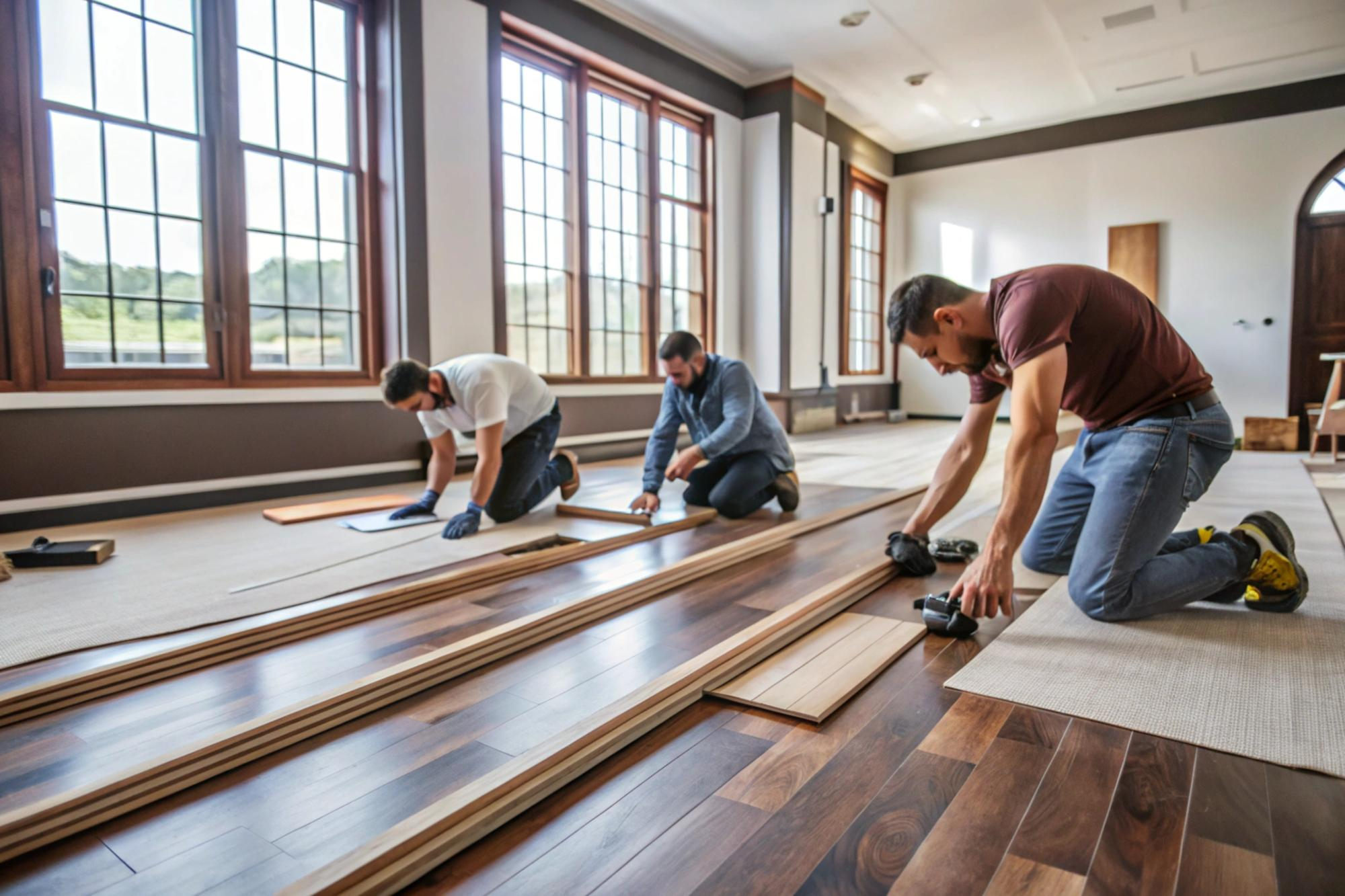
The Performance and Value of Engineered Hardwood Flooring for Your Home
Choosing the right flooring is one of the most significant investments you will make in your home. It’s the literal foundation of your interior design, influencing everything from acoustic quality to property value. For decades, solid wood was the undisputed king, but modern innovation has shifted the spotlight. Homeowners today are increasingly asking, “is engineered…
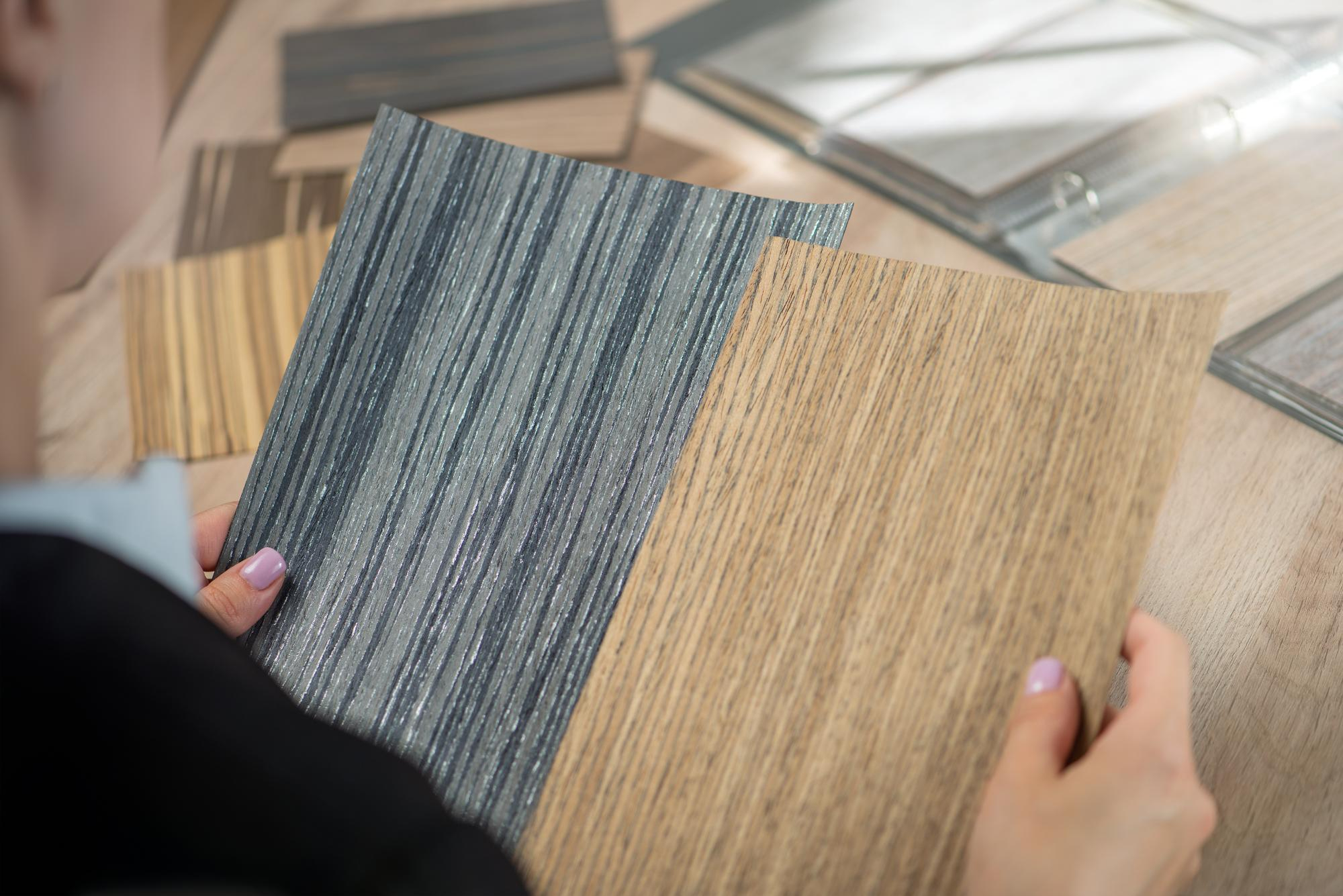
Comparing 3 Ply and Multi Ply Engineered Wood Flooring Performance, Which One Should You Choose?
The world of interior design and architectural engineering often feels like a balance between aesthetic purity and structural pragmatism. When it comes to hardwood flooring, the choice is no longer just about the species of wood or the stain color, it is about the very anatomy of the plank beneath your feet. For decades, solid…
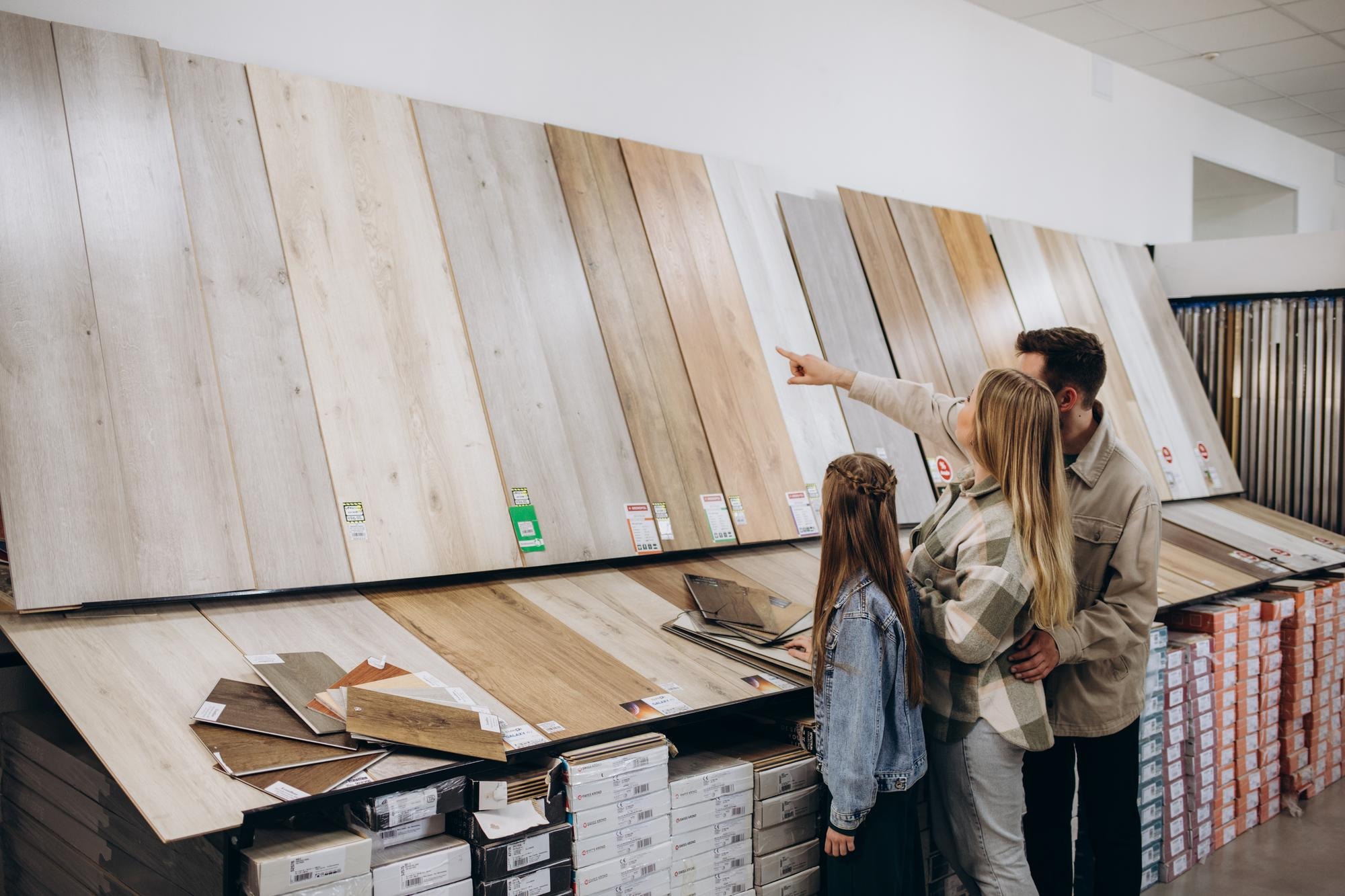
The Complete Guide to Choosing Between Solid and Engineered Wood Floors
Imagine walking into a room where the floor doesn’t just support your furniture, but actually tells a story. There is a specific, undeniable magic in the grain of natural timber, the way it catches the morning light, the warmth it holds under your bare feet, and that faint, earthy scent that makes a house feel…
- By:PT. Jati Luhur Agung
- Tags: artificial wood, faux hardwood, synthetic wood
- Category: Engineered Wood
- 0 comment